
Beef tenderloin is one of the most tender, flavorful premium cuts available, but its high price per pound means guessing portion sizes can quickly turn a special meal into an expensive mistake. Undercook your estimate and you’ll have hungry guests; overbuy and you’ll waste hundreds of dollars on leftover meat no one eats. This guide breaks down exact, tested portion guidelines adjusted for guest appetite, meal format, cooking method, and budget, so you can plan confidently and serve satisfying meals every time.
 A perfectly roasted beef tenderloin makes an impressive centerpiece for holiday meals and special occasions.
Image source: parade.com
A perfectly roasted beef tenderloin makes an impressive centerpiece for holiday meals and special occasions.
Image source: parade.com
Why Accurate Tenderloin Portions Matter More Than Any Other Cut
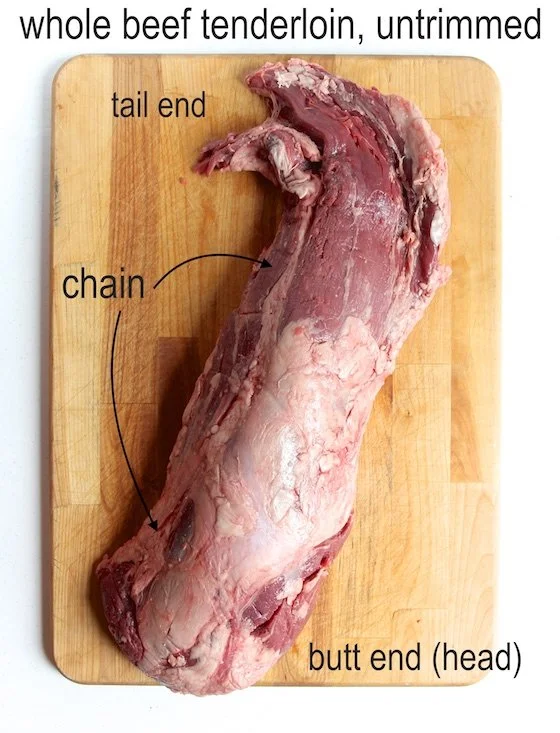
Unlike cheaper, higher-yield cuts like chuck or brisket, beef tenderloin comes from a minimally used muscle along the spine, resulting in a low-fat, low-waste cut that commands a premium price. Most whole tenderloins weigh 4–6 pounds untrimmed, and after removing silver skin, excess fat, and connective tissue, you’ll lose 10–15% of the raw weight before cooking even begins. For context, a 5-pound untrimmed tenderloin typically yields just 3.5–4 pounds of edible meat, making precise portion planning critical to avoid overspending. A common mistake hosts make is calculating portions based on raw weight, forgetting that trimming and cooking can reduce a tenderloin’s total yield by up to 25%—this leads to last-minute grocery runs or disappointed guests.
Core Serving Guidelines By Guest And Meal Type
The standard baseline for beef tenderloin servings is based on cooked weight, not raw, to account for unavoidable shrinkage. Use this quick reference table to estimate portions for any event:
| Guest Type / Meal Format | Cooked Serving Size Per Person |
|---|---|
| Average adult, plated meal | 6–8 oz |
| Hearty eater, holiday meal | 8–10 oz |
| Child (8 and under) | 3–4 oz |
| Teen (9–17) | 5–6 oz |
| Buffet / family-style | 5–6 oz |
| For context, the USDA’s MyPlate protein guidelines recommend 5–6.5 ounces of protein per day for average adults, making a 6–8 ounce tenderloin serving a reasonable main course portion that pairs well with 2–3 side dishes. If you’re serving multiple courses (e.g., an appetizer, salad, and dessert), reduce the tenderloin portion by 1–2 ounces per person to avoid overeating. |
How To Calculate Total Purchase Weight Accurately
Most home cooks skip this step, but it’s the difference between a perfectly portioned meal and a costly error. To calculate how much raw tenderloin to buy, factor in three key sources of weight loss:
- Trimming loss: Removing silver skin, excess fat, and connective tissue reduces raw weight by 10–15%.
- Cooking shrinkage: Moisture loss during cooking reduces weight by 5–20% depending on your method (see the section below for method-specific numbers).
- Bone weight (if applicable): Bone-in tenderloin roasts have 20–25% of their weight in inedible bone.
Use this simple formula to calculate your purchase quantity:
(Number of guests × desired cooked serving size) ÷ (1 - total estimated shrinkage percentage)
For example, if you’re serving 8 adults 7 ounces of cooked tenderloin each, and expect 25% total shrinkage:
(8 × 7 oz) ÷ 0.75 = 74.6 oz raw needed, or ~4.7 pounds. Round up to 5 pounds to account for extra trimming or unexpected guests.
How Cooking Method Impacts Portion Planning
The way you cook tenderloin directly affects how much it shrinks, which changes how much raw meat you need to buy:
Roasting
The most common method for whole tenderloin roasts, roasting causes 15–20% moisture loss as the meat cooks slowly in dry heat. Plan for an extra ¼ pound of raw tenderloin per person to account for this shrinkage, and let the roast rest for 10–15 minutes after cooking to let juices redistribute, making portions feel more generous.
Grilling
High-heat grilling causes slightly less shrinkage than roasting (10–15%) but can dry out thin cuts if overcooked. Slice grilled tenderloin against the grain into ¼-inch thick pieces to make smaller portions feel more abundant, and aim for a 1–1.5 inch thickness for medallions to retain juiciness.
Sous Vide
The most precise method for portion control, sous vide cooking causes only 5–8% shrinkage, as the meat cooks in a sealed bag at a controlled temperature with no moisture loss. This makes it easy to portion raw tenderloin into individual bags for exact servings, with no guesswork required.
Pan-Searing
Ideal for individual tenderloin steaks, pan-searing causes 10–12% shrinkage. Portion 1.5–2 ounces of raw tenderloin per 1 ounce of cooked serving, and finish with a butter baste to add richness and moisture.
 Trimming excess silver skin and fat before cooking reduces waste and improves tenderness.
Image source: www.theitaliandishblog.com
Trimming excess silver skin and fat before cooking reduces waste and improves tenderness.
Image source: www.theitaliandishblog.com
Choosing The Right Cut For Your Meal
Beef tenderloin is sold in three main USDA grades, each with different price points and use cases:
- Prime: The highest grade, with the most marbling and exceptional tenderness. Only ~3% of US beef qualifies as Prime, so it’s mostly sold to high-end restaurants and costs 20–30% more than Choice grade. Best for formal holiday meals where tenderness is the top priority.
- Choice: The most widely available grade for home cooks, with moderate marbling and excellent flavor at a mid-range price point. This grade works for almost any meal format, from casual weeknight steaks to formal dinner parties.
- Select: The leanest, lowest-grade option, with minimal marbling. It’s the most affordable, but easy to overcook, so it’s best paired with rich sauces or used in dishes like tenderloin tips or stir-fries. You’ll also choose between boneless and bone-in cuts: boneless tenderloin is easier to portion and cook evenly, but costs 10–15% more per pound. Bone-in cuts are cheaper, but you’ll need to account for 20–25% bone weight when calculating your purchase quantity.
Smart Planning For Groups And Events
When hosting a large gathering, portion planning gets more complicated with mixed guest appetites and preferences:
Estimating For Mixed Guest Groups
If your crowd includes a mix of adults, teens, and children, calculate a weighted average portion size instead of using a one-size-fits-all number. For example, for 10 guests: 6 adults ×8 oz, 2 teens ×6 oz, 2 kids ×4 oz = 76 oz of cooked tenderloin needed. Add a 10% buffer for second helpings or unexpected guests, bringing the total to ~84 oz, then convert to raw weight using your shrinkage estimate.
Pairing Sides To Stretch Servings
Generous, filling side dishes can reduce the amount of tenderloin you need to serve by 10–15% without leaving guests feeling shortchanged. Opt for starchy, fiber-rich sides like roasted garlic mashed potatoes, wild rice pilaf, or roasted root vegetables to add bulk to plates. For easy veggie prep, scrub potatoes, carrots, and other produce with a heavy-duty produce brush before roasting to remove dirt and pesticide residue. If you’re prepping tenderloin with little ones in the kitchen, secure lower cabinets and drawers with childproof storage latches to keep sharp tools out of reach.
Minimizing Leftover Waste
Leftover tenderloin is a versatile ingredient that can be repurposed for multiple meals. Slice extra meat thinly for sandwiches, salads, or stir-fries, or add it to a charcuterie spread for casual gatherings. Pair leftover sliced tenderloin with artfully arranged cheese on a custom charcuterie board—learn the proper technique for cutting round cheese for boards to make your spread look polished. Store leftover cooked tenderloin in an airtight container in the refrigerator for up to 4 days, or freeze for up to 3 months. After trimming raw tenderloin, scrub your cutting board and countertops with a multi-surface kitchen brush to eliminate harmful bacteria and prevent cross-contamination.
Budgeting For Premium Tenderloin Without Overspending
Beef tenderloin typically costs $18–$35 per pound as of 2026, depending on grade, region, and whether it’s pre-trimmed. Use these tips to get the best value without sacrificing quality:
- Choose Choice grade over Prime for most home meals: The small difference in marbling is barely noticeable when served with sauce or sides, and Choice grade costs 20–30% less.
- Buy whole untrimmed tenderloin if you have time to prep it: Pre-trimmed tenderloin costs 10–15% more per pound, and trimming a whole tenderloin only takes 30–45 minutes with a sharp knife.
- Shop during off-peak seasons: Tenderloin prices drop 10–15% in late summer and early fall, when demand for premium cuts is lower than during the holiday season.
- Buy in bulk and freeze extra: If you find a good sale, buy a whole tenderloin and portion it into 1–2 pound cuts to freeze for up to 6 months. Thaw frozen tenderloin in the refrigerator for 24 hours per 5 pounds of meat before cooking for even results.
Serving And Presentation Tips To Make Portions Feel Generous
Even a small 6-ounce portion can feel satisfying with the right presentation and pairing:
Slicing Techniques To Stretch Servings
Slice cooked tenderloin against the grain into ¼-inch thick pieces for sandwiches or salads, or 1.5-inch thick medallions for plated meals. Fanning 3–4 medallions per plate makes a 6-ounce portion look more abundant than a single thick cut, and serving with a side of rich sauce like béarnaise or peppercorn cream adds perceived value.
Plating Best Practices
Use white plates to contrast the deep brown color of the tenderloin for visual appeal, and drizzle sauce or beef jus around the meat rather than pouring it over the top to keep the meat looking moist. Add a small sprig of fresh thyme or rosemary for a pop of color, and serve with warm plates to keep the tenderloin at the perfect temperature for longer.
Side And Wine Pairings
Pair tenderloin with bright, acidic sides like roasted asparagus or a crisp Caesar salad to cut through the richness of the meat, making smaller portions feel more balanced. For wine, opt for full-bodied reds like Cabernet Sauvignon, Malbec, or Syrah that complement the tenderloin’s rich, mild flavor. For easy cleanup of greasy roasting pans after serving, use a soap-dispensing dish brush to cut through stuck-on fat and residue without scrubbing for minutes.
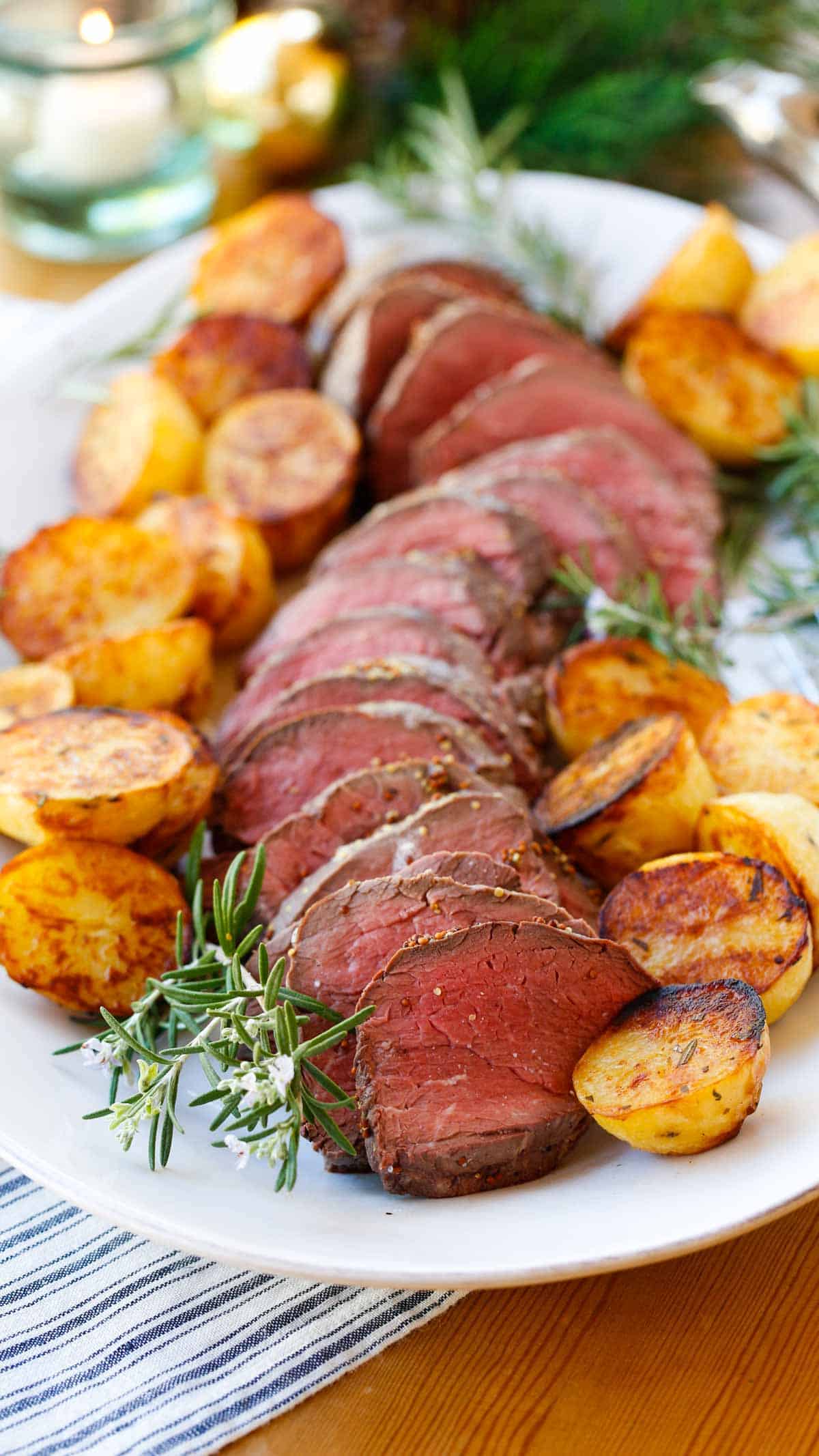 Fanning sliced tenderloin on a warm platter creates an elegant, generous presentation for guests.
Image source: entertainingwithbeth.com
Fanning sliced tenderloin on a warm platter creates an elegant, generous presentation for guests.
Image source: entertainingwithbeth.com
Frequently Asked Questions
How much beef tenderloin per person is ideal for a plated dinner?
For most adult guests, 6–8 ounces of cooked tenderloin per person is ideal. This accounts for trimming and cooking shrinkage, and pairs well with 2–3 side dishes for a balanced meal.
Do I need to adjust portions for bone-in tenderloin?
Yes. Bone-in tenderloin has 20–25% of its weight in inedible bone, so you’ll need to buy 25–30% more raw weight per person than you would for boneless tenderloin to get the same amount of cooked meat. Follow USDA FSIS beef preparation guidance for safe trimming and handling to avoid cross-contamination.
How much tenderloin do I need for 10 guests?
For 10 average adults, you’ll need ~5–6 pounds of raw untrimmed boneless tenderloin, or ~6.5–7 pounds of raw bone-in tenderloin, to account for trimming, cooking shrinkage, and a 10% buffer for seconds.
Should I buy whole or pre-trimmed tenderloin?
Buy whole untrimmed tenderloin if you have 30–45 minutes of prep time and want to save 10–15% on cost. Choose pre-trimmed tenderloin if you’re short on time or are new to prepping beef, as it’s ready to cook straight from the package.
Can I freeze raw beef tenderloin before cooking?
Yes. Wrap raw tenderloin tightly in plastic wrap and aluminum foil to prevent freezer burn, and store for up to 6 months. Thaw in the refrigerator for 24 hours per 5 pounds of meat before cooking for even results.
How do I adjust portions for big eaters?
For guests with large appetites or formal holiday meals, increase cooked portions to 8–10 ounces per person, and buy an extra ½–1 pound of raw tenderloin as a buffer for second helpings.
Conclusion
Serving the perfect portion of beef tenderloin doesn’t have to be a guessing game. By accounting for trimming loss, cooking shrinkage, and your guests’ appetites, you can buy exactly the right amount of meat to avoid waste and keep everyone satisfied. Remember to pair tenderloin with hearty, filling sides to make smaller portions feel more generous, and repurpose any leftovers into sandwiches, salads, or charcuterie spreads to get the most value out of your purchase. With these guidelines, you’ll be able to host memorable meals without the stress of running out of food or overspending on premium cuts.
Ready to elevate your next beef tenderloin meal? Check out our guide to engraving a custom cutting board for elegant, personalized serving that will impress your guests.

I’m Abby Lu, a passionate home cook who loves simplifying everyday meals. At PlugChef.com, I share product reviews and cooking guides to help you find the best tools for your kitchen.
Related posts:
 3 Shelf Hanging Closet Organizer: Maximize Your Space
 Do It Yourself Pantry Organizers: Transform Your Space
 How to Organize a Pantry With Wire Shelves: Expert Tips
 How to Organize Snacks in Pantry: Smart Tips
 Small Walk in Pantry Organization Ideas: Transform Spaces
 Under Cabinet Pot And Pan Organizer: Maximize Your Space

