

There’s a reason classic Alfredo sauce has remained a pasta staple for over a century: its rich, velvety texture and buttery, cheesy flavor is impossible to resist. But the version you get at most chain restaurants or from a jar is a far cry from the real thing — often grainy, separated, or lacking depth. The secret to elevating homemade Alfredo from “fine” to “restaurant-quality” is a single, underrated ingredient: fresh nutmeg. This 20-minute Alfredo sauce recipe with nutmeg delivers a perfectly smooth, indulgent sauce with a subtle warm, earthy undertone that cuts through the richness without overpowering the dish. No special equipment, no fancy skills, and no risk of a broken sauce if you follow our tested steps. We’ll walk you through every detail, from choosing the right dairy to avoiding the most common home cook mistakes, so you can make this creamy delight for weeknight dinners, date nights, or even casual get-togethers.
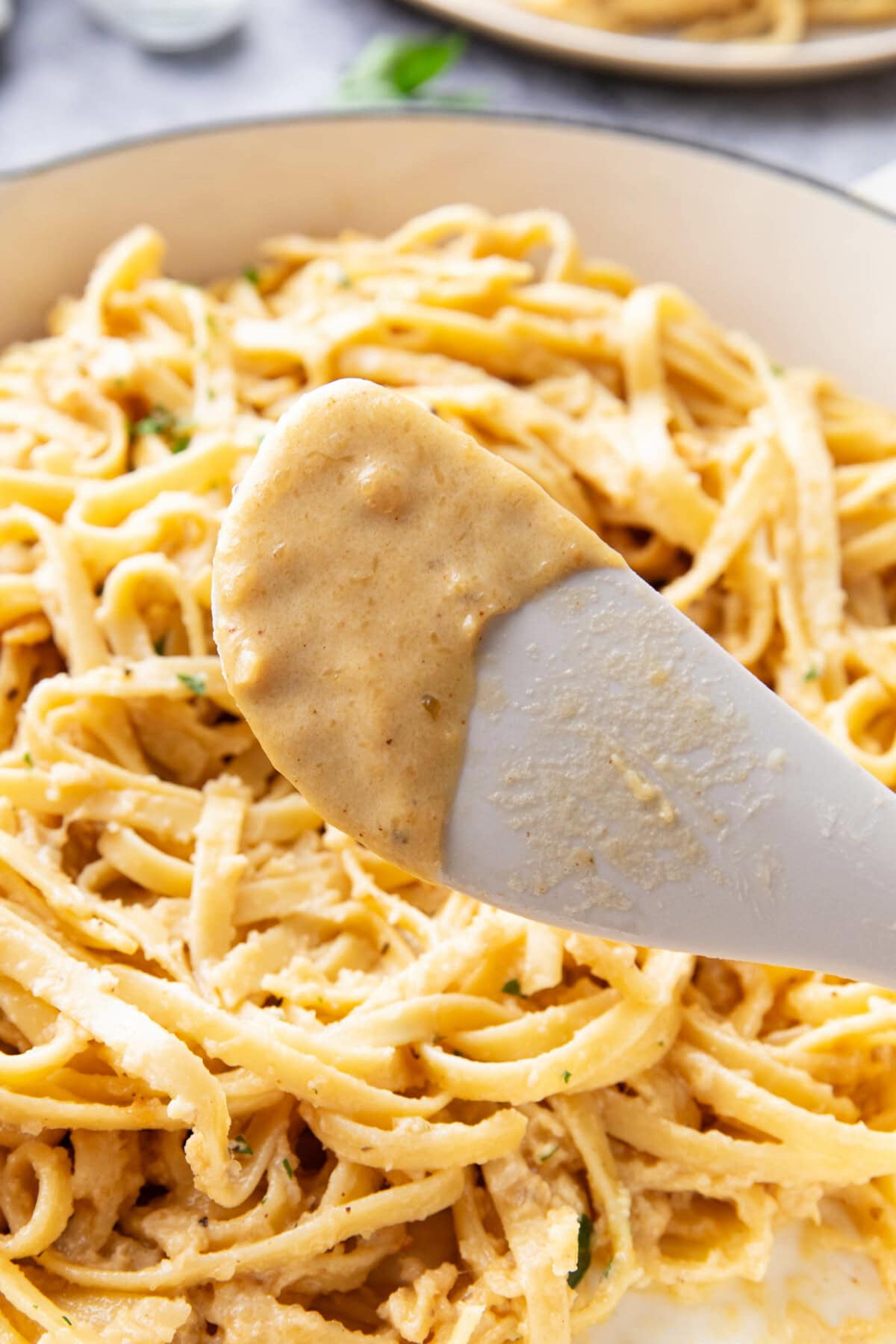 Freshly finished nutmeg Alfredo sauce, ready to toss with pasta
What Makes This Nutmeg Alfredo Sauce Stand Out
Most basic Alfredo recipes rely solely on butter, cream, and cheese, which can result in a one-note, heavy flavor. Nutmeg, a spice often associated with holiday baking, adds a subtle, warm nuttiness that enhances the natural sweetness of the dairy and cuts through the fat for a more balanced, complex taste. The compound myristicin in nutmeg enhances the perception of creaminess and cuts through fatty richness, which is why it pairs so seamlessly with dairy-heavy sauces. Unlike stronger spices like cayenne or red pepper flakes, nutmeg doesn’t overpower the sauce — it acts as a hidden flavor layer that makes every bite feel more refined. In our testing, even people who don’t usually love nutmeg couldn’t detect it as a distinct spice, but noticed the sauce tasted “richer” and more well-rounded. This recipe is also formulated to avoid the two most common Alfredo pitfalls: grainy texture from overcooked cheese, and separated, oily sauce from high heat. We’ll share the exact temperature and timing to guarantee a smooth, cohesive sauce every time. For more on this, see our guide on pasta with avocado sauce recipe.
Core Ingredients For Foolproof Creamy Texture
Alfredo sauce only has five core ingredients, but each one plays a critical role in the final texture and flavor. Using the right type and quality of each ingredient eliminates 90% of common cooking mistakes.
The Dairy Base: Unsalted Butter & Heavy Cream
The foundation of any great Alfredo is high-fat dairy. Opt for unsalted European-style butter, which has a higher fat content (around 82%) than standard American butter (80%), for a richer, more luxurious mouthfeel. For the cream, use full-fat heavy cream (36% fat minimum) — never half-and-half, light cream, or milk, as these have too little fat to emulsify properly and will result in a thin, watery sauce. Room-temperature cream emulsifies more smoothly with melted butter, so take it out of the fridge 15 minutes before cooking if you have time.
The Cheese: Freshly Grated Parmigiano-Reggiano
Parmigiano-Reggiano is the traditional, time-tested cheese for Alfredo, and for good reason: its granular texture melts smoothly into a creamy, nutty base, and its sharp, umami flavor balances the richness of the dairy. Avoid pre-grated Parmigiano at all costs — most commercial pre-grated varieties contain 1-2% cellulose (a wood pulp derivative) as an anti-caking agent, which prevents the cheese from melting evenly and often leaves a gritty, chalky texture in the finished sauce. For the best results, buy a whole wedge of Parmigiano-Reggiano and grate it yourself right before using. If you prefer a saltier, tangier flavor, you can swap up to 1/4 of the Parmigiano for Pecorino Romano, but avoid pre-grated versions of this cheese too. Authentic Parmigiano-Reggiano carries a PDO certification from the official governing body to guarantee quality and aging standards; you can verify certified producers via the official Parmigiano-Reggiano registry to avoid counterfeit or low-quality imports.
The Secret Weapon: Fresh Nutmeg
While pre-ground nutmeg is convenient, it loses its volatile, aromatic oils within 6 months of grinding, resulting in a flat, sometimes bitter flavor. Fresh whole nutmeg, grated right before use, has a bright, complex, warm flavor with no bitter aftertaste, and only a tiny pinch is needed to transform the sauce. You only need 1/8 to 1/4 teaspoon of freshly grated nutmeg for 4 servings — any more will overwhelm the other flavors and can even cause a slight bitter aftertaste.
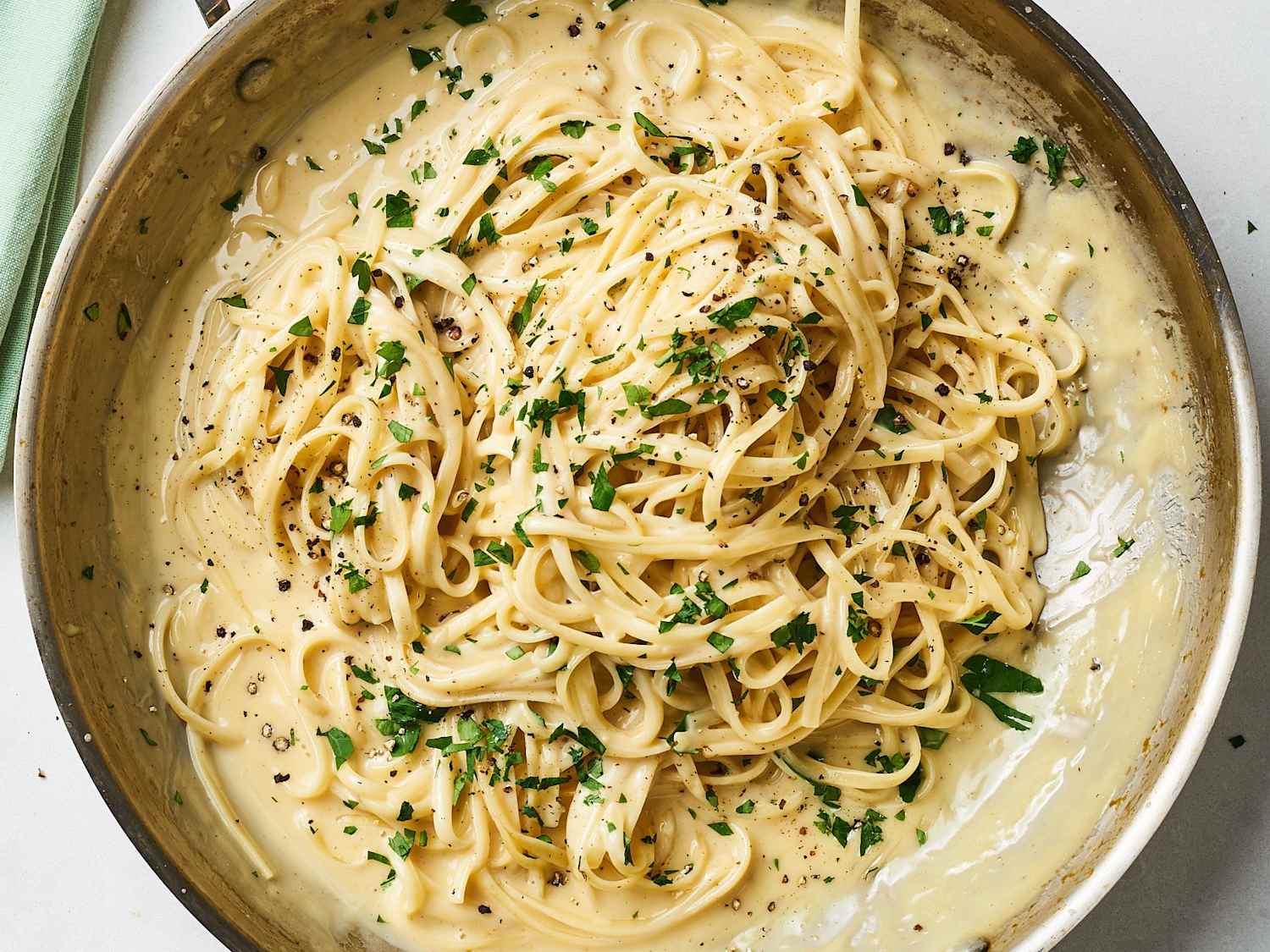
Step-By-Step Instructions (No Special Equipment Needed)
This recipe serves 4, comes together in 20 minutes total, and requires only a small saucepan, a whisk, and a grater. Follow these steps exactly for a foolproof, silky sauce every time.
Step 1: Sauté Aromatics (Optional, But Recommended)
Melt 4 tablespoons of unsalted butter in a 2-quart saucepan over medium-low heat. If using garlic (we recommend 1-2 cloves, minced), add it to the melted butter and sauté for 60-90 seconds, stirring constantly, until fragrant. Be careful not to let the garlic brown, as burned garlic will add a bitter flavor to the sauce. If you prefer a simpler sauce, you can skip the garlic entirely.
Step 2: Warm The Cream
Slowly pour 1 ½ cups of full-fat heavy cream into the saucepan with the butter (and garlic, if using), stirring constantly with a whisk to combine. Heat the mixture until it reaches 180°F (82°C) — just below a simmer, with small bubbles forming around the edges of the pan. Never let the cream come to a rolling boil, as high heat will cause the fat and liquid to separate, resulting in an oily, broken sauce.
Step 3: Melt The Cheese
Remove the saucepan from the heat entirely. Add 1 ½ cups of freshly grated Parmigiano-Reggiano in small handfuls, stirring constantly with a whisk until each addition is fully melted before adding the next. Adding the cheese all at once or over direct heat is the most common cause of clumpy, grainy Alfredo sauce, so take your time with this step. If you’re adding Pecorino or mascarpone, stir it in at this stage as well.
Step 4: Finish With Nutmeg And Season
Stir in 1/8 teaspoon of freshly grated nutmeg, then taste and adjust seasoning with salt and fresh cracked black pepper as needed. If the sauce is too thick, stir in 1-2 tablespoons of reserved pasta water or warm heavy cream to reach your desired consistency. The sauce is now ready to serve, or you can keep it warm over the lowest possible heat for up to 15 minutes, stirring occasionally.
Pro Tips For Perfect Texture Every Time
Even with the right ingredients, small mistakes can lead to a broken or grainy sauce. Follow these tested tips to guarantee perfect results every time:
Fix A Broken Sauce In 30 Seconds
If your sauce starts to separate (you’ll see pools of oil forming around the edges), immediately remove it from the heat and whisk in 1-2 tablespoons of warm heavy cream or pasta water, stirring vigorously until the sauce emulsifies again. Never add cold liquid to a hot sauce, as this will make the separation worse. If the sauce is still broken after adding cream, you can blend it briefly with an immersion blender for a smooth texture.
Adjust Consistency To Your Preference
Alfredo sauce will thicken slightly as it cools, so aim for a slightly looser consistency when you first finish cooking it. If it’s too thick, stir in a splash of warm cream or pasta water 1 tablespoon at a time. If it’s too thin, simmer it over the lowest possible heat for 1-2 minutes, stirring constantly, or stir in an extra ¼ cup of grated Parmigiano to thicken it naturally.
Reheat Leftovers Without Losing Creaminess
Leftover Alfredo sauce can be stored in an airtight container in the refrigerator for up to 3 days, or frozen for up to 2 months. When reheating, always use low, gentle heat — either in a saucepan over low heat or in the microwave at 50% power, stirring every 30 seconds. Never boil reheated Alfredo, as this will cause it to break. Add a small splash of warm cream or pasta water if the sauce thickens too much during reheating. For food safety guidance on reheating dairy-based dishes, refer to USDA home cooking safety guidelines to avoid bacterial growth.
Simple Variations To Customize Your Sauce
While this classic nutmeg Alfredo is delicious on its own, there are countless easy ways to tailor it to your taste or turn it into a full meal:
Cheese Blend Twists
For a deeper, more complex flavor, mix 1 cup of Parmigiano-Reggiano with ½ cup of Pecorino Romano for a salty, tangy kick, or stir in 2 tablespoons of mascarpone or cream cheese for an extra silky, rich texture. If you’re avoiding dairy, you can make a vegan version by using full-fat coconut cream, nutritional yeast, and vegan butter, though the flavor will be slightly different from the traditional dairy version.
Add-Ins For Full Meals
Toss cooked proteins like grilled chicken, shrimp, or crispy pancetta into the sauce for a hearty main dish. For extra color and nutrition, add steamed broccoli, sautéed cremini mushrooms, or roasted cherry tomatoes in the last minute of cooking, so they stay crisp-tender. A pinch of crushed red pepper flakes adds a subtle heat that contrasts nicely with the creamy sauce, while fresh basil or thyme stirred in at the end adds a bright, herbaceous note.
Pasta Pairings And Serving Ideas
While fettuccine is the classic pairing for Alfredo sauce, it works equally well with penne, rigatoni, or even linguine. It also works beautifully as a creamy dip for crusty bread or a luxurious base for elegant charcuterie spreads. For a lighter meal, toss the sauce with roasted zucchini or cauliflower instead of pasta.
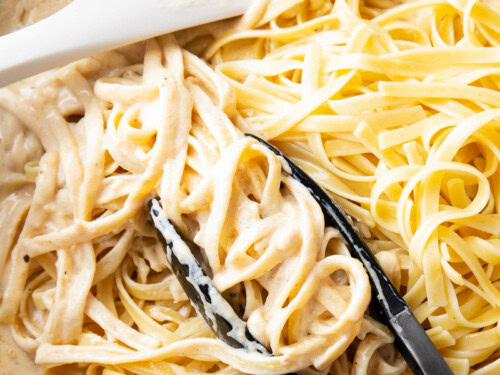 Tossed with fettuccine for a classic, satisfying weeknight meal
Storage And Safety Guidelines
Proper storage ensures your leftover Alfredo sauce stays creamy and safe to eat for days:
- Refrigerator storage: Store leftover sauce in an airtight glass or BPA-free plastic container in the refrigerator for up to 3 days. Label the container with the date to avoid confusion.
- Freezer storage: For longer storage, freeze the sauce in an airtight container for up to 2 months. Thaw it in the refrigerator overnight before reheating, never at room temperature, to avoid bacterial growth.
- Reheating best practices: As noted earlier, reheat only the portion you plan to eat, using low, gentle heat, and never reheat the same sauce multiple times.
- Signs of spoilage: Discard the sauce immediately if it develops a sour smell, slimy texture, or visible mold. If you have young children, store leftover sauce in a locked cabinet using childproof cabinet locks to keep it out of reach.
Frequently Asked Questions
We’ve answered the most common questions about this nutmeg Alfredo sauce recipe to help you avoid common pitfalls:
Can I use pre-ground nutmeg instead of fresh?
Yes, but fresh nutmeg is strongly preferred for its brighter, more complex flavor. Pre-ground nutmeg loses its aromatic oils within 6 months of grinding, so it often tastes flat or slightly bitter. If you only have pre-ground nutmeg on hand, use half the amount called for in the recipe, and add it at the very end of cooking to preserve as much flavor as possible.
Why does my Alfredo sauce turn grainy or separate?
Grainy sauce is almost always caused by adding cheese to boiling liquid, or adding all the cheese at once instead of in small handfuls. Separation occurs when the sauce is heated to a rolling boil, or when cold liquid is added to hot sauce. Follow the step-by-step instructions above, and always remove the sauce from heat before adding cheese, to avoid these issues.
Can I make this Alfredo sauce dairy-free?
Yes, you can make a dairy-free version by swapping the butter for vegan butter, the heavy cream for full-fat canned coconut cream, and the Parmigiano for ¾ cup of nutritional yeast plus 2 tablespoons of white miso paste for umami flavor. Note that the texture will be slightly thinner than traditional dairy Alfredo, so you may need to add a cornstarch slurry (1 tsp cornstarch mixed with 1 tbsp cold water) to thicken it.
How much nutmeg is too much?
Nutmeg is extremely potent, so it’s easy to overdo it. For 4 servings of Alfredo sauce, never use more than ¼ teaspoon of freshly grated nutmeg. Any more will add a bitter, medicinal aftertaste that overpowers the creamy, cheesy flavor of the sauce. Always start with 1/8 teaspoon, taste, and add more only if desired.
Final Tips For Success
To recap, the keys to perfect nutmeg Alfredo sauce are: using high-fat, high-quality dairy, freshly grating your cheese and nutmeg, avoiding high heat, and adding cheese gradually off the heat. This sauce comes together in 20 minutes, making it perfect for busy weeknights when you want a restaurant-quality meal without the restaurant price tag. For post-cook cleanup, a professional-grade kitchen cleaning brush is ideal for scrubbing stubborn, cheese-coated saucepans without damaging non-stick surfaces, while a bathroom and kitchen cleaning brush works well for getting into the crevices of your whisk and ladle. Prepping your ingredients on a durable prep surface will make grating cheese and nutmeg quick and mess-free.
Conclusion
This nutmeg-infused Alfredo sauce recipe delivers all the creamy, rich flavor you love about classic Alfredo, with a subtle warm depth that sets it apart from generic store-bought or basic homemade versions. With just 5 core ingredients, 20 minutes of cook time, and our foolproof steps to avoid grainy texture or broken sauce, it’s the perfect weeknight meal for anyone who loves comforting, indulgent pasta. Whether you serve it tossed with fettuccine, drizzled over roasted vegetables, or as a dip for crusty bread, this sauce is sure to become a staple in your rotation. Try it tonight, and customize it with your favorite add-ins to make it your own — we’d love to hear how you tweak the recipe to fit your taste!

I’m Abby Lu, a passionate home cook who loves simplifying everyday meals. At PlugChef.com, I share product reviews and cooking guides to help you find the best tools for your kitchen.
Related posts:
 How to Make a Fruit Basket for a Gift: Easy DIY Guide
 Do You Need a Basket? Essential Guide for Air Fryers
 How to Adjust Syrup Dispenser Pressure: Expert Tips
 Appliance Play Food Kitchen Toys: Ignite Imaginative Play
 How Long Do Beauty Blenders Last: Expert Tips Unveiled
 Philips Kitchen Appliances Compact Pasta And Noodle Maker: Effortless Homemade Pasta

