
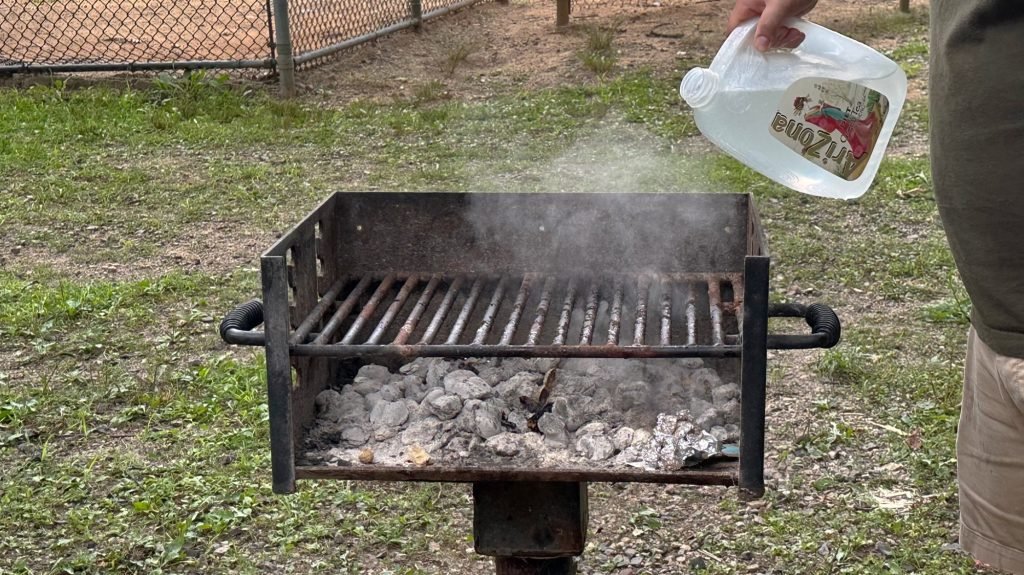
Showing up to a neighborhood cookout or park pavilion only to find a public grill caked in weeks of burnt grease, leftover food chunks, and ash buildup is a frustratingly common experience. Beyond ruining the flavor of your burgers and veggies, dirty public grills can harbor harmful bacteria like E. coli and Salmonella from raw meat juices, and built-up grease creates a major fire hazard from unexpected flare-ups. Unlike home grills that get wiped down after every use, public grills are used by dozens of people a week, so they need extra care before you cook. This guide walks you through the exact steps to clean any public grill quickly, safely, and effectively, so you can enjoy a delicious, risk-free meal every time.
Why Cleaning Public Grills Matters
Public grills see heavy, inconsistent use from hundreds of visitors, and most people skip cleaning after they cook. Leftover raw meat juices can breed harmful bacteria that transfer to your food, while caked-on grease ignites easily, causing dangerous flare-ups. Burnt-on residue also sears into your food, giving it a bitter, unpleasant flavor you can’t fix with seasoning. Taking 10 minutes to clean the grill before you cook protects your health, improves your cooking results, and leaves the space better for the next person who uses it.
Tools and Supplies You’ll Need
Having the right tools on hand makes cleaning a public grill faster, safer, and more thorough. Pack these supplies in a tote bag or cooler before you head to the park, so you’re never caught without them. Many public parks offer basic cleaning stations, but bringing your own supplies ensures you have everything you need for a deep clean.
Essential Supplies
These non-negotiable tools will handle 90% of public grill messes:
- Sturdy metal bristle grill brush (or heavy-duty scrub brush for a more bristle-safe option)
- Bucket of warm, soapy water (use mild dish soap safe for food-contact surfaces)
- Scrubbing sponge or non-abrasive pad for delicate parts
- Disposable nitrile gloves to protect your hands from grease, ash, and cleaning chemicals
- Clean microfiber cloth or paper towels for wiping and drying
- Spray bottle with white vinegar for degreasing and rust removal
- Heavy-duty trash bag for disposing of debris and used wipes
Optional Accessories
These extras make the process easier, especially for heavily used or large grills:
- Long-handle cleaning tool for reaching the back of large grills without straining your back
- Heat-resistant gloves for handling warm grates during cleaning
- Safety goggles to protect your eyes from splashing cleaner or loose ash
- Baking soda for paste to tackle stubborn stuck-on residue
- Small putty knife for scraping debris out of burner ports
- Portable thermometer to check that the grill reaches a safe cooking temperature after cleaning
- Compact portable cleaning kit for frequent park trips, which fits easily in a cooler or tote bag
Pre-Cleaning Safety and Preparation
Skipping prep can lead to burns, damaged grill parts, or even food contamination. Follow these steps to set yourself up for a safe, effective clean before you start scrubbing.
Public Space Safety Protocols
- Confirm the grill is fully cool to the touch before touching any parts – a grill used less than an hour prior can still cause serious third-degree burns. If you’re unsure, wait an extra 15 minutes or test the grate with the back of your hand.
- Alert other visitors nearby that you’re cleaning the grill to avoid accidental contact with cleaning supplies or hot surfaces.
- Wear nitrile gloves and eye protection at all times to avoid exposure to grease, ash, and cleaning chemicals.
- Never leave cleaning tools or supplies unattended, as they pose a hazard to children, pets, or other park visitors.
Removing Grates and Removable Parts
Carefully lift out the grill grates, ash pan, drip tray, and any other removable components. Place them in a large tub or the bucket of warm, soapy water you brought to soak for 15-30 minutes – this loosens caked-on grime and cuts your scrubbing time in half. Take a quick photo of the grill interior before removing parts if you’re worried about forgetting how to reassemble them later. If you’re cleaning a gas grill, double-check that the gas line is disconnected before handling any parts to avoid leaks.
Step-by-Step Grill Grate Cleaning
Grill grates are the most important part to clean, as they come into direct contact with your food. Caked-on grease and burnt residue not only ruin flavor but can also harbor bacteria.
Pre-Heat to Loosen Residue
If the grates have heavy, stuck-on debris, turn the grill to high for 2-3 minutes before scrubbing. The high heat will char and loosen burnt food bits, making them far easier to scrape off. Let the grates cool for 5 minutes after pre-heating before handling to avoid burns.
 Pre-heating for 2-3 minutes loosens stubborn burnt-on debris without extra scrubbing effort
Soak and Scrub Grates
After soaking the grates in warm, soapy water for 15-30 minutes, use a metal bristle grill brush to scrub each bar individually, focusing on areas with heavy buildup. For heavily used public grills, you may need to apply a paste of baking soda and water to tough spots, let sit for 5 minutes, then scrub again. For hard-to-reach crevices between grate bars, a soap-dispensing scrub brush lets you apply degreaser directly without making a mess. Rinse the grates thoroughly with clean water to remove all soap and debris, then wipe dry with a clean cloth.
 A wire brush is the most effective tool for removing caked-on grease from grill grates
Note: While metal bristle brushes are highly effective, the FDA has warned that loose bristles can break off and embed in food, causing internal injuries. Inspect your brush regularly for worn bristles, and opt for a nylon bristle brush if you clean public grills frequently. For more guidance on safe grilling practices, refer to FDA outdoor grill safety guidance.
A wire brush is the most effective tool for removing caked-on grease from grill grates
Note: While metal bristle brushes are highly effective, the FDA has warned that loose bristles can break off and embed in food, causing internal injuries. Inspect your brush regularly for worn bristles, and opt for a nylon bristle brush if you clean public grills frequently. For more guidance on safe grilling practices, refer to FDA outdoor grill safety guidance.
Tackle Stubborn Burnt-On Spots
For residue that won’t budge with a brush, apply a paste of equal parts baking soda and white vinegar, let sit for 10 minutes, then scrub with a wire brush. For extra-tough buildup, you can reheat the grill on low for 5 minutes after applying the paste to help break down grime. Avoid using harsh oven cleaner or degreasers not rated for food-contact surfaces, as they can leave toxic residue that sears into your food during cooking. A common mistake many people make is using oven cleaner on public grills, which leaves toxic residue that sears into food during cooking – stick to mild dish soap and natural degreasers for food-safe results.
Cleaning the Grill Interior
The inside of the grill accumulates ash, grease, and food particles that can cause flare-ups, uneven heating, and off-flavors if left uncleaned.
Remove Ash and Debris
Use a small metal scoop or ash pan (if the grill has one) to remove all loose ash from the bottom and sides of the grill interior. For charcoal grills, make sure all coals are fully extinguished and cold before disposing of them in a designated metal trash receptacle – never dump hot coals or ash on the ground or in plastic bins, as this can cause fires or damage public green spaces. Avoid pushing ash into the grill’s air vents, as this can block airflow and cause uneven heating during your cook.
Degrease Interior Surfaces
Wipe down all interior walls, the bottom of the grill, and the burner area with a cloth dipped in warm, soapy water. For greasy spots, spray directly with white vinegar to cut through grease before wiping. For hard-to-reach corners, use a small scrub brush to apply degreaser directly without making a mess. Rinse the cloth with clean water and wipe all surfaces again to remove soap residue, then dry thoroughly with a clean towel to prevent rust.
Clean Burners and Vents
If the grill has accessible gas burners (for gas public grills), use a small wire brush or toothbrush to clear any debris out of the burner ports. Clogged ports can cause uneven flames or failed ignitions, which are a major safety hazard. Make sure no water or cleaning solution gets inside the gas line or burner assembly – if you spill liquid near these parts, wipe it up immediately and let the area dry completely before reassembling.
Cleaning the Grill Exterior
A clean exterior not only looks better for all park visitors but also prevents rust and damage that can shorten the grill’s lifespan.
Wash and Polish Surfaces
Start by wiping away loose dirt, pollen, and debris with a dry soft cloth. Mix warm water with a few drops of mild dish soap, and use a sponge to wipe down the entire exterior of the grill. Avoid harsh abrasive cleaners or steel wool, as these can scratch the finish of stainless steel or painted surfaces. Rinse the sponge with clean water and wipe the grill again to remove all soap residue, then dry thoroughly with a clean microfiber cloth. For stainless steel grills, apply a small amount of metal polish with a soft cloth in circular motions to restore shine and remove minor water spots or stains.
Remove Minor Rust and Stains
If you spot small rust spots on the exterior or grate edges, scrub the area with a paste of baking soda and water, let sit for 10 minutes, then wipe away with a damp cloth. For heavier rust, use a commercial rust remover rated for food-contact surfaces, and rinse thoroughly multiple times to remove all chemical residue. Avoid sanding rust off if you’re not familiar with the grill’s material, as you can damage the protective coating and cause rust to spread faster.
 Regular exterior cleaning and polishing prevents rust and keeps public grills looking well-maintained for all users
Reassembly and Final Safety Check
Proper reassembly ensures the grill works safely and efficiently for the next user, and a quick test run catches any issues before you start cooking.
Reinstall Parts Correctly
Place all cleaned grates, ash pans, drip trays, and burner parts back into their original positions, making sure they seat fully and don’t wobble. If you took photos before disassembly, reference them to make sure you haven’t mixed up parts. For gas grills, double-check that the gas line is fully reconnected and tightened before moving on to the test run. If any parts are loose or damaged, notify park staff before using the grill to avoid safety hazards.
Perform a Test Run
Turn the grill to high and let it heat for 10-15 minutes to burn off any remaining soap residue or loose debris. Watch the flames as it heats: uneven flames or yellow tips indicate clogged burner ports that need to be cleared again. If you smell gas (for gas grills), turn the grill off immediately and notify park staff, as this indicates a leak. Once the grill passes the test, it’s safe to use for cooking. To avoid foodborne illness, always cook meat to the USDA’s recommended internal temperatures when using a shared public grill USDA grilling food safety tips.
Post-Cleaning Public Etiquette
Cleaning a public grill isn’t just about your own cooking experience – it’s about being a good neighbor to other park visitors. After you finish cooking and cleaning the grill:
- Dispose of all ash, coals, food waste, and used wipes in a designated public trash receptacle – never leave debris on the ground or in green spaces.
- Wipe down your cleaning tools and pack away all supplies so other visitors can use the cleaning station if available.
- Give the grill a quick wipe-down with a damp cloth after you cook to remove fresh grease and food residue, making it easier for the next person to clean.
- If you notice any damage to the grill (cracked grates, broken burners, significant rust), notify park staff so they can repair or replace it before the next use.
Maintenance Tips for Long-Term Grill Care
While individual users can only do so much for public grills, following these tips will help keep the grill in good condition for everyone:
Regular Cleaning Schedule
If you use public grills frequently:
- Do a quick pre-use scrub of the grates with a wire brush every time you cook to remove fresh residue.
- Wipe down the interior and exterior with a damp cloth after each use to prevent grease buildup.
- Do a full deep clean of the grates and interior every 1-2 months if you’re a regular user, to tackle buildup that other visitors leave behind.
Rust and Damage Prevention
- Always dry the grill thoroughly after cleaning, as moisture is the main cause of rust on outdoor grills.
- If you also maintain a home grill, an automated scrubber can cut deep cleaning time by half, making routine maintenance far less tedious.
- Report any significant rust, cracked parts, or broken burners to park staff immediately to avoid safety hazards for other users.
- If you’re part of a community group that maintains local park grills, schedule a full deep clean and inspection every 3 months to extend the grill’s lifespan.
Frequently Asked Questions
How often should I clean a public grill before using it?
Always do a quick pre-use scrub of the grates and a wipe-down of the interior before cooking, even if the grill looks clean. For grills that are used heavily (like at popular parks or community pavilions), do a full deep clean of the grates and interior every 1-2 months if you’re a regular user.
Can I use a wire brush on a public grill? Are there safety risks?
Yes, wire brushes are the most effective tool for removing caked-on grease and burnt residue, but inspect the brush before use to make sure no bristles are loose. Loose metal bristles can break off and embed in food, causing serious internal injuries, per FDA warnings. If your brush has worn bristles, opt for a nylon bristle brush instead.
Is mild dish soap safe to use on public grills?
Yes, mild, fragrance-free dish soap safe for food-contact surfaces is perfectly safe to use on grill grates and interior surfaces. Avoid harsh oven cleaners, degreasers, or bleach, as these can leave toxic residue that sears into your food during cooking. Always rinse all surfaces thoroughly with clean water after using soap to remove all residue.
How do I remove tough, caked-on grease from a public grill?
For heavy grease buildup, pre-heat the grill on high for 2-3 minutes to loosen the grease, then scrub with a wire brush and a paste of baking soda and white vinegar. Let the paste sit for 10 minutes before scrubbing, and repeat if necessary. For extremely stubborn buildup, you can use a commercial degreaser rated for food-contact surfaces, but rinse thoroughly multiple times to remove all chemical residue.
Can I use oven cleaner or harsh chemicals on a public grill?
No. Oven cleaner and harsh chemical degreasers are not rated for food-contact surfaces, and they can leave toxic residue that sears into your food during cooking, leading to illness. Stick to mild dish soap, baking soda, and white vinegar for all public grill cleaning, as these are food-safe and just as effective for most messes.
What should I do if the public grill has significant rust damage?
If the grill has deep rust that flakes off when scrubbed, or rust on the burners or gas lines, do not use it. Notify park staff immediately so they can repair or replace the grill. Using a rusted grill can lead to metal flakes in your food, and damaged gas lines pose a major fire and explosion hazard.
Is it okay to leave cleaning supplies at a public grill for other users?
Only if the park has a designated cleaning station for shared supplies. Never leave personal cleaning tools or chemicals unattended at a public grill, as they can be a hazard for children, pets, or other visitors who may not know how to use them safely.
Conclusion
Cleaning a public grill before you cook is a small effort that pays off in safer, tastier meals and a better experience for all park visitors. By following these steps, you’ll eliminate harmful bacteria, prevent dangerous flare-ups, and avoid off-flavors from burnt residue, all while leaving the grill in better shape for the next person. Keep a small cleaning kit in your car for quick park trips, and share these steps with your grilling crew to make every cookout a success. For more tips on outdoor cooking, kitchen tool care, and food safety, browse our full maintenance guide library for step-by-step tutorials on everything from grill cleaning to charcuterie board prep.

I’m Abby Lu, a passionate home cook who loves simplifying everyday meals. At PlugChef.com, I share product reviews and cooking guides to help you find the best tools for your kitchen.
Related posts:
 How to Make a Fruit Basket for a Gift: Easy DIY Guide
 Mesh Desk Organizer With Sliding Drawer: Maximize Efficiency
 Decorative Woven Baskets for Wall: Transform Your Space
 Rubbermaid Large Dish Drying Rack: Ultimate Kitchen Solution
 Gray Kitchen With Stainless Steel Appliances: Modern Elegance
 Appliance Play Food Kitchen Toys: Ignite Imaginative Play

