

Are you craving a breakfast that’s quick, delicious, and a little bit different? Imagine biting into a warm, crispy waffle wrapped around fluffy eggs and melted cheese.
The Waffle Egg and Cheese Sandwich is exactly that – a perfect mix of sweet, savory, and satisfying. Whether you’re rushing out the door or enjoying a slow morning, this sandwich will grab your attention and keep you coming back for more.
Ready to discover how easy it is to make your mornings tastier? Keep reading, because your new favorite breakfast is just a few steps away.
Waffle Egg And Cheese Sandwich Basics
The Waffle Egg and Cheese Sandwich is a simple, tasty breakfast treat. It combines crispy waffles with warm eggs and melted cheese. This sandwich is quick to make and perfect for busy mornings.
Understanding the basics helps you create a delicious sandwich every time. Knowing the key ingredients and easy preparation steps makes the process smooth.
Key Ingredients
- Waffles – homemade or store-bought
- Eggs – cooked to your liking
- Cheese – cheddar, American, or your favorite type
- Butter or oil – for cooking eggs and toasting waffles
- Salt and pepper – for basic seasoning
Simple Preparation Steps
- Cook waffles until golden and warm.
- Fry or scramble eggs with a little butter.
- Place cheese on hot eggs to melt slightly.
- Assemble sandwich by layering eggs and cheese between waffles.
- Serve immediately for the best taste and texture.

Credit: fantabulosity.com
Choosing The Right Waffle
Choosing the right waffle can make or break your waffle egg and cheese sandwich. The waffle is more than just a bread substitute; it sets the tone for every bite you take. Picking the perfect waffle means considering both the type and how its texture and flavor will complement the egg and cheese.
Types Of Waffles
Waffles come in many shapes and styles, but some work better than others for sandwiches. Classic Belgian waffles are thick and fluffy, offering a soft bite that holds fillings well without overpowering them. On the other hand, thin and crispy Liege waffles bring a sweet, caramelized crunch that adds an exciting contrast to savory eggs and melty cheese.
Think about your preference: do you want a waffle that soaks up the egg yolk or one that adds a crunchy texture? You could also try whole wheat or gluten-free options if you’re after a healthier or allergen-friendly choice.
Texture And Flavor Tips
The waffle’s texture impacts how your sandwich feels in your mouth. A crispy exterior with a tender inside creates a delightful balance. Avoid waffles that are too dense; they can make the sandwich heavy and less enjoyable.
Flavor plays an essential role too. Slightly sweet waffles pair beautifully with sharp cheddar or spicy pepper jack cheese. If your waffle is plain, consider adding herbs or spices to the batter for an extra flavor boost. Have you experimented with adding cinnamon or garlic powder to your waffle mix? These subtle tweaks can elevate the entire sandwich experience.
Egg Options For Your Sandwich
Choosing the right egg style elevates your waffle egg and cheese sandwich. Eggs are versatile, offering different textures and flavors. Let’s explore how you can enhance your sandwich with eggs.
Scrambled Vs Fried
Scrambled eggs bring a soft, creamy texture. They’re easy to make and soak up flavors well. Their fluffy nature pairs delightfully with crispy waffles.
Fried eggs introduce a contrasting texture. The runny yolk adds richness and depth. A firmer white provides a satisfying bite.
Adding Herbs And Spices
Herbs and spices can transform your eggs. Try adding fresh chives for a mild onion flavor. Basil brings a sweet, aromatic touch.
For a spicy kick, sprinkle some paprika or cayenne. These spices add warmth without overwhelming the dish.
Experiment with your favorite herbs and spices. They elevate the taste and make your sandwich unique.
Cheese Varieties That Work Best
Choosing the right cheese can make or break your waffle egg and cheese sandwich. The cheese you pick affects texture, flavor, and even how easy it is to eat. Knowing which varieties melt well and pair nicely with eggs and waffles can take your sandwich from good to unforgettable.
Melting Qualities
Some cheeses melt into creamy, gooey perfection, while others stay firm or get oily. Cheeses like American, cheddar, and mozzarella excel at melting smoothly, creating that satisfying stretch and softness you want in each bite.
Swiss and provolone also melt well but offer a bit more texture and a different taste profile. Avoid crumbly or aged cheeses like feta or parmesan if you want a smooth melt, though sprinkling a little parmesan on top can add a sharp finish.
Flavor Pairings
The flavor of your cheese should complement the mild egg and the sweet, crispy waffle. Sharp cheddar brings a bold, tangy kick that contrasts nicely with sweetness.
Mild cheeses like mozzarella or Monterey Jack let the waffle’s flavor shine, creating a balanced bite. If you enjoy a smoky taste, smoked gouda or pepper jack can add exciting depth without overpowering the sandwich.
What flavor combo surprises you the most? Try blending two cheeses for a creamy yet flavorful experience—melty cheddar with a sprinkle of pepper jack adds both smoothness and a hint of spice.
Creative Add-ons And Toppings
Adding creative toppings and extras to your waffle egg and cheese sandwich can completely transform the experience. It’s not just about piling on ingredients; it’s about balancing flavors and textures that excite your taste buds with every bite. What new combination will make your sandwich unforgettable today?
Savory Extras
Think beyond the classic bacon and sausage. Crispy avocado slices bring a creamy texture without overpowering the sandwich. A handful of fresh arugula adds a peppery bite that cuts through the richness of the cheese and egg.
Spicy elements like jalapeño slices or a smear of sriracha mayo can wake up your palate and add some heat. Don’t forget the umami punch of caramelized onions or sun-dried tomatoes—they add depth and complexity.
- Grilled mushrooms for earthiness
- Smoked ham for a salty twist
- Sharp cheddar or pepper jack cheese for extra flavor
- Fresh herbs like chives or basil for brightness
Sweet Twists
Sweet toppings might sound unusual on a savory sandwich, but they add a surprising harmony. A drizzle of honey or maple syrup complements the saltiness of the cheese and egg, creating a delightful contrast.
Try spreading some fruit preserves like apricot or fig jam for a touch of sweetness that pairs beautifully with the waffle’s slight crispiness. Thin slices of apple or pear add a refreshing crunch and subtle sweetness.
- Cinnamon sugar dusted on the waffle
- Fresh berries for a juicy pop
- Nut butters like almond or peanut for richness
- Toasted nuts for texture and flavor depth
Which sweet or savory add-on will you try first? Sometimes mixing unexpected flavors creates the best sandwich memories.

Credit: www.youtube.com
Cooking Tips For Perfection
Mastering the Waffle Egg and Cheese Sandwich means paying close attention to details that affect taste and texture. Small adjustments in cooking can change your sandwich from good to unforgettable. Let’s look at how timing, temperature, and clever assembly can help you get the perfect bite every time.
Timing And Temperature
Cooking the waffle just right starts with temperature control. Set your waffle iron to medium-high heat so the outside crisps up without burning, while the inside stays soft and warm.
For the egg, cook it on medium heat. Too high, and the edges get rubbery; too low, and it won’t set properly. Keep an eye on it to avoid overcooking, as a tender yolk adds richness.
Cheese melts best when added just before the egg finishes cooking. This gives you that gooey, melty texture without turning the sandwich soggy. Have you noticed how timing cheese placement affects meltiness?
Assembly Tricks
- Layer with purpose:Place the cheese directly on the hot egg to melt it evenly.
- Use a spread:Adding a thin layer of butter or mayo on the waffle helps prevent sogginess and adds flavor.
- Press gently:After assembling, press the sandwich lightly with a spatula to bind everything together without squashing the waffle’s crispness.
- Let it rest:Give your sandwich a minute before taking a bite. This lets the flavors meld and the cheese set slightly for cleaner bites.
Have you ever tried flipping the waffle sandwich in the pan for a quick reheat? It crisps up the outside and warms the inside evenly. Experiment with these tricks, and you might find your new favorite way to enjoy this classic.
Serving Suggestions
Serving a waffle egg and cheese sandwich opens up many tasty possibilities. The right sides and drinks can turn a simple sandwich into a full, satisfying meal. Think about what flavors you want to highlight or balance when planning your plate and glass.
Side Dishes
Pair your sandwich with sides that add texture and freshness. A crisp green salad with a light vinaigrette adds a refreshing contrast to the warm, cheesy sandwich.
Sweet potato fries or seasoned potato wedges bring a comforting crunch and a hint of sweetness. If you want something lighter, fresh fruit like berries or melon chunks can balance the savory flavors nicely.
Are you craving something warm? Try a bowl of tomato soup or a simple vegetable broth. These options complement the sandwich without overwhelming your palate.
Beverage Pairings
Choosing the right drink enhances the overall experience of your waffle egg and cheese sandwich. A cold glass of freshly squeezed orange juice offers a bright, citrusy lift that cuts through the richness.
If you prefer something warm, a cup of black coffee or herbal tea can be perfect. The bitterness of coffee contrasts well with the sandwich’s creamy cheese and egg.
For a brunch twist, a light sparkling water infused with lemon or cucumber refreshes your taste buds between bites. What drink would you pick to make your meal feel complete?
Healthier Variations
Making your waffle egg and cheese sandwich healthier doesn’t mean you have to sacrifice flavor or satisfaction. Small tweaks to the ingredients can reduce calories and fit dietary needs without losing the comfort of this classic treat. Let’s look at some simple swaps that keep your sandwich both delicious and nourishing.
Low-calorie Ingredients
Choosing lower-calorie ingredients can make a big difference in your daily intake. Swap regular waffles for ones made with almond flour or oat flour to cut down on carbs and calories.
Instead of traditional cheese, try a slice of reduced-fat cheese or a sprinkle of nutritional yeast for that cheesy flavor with fewer calories. Using egg whites or a mix of whole eggs and egg whites also lowers fat and calorie content while keeping protein high.
Do you ever wonder how just a few ingredient changes can transform a meal? Try adding fresh veggies like spinach or tomatoes to boost nutrients without extra calories.
Gluten-free Options
If gluten is a concern, you don’t have to miss out on your favorite sandwich. Gluten-free waffles made from rice flour, buckwheat, or coconut flour work perfectly as a base.
Look for gluten-free cheese and double-check that any seasoning or sauce you add is also free from gluten. Cooking your eggs fresh at home ensures no hidden gluten sneaks in.
Have you tried making a gluten-free waffle sandwich at home? It’s easier than you think and opens up a whole new world of tasty, safe options for those with gluten sensitivity.
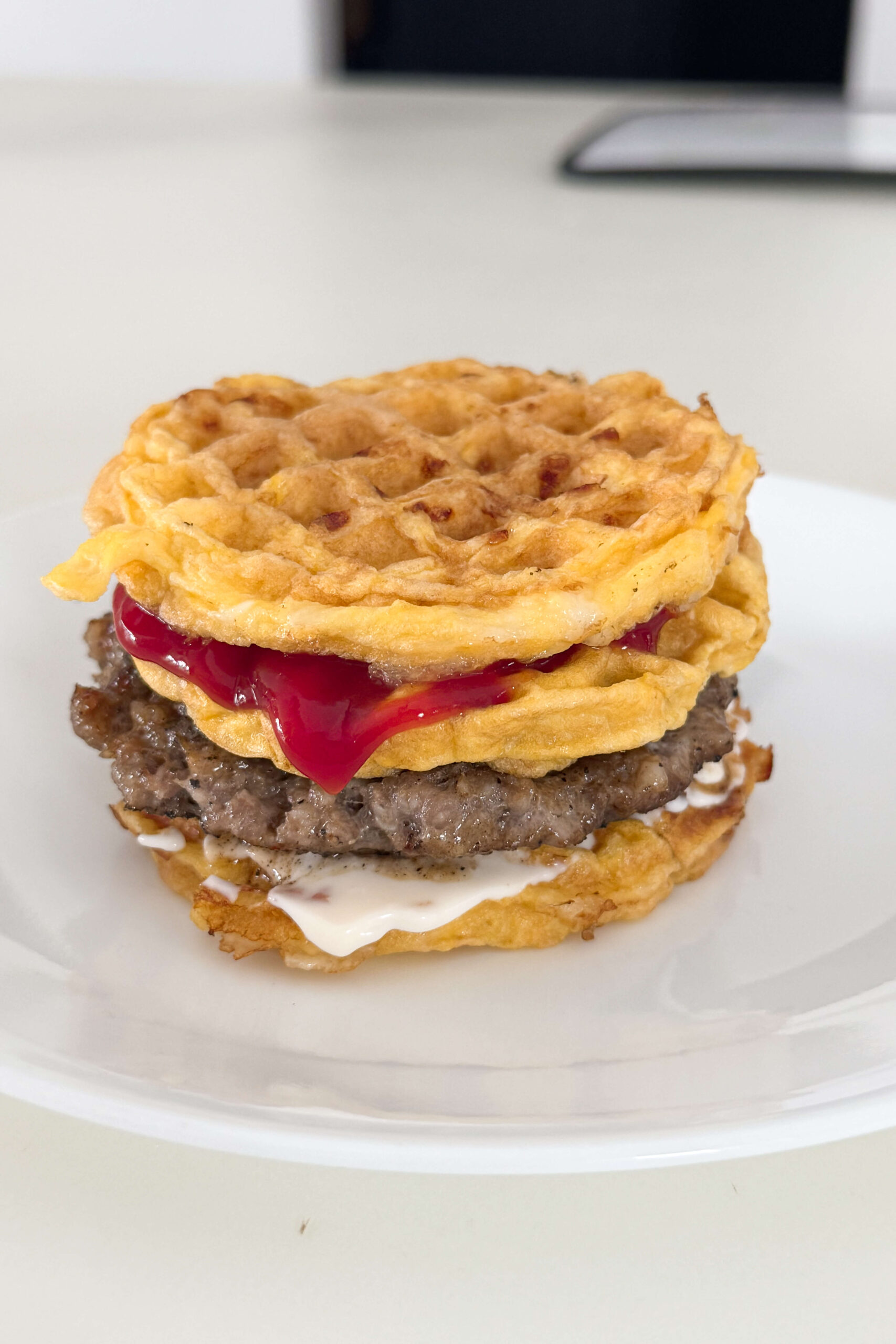
Credit: crystelmontenegrohome.com
Frequently Asked Questions
What Ingredients Are Needed For A Waffle Egg And Cheese Sandwich?
You need waffles, eggs, cheese, butter, salt, and pepper. Optional ingredients include bacon, ham, or avocado for extra flavor.
How Do You Cook The Perfect Egg For This Sandwich?
Cook eggs sunny-side up or scrambled. Use low heat to avoid overcooking. Season with salt and pepper for taste.
Can I Make A Waffle Egg And Cheese Sandwich Vegetarian?
Yes, omit meat like bacon or ham. Add veggies such as spinach, tomato, or avocado for a tasty vegetarian option.
How Do You Reheat A Waffle Egg And Cheese Sandwich?
Reheat in a toaster oven or skillet on medium heat. Avoid microwaving to keep waffles crispy and eggs tender.
Conclusion
Waffle egg and cheese sandwiches make a tasty breakfast treat. They combine soft eggs, melted cheese, and crispy waffles perfectly. You can make them quickly at home with simple ingredients. Try adding your favorite toppings to make it special. This sandwich keeps mornings easy and delicious.
Give it a try and enjoy a warm, filling meal. Simple, fast, and satisfying—what more could you want?

Hi, I’m Daniel Brooks—a food lover and kitchen gear enthusiast. I enjoy testing cookware, utensils, and gadgets to see what really works in everyday cooking. At PlugChef.com, I share honest reviews, comparisons, and simple guides to help you choose the best tools for a safer, smarter, and more enjoyable kitchen.
Related posts:
 What Type of Cooking Utensils are Safe: Expert Picks
 What Innovations Could Blenders Make: Unleashing Future Tech
 Smart Strategies to Organize a Small Kitchen: Maximize Space
 How to Organize a Kitchen Cabinet: Expert Tips & Tricks
 How to Organize Kitchen Drawers: Expert Tips and Tricks
 How to Organize a Corner Kitchen Cupboard: Expert Tips

