
Keeping white mushrooms fresh changes the texture and flavor of every meal. This guide gives clear, practical steps — from how to pick mushrooms at the store to the best short- and long-term storage techniques, troubleshooting, and safety pointers so your mushrooms stay firm and flavorful as long as possible.
Quick overview — what works best
- Short-term (ready-to-use): store whole, unwashed mushrooms in a paper bag in the refrigerator — 5–7 days is typical.
- Longer refrigeration: breathable container or perforated bag with a paper towel; check every 2–3 days.
- Long-term storage: blanch or sauté, then freeze; frozen mushrooms are best used in cooked dishes.
- Avoid sealed plastic bags or airtight containers for fresh mushrooms unless you’re controlling humidity and checking frequently.
(For general food-storage safety and refrigeration guidance, see the USDA’s food safety resources at https://www.usda.gov.)
Choosing fresh white mushrooms (what to buy and why it matters)
Buy the freshest mushrooms you can find — freshness at purchase greatly extends fridge life.
How to spot fresh white mushrooms:
- Caps: smooth, firm, not wrinkled or sunken.
- Color: consistent white or off-white with no dark or greenish patches.
- Stems: solid, not slimy or mushy; a slightly dry cut end is normal.
- Smell: mild, earthy scent; reject mushrooms with sour, strong, or musty odors.
- Packaging: avoid wet or condensation-soaked containers.
A common mistake is buying mushrooms already damp or in sealed plastic with condensation — that moisture speeds spoilage. In practice, choose mushrooms with dry surfaces and minimal handling marks.

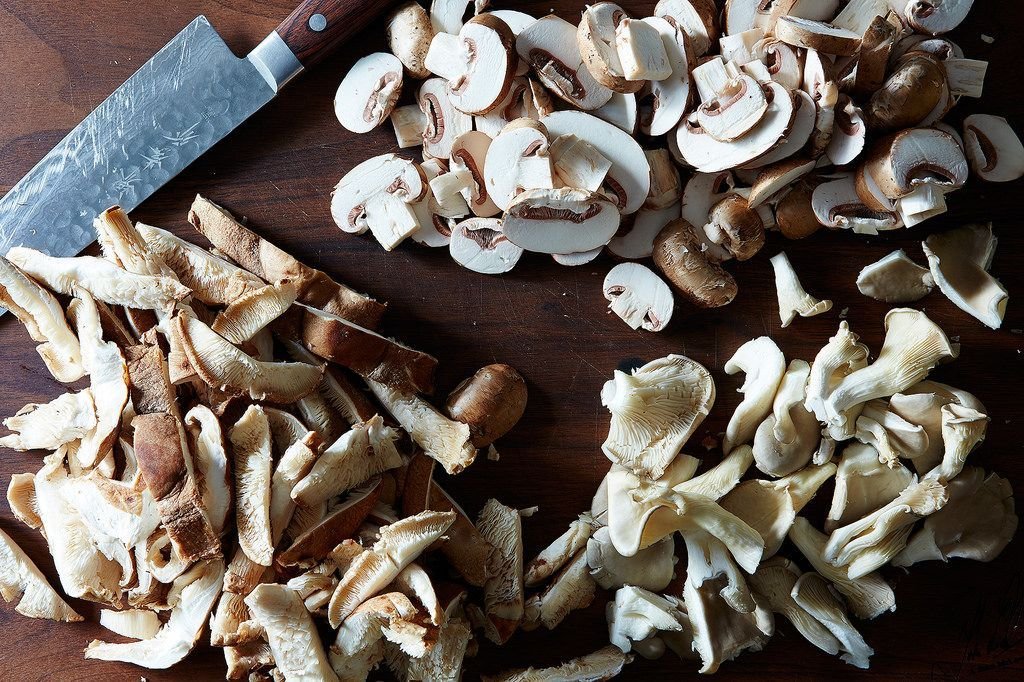
Credit: food52.com
Preparing mushrooms for storage (cleaning and trimming)
Handle mushrooms gently — they’re porous and fragile.
Step-by-step cleaning:
- Leave mushrooms whole when possible. Whole mushrooms keep longer than sliced.
- Remove visible dirt with a soft brush, a dry paper towel, or a very lightly damp cloth. Avoid soaking.
- If you must rinse, do it quickly under cold running water and pat completely dry with paper towels before storing.
- Trim only the dirty or dry ends of stems — cutting too much exposes more surface area and speeds moisture loss.
Why not wash them all at once? Mushrooms absorb water; excess moisture promotes spoilage and sliminess. In practice, clean only immediately before cooking when possible.
Refrigerator storage fundamentals: temperature and humidity
White mushrooms prefer cool, slightly humid, but ventilated conditions.
- Temperature: store in the main refrigerator compartment where temperatures are stable. Avoid the door (temperature fluctuates).
- Humidity and airflow: mushrooms need humidity to avoid drying but must be able to breathe. That balance is why breathable storage is best.
For additional handling and storage recommendations for produce and refrigerated foods, university extension pages provide practical guidance; see general university extension advice at https://extension.umn.edu.
Best short-term fridge methods (step-by-step)
Paper bag method — simplest and often most reliable
- Place unwashed, whole mushrooms in a paper bag. Lay a folded paper towel inside if mushrooms seem slightly damp.
- Fold the top of the bag loosely; do not seal tightly.
- Store in the main fridge compartment or crisper drawer.
- Check every 2–3 days, replace paper towel if wet.
- Typical result: 5–7 days of good-quality mushrooms.
Breathable container method — good for storage organization
- Use a container with vents or leave the lid slightly ajar; line the bottom with a paper towel.
- Arrange mushrooms in a single layer if possible; don’t stack heavily.
- Replace paper towel if it becomes damp.
- This method reduces contact with other fridge odors and keeps mushrooms visible for inspection.
Original packaging — when to keep it
- If purchased in a ventilated clamshell with no condensation, you can keep them in that container and transfer to a paper bag if moisture appears.
- If the pack is wet or sealed plastic with condensate, move them to a paper bag immediately.
Storage mistakes to avoid:
- Sealing fresh mushrooms in airtight plastic: traps moisture and causes sliminess or mold.
- Washing before storing: increases moisture and shortens life.
- Leaving mushrooms in direct light or too warm areas of the fridge.
Storing sliced or cooked mushrooms
- Sliced raw mushrooms spoil faster than whole ones. If you must slice for storage, keep them in a partially open container lined with paper towels and use within 1–3 days.
- Cooked mushrooms: cool completely, then refrigerate in shallow airtight containers. Consume cooked mushrooms within 3–4 days.
In practice, if you plan to use mushrooms raw in salads, buy a little less or keep them whole until ready to use.

Credit: www.youtube.com
Freezing white mushrooms — two reliable options
Freezing preserves mushrooms for long-term use, but texture changes make them best for cooked dishes.
Preparation basics (choose one method):
A — Blanch then freeze (best for texture)
- Clean and slice or halve mushrooms for even size.
- Bring a pot of water to a rolling boil. Add mushrooms:
- Slices/halves: blanch 1–2 minutes.
- Whole small mushrooms: 2–3 minutes.
- Immediately transfer to ice water to stop cooking; drain thoroughly.
- Pat dry, spread in a single layer on a baking sheet, freeze until solid (flash-freeze).
- Transfer to airtight freezer bags or containers, remove excess air, label with date.
B — Sauté then freeze (best flavor after thawing)
- Clean and slice mushrooms.
- Sauté in a skillet with a little oil or butter until most moisture evaporates — about 4–6 minutes.
- Cool and freeze flat on a tray, then transfer to freezer bags or containers.
Tips:
- Flash-freezing prevents clumping.
- Frozen mushrooms are best used in soups, stews, casseroles, sauces, or stir-fries.
- Do not refreeze thawed mushrooms.
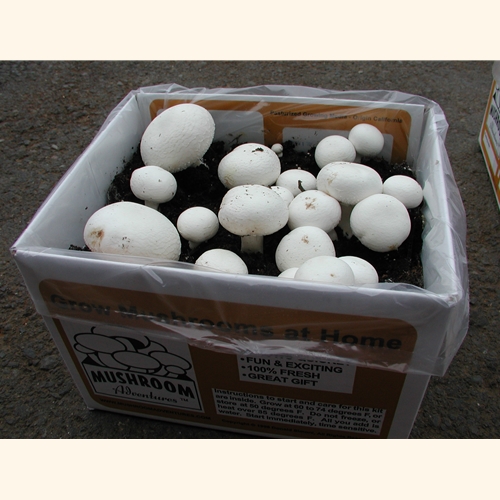
Credit: www.mushroomadventures.com
Thawing and using frozen mushrooms
- Thaw overnight in the refrigerator for the mildest texture change.
- For faster use, add frozen mushrooms directly to simmering soups, stir-fries, or sauces — this avoids waterlogging and helps integrate them into the dish.
- Avoid thawing in the microwave or at room temperature if you plan to refreeze or store them again.
Signs of spoilage — what to check for before cooking
Inspect mushrooms each time before use. Discard any that show:
- Sliminess or sticky film on surface.
- Strong sour, musty, or ammonia-like odor.
- Visible mold (white fuzzy mold on white mushrooms is still mold; throw them away).
- Extensive dark spots, collapse, or a mushy texture.
- If only a small dry or bruised spot is present, cut it away and use the rest promptly.
A common misconception: slight browning on the stem end from handling is not always spoilage — trim and inspect. But once sliminess or off-odors appear, do not try to salvage.
Troubleshooting common storage problems
- Mushrooms become slimy quickly: often trapped moisture. Transfer to a paper bag and pat dry. Remove any already slimy mushrooms to stop spread.
- Mushrooms dry out and wrinkle: fridge too dry or stored in open air. Keep in crisper drawer or use a slightly humid, breathable container.
- Strong refrigerator odors transfer to mushrooms: keep mushrooms in a separate breathable container; avoid storing near pungent foods (fish, strong cheeses).
FAQ (short, practical answers)
Q: Should I wash mushrooms before storing? A: No — wash only right before cooking. Excess water accelerates spoilage.
Q: How long will fresh white mushrooms last in the fridge? A: Typically 5–7 days when stored whole and dry in a paper bag or breathable container. Check them often; signs of spoilage override timelines.
Q: Can I freeze raw mushrooms? A: You can, but blanching or sautéing first preserves texture and flavor better than freezing raw.
Q: Is it safe to eat slightly brown mushrooms? A: Yes, slight browning from handling is usually safe; trim bad spots and smell — discard if slimy or off-smelling.
Q: Can mushrooms be vacuum sealed in the fridge? A: Vacuum sealing can extend life by reducing oxygen, but moisture still matters. Use a paper towel lining and monitor for condensation; if using this method, check frequently.
Conclusion — pick a method and try it
The simplest reliable approach: buy firm, dry mushrooms, keep them whole, and store in a paper bag in the refrigerator. For long-term use, blanch or sauté then freeze. Inspect frequently and use visual and smell checks to decide whether to cook or discard.
Try the paper-bag fridge method with your next batch — you’ll likely notice firmer, longer-lasting mushrooms within a few days.

Hi, I’m Daniel Brooks—a food lover and kitchen gear enthusiast. I enjoy testing cookware, utensils, and gadgets to see what really works in everyday cooking. At PlugChef.com, I share honest reviews, comparisons, and simple guides to help you choose the best tools for a safer, smarter, and more enjoyable kitchen.
Related posts:
 How to Make a Fruit Basket for a Gift: Easy DIY Guide
 Do You Need a Basket? Essential Guide for Air Fryers
 What Blenders Do Tropical Smoothie Use: Expert Insights
Stainless Steel Vs White Kitchen Appliances: Ultimate Showdown
What Blenders Do Tropical Smoothie Use: Expert Insights
Stainless Steel Vs White Kitchen Appliances: Ultimate Showdown
 Kitchen Appliances for Wedding Registry: Must-Have Essentials
 Top 10 Best Non-Toxic Cooking Utensils – Safe & Durable Choices for Healthy Homes

