
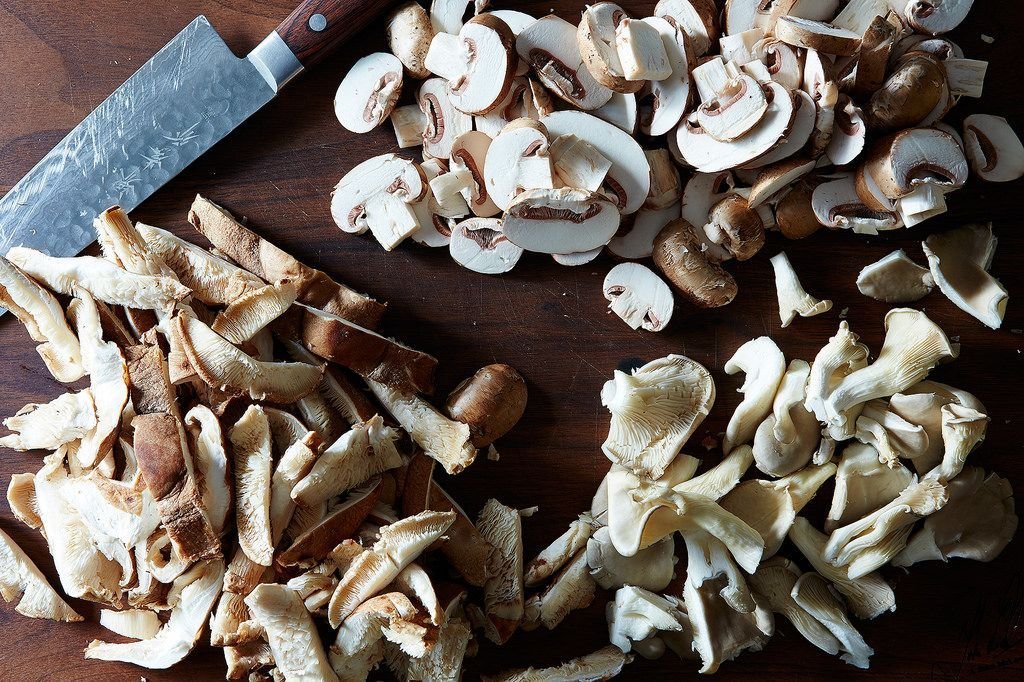
Mushrooms are convenient and versatile, but once chopped they age faster than whole ones. Proper handling, packaging, and temperature control extend their shelf life, preserve texture, and keep flavor bright. This guide gives step-by-step storage methods for short-term refrigeration and longer-term freezing, plus troubleshooting, best containers, and safety tips so your chopped mushrooms stay ready for the pan.

Credit: food52.com
Quick at-a-glance recommendations
- Short-term (refrigerator): Keep chopped mushrooms dry in a breathable container or loosely sealed bag; use within 1–3 days for best quality.
- Long-term (freezer): Blanch, cool, and freeze in portioned, airtight bags; best quality up to 12 months.
- Avoid washing mushrooms before storing; clean just before use to prevent added moisture.
- Store at refrigerator temperatures 34–40°F (1–4°C); use a fridge thermometer to confirm.
For refrigerator temperature guidance and food-safety basics, follow general refrigeration recommendations from the USDA and local extension services such as the University of Minnesota Extension for produce handling practices (USDA, extension.umn.edu).
Choosing mushrooms that store well
Start with fresh mushrooms — storage can’t fix poor starting quality.
Signs of freshness to check in-store or at the market:
- Firm, plump caps and stems (no spongy or collapsed areas).
- Dry surface (not tacky or slimy).
- Uniform color with no large dark spots or mold.
- Mild earthy aroma (avoid sour or musty smells).
Types and how they behave when chopped:
- White buttons and cremini: hold shape well; ideal for both refrigerating and freezing.
- Portobello: meaty and large — chop into uniform pieces for even freezing.
- Shiitake and oyster: more delicate; use refrigerated within 24–48 hours or cook/freeze quickly.

Credit: food52.com
Prep: cleaning and chopping for storage (step-by-step)
Proper prep reduces moisture and bruising — two fast routes to spoilage.
- Inspect and trim: remove dirt, cut off woody or dried stem ends.
- Clean gently: wipe with a soft brush or damp paper towel. If you must rinse, do it quickly under cold running water and pat dry immediately with a clean towel. Avoid soaking.
- Standardize piece size: slice or dice to uniform sizes so pieces freeze and cook evenly. For sautéing, 1/4–1/2 inch slices are common. For soups or stews, larger chunks work fine.
- Cool before freezing or packaging: hot pans or warm kitchens accelerate moisture condensation; let mushrooms return to room temperature briefly before packaging, but don’t leave them out for more than 30–60 minutes.
Common prep mistakes: washing and leaving mushrooms wet, chopping inconsistent sizes, or packing warm mushrooms into an airtight container (which traps steam and accelerates spoilage).
Best containers and how they affect freshness
The container you use controls airflow and moisture — crucial for chopped mushrooms.
Good container options:
- Glass containers with a loose-fitting lid or a slightly ajar seal: easy to clean and do not trap odors.
- Reusable silicone bags: good seal, flexible, space-saving. Squeeze air out before sealing.
- Zip-top plastic bags: cheap and effective when you remove excess air; add a paper towel to absorb moisture.
- Vacuum sealers: excellent for freezer storage — they reduce oxidation and freezer burn.
Avoid: tightly sealed, non-breathable containers in the fridge without a moisture absorber — they encourage condensation and sliminess.
Moisture control tips:
- Line containers with a dry paper towel or a breathable kitchen cloth to absorb excess moisture — replace it if it becomes damp.
- For short-term fridge storage, a loosely closed container (a jar with the lid offset or a container with a vent) keeps humidity down while preventing the mushrooms from drying out.
Refrigeration: step-by-step short-term storage
Goal: keep mushrooms cold and dry.
- After prepping and drying, place chopped mushrooms in a container lined with a single paper towel.
- Seal just enough to limit air exchange — not completely airtight — or leave the lid slightly ajar.
- Store on a middle or lower shelf, not the door (door temps fluctuate most).
- Use within 1–3 days: 1–2 days is safest for delicate types (oyster, shiitake), and up to 3 days for sturdier varieties (button, cremini) if kept cold and dry.
Temperature check: Refrigerators should hold 40°F (4°C) or below for safe food storage; measuring with an appliance thermometer prevents accidental warm zones.
In practice: If you open the container and see condensation, remove the mushrooms, pat dry, replace the towel, and return them to a clean dry container. Frequent opening and closing of the container or using a warm prep area are common causes of excess moisture.
Freezing chopped mushrooms (best practices)
Freezing preserves mushrooms for months but changes texture — frozen mushrooms are best used in cooked dishes.
Two main freezing methods:
A. Blanch-and-freeze (recommended for best texture)
- Bring a pot of water to a boil. Add chopped mushrooms and blanch for 1–2 minutes (shorter for small pieces, closer to 2 minutes for larger chunks).
- Immediately plunge mushrooms into an ice bath to stop cooking; drain thoroughly and pat dry.
- Spread in a single layer on a baking sheet and freeze until firm (flash-freeze), 1–2 hours.
- Transfer to airtight freezer bags or vacuum-seal pouches in portion sizes; label with date. Best quality: up to 12 months.
B. Quick-freeze without blanching (acceptable for soups/stews)
- Clean and chop, then flash-freeze on a tray and transfer to airtight bags. Use within several months for best flavor; texture will be softer than blanched mushrooms.

Credit: www.olivenation.com
Thawing and use:
- Thaw in the refrigerator overnight or add frozen mushrooms straight into hot pans/soups; cooking from frozen often gives the best final texture and avoids sogginess.
Vacuum sealing and batch storage
Vacuum sealing is the best option for long-term freezer storage: it minimizes freezer burn and preserves flavor. For home cooks:
- Portion into meal-sized packages before vacuum sealing.
- Remove as much air as possible and freeze flat for space efficiency.
- Label clearly (content and date) and use the FIFO method (first in, first out).
Trade-offs: vacuum sealing adds equipment cost but reduces waste and improves quality for storage over several months.
Salvaging slightly off mushrooms (what you can and cannot save)
- Slight browning or minor darkening: trim affected areas and use immediately in cooked dishes.
- Damp but not slimy: pat dry, spread out on a tray to air-dry briefly, then refrigerate and use within 24 hours.
- Slimy, foul-smelling, or moldy mushrooms: discard. Do not taste-test doubtful mushrooms — smell and texture are reliable spoilage signals.
A common mistake is trying to wash away slime; this spreads bacteria and accelerates spoilage. When in doubt, throw it out.
Best recipes for stored or frozen chopped mushrooms
Stored mushrooms are best where texture changes are not a problem:
- Soups and stews (mushrooms absorb liquid and release umami).
- Sauces and ragùs.
- Casseroles and gratins.
- Omelettes, quiches, and frittatas (use refrigerated mushrooms).
- Stir-fries (use quickly after refrigeration; high heat reduces sogginess).
Frozen mushrooms shine in long-cooked dishes because prolonged heat improves texture.
Labeling, rotation, and small-batch tips
- Label containers with date and variety.
- Use FIFO: oldest items go first.
- For frequent cooks: pre-portion chopped mushrooms into 1–2 cup bags for quick meal prep.
- For restaurants or bulk storage: keep a log of batch dates and use older stock first; discard if quality drops.
Food safety notes
- Do not leave chopped mushrooms at room temperature for more than 1–2 hours (less in warm climates).
- Store at or below 40°F (4°C) as recommended for perishable foods; check your fridge temperature periodically. The USDA offers general refrigeration guidance useful for household food safety (USDA).
- If mushrooms show signs of contamination (mold, strong sour odor), dispose of them — heating will not reliably eliminate toxins or off-flavors.
FAQ
Q: How long do chopped mushrooms last in the fridge?
A: For best quality, use chopped mushrooms within 1–3 days. Sturdier types may push to 3 days if kept very dry and cold; delicate varieties are better used within 24–48 hours.
Q: Should I wash mushrooms before storing?
A: No — avoid washing. Wiping or quick rinsing followed by immediate drying is better. Clean them just before cooking to reduce stored moisture.
Q: Can I freeze raw chopped mushrooms?
A: Yes, but blanching before freezing gives a firmer texture and longer quality life. Raw flash-frozen mushrooms are fine for cooked dishes but may become softer.
Q: Do different mushroom types store differently?
A: Yes. Button and cremini hold up best to refrigeration and freezing; delicate oysters and enokis should be used sooner or frozen quickly after prep.
Q: Will freezing change taste or nutrition?
A: Freezing mostly affects texture, not basic flavor or safety. Cooked dishes using frozen mushrooms will still be flavorful, and nutritional loss is minimal if prepared properly.
Conclusion
Storing chopped mushrooms well comes down to three principles: start with fresh mushrooms, minimize and manage moisture, and keep them cold. For short-term use, dry-storage in a breathable container on a middle shelf is usually enough; for long-term storage, blanch and freeze in portioned airtight bags. Label packages, rotate stock, and discard any mushrooms that are slimy, moldy, or foul-smelling.
Prep a batch today and freeze in meal-sized portions — it makes weeknight cooking faster and reduces waste.

Hi, I’m Daniel Brooks—a food lover and kitchen gear enthusiast. I enjoy testing cookware, utensils, and gadgets to see what really works in everyday cooking. At PlugChef.com, I share honest reviews, comparisons, and simple guides to help you choose the best tools for a safer, smarter, and more enjoyable kitchen.
Related posts:
 How to Make a Fruit Basket for a Gift: Easy DIY Guide
 Do You Need a Basket? Essential Guide for Air Fryers
 What Blenders Do Tropical Smoothie Use: Expert Insights
Stainless Steel Vs White Kitchen Appliances: Ultimate Showdown
What Blenders Do Tropical Smoothie Use: Expert Insights
Stainless Steel Vs White Kitchen Appliances: Ultimate Showdown
 Kitchen Appliances for Wedding Registry: Must-Have Essentials
 Top 10 Best Non-Toxic Cooking Utensils – Safe & Durable Choices for Healthy Homes

