A spotless, code-compliant kitchen is the backbone of every successful restaurant, and professional kitchen cleaning companies rely on specialized, heavy-duty tools to deliver consistent results in high-heat, high-traffic environments. Unlike residential cleaning supplies, commercial kitchen tools are built to cut through baked-on grease, eliminate foodborne pathogens, and prevent cross-contamination risks that can lead to costly health inspection penalties or reputational damage. As of 2026, the U.S. Food and Drug Administration (FDA) Food Code sets the national baseline for sanitization, surface cleanliness, and hazard prevention for all food service operations, making the right tool selection a non-negotiable part of kitchen maintenance. The right equipment doesn’t just improve cleanliness—it reduces labor time, extends the lifespan of expensive cooking equipment, and creates a safer environment for kitchen staff. Proper sanitization and tool selection are core to maintaining food safety standards in high-volume operations.
Core Sanitization Tools for Health Code Compliance
Sanitization is the most critical step in commercial kitchen cleaning, as it eliminates 99.9% of common foodborne pathogens like E. coli, Salmonella, and Listeria from food contact surfaces. The FDA 2026 Food Code requires all sanitizing solutions to meet specific concentration ranges (200–400 ppm for quaternary ammonium compounds, 50–100 ppm for chlorine) to be effective, making accurate testing a mandatory part of cleaning protocols. Quaternary ammonium (quat) sanitizer tablets have become the industry standard over liquid sanitizers for most operations, as they have a 2-year unopened shelf life, no spill risk, and consistent dosing that eliminates human error from manual mixing. For bulk operations, the 600-count Steramine sanitizer tablet pack provides 6+ months of supply for most high-volume restaurants, with included QT-10 test strips to verify concentration levels in 10 seconds. For smaller kitchens or operations that use chlorine-based sanitizers, the dual sanitizer test kit combo includes strips for both quat and chlorine testing, ensuring compliance with local health department requirements. A common mistake cleaning teams make is skipping sanitizer concentration testing, leading to under-diluted solutions that fail to kill pathogens, or over-diluted solutions that leave harmful residue on surfaces and damage equipment over time. Regular testing every 2 hours during service, and after every new batch of solution is mixed, eliminates this risk entirely. Using correctly dosed sanitizer is a core part of comprehensive safety protocols for food service, reducing the risk of cross-contamination and foodborne illness. Properly dosed sanitizer ensures all thoroughly sanitized food contact surfaces meet health department requirements for pathogen elimination. The compact tablet format works for everything from large commercial organized prep station storage to small food truck kitchens with limited space.
 Ideal for high-volume food service and hospitality operations
 Quick-dissolving tablets create consistent quaternary sanitizing solutions
 Color-coded strips provide quick, accurate sanitizer level readings
For high-volume restaurants looking to reduce sanitizing supply costs, the 600-count Steramine bulk pack provides 6+ months of consistent dosing, with included test strips to ensure full compliance with health code requirements. For mid-sized operations, the 3-bottle pack provides 450 total sanitizing tablets, enough for 3–4 months of regular use, with the quaternary formula effective against 99.9% of common foodborne pathogens. The dual-vial design lets teams test both quaternary and chlorine sanitizers with one compact kit, fitting easily in a pocket or supply closet for quick access during service.
 Long-lasting tablet format reduces liquid sanitizer storage needs
Heavy-Duty Degreasing Solutions for Tough Buildup
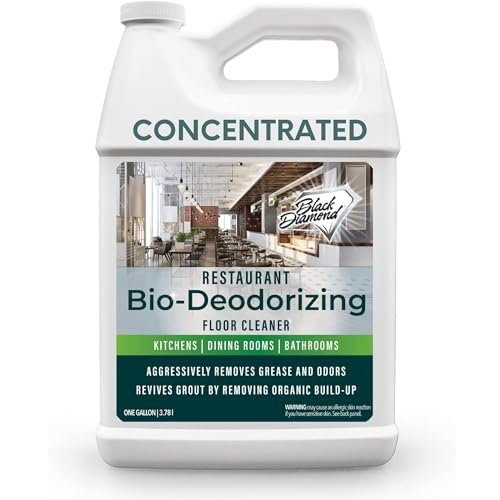
Commercial kitchen grease is not just unsightly—it is a complex mix of animal fat, vegetable oil, carbonized food particles, and dust that acts as a breeding ground for bacteria and creates serious slip and fire hazards. Standard all-purpose cleaners cannot break down this organic buildup, making specialized degreasers a core part of any restaurant cleaning toolkit. Enzyme-based floor degreasers, such as the concentrated Restaurant Bio-Deodorizing Floor Cleaner, are designed to digest organic grease at a molecular level, eliminating odors rather than just masking them. Unlike harsh alkaline degreasers, enzyme formulas do not degrade the sealant on quarry tile, epoxy, or sealed hardwood floors, making them safe for all common commercial kitchen flooring types. For daily maintenance, a 1:10 dilution of concentrate to water is sufficient, while heavy buildup near fry stations and grill areas may require a 1:4 dilution and 5–10 minutes of dwell time before scrubbing to avoid pushing grease into floor grout. The concentrated nature of these degreasers also reduces long-term supply costs: a single 1-gallon bottle of concentrate makes up to 32 gallons of cleaning solution, cutting costs by 60% or more compared to pre-mixed commercial degreasers for high-traffic operations. For teams prioritizing sustainable cleaning practices, enzyme degreasers pair well with eco-friendly sink cleaning solutions to reduce harsh chemical use across the kitchen. For flat top grills and cooktops, non-caustic cleaners like Griddle-Whiz are the industry standard, as caustic formulas can etch the cooking surface over time, leading to rust, uneven heating, and increased risk of food sticking. The non-toxic, food-contact safe formula breaks down baked-on grease and carbonized food particles without leaving harmful residue, making it safe for use during service if needed. For operations with heavy griddle use, keeping a bottle on hand reduces deep cleaning time significantly compared to using standard all-purpose cleaners. The non-caustic formula preserves grill seasoning and prevents rust, supporting long-lasting cooking equipment upkeep and reducing replacement costs over time.
 Concentrated enzyme formula breaks down organic grease without harsh chemicals
 Non-caustic formula safe for food-contact grill surfaces
For kitchens with heavy daily grease buildup, the concentrated enzyme formula cuts scrubbing time by an estimated 20% compared to standard all-purpose degreasers, while eliminating odors without harsh chemicals. The non-caustic formula preserves grill seasoning and prevents rust, extending the lifespan of flat top equipment by 2–3 years compared to standard caustic grill cleaners.
Surface Cleaning & Abrasive Tools for Deep Maintenance
Proper surface cleaning requires a combination of tools designed for specific surfaces and use cases, as well as protocols to prevent cross-contamination between raw and ready-to-eat food areas.
Cross-Contamination Prevention Tool Systems
Most local health departments require commercial kitchens to use color-coded cleaning tools to separate tasks and prevent pathogen spread. The standard industry color code assigns red cloths and brushes to raw protein prep areas, blue to ready-to-eat surfaces, green to produce stations, and yellow to non-food contact surfaces like restrooms and break areas. For general all-purpose cleaning, a professional kitchen cleaning brush set with color-coded heads makes it easy for staff to follow protocols without confusion, reducing cross-contamination risk during busy service periods.
Griddle & Cooking Surface Maintenance
Baked-on grease and carbon buildup on griddles, cast iron cooktops, and stainless steel flat tops not only reduce cooking efficiency but also harbor harmful bacteria. Restaurant-grade 4×6 grit scouring pads are calibrated to remove heavy buildup without scratching the surface, which would create tiny crevices where bacteria can hide. Unlike household scouring pads, these heavy-duty pads withstand repeated use on high-heat surfaces without disintegrating, making them a cost-effective choice for busy kitchens. A common mistake is using steel wool or harsh abrasives on stainless steel surfaces, which can scratch the finish and create corrosion points that are impossible to sanitize fully. These pads are safe for use on stainless steel cookware maintenance tools, cast iron cooktops, and metal grills without scratching the surface. The calibrated grit is safe for cast iron cooktop care, removing carbon buildup without stripping the seasoning layer that prevents rust and sticking. The heavy-duty construction pairs durable, high-performance cleaning tools with consistent scrubbing power, making them a cost-effective choice for busy kitchens. The 5-pack provides enough pads for 3–6 months of regular griddle cleaning, with the heavy-duty grit removing baked-on carbon buildup without damaging cast iron or stainless steel surfaces.
 4×6 grit pads safe for cast iron and stainless steel cooking surfaces
Hard-to-Reach Area Cleaning Tools
Grease splatters above prep stations, behind fryers, and under refrigerators are some of the most commonly missed areas during health inspections, as they are out of easy reach for most cleaning staff. A long-handled kitchen wall cleaning brush lets teams clean these high zones without ladders, reducing fall risk and ensuring no buildup is left to attract pests or drip onto food contact surfaces. For sink basins and drain edges, a kitchen cleaning scrub brush with stiff, angled bristles removes stuck-on food particles and grease that can clog drains and harbor bacteria.
Dry Debris & Floor Pre-Cleaning
Before mopping, all dry debris, crumbs, hair, and loose grease must be removed to avoid spreading grime around the kitchen and creating slip hazards. The battery-free electrostatic floor sweeper is a popular choice for busy kitchens, as its electrostatic bristles attract dust and debris without needing electricity or batteries, eliminating tripping hazards from cords. The 9-inch cleaning path covers floor areas quickly, and the lightweight 2.4-pound design reduces staff fatigue during pre-mopping sweeps. Unlike brooms, the sweeper does not kick up dust clouds that can contaminate nearby food prep areas, making it a more hygienic option for open kitchen layouts. The compact, lightweight design makes it multi-area floor cleaning convenience for front-of-house and back-of-house areas alike. The electrostatic technology provides low-effort kitchen floor maintenance, picking up crumbs and debris without the need for electricity or batteries. The battery-free design eliminates tripping hazards from cords in busy kitchen aisles, while the electrostatic bristles pick up 99% of dry debris and crumbs in a single pass.
 Captures dry debris and crumbs before mopping to reduce slip hazards
Absorbent Supplies for Spill Control & Hygiene
Spill cleanup is a constant task in commercial kitchens, and using the right absorbent supplies reduces slip hazards, cross-contamination risk, and cross-contact with allergens. 100% cotton terry bar mop towels are the top choice for heavy grease and liquid spills, as their looped texture absorbs oil-based messes far more effectively than synthetic microfiber. The 14×17 inch size is large enough to cover spills quickly, and the heavy-duty stitching withstands repeated washings at the 160°F minimum temperature required by health departments to kill bacteria. For lighter spills and sanitizing surfaces, ribbed microfiber bar mop towels are a better choice, as their textured surface traps bacteria instead of pushing it around, and they dry faster than cotton to reduce bacterial growth between uses. A common mistake is using the same cloth for multiple tasks, which spreads pathogens between raw meat prep areas and ready-to-eat surfaces. Pairing absorbent towels with a color-coding system eliminates this risk, and keeping a dedicated stock of dry towels on hand prevents staff from reusing damp cloths that can spread bacteria. For operations looking to reduce single-use waste, reusable microfiber towels cut disposable rag costs significantly over time, while also reducing environmental impact. Reusable cotton towels align with sustainable kitchen waste reduction goals, cutting down on single-use paper towel waste that fills commercial trash bins quickly. The ribbed texture is safe for delicate surfaces like glass and streak-free stainless steel surface cleaning, making it ideal for wiping down prep tables and equipment without scratching. The 14×17 inch size is perfect for versatile kitchen cleaning applications, from wiping down countertops to drying glassware and utensils.
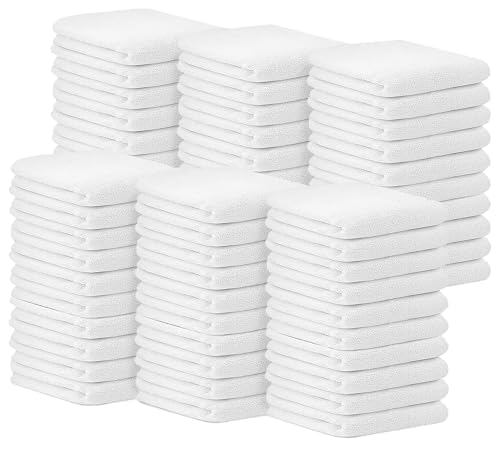 Heavy-duty cotton towels for grease spill cleanup and surface drying
 Textured surface lifts grease without scratching stainless steel or glass
The 60-count value pack provides enough stock for even the busiest 100+ seat restaurants, with the heavy-duty cotton construction holding up to 100+ washings without fraying. The 12-pack set provides enough stock for color-coded cleaning protocols, with the ribbed texture lifting grease without scratching delicate stainless steel or glass surfaces.
Specialty Tools for Routine & Deep Cleaning
In addition to core cleaning supplies, a few specialized tools fill critical gaps in commercial kitchen cleaning protocols that are often missed during routine cleaning. For high-volume dishwashing areas, an electric dish cleaning brush cuts through stuck-on food on pots, pans, and utensils in half the time of manual scrubbing, reducing labor costs during peak service periods. For staff who spend hours scrubbing surfaces each shift, an ergonomic kitchen cleaning brush with handle reduces wrist strain and fatigue, lowering the risk of repetitive motion injuries and improving cleaning consistency.
Compliance & Quality Control Tools
Beyond cleaning supplies, restaurant kitchen cleaning companies need tools to verify that all cleaning and sanitizing protocols are being followed correctly, to avoid health inspection violations. Sanitizer test strips are the gold standard for verifying concentration levels, as they provide accurate, immediate results without the need for expensive lab testing. For operations that use multiple sanitizer types, the dual quat/chlorine test kit combo is ideal, as it covers the two most common sanitizers used in food service. Many cleaning companies also pair physical test strips with digital cleaning logs to track task completion, but physical strips remain the most reliable way to verify sanitizer effectiveness on site.
Frequently Asked Questions
What Is The Best Cleaner For Restaurant Kitchen Floors?
Enzyme-based degreasers like the Restaurant Bio-Deodorizing Floor Cleaner are the top choice for commercial kitchen floors. Unlike harsh alkaline cleaners that can degrade epoxy or quarry tile sealant over time, enzyme formulas break down organic grease and food particles at a molecular level, eliminating odors rather than just masking them. For daily maintenance, a 1:10 dilution of concentrate to water is sufficient, while heavy buildup near fry stations and grill areas may require a 1:4 dilution and 5–10 minutes of dwell time before scrubbing to avoid pushing grease into floor grout. These cleaners are also safe for all common commercial flooring types, including tile, laminate, and sealed hardwood in front-of-house areas.
How Do Steramine Sanitizer Tablets Work In Food Service?
Steramine sanitizer tablets use a quaternary ammonium compound formula that kills 99.9% of common foodborne pathogens, including E. coli, Salmonella, and Listeria, when prepared at the correct concentration. The tablets dissolve fully in room-temperature water within 2 minutes, creating a consistent sanitizing solution that meets FDA 2026 Food Code requirements for food contact surfaces. Unlike liquid sanitizers, tablets have a 2-year unopened shelf life and do not degrade when exposed to light or temperature fluctuations, making them ideal for busy kitchens with inconsistent storage conditions. The included QT-10 test strips allow staff to verify concentration levels in 10 seconds, eliminating the guesswork that leads to under-diluted (ineffective) or over-diluted (surface-damaging) solutions.
Why Use Terry Bar Mop Towels In Commercial Kitchens?
100% cotton terry bar mop towels are preferred for commercial kitchens because their looped texture absorbs heavy grease and liquid spills far more effectively than standard paper towels or synthetic cloths. The 14×17 inch size is large enough to cover spills quickly, and the heavy-duty stitching withstands repeated washings at the 160°F minimum temperature required by health departments to kill bacteria. Unlike disposable paper towels, reusable cotton towels reduce waste and long-term supply costs, while also providing the scrubbing power needed to remove stuck-on food residue from prep tables and equipment without scratching surfaces.
What Makes Griddle-Whiz Grill Cleaner Unique For Commercial Kitchens?
Griddle-Whiz’s non-toxic, non-caustic formula is specifically designed for high-heat flat top grills, removing baked-on grease and carbonized food particles without the harsh chemicals found in standard grill cleaners that can etch cooking surfaces over time. The food-contact safe formula leaves no harmful residue, so it can be used during service if needed for quick spot cleaning, without risking contamination of food. The non-caustic formula also preserves the grill’s seasoning and prevents rust, extending the lifespan of the equipment by 2–3 years compared to using caustic cleaners regularly.
How Often Should Sanitizer Levels Be Tested In Restaurant Kitchens?
Per the FDA 2026 Food Code, sanitizer levels should be tested every 2 hours during active service, and after every new batch of sanitizing solution is mixed. For operations that use multiple sanitizer types, testing should be done separately for each solution to ensure both meet concentration requirements. Using a dual test kit combo simplifies this process, as it includes strips for both quaternary ammonium and chlorine sanitizers, the two most common types used in food service.
How Often Should Restaurant Kitchen Cleaning Tools Be Replaced?
High-use cleaning tools like scouring pads, mop heads, and cloth towels should be replaced every 2–4 weeks in busy restaurants, or immediately if they show signs of wear, fraying, or staining. Worn tools harbor bacteria in their fibers and can scratch surfaces, creating tiny crevices where pathogens can hide. Sanitizer test strips should be replaced according to the manufacturer's expiration date, typically 12–18 months from purchase, to ensure accurate readings. Brushes with worn or splayed bristles should be replaced as soon as they no longer scrub effectively, as damaged bristles can leave food residue on surfaces that cannot be fully sanitized.
What Is The Biggest Mistake Restaurants Make With Kitchen Cleaning Tools?
The most common and costly mistake is failing to use a color-coded tool system to prevent cross-contamination. Reusing the same cloth or brush for raw meat prep surfaces and ready-to-eat areas is the leading cause of cross-contamination cited in health inspection violations, and can lead to widespread foodborne illness outbreaks. Implementing a simple color-coding system, paired with regular staff training, eliminates this risk entirely and ensures compliance with health department requirements.
Conclusion
A professional restaurant kitchen cleaning company’s ability to deliver spotless, code-compliant results hinges on having the right specialized tools for every task, from heavy-duty degreasing to precise sanitization testing. The tools outlined above address the most common pain points of commercial kitchen cleaning: tough grease buildup, cross-contamination risk, health code compliance, and labor inefficiency. Investing in high-quality, purpose-built tools reduces long-term costs by extending equipment lifespan, cutting labor time, and avoiding costly health inspection fines. For restaurant owners looking to streamline their cleaning protocols or outsource deep cleaning tasks, partnering with a certified commercial kitchen cleaning service ensures all tools are used correctly, all health code requirements are met, and staff are trained on proper cross-contamination and sanitization procedures. Consistent, tool-driven cleaning not only protects your customers and staff but also enhances your restaurant’s reputation for quality and safety, driving repeat business and long-term success. Following proper kitchen sanitation step-by-step protocols with the right tools ensures consistent, code-compliant results every time. Investing in thorough surface scrubbing tools reduces the risk of hidden bacteria buildup on cutting boards, prep tables, and equipment. Regular sanitizer testing and proper tool use keep food-safe surface preparation areas free of pathogens that can cause foodborne illness. Consistent cleaning routines maintain maintained kitchen hygiene standards that build customer trust and reduce staff sick days. Combining routine and deep kitchen cleaning tasks with the right tools prevents grease buildup that can attract pests and create fire hazards. A consistent kitchen cleanliness routine also extends the lifespan of expensive cooking equipment, reducing replacement costs over time. A properly maintained kitchen environment improves staff morale, reduces turnover, and boosts customer satisfaction with your establishment’s hygiene standards. While often used by frequent flat top grill users, the non-caustic formula is even more critical for commercial operations where grills are used for 12+ hours a day. The formula is food-safe surface cleaning protocol compliant, leaving no residue that can transfer to food during cooking. Proper grill cleaning is essential for food safety and equipment longevity, as built-up grease can cause flare-ups and uneven cooking temperatures. The fast-acting formula works well for fast, effective kitchen cleaning workflows, allowing staff to clean grills in minutes during peak periods. Specialized products like heavy-duty scouring tools for sink drain grime tackle tough buildup that standard cleaners miss.

Hi, I’m Daniel Brooks—a food lover and kitchen gear enthusiast. I enjoy testing cookware, utensils, and gadgets to see what really works in everyday cooking. At PlugChef.com, I share honest reviews, comparisons, and simple guides to help you choose the best tools for a safer, smarter, and more enjoyable kitchen.
Related posts:
 Cuisinart 9 Cup Continuous Feed Food Processor: Revolutionize Your Kitchen Tasks
 Best Cotton Candy Machine for Home: Sweet Treats Made Easy
 Best Foods to Dip in Chocolate Fountain: Ultimate Party Guide
 Small Appliance Repair Colorado Springs: Essential Spring Kits for DIY Fixes
 Best Cotton Candy Makers: Discover Top Picks for Sweet Delights
 Best Car Coffee Mug Warmer: Elevate Your Travel Brew Experience