White kitchen cabinets are a top choice for homeowners looking to brighten their cooking space, but their light finish makes every grease splatter, cooking grime streak, and surface smudge impossible to hide. Unlike darker cabinet finishes that mask buildup, white surfaces show dirt quickly, and using the wrong cleaner can lead to yellowing, finish stripping, or permanent streaks that ruin your kitchen’s aesthetic. The right white kitchen cabinet cleaner cuts through tough grease and grime without damaging painted, wood, or thermofoil finishes, keeping your cabinets looking crisp and new for years. Below, we break down the top solutions for every type of white cabinet, plus expert tips for safe, effective cleaning.
Why White Cabinets Need Specialized Cleaning
Most modern white cabinets are made from one of three common materials: painted MDF (the most budget-friendly option for new builds), solid wood (stained or painted for a premium look), or thermofoil (a laminate overlay applied to engineered wood for a durable, seamless finish). Shaker-style white cabinets, the most popular design on the market, have recessed grooves that trap grease and grime far faster than flat-panel styles, making them even more prone to dulling and staining. For more on this, see our guide on best drain cleaner for kitchen sink grease.
All-purpose kitchen cleaners often contain harsh acids, ammonia, or abrasive particles that etch painted finishes, break down sealants on wood cabinets, or leave waxy residues that attract more dirt over time. Grease from stovetop cooking is the #1 cause of yellowing and staining on white cabinets, especially on doors and panels within 3 feet of the cooking surface. Using a cleaner formulated specifically for your cabinet finish and grease type will preserve their bright, clean look without causing long-term damage. Regular use of a gentle wood cleaner prevents mold and grime buildup on porous cabinet surfaces, similar to how you would care for wooden cutting boards to avoid damage.
What to Look for in a White Kitchen Cabinet Cleaner
Before choosing a product, match the cleaner’s formula to your cabinet’s finish and the type of buildup you’re dealing with. Keep these key factors in mind:
- Finish compatibility: Always confirm the cleaner is safe for your cabinet material. Oil-based formulas work well for unfinished wood but will leave streaks on painted MDF and thermofoil. Water-based sprays are safe for all sealed finishes. Always use a finish-safe degreaser to avoid damaging painted or sealed surfaces.
- Degreasing power: Look for cleaners with citrus-based surfactants or enzymatic formulas that cut through kitchen grease without harsh scrubbing. Avoid products with bleach or optical brighteners, which can cause yellowing on white finishes over time.
- Non-abrasive formula: Abrasive particles (found in some scouring cleaners) will scratch painted finishes and wear down protective sealants on wood cabinets, leading to increased grease absorption over time.
- Sensitivity-friendly options: If you have respiratory sensitivities or young children, opt for fragrance-free or plant-based formulas, such as eco-friendly kitchen cleaners that avoid harsh chemical fumes.
Top White Kitchen Cabinet Cleaners for Grease and Grime
We’ve organized the most effective solutions by use case to help you find the right fit for your kitchen.
Best Spray-On Cleaners for Daily Maintenance
These lightweight formulas are ideal for wiping down light grease, smudges, and everyday dirt between deep cleans.
 Almond-scented spray leaves a streak-free shine on finished wood cabinets
Weiman Cabinet & Wood Clean & Shine Spray
Formulated for finished wood and painted cabinet surfaces, this spray-on cleaner lifts light grease and surface smudges without leaving residue. The included lint-free microfiber cloth prevents streaks, and the subtle almond scent leaves your kitchen smelling fresh without being overpowering. In practice, it works best for daily 2-minute wipe-downs after cooking, rather than heavy, baked-on grease buildup. It is not recommended for unsealed or distressed wood finishes.
Shop Weiman Cabinet & Wood Clean & Shine Spray on Amazon for streak-free daily cleaning.
Almond-scented spray leaves a streak-free shine on finished wood cabinets
Weiman Cabinet & Wood Clean & Shine Spray
Formulated for finished wood and painted cabinet surfaces, this spray-on cleaner lifts light grease and surface smudges without leaving residue. The included lint-free microfiber cloth prevents streaks, and the subtle almond scent leaves your kitchen smelling fresh without being overpowering. In practice, it works best for daily 2-minute wipe-downs after cooking, rather than heavy, baked-on grease buildup. It is not recommended for unsealed or distressed wood finishes.
Shop Weiman Cabinet & Wood Clean & Shine Spray on Amazon for streak-free daily cleaning.
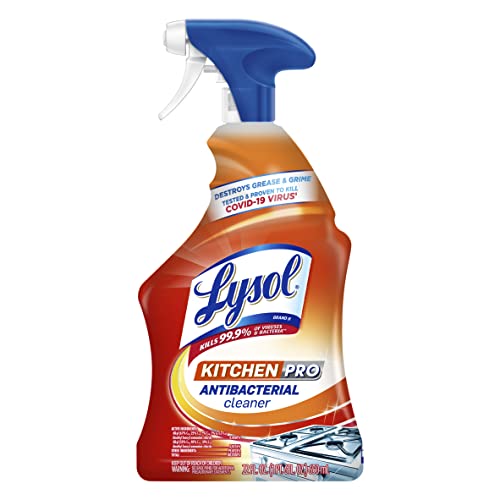 Antibacterial formula kills 99.9% of kitchen bacteria while cutting grease
Lysol Pro Kitchen Spray Cleaner and Degreaser
For households with kids, pets, or frequent cooking, this spray offers the dual benefit of degreasing and disinfecting. Its antibacterial formula kills salmonella, E. coli, and other common kitchen bacteria on contact, making it ideal for cleaning cabinet surfaces near food prep areas. The citrus scent is strong but effective at neutralizing lingering cooking odors. Test on painted cabinet finishes first, as some users report mild dulling with repeated use on matte paint. If you need a cleaner that both degreases and disinfects, a non-toxic kitchen spray is a safe choice for food-prep areas near cabinets.
Shop Lysol Pro Kitchen Spray Cleaner and Degreaser on Amazon for antibacterial cabinet cleaning.
Antibacterial formula kills 99.9% of kitchen bacteria while cutting grease
Lysol Pro Kitchen Spray Cleaner and Degreaser
For households with kids, pets, or frequent cooking, this spray offers the dual benefit of degreasing and disinfecting. Its antibacterial formula kills salmonella, E. coli, and other common kitchen bacteria on contact, making it ideal for cleaning cabinet surfaces near food prep areas. The citrus scent is strong but effective at neutralizing lingering cooking odors. Test on painted cabinet finishes first, as some users report mild dulling with repeated use on matte paint. If you need a cleaner that both degreases and disinfects, a non-toxic kitchen spray is a safe choice for food-prep areas near cabinets.
Shop Lysol Pro Kitchen Spray Cleaner and Degreaser on Amazon for antibacterial cabinet cleaning.
Best Cream and Paste Cleaners for Heavy Grease Buildup
Thicker formulas cling to vertical cabinet surfaces and penetrate hardened grease without aggressive scrubbing.
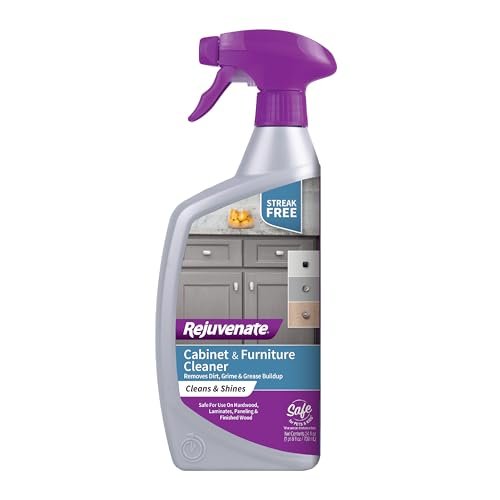
 Foam formula lifts baked-on grease without damaging wood cabinet finishes
Rejuvenate Cabinet and Furniture Cleaner
This foam spray cleaner is designed for wood and finished cabinet surfaces, lifting baked-on grease from stovetop splatters and cabinet hardware without scrubbing. It restores dull, aged finishes to their original shine and is safe for regular use. A common mistake is over-applying the product, which leaves a waxy residue—2 sprays per cabinet door is enough for most jobs. It works especially well on older solid wood cabinets that have lost their luster over time.
Shop Rejuvenate Cabinet and Furniture Cleaner on Amazon to restore shine to your wood cabinets.
Foam formula lifts baked-on grease without damaging wood cabinet finishes
Rejuvenate Cabinet and Furniture Cleaner
This foam spray cleaner is designed for wood and finished cabinet surfaces, lifting baked-on grease from stovetop splatters and cabinet hardware without scrubbing. It restores dull, aged finishes to their original shine and is safe for regular use. A common mistake is over-applying the product, which leaves a waxy residue—2 sprays per cabinet door is enough for most jobs. It works especially well on older solid wood cabinets that have lost their luster over time.
Shop Rejuvenate Cabinet and Furniture Cleaner on Amazon to restore shine to your wood cabinets.
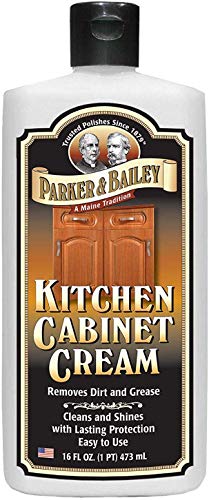 Thick cream formula penetrates heavy grease without scrubbing
Parker and Bailey Kitchen Cabinet Cream
This thick, non-abrasive cream is ideal for textured shaker-style white cabinets that trap grime in recessed grooves. Apply a small amount to a soft cloth, rub onto the cabinet surface, let sit for 2 minutes, then wipe away—no scrubbing required. It conditions wood finishes while cleaning, making it a great choice for older cabinets that are drying out or fading. It is not suitable for unsealed wood or painted MDF, as it can leave a faint oily residue. If grease has left a sticky residue on your cabinets, this cream formula works as well as solutions for removing plastic wrap residue to lift grime without damage.
Shop Parker and Bailey Kitchen Cabinet Cream on Amazon for deep cleaning of textured wood cabinets.
Thick cream formula penetrates heavy grease without scrubbing
Parker and Bailey Kitchen Cabinet Cream
This thick, non-abrasive cream is ideal for textured shaker-style white cabinets that trap grime in recessed grooves. Apply a small amount to a soft cloth, rub onto the cabinet surface, let sit for 2 minutes, then wipe away—no scrubbing required. It conditions wood finishes while cleaning, making it a great choice for older cabinets that are drying out or fading. It is not suitable for unsealed wood or painted MDF, as it can leave a faint oily residue. If grease has left a sticky residue on your cabinets, this cream formula works as well as solutions for removing plastic wrap residue to lift grime without damage.
Shop Parker and Bailey Kitchen Cabinet Cream on Amazon for deep cleaning of textured wood cabinets.
 Non-scratch paste is ideal for grease buildup on cabinet doors and hardware
Stardrops The Pink Stuff Miracle Cleaning Paste & Scrubber Bundle
This viral cleaning paste uses a mild abrasive and surfactant blend to lift grease, water stains, and even crayon marks from kids on sealed cabinet finishes without scratching. The included soft scrubber sponge is gentle enough for painted white cabinets, and the paste is safe for use on cabinet hardware like brushed nickel or brass handles. It’s a top pick for renters, as it cleans thoroughly without damaging finishes for security deposit returns. For tough grease stains that have set into cabinet finishes, this non-scratch paste can lift stains as effectively as products for removing cutting board stains.
Shop Stardrops The Pink Stuff Paste and Scrubber Bundle on Amazon for non-scratch heavy-duty cleaning.
Non-scratch paste is ideal for grease buildup on cabinet doors and hardware
Stardrops The Pink Stuff Miracle Cleaning Paste & Scrubber Bundle
This viral cleaning paste uses a mild abrasive and surfactant blend to lift grease, water stains, and even crayon marks from kids on sealed cabinet finishes without scratching. The included soft scrubber sponge is gentle enough for painted white cabinets, and the paste is safe for use on cabinet hardware like brushed nickel or brass handles. It’s a top pick for renters, as it cleans thoroughly without damaging finishes for security deposit returns. For tough grease stains that have set into cabinet finishes, this non-scratch paste can lift stains as effectively as products for removing cutting board stains.
Shop Stardrops The Pink Stuff Paste and Scrubber Bundle on Amazon for non-scratch heavy-duty cleaning.
Best Heavy-Duty Degreasers for Baked-On Grime
For stubborn, hardened grease that has built up over months or years, these powerful formulas dissolve grime in minutes.
 Use gently on sealed cabinet surfaces to avoid finish abrasion
Mr. Clean Magic Eraser Variety Pack
The ultra-thick sponges in this variety pack are perfect for spot-treating tough, localized grease stains on sealed cabinet doors. The micro-scrubbing material lifts grime without harsh chemicals, but it is mildly abrasive, so always test on an inconspicuous spot first and use gentle pressure. The foamy sponges are gentler for lighter cleaning tasks. Note that sponges wear out quickly with heavy use, so they are best reserved for spot treatments rather than whole-cabinet cleaning. Skip harsh scrubbers meant for tough jobs like drain unclogging, as these will scratch and damage cabinet finishes.
Shop Mr. Clean Magic Eraser Variety Pack on Amazon for spot-treating tough cabinet stains.
Use gently on sealed cabinet surfaces to avoid finish abrasion
Mr. Clean Magic Eraser Variety Pack
The ultra-thick sponges in this variety pack are perfect for spot-treating tough, localized grease stains on sealed cabinet doors. The micro-scrubbing material lifts grime without harsh chemicals, but it is mildly abrasive, so always test on an inconspicuous spot first and use gentle pressure. The foamy sponges are gentler for lighter cleaning tasks. Note that sponges wear out quickly with heavy use, so they are best reserved for spot treatments rather than whole-cabinet cleaning. Skip harsh scrubbers meant for tough jobs like drain unclogging, as these will scratch and damage cabinet finishes.
Shop Mr. Clean Magic Eraser Variety Pack on Amazon for spot-treating tough cabinet stains.
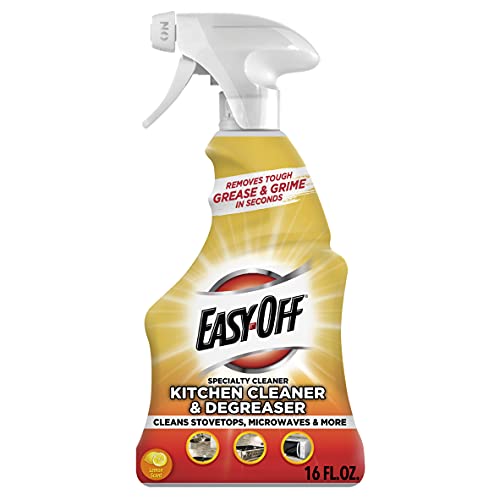 Powerful formula dissolves baked-on grease in under 5 minutes
Easy-Off Specialty Kitchen Degreaser
This lemon-scented degreaser is formulated to dissolve baked-on grease from stovetop splatters that have hardened on lower cabinet panels in under 5 minutes. Its clear, residue-free formula works on sealed wood, laminate, and thermofoil finishes, and the light lemon scent leaves your kitchen smelling fresh. Avoid leaving it on cabinet surfaces for longer than 5 minutes, as prolonged exposure can dull painted finishes. Rinse with a damp cloth after use to remove any remaining residue. For extremely baked-on grease, a TSP-based cleaner (used for deep kitchen cabinet cleaning) can dissolve grime in minutes, but always test for finish compatibility first.
Shop Easy-Off Specialty Kitchen Degreaser on Amazon for fast-acting baked-on grease removal.
Powerful formula dissolves baked-on grease in under 5 minutes
Easy-Off Specialty Kitchen Degreaser
This lemon-scented degreaser is formulated to dissolve baked-on grease from stovetop splatters that have hardened on lower cabinet panels in under 5 minutes. Its clear, residue-free formula works on sealed wood, laminate, and thermofoil finishes, and the light lemon scent leaves your kitchen smelling fresh. Avoid leaving it on cabinet surfaces for longer than 5 minutes, as prolonged exposure can dull painted finishes. Rinse with a damp cloth after use to remove any remaining residue. For extremely baked-on grease, a TSP-based cleaner (used for deep kitchen cabinet cleaning) can dissolve grime in minutes, but always test for finish compatibility first.
Shop Easy-Off Specialty Kitchen Degreaser on Amazon for fast-acting baked-on grease removal.
Best Non-Toxic and Natural Cleaners
For households with sensitivities, or anyone who prefers to avoid harsh chemicals, these plant-based options are just as effective for light to moderate grease.
 Non-toxic formula is safe for painted cabinet finishes and homes with children
The Crown Choice Natural Wall Cleaner
This plant-based, fragrance-light cleaner uses plant-derived surfactants to lift grease, dirt, and odors from painted white cabinets without harsh chemicals. It is safe for use around food prep areas and homes with young children or pets, and the subtle lavender scent leaves cabinets smelling fresh without being overpowering. It works well for daily maintenance and light grease, but may require a second application for baked-on buildup.
Shop The Crown Choice Natural Wall Cleaner on Amazon for non-toxic painted cabinet care.
Non-toxic formula is safe for painted cabinet finishes and homes with children
The Crown Choice Natural Wall Cleaner
This plant-based, fragrance-light cleaner uses plant-derived surfactants to lift grease, dirt, and odors from painted white cabinets without harsh chemicals. It is safe for use around food prep areas and homes with young children or pets, and the subtle lavender scent leaves cabinets smelling fresh without being overpowering. It works well for daily maintenance and light grease, but may require a second application for baked-on buildup.
Shop The Crown Choice Natural Wall Cleaner on Amazon for non-toxic painted cabinet care.
DIY Vinegar and Dish Soap Solution For an ultra-low-cost, food-safe option, mix 1 cup warm distilled water, 1/4 cup white vinegar, and 1 tsp mild, fragrance-free dish soap in a spray bottle. The vinegar cuts through grease and deodorizes, while the mild soap lifts dirt without damaging painted finishes. Spray the solution onto a microfiber cloth (not directly on cabinets, to avoid excess moisture) and wipe surfaces, then buff dry with a second clean cloth. Avoid using straight vinegar on its own, as high acidity can degrade painted finishes over time, and never use this recipe on unsealed wood cabinets.
Best Protective Coatings to Prevent Future Grime
If you want to reduce the frequency of deep cleaning, a protective sealant creates a barrier that repels grease before it bonds to your cabinet finish.
 Invisible ceramic sealant repels grease and stains for up to 12 months
Lifeproof Ceramic Coating Spray Kit
This spray-on ceramic sealant creates an invisible hydrophobic barrier on cabinet surfaces that repels grease, water, and oil-based stains for 6-12 months on average. It is safe for wood, laminate, and thermofoil finishes, and makes daily wipe-downs far faster by preventing splatters from sticking to surfaces. For best results, apply only to completely clean, dry cabinets, and avoid using it on porous or unsealed surfaces.
Shop Lifeproof Ceramic Coating Spray Kit on Amazon to protect your cabinets from future grime.
Invisible ceramic sealant repels grease and stains for up to 12 months
Lifeproof Ceramic Coating Spray Kit
This spray-on ceramic sealant creates an invisible hydrophobic barrier on cabinet surfaces that repels grease, water, and oil-based stains for 6-12 months on average. It is safe for wood, laminate, and thermofoil finishes, and makes daily wipe-downs far faster by preventing splatters from sticking to surfaces. For best results, apply only to completely clean, dry cabinets, and avoid using it on porous or unsealed surfaces.
Shop Lifeproof Ceramic Coating Spray Kit on Amazon to protect your cabinets from future grime.
DIY White Cabinet Cleaner Recipes for Light Grease and Grime
For minor grease and everyday dirt, these simple homemade recipes use pantry staples you likely already have on hand:
- Basic Degreasing Spray: Mix 1 cup warm distilled water, 1/4 cup white vinegar, 1 tsp mild dish soap, and 10 drops of lemon essential oil (optional for scent) in a spray bottle. Shake well before use, spray onto a microfiber cloth, and wipe cabinet surfaces. Buff dry with a second cloth to avoid streaks.
- Heavy Grease Paste: Mix 1/2 cup baking soda, 2 tbsp liquid castile soap, and 1 tbsp warm water into a thick paste. Apply to grease spots with a soft cloth, let sit for 3-5 minutes to break down grime, then wipe away with a damp cloth and buff dry. This non-scratch formula is safe for all sealed cabinet finishes, but avoid letting it harden in cabinet grooves or hardware crevices.
Common Mistakes to Avoid When Cleaning White Cabinets
Even with the right cleaner, these common errors can cause permanent damage to your white cabinets:
- Using bleach or ammonia-based cleaners: Harsh chemicals break down cabinet sealants over time, cause yellowing on white finishes, and release toxic fumes in enclosed kitchen spaces. Harsh chemical drain cleaners can release fumes that damage cabinet finishes, so opt for non-toxic drain solutions when dealing with kitchen clogs.
- Using abrasive scrubbers or steel wool: Even fine-grade steel wool will scratch painted finishes and wear down protective layers on wood cabinets, leading to increased grease absorption and permanent damage. Skip harsh scrubbers meant for tough jobs like drain unclogging, as these will scratch and damage cabinet finishes.
- Soaking porous cabinet materials: MDF and thermofoil are water-sensitive, and excess moisture can cause warping, delamination, or peeling of the finish. Always use a damp, not soaking wet, cloth for cleaning. The National Kitchen and Bath Association’s cabinet care guidelines recommend avoiding excess moisture on all cabinet surfaces to prevent warping and finish peeling, a rule that applies to both painted and wood cabinet styles.
- Skipping the test spot: Even cleaners labeled "safe for all finishes" can react poorly with older, worn, or custom cabinet paints. Always test any new cleaner on an inconspicuous area (like the inside of a cabinet door) first.
- Using too much cleaner: Excess product leaves residue that attracts dirt and grease faster, leading to more frequent cleaning. Stick to 1-2 sprays per cabinet door for spray formulas, or a pea-sized amount of cream/paste per section.
How to Maintain White Cabinets to Prevent Grease Buildup
Consistent, small habits will reduce the need for frequent deep cleaning and keep your cabinets looking bright longer:
- Wipe down cabinet doors and fronts with a dry microfiber cloth after every cooking session to remove fresh grease splatters before they harden.
- Run your range hood every time you cook, especially when frying or searing, to capture airborne grease particles that would otherwise settle on cabinet surfaces.
- Place a silicone mat on the stovetop and behind the sink to catch splatters, making cleanup faster and reducing the amount of grease that reaches your cabinets.
- Avoid storing cooking oils, butter, or greasy food items directly on cabinet shelves, as leaks and spills can seep into the finish and cause permanent staining.
- Schedule a full cabinet deep clean every 3-6 months, depending on how often you cook, to prevent long-term grease buildup that is harder to remove. Following a quick daily cleaning routine after cooking prevents grease from hardening on cabinet surfaces. Cooking greasy foods like cheesy jalapeño dip or fried appetizers can lead to faster cabinet grease buildup, so wipe down surfaces immediately after cooking these dishes. You can also reduce splatters on your cabinets by using splatter-minimizing cookware like a Dutch oven for stovetop cooking, or opt for low-grease weeknight meals that generate fewer cabinet stains. For non-toxic cleaning ingredient hacks, learn how to repurpose neutral cooking oils to condition wood cabinet finishes after degreasing. Cabinets near the sink and stovetop see the most grease buildup, so prioritize these areas when following sink cleaning best practices to reduce splatter.
Frequently Asked Questions
What cleaner is best for removing heavy grease on white cabinets?
For baked-on, hardened grease, Easy-Off Specialty Kitchen Degreaser and Parker and Bailey Kitchen Cabinet Cream are the most effective options, as their formulas dissolve thick grime without aggressive scrubbing. For daily maintenance and light grease, Weiman Cabinet & Wood Clean & Shine Spray and natural vinegar-based solutions work well without risking finish damage. Always match the cleaner to your cabinet finish: oil-based creams are ideal for unfinished wood, while water-based sprays are safer for painted MDF and thermofoil.
Can I use Mr. Clean Magic Eraser on kitchen cabinets?
Yes, but only on sealed, finished cabinet surfaces. The micro-scrubbing material in Magic Erasers can remove tough grease stains, but it is mildly abrasive and will scratch painted finishes or wear down sealants on unsealed wood if used too aggressively. Always test on a hidden spot first, use gentle pressure, and avoid using it on matte or distressed cabinet finishes.
How does Stardrops Pink Stuff cleaner work on kitchen cabinets?
Stardrops The Pink Stuff uses a mild abrasive and surfactant blend to lift grease, grime, and surface stains without scratching sealed finishes. Its thick paste clings to vertical cabinet doors, allowing it to break down hardened grease without dripping. It is safe for painted, wood, and laminate cabinets, but should be rinsed off with a damp cloth after use to avoid residue.
Is Lysol Pro Kitchen Spray safe for cabinet surfaces?
Lysol Pro Kitchen Spray is safe for most sealed cabinet finishes, including laminate, thermofoil, and painted wood. Its antibacterial formula kills 99.9% of common kitchen bacteria like salmonella and E. coli, making it a good choice for households with young children or pets. Avoid using it on unsealed wood or antique cabinets with delicate hand-painted finishes, as the disinfectant agents can damage the paint over time.
What natural cleaner removes dirt from painted white cabinets?
A vinegar and dish soap solution (1 cup warm water, 1/4 cup white vinegar, 1 tsp mild dish soap) is the most effective natural option for painted white cabinets. The vinegar cuts through grease and deodorizes, while the mild soap lifts dirt without damaging paint. For extra deodorizing, add 10 drops of lavender essential oil. Avoid using straight vinegar on its own, as the high acidity can degrade painted finishes over time.
How does Lifeproof Ceramic Coating protect kitchen cabinets?
Lifeproof Ceramic Coating creates a thin, invisible hydrophobic barrier on cabinet surfaces that repels grease, water, and oil-based stains. When properly applied to clean, dry cabinets, it prevents splatters and grime from bonding to the finish, making daily wipe-downs faster and reducing the need for harsh degreasers. The coating lasts 6-12 months on average, depending on how often you cook and clean.
Final Thoughts
Keeping white kitchen cabinets bright and grime-free doesn’t require harsh chemicals or hours of scrubbing—you just need the right cleaner matched to your cabinet finish and the type of buildup you’re tackling. For daily maintenance, water-based spray cleaners like Weiman’s formula or a simple vinegar solution work wonders without risking yellowing or finish damage. For baked-on grease near stovetops, heavy-duty degreasers or cream-based cleaners like Parker and Bailey’s formula will lift grime in minutes without abrasive scrubbing. If you prefer non-toxic options, plant-based cleaners or DIY recipes are just as effective for light to moderate buildup, and a ceramic protective coating can cut down on future cleaning time by repelling grease before it sticks.
No matter which cleaner you choose, always test it on a hidden spot first, use soft microfiber cloths to avoid scratches, and wipe away excess moisture immediately to prevent warping on porous cabinet materials. With consistent, gentle cleaning, your white cabinets will stay crisp, bright, and looking new for years, no matter how much you cook in your kitchen. If you’re still unsure which product to choose, our full guide to top-rated white cabinet cleaners breaks down options for every finish and budget. Pairing regular cabinet cleaning with eco-friendly kitchen upgrades can reduce long-term grease buildup and improve your kitchen’s overall sustainability. For guidance on selecting safe, effective household cleaners, refer to the U.S. Environmental Protection Agency’s Safer Choice program standards, which certifies products that use non-toxic, environmentally friendly ingredients without sacrificing performance.

I’m Abby Lu, a passionate home cook who loves simplifying everyday meals. At PlugChef.com, I share product reviews and cooking guides to help you find the best tools for your kitchen.
Related posts:
 Hisense Dehumidifier And Small Appliance Repair Near Liberty Mo: Top Reviews
 Kitchen Appliances List: Must-Have Gadgets for Every Modern Kitchen
 Bundle Packages for Kitchen Appliances: Ultimate Kitchen Upgrade Solutions
 Best Smart Coffee Mug Warmer: Discover Ultimate Temperature Control Solutions
 Best Food Sealers Vacuum Packing: Discover Top Picks for Freshness
 Best Long Lasting Mug Warmer: Top Picks to Keep Your Drinks Hot