
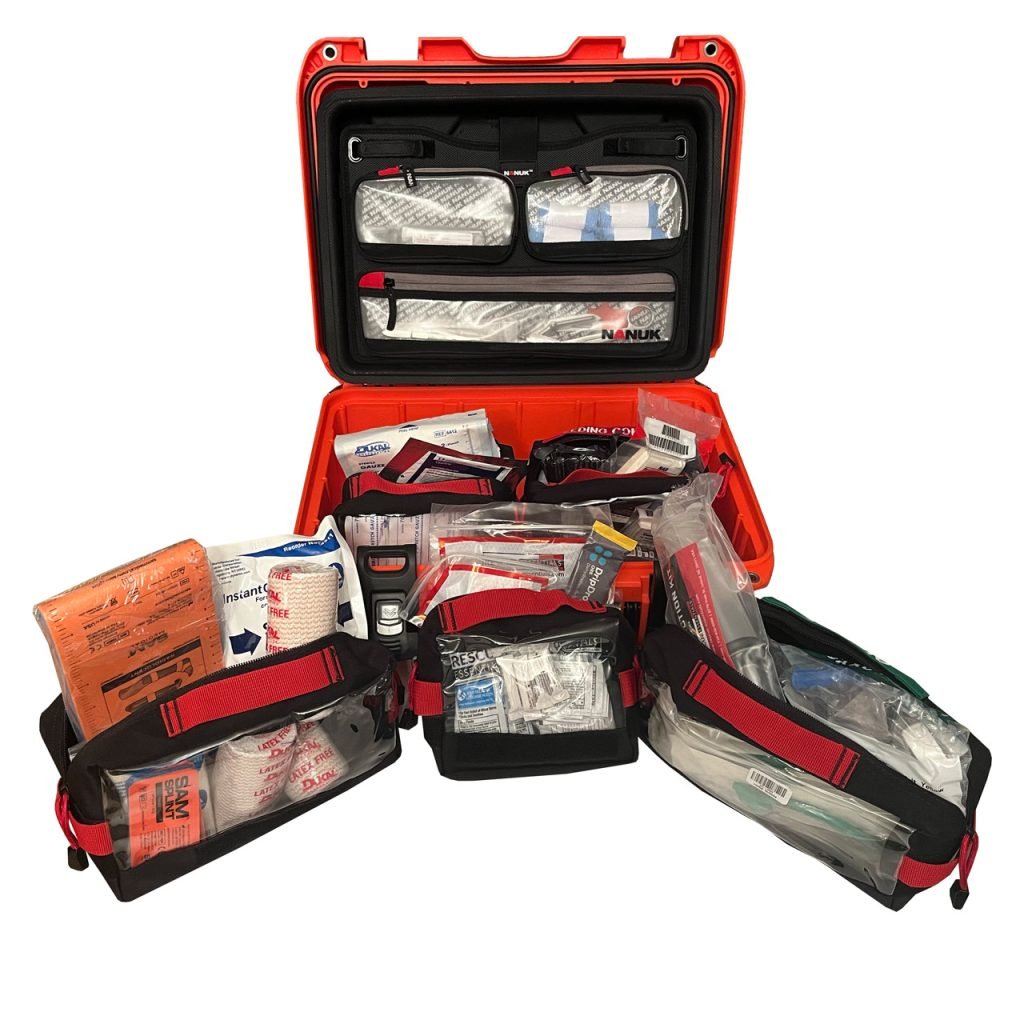
When you’re out on the water, accidents can happen fast. Having a well-stocked marine first aid kit can make all the difference between a minor scare and a serious emergency.
But do you know exactly what should be inside your kit to keep you and your crew safe? You’ll discover the essential items every marine first aid kit must have. Knowing this list can give you peace of mind and prepare you for unexpected situations.
Keep reading to make sure your kit is ready for anything the sea throws your way.
Basic First Aid Supplies
Having the right basic first aid supplies on board is essential for any marine adventure. These supplies can help manage minor injuries and prevent infections. A well-stocked first aid kit ensures safety and preparedness. Let’s explore the key components of basic first aid supplies.
Bandages And Dressings
Bandages and dressings are crucial for covering wounds and stopping bleeding. A variety of sizes and types should be included:
- Adhesive bandages for minor cuts
- Gauze pads for larger wounds
- Elastic bandages for sprains
- Triangle bandages for immobilizing limbs
These items help protect injuries from further harm and infection.
Antiseptics And Ointments
Preventing infection is a priority. Antiseptics and ointments play a key role:
- Alcohol wipes for cleaning wounds
- Antiseptic liquid or spray
- Antibiotic ointment to promote healing
- Hydrocortisone cream for itching or rashes
These supplies ensure wounds are clean and safe from bacteria.
Pain Relief Medications
Managing pain is important to keep everyone comfortable. Pain relief medications should include:
- Aspirin for mild pain
- Ibuprofen for inflammation
- Acetaminophen for fever reduction
- Motion sickness pills for nausea
These medications help address common ailments during marine trips.

Credit: www.amazon.com
Marine-specific Items
A marine first aid kit must include items designed for sea conditions. These items help manage common issues faced on boats or near water. They protect health and improve safety during marine trips.
Marine-specific items focus on problems like seasickness, saltwater wounds, and emergency signals. Each item plays a vital role in handling situations unique to marine environments.
Seasickness Remedies
Seasickness can ruin any trip. Keep remedies handy to ease nausea and dizziness quickly. Common choices include:
- Motion sickness tablets
- Ginger candies or capsules
- Sea-Bands (acupressure wristbands)
- Antihistamines recommended for motion sickness
These items help passengers stay comfortable and alert in rough waters.
Saltwater-approved Treatments
Saltwater causes wounds to sting and heal slower. Use treatments safe for marine exposure. Essentials include:
- Waterproof antiseptic wipes
- Antibiotic ointments that resist saltwater washout
- Sterile saline solution for cleaning wounds
- Waterproof bandages and dressings
These products protect cuts and scrapes from infection and speed healing on the water.
Emergency Signal Devices
Signaling devices alert rescuers in emergencies. Include these in your kit for quick help:
- Waterproof whistle
- Signal mirror
- Flares or LED distress lights
- Personal locator beacon (PLB)
These tools improve your chances of rescue during marine emergencies.
Tools And Equipment
Marine first aid kits must have essential tools and equipment for emergencies. These items help treat injuries quickly and safely. Proper tools improve the chances of recovery on the water. Each tool has a specific use and must be easy to find in the kit.
Scissors And Tweezers
Scissors cut bandages, tape, or clothing fast and clean. Marine-grade scissors resist rust and stay sharp in wet conditions. Tweezers remove small objects like splinters or fishhooks safely. Both tools should have strong handles for a firm grip, even when wet.
Thermometer And Gloves
A thermometer helps check body temperature to spot fever or shock signs. Digital models give quick, accurate readings and are easy to clean. Gloves protect both the injured person and the rescuer from germs. Waterproof, disposable gloves are best for marine use to keep hands clean and dry.
Cpr Masks And Resuscitation Aids
CPR masks allow safe mouth-to-mouth resuscitation without direct contact. They come with one-way valves to prevent fluid transfer. Resuscitation aids include devices like pocket masks or face shields for rescue breaths. These tools are vital for saving lives during drowning or cardiac arrest emergencies.

Credit: rescue-essentials.com
Medications For Common Ailments
Marine first aid kits must include essential medications for common ailments. Seasickness, allergies, and infections can disrupt any marine trip. Having the right medicines ensures safety and comfort on board.
Allergy Medicines
Allergy medicines help control symptoms like itching, swelling, and hives. Antihistamine tablets are common choices for quick relief. Carry creams or ointments for skin reactions. Always include an epinephrine auto-injector if anyone has severe allergies.
Antibiotics And Antihistamines
Antibiotics fight bacterial infections from cuts or wounds. Carry broad-spectrum antibiotics suitable for common infections. Antihistamines reduce allergic reactions and can also help with itchiness. Store these medicines in a waterproof container to keep them safe.
Motion Sickness Tablets
Motion sickness tablets prevent nausea and vomiting caused by boat movement. Choose non-drowsy options for daytime use. Keep enough tablets for all passengers prone to seasickness. Taking them before symptoms start improves effectiveness.
Personal Safety Gear
Personal safety gear is essential in any marine first aid kit. It protects you from weather, sun, and dehydration risks. Proper gear helps prevent injuries and keeps you comfortable on the water. This section highlights key items for your safety and health during marine activities.
Protective Clothing
Protective clothing shields your body from harsh marine elements. Include waterproof jackets, gloves, and non-slip footwear. Lightweight, quick-dry fabrics reduce discomfort and avoid overheating. Bright colors improve visibility in emergencies. A hat with a chin strap protects against wind and sun.
Sun Protection Items
Sun protection is vital on open water. Sunscreen with high SPF prevents burns and skin damage. Lip balm with SPF protects lips from cracking. UV-blocking sunglasses reduce glare and eye strain. A wide-brimmed hat adds extra shade for your face and neck.
Hydration And Electrolyte Supplies
Staying hydrated keeps energy and focus sharp. Carry bottled water or hydration packs in your first aid kit. Electrolyte tablets or powders help replace lost minerals. Avoid sugary drinks that cause dehydration. Small, portable containers are best for easy access.
Maintenance And Storage Tips
Keeping your marine first aid kit in top shape is crucial for safety on the water. Maintenance and storage are often overlooked but can make a big difference when you need quick access to supplies. Let’s look at how you can keep your kit ready and reliable every time you set sail.
Proper Packaging
Use waterproof and durable containers to protect your supplies from moisture and salt. A hard shell case or sealed plastic bag can prevent damage and keep everything organized. Clear labeling helps you find items quickly, which matters most during an emergency.
I once had to deal with a minor cut while boating, and because my kit was properly packed, I found the antiseptic wipes immediately—no fumbling around. Think about your own kit: is it easy to carry and quick to open?
Regular Inspection
Check your kit at least once every few months. Look for expired medications, dried-out ointments, or damaged tools and replace them promptly. Keep a checklist handy to ensure nothing slips through the cracks.
Don’t forget to test items like scissors and tweezers to make sure they still work well. Have you ever reached for a vital item only to find it broken? Avoid that frustration by inspecting your kit regularly.
Safe Storage Practices
Store your kit in a cool, dry place away from direct sunlight to prevent deterioration of supplies. Avoid leaving it in extreme heat or damp areas, such as the bottom of the boat’s hull, where moisture can sneak in.
Consider having more than one kit in different locations on your vessel for faster access. How quickly can you get to your first aid supplies in an emergency? Safe storage could be the difference between calm and chaos.

Credit: rescue-essentials.com
Frequently Asked Questions
What Are Essential Items In A Marine First Aid Kit?
A marine first aid kit should include bandages, antiseptics, pain relievers, scissors, tweezers, and gloves. It also needs seasickness tablets and burn cream. These items help treat common injuries and illnesses on board quickly and effectively.
How Often Should A Marine First Aid Kit Be Checked?
Check your marine first aid kit at least every six months. Replace expired medicines and used supplies immediately. Regular checks ensure the kit is always ready to handle emergencies on water.
Why Is A Marine-specific First Aid Kit Important?
Marine-specific kits contain items tailored for sea emergencies like seasickness tablets and waterproof dressings. They address unique risks faced on boats, ensuring better preparedness and safety for all passengers.
Can I Customize My Marine First Aid Kit Contents?
Yes, customize your kit based on trip length, passenger needs, and boat type. Include extra medication, allergy treatments, or specialized tools. Personalizing improves safety and ensures all possible emergencies are covered.
Conclusion
A well-stocked marine first aid kit can save lives at sea. Knowing essential contents helps you prepare better. Bandages, antiseptics, and pain relievers are must-haves. Include items for burns, cuts, and seasickness too. Regularly check your kit to keep supplies fresh.
Being ready means staying safe on your boat. Simple steps protect you and your crew. Keep your marine first aid kit complete and accessible. Safety starts with good preparation.

I’m Abby Lu, a passionate home cook who loves simplifying everyday meals. At PlugChef.com, I share product reviews and cooking guides to help you find the best tools for your kitchen.
Related posts:
 What Type of Cooking Utensils are Safe: Expert Picks
 What Innovations Could Blenders Make: Unleashing Future Tech
 Smart Strategies to Organize a Small Kitchen: Maximize Space
 How to Organize a Kitchen Cabinet: Expert Tips & Tricks
 How to Organize Kitchen Drawers: Expert Tips and Tricks
 How to Organize a Corner Kitchen Cupboard: Expert Tips

