
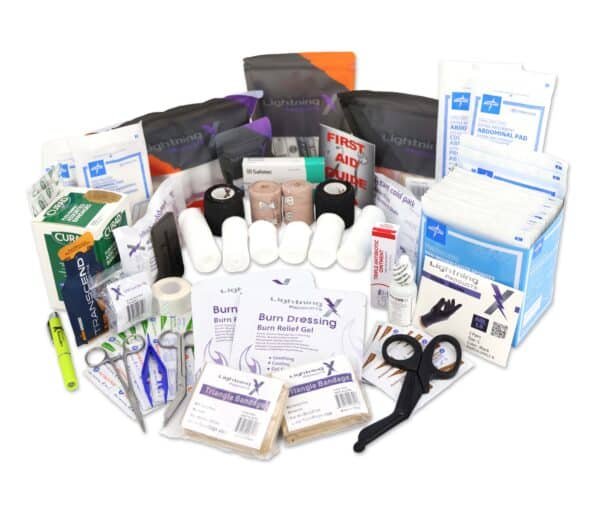
When was the last time you opened your first aid kit to find expired pain relievers, dried-out antiseptic wipes, or bandages that don’t fit any member of your household? For most people, that moment only comes after a minor injury, when missing or outdated supplies turn a small cut or sprain into a far more stressful situation. Keeping your first aid kit fully stocked with up-to-date refill supplies is one of the simplest, most high-impact steps you can take to protect your family, and 2026 first aid guidance emphasizes tailoring your kit to your household’s unique needs rather than relying on generic, one-size-fits-all prepacks.
Below, we break down the non-negotiable refill supplies every kit needs, common restocking mistakes to avoid, and how to store and maintain your supplies for maximum effectiveness when you need them most.
Why Regular First Aid Kit Refills Are Non-Negotiable
Many households only restock their first aid kit after using most of its supplies during an accident, but waiting until your kit is almost empty leaves you vulnerable to unexpected injuries. Sterile gauze pads and adhesive bandages have expiration dates, as the sterile packaging degrades over time and can expose wounds to bacteria. Over-the-counter medications lose efficacy 6–12 months after their printed expiration date, and antihistamines or pain relievers that have passed their prime may not provide adequate relief during an allergic reaction or fever. In practice, most households discover their first aid kit is underprepared only after an injury occurs, when expired medications or missing sterile dressings delay care.
Your kit’s contents should also evolve as your household changes: adding a new baby, bringing a pet home, or managing a new chronic condition like diabetes or severe allergies all require adding specialized supplies to your refill list. These updates ensure your kit works for every person and pet under your roof, not just the generic needs it was originally purchased for.
Core Refill Supplies: What Every Kit Needs
The exact contents of your first aid kit refill will vary based on your household’s size and needs, but all kits should include these foundational categories of supplies, aligned with evidence-based first aid guidelines from the CDC.
Wound Care Foundations
Wound care supplies make up the bulk of most first aid kits, and prioritizing the right sizes and types will help you treat everything from paper cuts to deeper lacerations effectively:
- Adhesive bandages: Stock a mix of small (1×2 inch), medium (2×3 inch), and large (3×4 inch) water-resistant bandages for minor cuts and abrasions. Hydrocolloid bandages are a useful add-on for households with active kids or athletes, as they speed healing for blisters and minor burns.
- Sterile gauze pads: Keep 2×2 and 4×4 inch sterile gauze pads on hand for larger wounds that won’t stop bleeding with a standard adhesive bandage. Pair these with hypoallergenic medical tape to secure the gauze in place without irritating sensitive skin.
- Roller bandages: Elastic roller bandages provide compression for sprains and strains, while gauze roller bandages hold larger dressings in place over wounds. Stock 2-inch and 3-inch widths to fit limbs of all sizes.
- Medical tape: Hypoallergenic paper or cloth tape is a must for securing gauze, and water-resistant tape works well for outdoor or sports-related injuries.
A common restocking mistake is only prioritizing small adhesive bandages, but deeper cuts that require gauze are far more common than many people assume, and running out of sterile gauze can lead to infection if you substitute with a non-sterile cloth.
 A complete first aid kit restocked with 2026 essential supplies for home and travel use
Credit: www.amazon.com
A complete first aid kit restocked with 2026 essential supplies for home and travel use
Credit: www.amazon.com
Infection Prevention Supplies
Proper wound cleaning is the single most important step to preventing infection, and your refill list should include multiple options for different wound types and user sensitivities:
- Antiseptic wipes: Stock 70%+ isopropyl alcohol wipes for surface disinfection of minor cuts and scrapes. For households with alcohol sensitivities or young children, benzalkonium chloride wipes are a non-stinging, alcohol-free alternative that still kill 99.9% of common bacteria.
- Antiseptic creams: Keep a tube of povidone-iodine or bacitracin cream on hand for cuts that may be rubbed by clothing or exposed to dirt. These creams create a protective barrier that reduces infection risk and soothes irritated skin.
- Saline wound wash: Unlike outdated guidance that recommended hydrogen peroxide for routine wound cleaning, 2026 CDC advice notes that hydrogen peroxide can damage healthy tissue and delay healing. Sterile saline solution is the preferred option for irrigating dirty wounds, as it flushes out debris without harming skin cells.
Over-the-Counter Medications
Medications are often the first items to expire in a first aid kit, so prioritize checking dates and restocking these staples every 3 months:
- Pain relievers: Stock both acetaminophen (for fever and mild pain) and ibuprofen (for inflammation, sprains, and muscle aches) in adult and child doses if you have kids in your home. All medications should meet medication safety standards set by the FDA, with clear labeling and child-safe caps.
- Antihistamines: Keep both non-drowsy formulas for daytime allergic reactions and drowsy versions for nighttime use to treat insect bites, seasonal allergies, or unexpected food reactions. If anyone in your household has a history of severe allergies, add an epinephrine auto-injector (EpiPen) to your kit, and check its expiration date monthly.
- Topical treatments: Hydrocortisone 1% cream reduces itching and swelling from rashes and insect bites, while burn gel soothes minor kitchen or sunburns. Anti-diarrheal and antacid medications are also useful add-ons for travel kits or households with young children.
- Pet-safe medications: If you have pets, add vet-approved pain relievers and antiseptic wipes safe for animal use to your kit. Never give human medications to pets without veterinary guidance.
Essential Tools and Safety Gear
Tools make up the smallest portion of your first aid kit, but they are critical for providing safe, effective care:
- Tweezers and scissors: Fine-tip tweezers with a built-in magnifying glass make removing splinters and glass shards easier, while blunt-tip safety scissors cut bandages, tape, or clothing without risking cuts to the patient or responder. Keep your cutting tools sharp with basic tool maintenance to avoid dull edges that struggle to cut through fabric.
- Digital thermometer: A fast-reading digital thermometer with a fever alert helps you determine if a fever requires medical attention. Store it in a protective case to avoid damage.
- Nitrile disposable gloves: Stock at least 5 pairs of latex-free nitrile gloves to protect both you and the injured person from exposure to blood or bodily fluids. Keep extra pairs on hand if you have a large household.
- CPR face shield: A compact face shield with a one-way valve allows for safe mouth-to-mouth resuscitation if needed, reducing the risk of infection transmission during CPR.
- Instant cold packs: Single-use instant cold packs activate with a quick squeeze and require no refrigeration, making them ideal for travel kits. Reusable cold packs are a more cost-effective choice for home kits used frequently for sprains and bruises.
- Emergency blanket: A compact Mylar emergency blanket retains 90% of body heat in cases of shock or cold exposure, and is lightweight enough to store in any kit.
Specialized Supplies for Unique Needs
Depending on your lifestyle and household, you may want to add these specialized supplies to your refill list:
- Eye wash solution for flushing dirt or chemicals from eyes
- Adjustable splints and slings for stabilizing sprains or suspected breaks (only add these if you have basic first aid training to use them properly)
- Extra blister pads and sports tape for active households
- Sunscreen and aloe vera gel for outdoor kits
- Glucose gel for household members with diabetes
 Single-use instant cold packs and emergency supplies for sprains and outdoor injuries
Credit: www.amazon.com
Single-use instant cold packs and emergency supplies for sprains and outdoor injuries
Credit: www.amazon.com
How to Choose the Right Refill Supplies for Your Household
Generic first aid refill packs are a convenient starting point, but tailoring your supplies to your household’s specific needs will ensure you’re prepared for the emergencies most likely to affect you. Start by auditing your current kit: note what items you ran out of in the past year, and add any supplies for new household members, such as child-sized bandages, pet first aid items, or medications for chronic conditions.
If you have young kids, prioritize child-proof caps for all medications, extra adhesive bandages in fun designs to encourage cooperation during care, and liquid formulations of pain relievers for easier dosing. For households with outdoor enthusiasts, add tick removal tools, water purification tablets, and extra cold packs for hiking or camping trips. For pet owners, add a tick remover, vet-approved antiseptic wipes, and a leash or muzzle for injured pets that may act erratically when in pain.
Buying refill supplies in bulk rather than pre-packaged kits can cut costs significantly, and you can use large bulk storage airtight containers to keep excess supplies dry and protected from sunlight until you need them.
Smart Storage and Maintenance to Keep Supplies Effective
Even the best first aid kit refill supplies are useless if they are stored improperly or allowed to expire. Follow these maintenance tips to keep your kit ready for any emergency:
- Store your kit in a cool, dry place out of direct sunlight, away from children and pets. Avoid storing it in a hot car trunk or garage, as extreme heat degrades medications and sterile packaging quickly.
- Organize supplies by category using clear bags or organized supply separation to cut down on search time during an emergency. Label each section clearly so anyone in the household can find what they need.
- Check expiration dates every 3 months, and replace any expired or damaged items immediately. Mark restocking dates on a physical checklist inside your kit, or set a recurring phone reminder to avoid forgetting.
- For portable mini kits for cars, purses, or backpacks, use compact portable kits that seal tightly to prevent spills and moisture damage.
If you have pets, store their first aid supplies in a separate pet supply storage section of your kit to avoid mixing up human and animal medications, which can be fatal for pets.
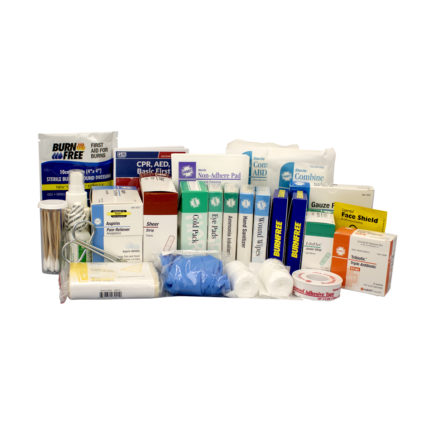 A sorted first aid kit with separated supplies for fast access during emergencies
Credit: firstaidsuppliesonline.com
A sorted first aid kit with separated supplies for fast access during emergencies
Credit: firstaidsuppliesonline.com
Common First Aid Kit Refill Mistakes to Avoid
Even experienced first aid users make avoidable errors when restocking their kits. Avoid these common pitfalls to keep your kit as effective as possible:
- Only restocking what you used last: Always do a full audit of your kit when refilling, checking for expired medications, degraded sterile supplies, and missing items you may not have used in your most recent incident.
- Ignoring household-specific needs: A generic kit works for minor cuts, but it won’t help if someone has a severe allergic reaction and you don’t have an EpiPen, or if your dog gets a tick bite and you don’t have a proper remover.
- Storing supplies in extreme temperatures: Heat and cold degrade medications, break down adhesive on bandages, and compromise the sterility of gauze and dressings. Keep your kit in a temperature-controlled area of your home.
- Skipping instructions: Even if you know basic first aid, include a printed first aid quick reference guide in your kit for untrained caregivers or visitors who may need to provide care in an emergency.
- Buying cheap, unbranded supplies: Unvetted medical supplies may not meet sterility or safety standards, putting you at risk of infection or ineffective care. Stick to FDA-approved products from reputable retailers.
Frequently Asked Questions
What are the most critical first aid kit refill supplies to prioritize?
The highest-priority refill supplies are sterile 4×4 gauze pads, medical tape, 70% isopropyl alcohol wipes, adhesive bandages in multiple sizes, nitrile gloves, and both adult and child-dose pain relievers. These items address 90% of common household injuries, from minor cuts to burns and sprains, per CDC guidance.
How often should I refill my first aid kit?
Check your first aid kit every 3 months for expired items, and refill it immediately after any use. Medications and sterile supplies can degrade even if unused, so a regular audit schedule is more reliable than waiting until your kit is almost empty.
Where can I buy quality first aid kit refills?
Quality refill supplies are available at most pharmacies, medical supply stores, and reputable online retailers. Look for FDA-approved products with clear expiration dates, and avoid cheap unbranded supplies from unvetted third-party sellers.
Why is it important to keep first aid kit supplies updated?
Expired medications may not provide adequate relief for pain or allergic reactions, and degraded sterile dressings can expose wounds to harmful bacteria. Updated supplies ensure your kit is reliable when you need it most, reducing the risk of complications from minor injuries.
Conclusion
A well-stocked first aid kit is one of the simplest ways to reduce stress and improve outcomes during minor household emergencies. Prioritize refilling wound care supplies, infection prevention items, and household-specific medications every 3 months, store your kit in a cool, dry place, and avoid common restocking mistakes to keep it ready for use at a moment’s notice.
Take 10 minutes this week to audit your first aid kit, replace expired items, and add any supplies specific to your family’s needs. For more tips on building a resilient home preparedness plan, browse our full preparedness guides on the PlugChef blog.

I’m Abby Lu, a passionate home cook who loves simplifying everyday meals. At PlugChef.com, I share product reviews and cooking guides to help you find the best tools for your kitchen.
Related posts:
 Is Nylon Cooking Utensils Safe? Unveiling the Truth
 Is Bamboo Good for Cooking Utensils: Discover the Benefits
 Can You Cut Raw Meat on a Wood Cutting Board Safely?
 Harbor Freight First Aid Kit: Essential Safety Gear for Emergencies
 First Aid Kit Supplies Refills: Essential Items You Must Restock
 10 Person First Aid Kit: Essential Gear for Emergencies

