
If you operate a commercial motor vehicle (CMV) in the U.S., carrying a DOT first aid kit isn’t just a best practice—it’s a federal legal requirement. Non-compliance can lead to costly FMCSA fines, out-of-service orders that halt your route, and increased liability if an injury occurs during an emergency. But far too many operators only learn their kit is non-compliant during a roadside inspection, when it’s too late to fix the issue. This 2026 essential guide breaks down exactly what your DOT first aid kit needs to include, how to meet current federal and state requirements, and how to maintain your kit to stay inspection-ready year-round. Whether you’re a solo long-haul trucker, fleet manager, or safety compliance officer, you’ll find actionable, up-to-date guidance to avoid common pitfalls and keep your team safe on the road.
What Are DOT First Aid Kit Requirements?
DOT first aid kit requirements are federal rules set by the U.S. Department of Transportation to ensure commercial vehicles are prepared to treat minor injuries during transit, before professional medical help is available. These requirements are designed to reduce the severity of injuries, limit liability for carriers, and standardize emergency response across the commercial transportation industry.
Who Is Required to Carry a DOT-Compliant Kit?
Many operators mistakenly believe all drivers need a DOT first aid kit, but requirements only apply to specific commercial use cases. You are required to carry a compliant kit if you operate:
- A CMV with a gross vehicle weight rating (GVWR) over 10,000 lbs used in interstate commerce
- A vehicle transporting hazardous materials (hazmat) across state lines
- A passenger carrier with a capacity of 15 or more people (including the driver) Personal passenger vehicles, small delivery vans under 10,000 lbs GVWR, and intrastate vehicles not covered by FMCSA jurisdiction are not subject to these federal requirements, though many state safety guidelines recommend carrying a basic first aid kit for all road travel.
Alignment With ANSI/ISEA Z308.1 Standards
The U.S. Department of Transportation does not publish its own standalone first aid kit standard. Instead, current DOT first aid kit requirements align with the ANSI/ISEA Z308.1 standard for workplace first aid kits, as enforced by the Federal Motor Carrier Safety Administration for all commercial motor vehicles operating in U.S. interstate commerce. The most recent revision to this standard was published in 2024, and all CMVs must comply with the updated supply minimums for 2026 per ANSI public guidelines. Pre-built kits labeled as meeting ANSI/ISEA Z308.1 Class B requirements automatically satisfy DOT minimums for most commercial use cases.
Mandatory Kit Contents and Quantity Specifications
DOT first aid kits are not random collections of supplies—they are carefully curated to address the most common injuries that occur on the road, from minor cuts and blisters to sprains and minor burns. All kits must meet the minimum quantity requirements outlined in the ANSI/ISEA Z308.1 Class B standard, which is the baseline for DOT compliance.
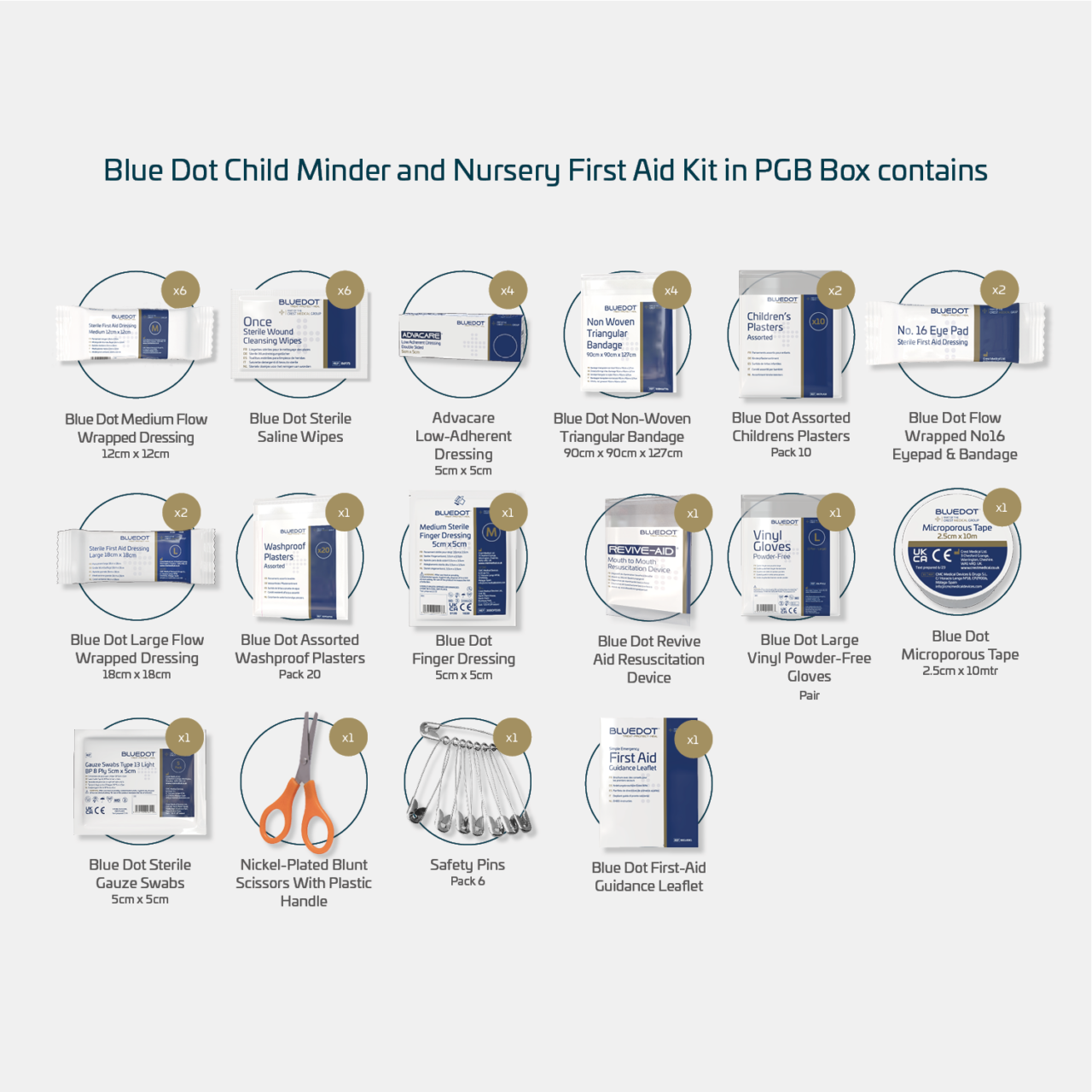 This kit meets all 2026 DOT first aid kit requirements for commercial motor vehicles.
Credit: www.firstaid.org.uk
This kit meets all 2026 DOT first aid kit requirements for commercial motor vehicles.
Credit: www.firstaid.org.uk
Core Required Supplies
The table below outlines the mandatory supplies and minimum quantities for a standard DOT-compliant first aid kit for general CMV use:
| Supply Item | ANSI Class B Minimum Quantity | Common Use Case |
|---|---|---|
| Adhesive bandages (1" x 3" or larger) | 32 | Treating minor cuts, blisters, and skin abrasions |
| Sterile gauze pads (3" x 3") | 16 | Absorbing blood from larger wounds, protecting injuries from contamination |
| Adhesive tape (1" wide, hypoallergenic) | 1 roll | Securing gauze and bandages in place |
| Antiseptic wipes (alcohol-free preferred) | 20 | Cleaning wounds to reduce infection risk |
| Burn dressing (sterile, 4" x 4") | 2 | Treating minor thermal or chemical burns |
| Disposable nitrile gloves (exam-grade) | 8 pairs | Protecting both the responder and injured party from bloodborne pathogens |
| Medical-grade scissors (4.5" blunt tip) | 1 pair | Cutting tape, gauze, and clothing without injuring the patient |
| Tweezers (pointed tip) | 1 pair | Removing splinters, glass, and debris from wounds |
| Elastic bandage (2" wide, 4 yard roll) | 1 | Treating sprains, strains, and providing compression for injuries |
| Instant cold pack (single-use) | 2 | Reducing swelling and pain for sprains and bruises |
Special Requirements for Hazmat Carriers
If you transport hazardous materials, you will need additional first aid supplies specific to the hazard class of your cargo. For example:
- Class 3 (flammable liquids) carriers must include fire-resistant gloves and extra burn dressings
- Class 8 (corrosive materials) carriers need eyewash solution and chemical neutralization gels Always cross-reference your cargo’s hazard class with FMCSA Hazardous Materials Regulations to confirm all required supplemental supplies for your route.
Compliance Standards and Enforcement
Meeting DOT first aid kit requirements is not a one-time task—it requires ongoing adherence to federal and state rules to avoid penalties.
Federal Compliance Rules
The Federal Motor Carrier Safety Administration (FMCSA) conducts random roadside inspections and weigh station checks to verify CMV safety compliance, including first aid kit requirements. If your kit is missing required items, has expired supplies, or is stored in an inaccessible location, you will receive a deficiency notice, and your vehicle may be placed out of service until the issue is resolved. Fines for non-compliance range from $250 to $1,000 per violation, and repeated offenses can result in higher penalties for your carrier, as well as increased scrutiny during future inspections.
State and Local Variations
While federal DOT requirements set the baseline, many states have additional first aid kit rules for CMVs operating within their borders. For example:
- California requires all CMVs to carry a CPR face shield alongside standard first aid supplies
- Texas mandates extra burn dressings and cold packs for vehicles operating in rural areas with limited access to medical care Fleet managers operating across multiple states should use a master checklist that meets the strictest state requirements they will encounter to ensure full compliance nationwide.
Maintaining Your Kit for Ongoing Compliance
A compliant first aid kit is only useful if supplies are unexpired, fully stocked, and immediately accessible when needed. Regular maintenance is a core part of meeting DOT first aid kit requirements.
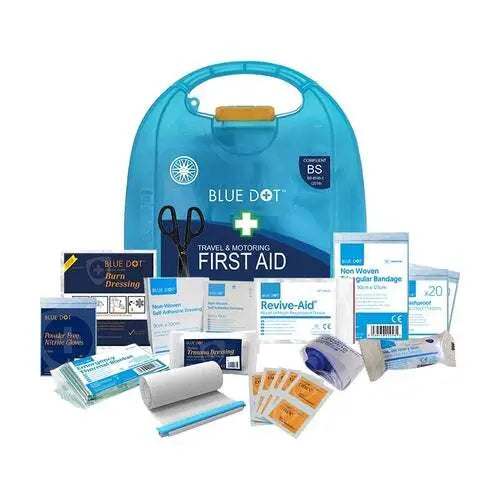 Mounted kits are a compliant option for CMVs, as they stay secure during transit and are easily accessible.
Credit: www.firstaidwarehouse.co.uk
Mounted kits are a compliant option for CMVs, as they stay secure during transit and are easily accessible.
Credit: www.firstaidwarehouse.co.uk
Routine Inspection Checklist
Conduct full kit inspections at least once per quarter, and perform quick visual checks before every long haul. Use this checklist to ensure full compliance:
- Verify all required items are present and meet ANSI Class B quantity minimums
- Check expiration dates on all perishable supplies (antiseptic wipes, burn gel, cold packs) and replace any expired items
- Inspect packaging for tears, moisture damage, or tampering that could compromise sterility
- Confirm the kit is stored in an accessible, unobstructed location that does not require tools or keys to open
- Verify all crew members know where the kit is located and how to use its core supplies In practice, keeping a dated inspection log (physical or digital) of each audit makes it easy to track restocking needs and prove compliance during inspections.
Replacing Expired and Used Supplies
Even unused first aid supplies have limited shelf lives: antiseptic wipes dry out, burn gel loses efficacy, and adhesive bandages lose sterility over time. Restock your kit immediately after any use, and set calendar reminders for quarterly inspections to catch expired supplies before they become a compliance issue. For small work vehicles or supplemental personal kits, a durable, sealed compartmentalized supply storage keeps small items like antiseptic wipes and bandages from shifting during transit and protects them from moisture.
Selecting the Right DOT First Aid Kit
Not all first aid kits meet DOT requirements, and choosing the right one for your vehicle and use case will simplify compliance and improve emergency response outcomes.
Kit Types for Different Use Cases
ANSI/ISEA Z308.1 Class B kits come in three primary types, each suited for different CMV use cases:
- Type II (Portable General Purpose): The most common option for solo long-haul drivers, these compact kits fit easily in sleeper cabs or under seats, and meet all baseline DOT requirements for single-operator vehicles.
- Type III (Specialized/High-Risk): Larger kits with extra supplies, ideal for fleet vehicles with multiple crew members, or CMVs operating in remote areas with limited medical access. They include additional burn treatments, elastic bandages, and cold packs for more severe injuries.
- Mounted Kits: Designed to be secured to a cab wall or storage compartment, these kits stay in place during rough transit and are required for CMVs that frequently travel on unpaved or uneven roads. Solo operators of small commercial vehicles often opt for a compact kit that fits in a portable sealed container under the passenger seat or in a glove box for quick access.
Certified vs. Non-Certified Kits
Only purchase first aid kits explicitly labeled as meeting ANSI/ISEA Z308.1 Class B standards, as uncertified generic "road trip" kits almost never meet DOT minimum quantity requirements. Avoid kits that do not include certification documentation from the manufacturer, as you will be required to prove compliance during inspections. If you build a custom kit to add supplemental supplies for your specific route or cargo, keep a detailed inventory of all included items and their quantities to present to inspectors if requested. Fleet managers keeping backup stock of first aid supplies should store them in a cool, dry location; large, airtight bulk supply storage protects stock from temperature extremes and moisture in warehouse or garage settings.
Common Compliance Mistakes to Avoid
Even experienced operators make avoidable errors that put their compliance at risk. Avoid these common pitfalls:
- Inaccessible storage: Storing your kit in a locked toolbox, under heavy cargo, or in a location that requires tools to open fails federal requirements. The kit must be immediately accessible to any responder without obstruction.
- Incomplete or expired supplies: Missing even one required item, or having expired antiseptic wipes or burn gel, is an immediate compliance violation. Conduct quarterly inspections to catch gaps early.
- Using personal road trip kits: Personal first aid kits are designed for 1-2 people and lack the quantity of supplies required for CMV compliance. Never substitute a personal kit for a DOT-compliant one.
- Ignoring state-specific rules: If you operate across state lines, failing to meet stricter state requirements (like California’s CPR face shield mandate) will still result in a violation, even if your kit meets federal baseline rules. A common mistake we see in fleet compliance audits is operators storing first aid kits in locked compartments "for security"—this fails federal requirements, as the kit must be immediately accessible to any responder without tools or keys in the event of an emergency. For CMVs operating in remote areas with limited medical access, adding supplemental supplies like extra cold packs and elastic bandages is recommended; store these alongside your DOT kit in a rugged extra supply tote for quick access during emergencies. Operators of food service commercial vehicles (such as food trucks) must store first aid kits separate from food preparation and storage areas to avoid cross-contamination; dedicated food-safe storage containers work well for keeping medical supplies isolated from perishable goods.
Frequently Asked Questions
What happens if my DOT first aid kit is non-compliant during a roadside inspection?
FMCSA officers will issue a deficiency notice, and your vehicle may be placed out of service until the kit is brought into compliance. Fines for non-compliance range from $250 to $1,000 per violation, and repeated offenses can result in higher penalties for your carrier.
Do personal passenger vehicles need DOT-compliant first aid kits?
No, DOT first aid kit requirements only apply to commercial motor vehicles operating in interstate commerce with a GVWR over 10,000 lbs, hazmat carriers, and passenger vehicles with a capacity of 15 or more people. Personal passenger vehicles are not subject to these federal requirements, though many states recommend carrying a basic first aid kit for road trips.
Can I build my own DOT first aid kit instead of buying a pre-certified one?
Yes, as long as all required supplies meet the ANSI/ISEA Z308.1 Class B quantity minimums, are unexpired, and stored in a compliant, accessible container. Many fleet managers build custom kits to add supplemental supplies for their specific routes and cargo, but you must keep documentation proving the kit meets all requirements for inspections.
How do I know if my kit meets the 2026 updated requirements?
Check that your kit meets the 2024 edition of ANSI/ISEA Z308.1, which is the current standard referenced by DOT for 2026 compliance. Pre-built kits will have a label noting the ANSI standard they meet, and custom kits should be audited against the latest ANSI supply list to confirm compliance.
Final Takeaways
Staying compliant with DOT first aid kit requirements is a simple but critical part of CMV safety and operations. By selecting a certified kit, conducting regular inspections, and staying up to date with federal and state rule changes, you can avoid costly penalties and ensure you’re prepared for emergencies on the road. A well-stocked, compliant first aid kit does more than check a box—it protects your drivers, reduces your liability, and can make a life-saving difference in the critical minutes before professional medical help arrives. Don’t wait for an inspection or an accident to verify your kit’s status: make quarterly maintenance a routine part of your safety checks. If you manage a fleet or are responsible for CMV safety compliance, download our free printable DOT first aid kit inspection checklist to streamline your quarterly audits and avoid unexpected deficiency notices during roadside checks.

I’m Abby Lu, a passionate home cook who loves simplifying everyday meals. At PlugChef.com, I share product reviews and cooking guides to help you find the best tools for your kitchen.
Related posts:
 Salad With Avocado And Bacon: Ultimate Fresh & Crispy Delight
 Chex Mix Ranch Dressing Recipe: Irresistibly Creamy & Crunchy Delight
 Fleischmann’S Simply Homemade Cornbread Mix: Irresistible, Easy Recipes
 Browned Butter And Mizithra Cheese: Irresistible Flavor Combo Revealed
 Remove Coffee Stains from Mugs: Easy Hacks for a Spotless Shine
 Pitcher of Mint Julep Recipe: Refreshing Southern Classic Made Easy

