
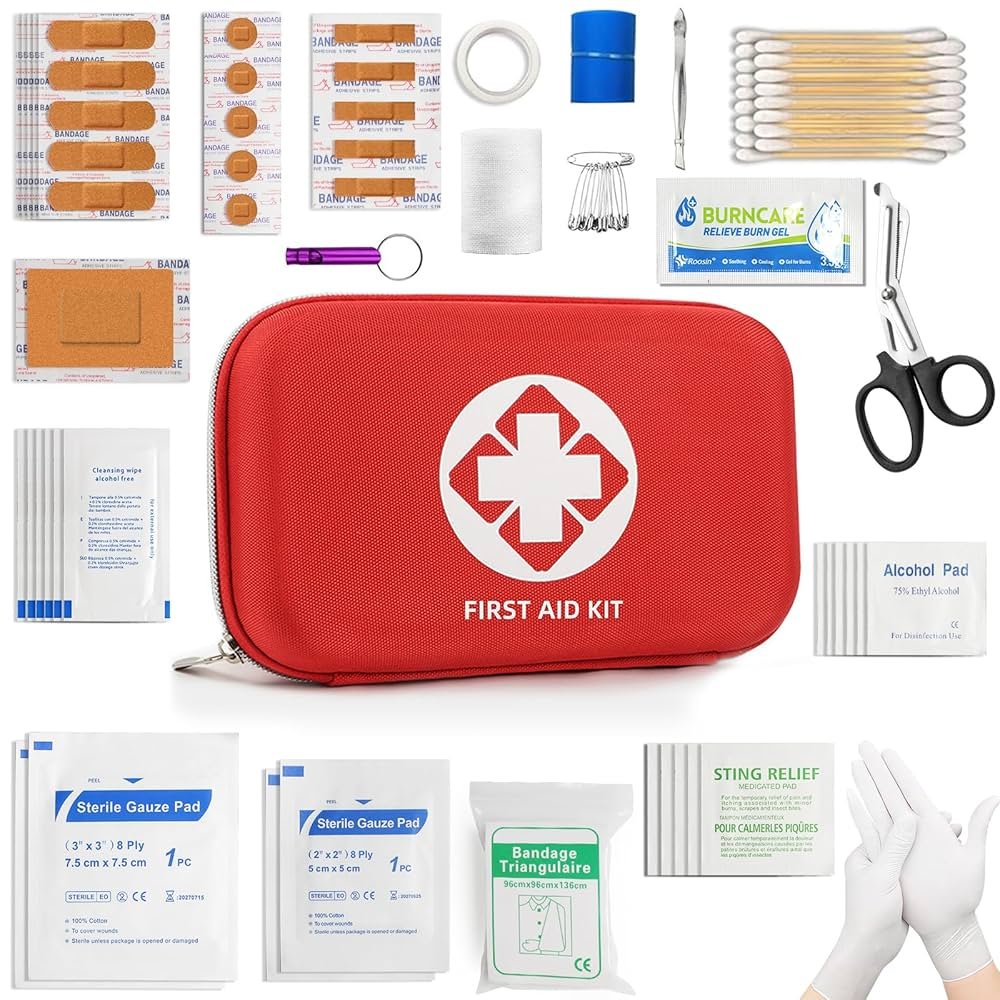
In 2026, youth and amateur sports participation remains at record highs, with coaches, parents, and even teammates often serving as first responders on the sidelines before medical staff arrive. A properly stocked sports first aid kit bridges the gap between injury and professional care, reduces recovery time for minor issues, and prevents avoidable complications from escalating. This guide outlines a curated, up-to-date contents list tailored for common field and court sports, aligned with 2026 guidance from leading sports medicine and first aid authorities.
Who Needs a Sports First Aid Kit?
A dedicated sports first aid kit is not just for professional teams or organized leagues. It’s a critical safety tool for anyone involved in athletic activity, from casual backyard games to competitive travel tournaments. For more on this, see our guide on safety first cabinet and drawer latches.
Youth and Amateur Sports Teams
Youth sports leagues require a dedicated kit for every practice and game, as children are more prone to falls, sprains, and lacerations, and school nurse coverage is not always available at away games. Kits for youth teams should include child-sized supplies and age-appropriate medication dosages with written parental consent.
Individual Athletes and Recreational Players
Even solo runners, cyclists, or gym-goers should carry a mini kit, as remote trails or off-peak gym hours mean professional help may be 15+ minutes away. A compact kit fits easily in a running belt, bike saddle bag, or gym backpack. For more on this, see our guide on safety first appliance lock.
Coaches and Event Organizers
Coaches and event staff are legally designated as first responders in many youth and amateur leagues, and are required to have immediate access to a fully stocked kit. A team kit should hold enough supplies to treat multiple athletes at once during tournaments or multi-game days.
Traveling Teams and Tournament Participants
Away games and travel tournaments often lack on-site medical staff, so a backup, portable kit is non-negotiable. Pack extra supplies in case of delays or extended time between games, and ensure all traveling staff know where the kit is stored. For more on this, see our guide on safety first cabinet locks.
Core Essential Items for Every Sports First Aid Kit
These items cover the vast majority of common sports injuries, from minor cuts and scrapes to sprains and strains, and are required for any kit regardless of the sport.
Wound Care Supplies
Bandages and dressings are your first line of defense against lacerations, abrasions, and turf burns. Stock your kit with:
- Sterile gauze pads in 2×2 and 4×4 inch sizes for larger wounds
- Hypoallergenic adhesive bandages in assorted sizes for small cuts and blisters
- Liquid adhesive skin closures for small, deep cuts that do not require stitches
- Individually wrapped antiseptic wipes (alcohol or benzalkonium chloride for athletes with alcohol sensitivities) to clean wounds on the go
- Antibiotic ointment packets to reduce infection risk for abrasions A common mistake in amateur kits is only packing small adhesive bandages, which are useless for larger turf or court abrasions. For more on this, see our guide on cabinet locks safety first.
Injury Support and Pain Management
These supplies reduce pain, limit swelling, and stabilize injuries to prevent further damage:
- 2-inch and 4-inch elastic ACE wraps for sprains and muscle strains
- Rigid athletic tape for joint support and finger/toe taping
- Reusable cold packs for long-term recovery, plus 2-3 instant cold packs that activate without a freezer for tournaments or travel
- Over-the-counter pain relievers (acetaminophen or ibuprofen, in child and adult doses for youth-serving kits) with clear dosage instructions printed on the kit inventory Avoid aspirin for athletes under 19 due to Reye’s syndrome risk, and never include prescription medications unless a licensed team medic is present to administer them.
Personal Protective Equipment (PPE) for Responders
PPE protects both you and the injured athlete from infection and further harm during treatment:
- At least 5 pairs of nitrile disposable gloves (non-latex to avoid allergic reactions) for treating bleeding injuries
- A CPR mask with a one-way valve, per current American Heart Association first aid guidelines, to eliminate fluid exposure during rescue breathing while maintaining effective ventilation for an unresponsive athlete
- Safety glasses to protect against splashes of blood, sweat, or foreign debris when treating facial injuries
- A disposable face mask for added respiratory protection during close contact with injured athletes
Emergency Response Tools
These low-cost items are critical for serious emergencies when professional help is delayed:
- A loud, pealess whistle for signaling for help in noisy stadiums or remote fields; it works even when wet and requires no batteries
- A lightweight Mylar emergency blanket that reflects 90% of body heat to prevent hypothermia and shock after serious injuries, weighing less than 2 ounces
- A small flashlight with extra batteries for evening games or power outages at events
 Credit: www.amazon.ca
A well-organized kit laid out by category cuts down on response time during emergencies.
Credit: www.amazon.ca
A well-organized kit laid out by category cuts down on response time during emergencies.
Advanced Supplies for High-Risk Sports
These items are not required for casual recreational play, but are critical for high-contact or high-injury-risk sports like football, hockey, soccer, and competitive track and field. For more on this, see our guide on safety first magnetic cabinet locks.
Splinting and Immobilization Tools
A moldable SAM splint is far more versatile than rigid plastic splints, as it can be shaped to fit any limb for ankle sprains, wrist fractures, or finger injuries. Include trauma shears with a rounded tip to cut clothing, tape, or rigid shoe/helmet material without moving an injured limb—this is a critical item many amateur kits overlook, and it prevents exacerbating neck or spine injuries during removal of restrictive gear.
Sport-Specific Additions
Tailor your kit to the unique risks of your sport:
- Collision sports (soccer, football, hockey): Add an eye patch, a printed concussion recognition card, and extra rigid tape for joint support
- Water sports (swimming, water polo): Add water-resistant bandages, ear drops for swimmer’s ear, and a small quick-dry towel for drying athletes before treatment
- Running and cycling: Add blister treatment supplies (moleskin, hydrocolloid dressings), a tick removal tool, and a small reflective blanket for roadside emergencies
Medication and OTC Considerations
Only include non-prescription medications in your kit, and check expiration dates monthly. For youth kits, carry child-specific doses of pain relievers and antihistamines for allergic reactions, with written parental consent and clear dosage instructions for common age and weight ranges. Keep all medications in a sealed, labeled pouch away from children’s reach to avoid accidental ingestion.
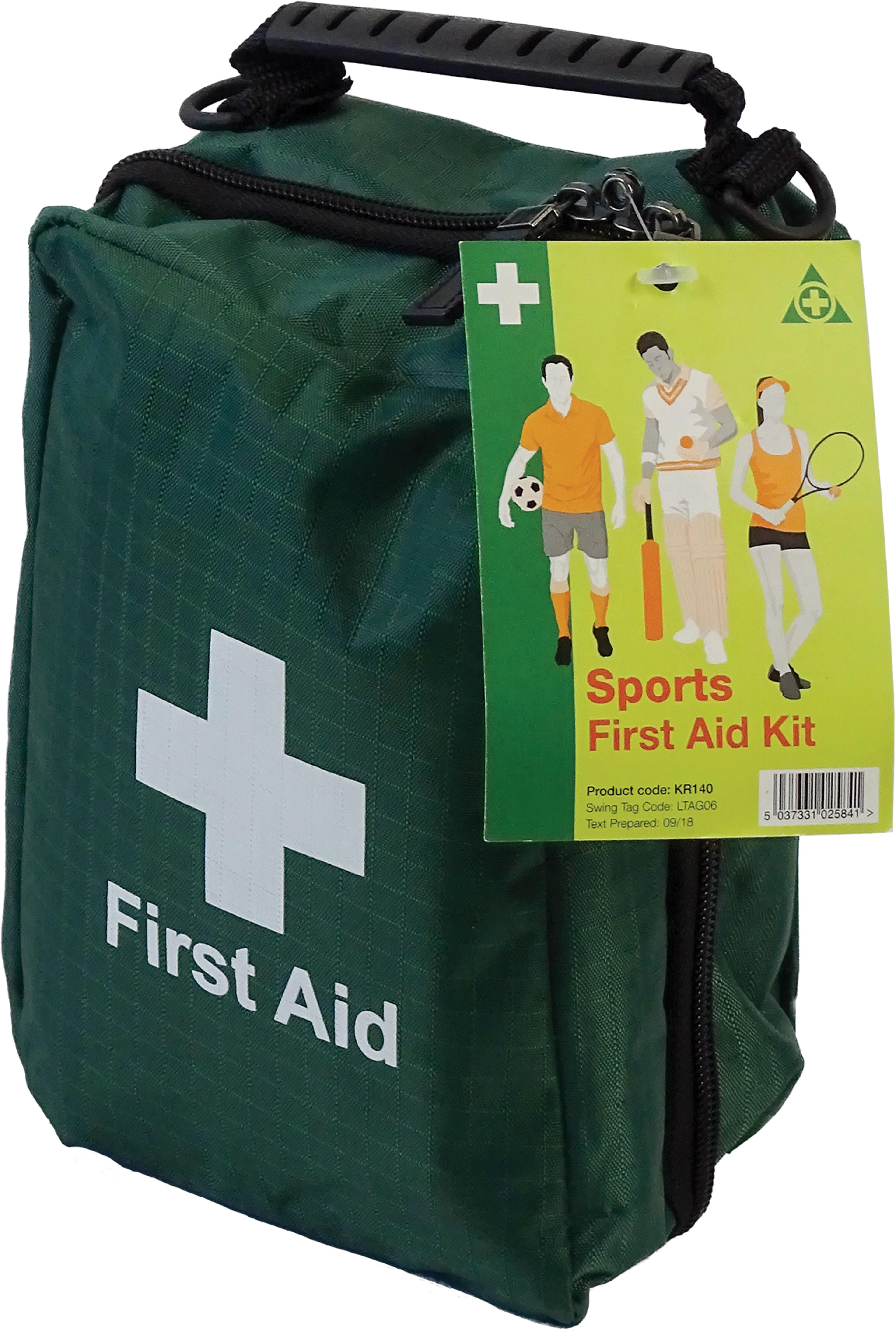 Credit: www.glsed.co.uk
Labeled compartments let multiple responders access supplies quickly without fumbling during high-stress situations.
Credit: www.glsed.co.uk
Labeled compartments let multiple responders access supplies quickly without fumbling during high-stress situations.
Organizing and Maintaining Your Sports First Aid Kit
A well-stocked kit is useless if supplies are scattered, expired, or hard to access during an emergency. Follow these steps to keep your kit ready for use at all times.
Group Items by Category for Quick Access
Use labeled pouches or small divided storage containers to group supplies by use case: wound care, injury support, PPE, and emergency tools. Small divided storage containers work perfectly for separating sterile dressings from medications to avoid cross-contamination, and durable options hold up far better than flimsy baggies in wet, muddy sideline conditions. For a waterproof, impact-resistant outer case that protects supplies from rain and drops, a sturdy lidded storage bin is far more reliable than standard soft first aid bags for team or travel kits.
Monthly Inspection and Restocking Routine
Set a recurring monthly reminder to check every item in your kit. Discard any expired medications, ointments, or adhesive products immediately, as they lose effectiveness and can cause irritation or infection. Restock used supplies right away, and keep a printed inventory list inside the kit to track what’s running low. Pre-portioning individual electrolyte servings in small leak-proof containers prevents spills in a crowded sports bag and makes it easy to hand out to dehydrated teammates fast.
Storage Best Practices
Store the kit in a consistent, easy-to-access location that all team members or family members know: a dedicated shelf in the equipment room, a locked compartment in the team bench, or a waterproof pouch in your sports bag. Avoid storing it in extreme heat or direct sunlight, which can degrade adhesive and medication potency. If you’re managing a team kit, a large sealed storage tote is large enough to hold extra cold packs, wraps, and bulk dressings without taking up too much space in an equipment locker. For away games, keep a backup kit in your vehicle in case the main kit is left at the field.
Training for Kit Users
A kit is only useful if people know how to use its supplies. Require all coaches and team captains to complete a basic first aid and CPR certification every 2 years, per National Athletic Trainers’ Association sideline emergency preparedness guidance. Run quick 10-minute drills at the start of each season to practice accessing supplies, applying wraps, and recognizing when an injury needs professional care.
 Credit: www.walmart.com
Durable hard cases protect supplies from moisture and impact during transport to games and practices.
Credit: www.walmart.com
Durable hard cases protect supplies from moisture and impact during transport to games and practices.
When to Seek Professional Medical Care
Even with a well-stocked first aid kit, some injuries require evaluation by a doctor, athletic trainer, or emergency medical services. Seek immediate professional care for any injury with obvious deformity (e.g., a bone sticking out, a joint that looks out of place), inability to bear weight on a limb, loss of consciousness, severe bleeding that doesn’t stop after 10 minutes of direct pressure, or signs of a concussion (confusion, nausea, vision changes, memory loss). For less severe injuries that don’t improve after 24-48 hours of rest and home care, schedule an appointment with a sports medicine provider to avoid long-term damage.
Frequently Asked Questions
What items are non-negotiable for every sports first aid kit?
Non-negotiable items include sterile gauze pads, adhesive bandages in multiple sizes, antiseptic wipes, elastic ACE wraps, athletic tape, instant cold packs, nitrile disposable gloves, a CPR mask with one-way valve, a whistle, trauma shears, and over-the-counter pain relievers with clear dosage instructions. These supplies cover the vast majority of common sports injuries including cuts, abrasions, sprains, strains, and bruising.
Can I use a regular household first aid kit for sports?
Standard household first aid kits lack sport-specific supplies like rigid athletic tape, SAM splints, and blister treatment tools, and often don’t have enough wound care supplies for multiple athletes. They also rarely include PPE for responders, which is critical for sports settings where bodily fluid exposure is common. It’s worth investing in a dedicated sports kit or augmenting a household kit with sport-specific add-ons.
How big should a sports first aid kit be?
Size depends on use case: a mini 6×8 inch kit is sufficient for solo athletes, while team kits should be at least 12×10 inches to hold supplies for 10+ players. Prioritize portability for travel, but ensure there’s enough space to organize supplies by category so you don’t waste time searching during an emergency.
Are instant cold packs as effective as reusable ice packs?
For immediate first aid, instant cold packs are just as effective at reducing swelling and numbing pain for the first 20-30 minutes of treatment, which is the critical window after an acute injury. Reusable ice packs are more cost-effective for long-term recovery, so it’s best to carry both if you have space.
How often should I restock my sports first aid kit?
Inspect your kit monthly to replace used or expired items, and do a full pre-season check for team kits. Restock any used supplies immediately after a game or practice, so you’re never caught without essentials for the next event.
Conclusion
A well-stocked, properly maintained sports first aid kit is one of the simplest, most high-impact investments you can make for athlete safety. It reduces recovery time for minor injuries, prevents avoidable complications, and gives players, coaches, and parents peace of mind that they’re prepared for the unexpected. By tailoring your kit to your sport, inspecting it monthly, and ensuring all users have basic first aid training, you can create a safer environment for everyone on the field, court, or track. Stock your kit this week, and you’ll be ready to handle minor injuries confidently the next time you’re on the sidelines.

I’m Abby Lu, a passionate home cook who loves simplifying everyday meals. At PlugChef.com, I share product reviews and cooking guides to help you find the best tools for your kitchen.
Related posts:
 Crab Salad With Canned Crab: Easy, Delicious, and Refreshing Recipe
Red Wine And Ginger Ale: Refreshing Twist for Perfect Cocktails
Crab Salad With Canned Crab: Easy, Delicious, and Refreshing Recipe
Red Wine And Ginger Ale: Refreshing Twist for Perfect Cocktails
 Baked Chicken With Parchment Paper: Easy, Juicy & Healthy Recipe
 Receta De Coditos Con Jamon: Easy, Delicious, and Quick Meal Ideas
 How to Safely Clean Wooden Cutting Boards Using Vinegar: Expert Guide
 How to Cut Triangle Cheese for Charcuterie Board: Expert Tips

