
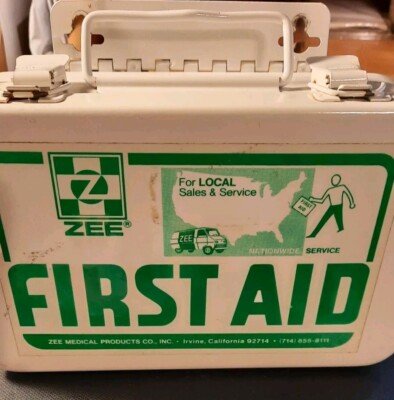
When an unexpected injury strikes—whether it’s a kitchen laceration, a workplace burn, a camping sprain, or a car accident—every second counts. A well-stocked first aid kit bridges the critical gap between the incident and professional medical care, reducing infection risk, limiting injury severity, and even saving lives. The Zee Medical First Aid Kit is engineered to meet rigorous safety standards for home, workplace, vehicle, and outdoor use, eliminating the guesswork of building a kit from scratch. This guide breaks down its features, proper use, maintenance, and customization to help you build a reliable foundation for your emergency preparedness plan.
Why First Aid Kits Are a Non-Negotiable Part of Modern Emergency Preparedness
Unintentional injuries remain a top cause of preventable death in the U.S., per CDC data, and immediate first aid administered within the first 3 minutes of an incident can drastically reduce long-term harm, scarring, and recovery time. A stocked kit eliminates the panic of searching for supplies mid-emergency, letting you focus on stabilizing the injured person.
The Critical Window for Immediate Care
For common injuries like cuts, burns, and sprains, quick intervention prevents minor issues from escalating. Cleaning a wound with antiseptic within minutes of injury cuts bacterial growth risk by up to 80%, while applying pressure to a bleeding wound within 5 minutes can prevent life-threatening blood loss. The Zee Medical kit is organized to let you access the right supply in seconds, even under high stress.
Regulatory Requirements for Home, Work, and Vehicle Use
OSHA requires all general industry workplaces to have first aid kits that meet ANSI Z308.1 standards, with specific supply requirements based on workplace hazard levels. Many states also mandate first aid kits in all registered vehicles, and home safety experts recommend keeping a kit on every floor of your house and in every family vehicle. The Zee Medical kit meets or exceeds all of these requirements out of the box, no customization required for basic compliance. For full workplace guidance, see OSHA first aid kit requirements.
What Sets the Zee Medical First Aid Kit Apart From Generic Options
Unlike budget first aid kits filled with low-quality, single-use supplies, the Zee Medical kit is built for repeated, real-world use across high-risk environments.
ANSI and OSHA-Compliant Design for All Environments
The kit is engineered to meet ANSI Z308.1-2021, the current national standard for first aid kit contents and quality. This means it includes all required supplies for general industry workplaces, plus additional items for home and vehicle use, so you don’t need to buy extra add-ons for basic compliance.
Durable, Weather-Resistant Build for Long-Term Reliability
The kit’s impact-resistant plastic case has sealed, watertight seams to keep out moisture, dust, and dirt, making it suitable for storage in humid bathrooms, hot car trunks, or damp garages. Interior compartments are clearly labeled with color-coded tabs, so you can locate supplies fast even in low light or high-stress scenarios. The case is also crush-proof, protecting glass vials and sterile supplies from damage during travel or rough workplace use.
Core Contents of the Zee Medical First Aid Kit
The kit’s contents are curated by emergency medical professionals to cover 95% of common minor injuries, no excess filler supplies included. Below is a breakdown of what you’ll find inside:
| Category | Item | Primary Use Case |
|---|---|---|
| Bandages & Dressings | Assorted adhesive bandages (various sizes), elastic bandage roll, sterile 2×2 and 4×4 gauze pads, hydrocolloid blister dressings | Cuts, scrapes, sprains, blisters, securing wound coverings |
| Medications & Antiseptics | 81mg aspirin (for cardiac event first response), alcohol-free antiseptic wipes, antibiotic ointment, burn gel, anti-itch cream | Pain relief, infection prevention, minor burn treatment, insect bite relief |
| Tools & Instruments | EMT-grade shears, splinter tweezers, powder-free nitrile gloves (hypoallergenic), CPR face shield, 2 instant cold packs, 1-inch adhesive tape | Cutting bandages to size, removing debris, personal protective equipment, CPR response, swelling reduction |
| Emergency Supplies | Illustrated first aid instruction booklet, emergency contact card, 1oz sterile eyewash solution | Guided response, coordinating with emergency services, eye irritation/flush |
| A common oversight in generic first aid kits is the lack of aspirin, which is a critical supply for suspected cardiac events, per American Heart Association guidance. The Zee Medical kit includes this life-saving item by default, a feature that sets it apart from budget alternatives. |
 Fully stocked kit laid out for quick access during minor home injuries
Credit: www.ebay.com
Fully stocked kit laid out for quick access during minor home injuries
Credit: www.ebay.com
How to Use Your Kit Effectively in High-Stress Emergencies
Having supplies is only half the battle—knowing how to use them correctly under pressure ensures the best possible outcome for injured individuals.
Step-by-Step Response for Common Minor Injuries
- First, ensure the scene is safe for you and the injured person (e.g., turn off a stove before treating a burn, move an injured person away from traffic if possible).
- Put on the nitrile gloves from your kit to protect both you and the injured person from bloodborne pathogens.
- For cuts and scrapes: Clean the wound with an antiseptic wipe, apply antibiotic ointment, and cover with a sterile gauze pad or adhesive bandage. Apply gentle pressure with gauze if bleeding is heavy.
- For sprains or bruises: Wrap the affected area with an elastic bandage and apply an instant cold pack to reduce swelling.
- For minor burns: Run cool (not cold) water over the burn for 10 minutes, then apply burn gel and cover with a sterile non-stick dressing.
Red Flags That Require Professional Medical Attention
Your first aid kit is designed for minor injuries only. Call 911 immediately if you encounter any of the following:
- Uncontrolled bleeding that does not stop after 10 minutes of direct pressure
- Signs of shock (pale skin, rapid breathing, confusion, loss of consciousness)
- Chest pain, difficulty breathing, or suspected heart attack
- Deep wounds, broken bones, or head injuries with loss of consciousness
- Severe allergic reactions with swelling of the face or throat The American Red Cross recommends all first aid kit users complete a certified first aid course to learn how to identify these red flags and perform advanced interventions like CPR if needed. For course guidance, see American Red Cross first aid training.
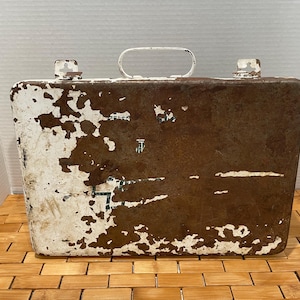 Color-coded compartments let users locate supplies fast under stress
Credit: www.etsy.com
Color-coded compartments let users locate supplies fast under stress
Credit: www.etsy.com
Maintaining Your Kit for Peak Readiness Year-Round
A first aid kit with expired medications, depleted supplies, or damaged sterile items is useless in an emergency. A quick, regular maintenance routine takes less than 10 minutes and ensures your kit is always ready to use.
3-Month Inspection and Replenishment Checklist
Set a recurring calendar reminder every 3 months to complete the following checks:
- Verify all medications are within their expiration date; replace any expired products immediately
- Check that all sterile supplies (gauze, ointment, eyewash) are sealed and undamaged
- Count bandages, gloves, and other disposable supplies to ensure you have enough for your household or team size
- Restock any items you used since your last inspection
- Update the emergency contact card inside the kit with current healthcare provider and poison control numbers
Optimal Storage Tips for All Settings
Store your kit in a cool, dry location out of direct sunlight, as heat and UV exposure can degrade medications and sterile supplies over time. Avoid storing the kit in a hot car trunk for more than a few hours at a time, as temperatures above 120°F can reduce the efficacy of medications and ointments within weeks. Keep the kit in a clearly marked, accessible location that all adult household members or employees can reach, but out of reach of small children to prevent accidental misuse.
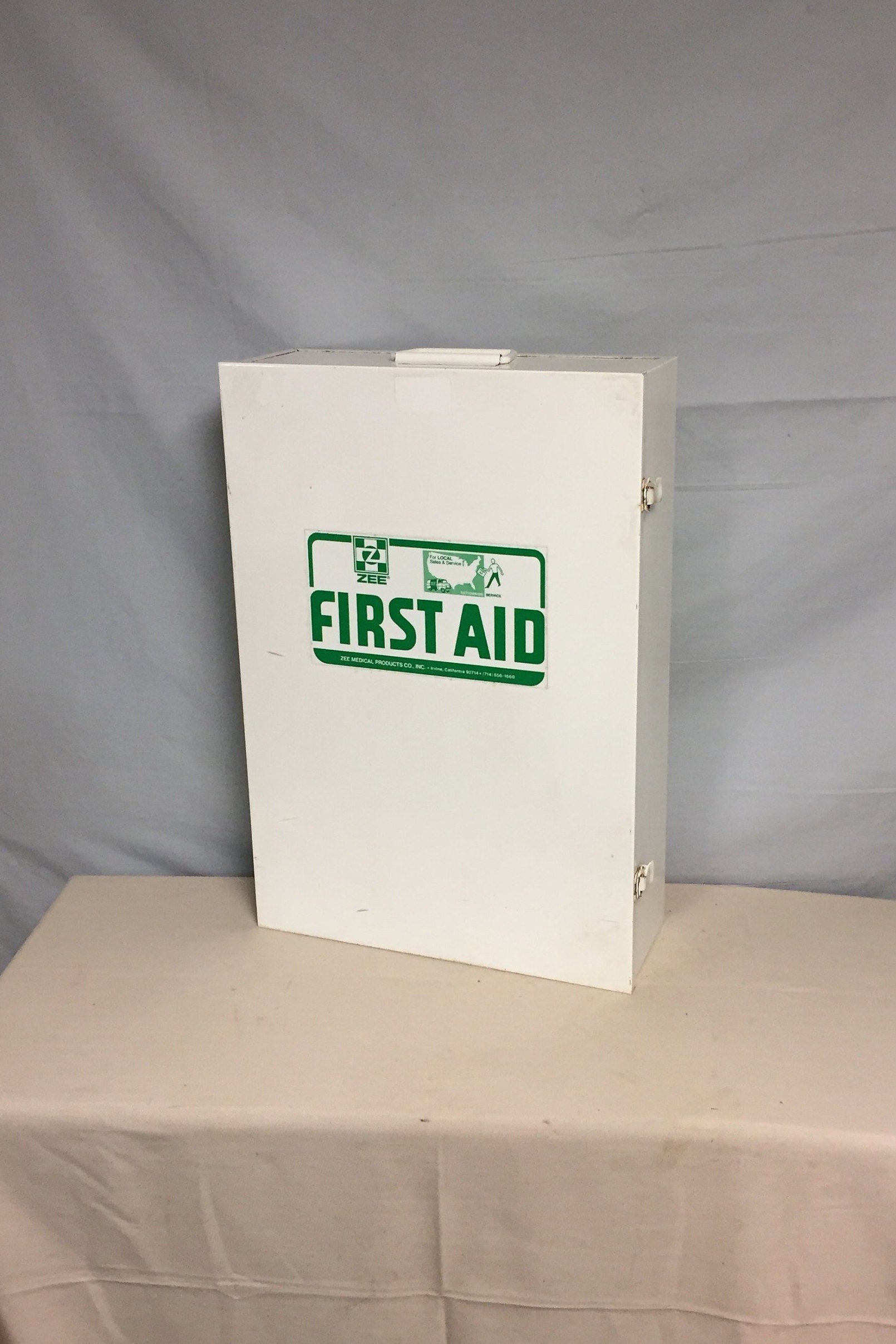 Weather-resistant case protects contents from moisture, dust, and impact for vehicle or outdoor use
Credit: www.vintageaddictions.com
Weather-resistant case protects contents from moisture, dust, and impact for vehicle or outdoor use
Credit: www.vintageaddictions.com
Choosing and Customizing Your Kit for Your Unique Needs
While the standard Zee Medical First Aid Kit works for most general use cases, customizing it to your specific environment and household needs eliminates gaps in your preparedness.
Kit Options for Home, Workplace, Vehicle, and Outdoor Use
Zee Medical offers specialized kits tailored to high-risk environments:
- Home kits: Include extra pediatric supplies, antihistamines, and burn gel for kitchen and playroom accidents
- Workplace kits: Meet ANSI/OSHA requirements for specific industry hazards, with extra burn supplies and eyewash for manufacturing or lab environments
- Vehicle kits: Compact, all-weather cases with emergency blankets, road flares, and extra cold packs for car accidents or breakdowns
- Outdoor kits: Include insect bite treatment, snakebite kits, and splinting supplies for camping, hiking, or hunting trips
Personalizing Your Kit for Household or Team Needs
Add the following items to fill common gaps in the standard kit:
- Epinephrine injectors (EpiPen) for household members with severe allergies
- Glucose gel for diabetic household members or team members
- Pet first aid supplies (gauze, antiseptic, tweezers) if you travel with animals
- Prescription medications for chronic conditions (store in a labeled, sealed pouch inside the kit) Keeping kitchen tools like knives properly maintained reduces accidental lacerations, a common first aid scenario; following correct sharpening techniques minimizes slip risk during food prep, cutting down on preventable first aid visits.
Complementary Preparedness Tools to Pair With Your First Aid Kit
A first aid kit is one critical component of a full emergency preparedness plan. Pairing it with these supplies ensures you’re ready for extended outages or large-scale emergencies:
Home Emergency Preparedness Essentials
For shelter-in-place scenarios caused by severe weather or power outages, pairing your first aid kit with reusable food storage for non-perishable rations and clean water ensures you have access to supplies for 72+ hours without leaving your home. For comprehensive home planning, pair your kit with large-capacity food storage for bulk staples like rice, pasta, and beans that don’t require cooking.
Workplace and Outdoor Safety Add-Ons
For workplace first aid stations, pairing your Zee Medical kit with stackable storage options keeps extra supplies organized and out of high-traffic areas to prevent trips and falls, a common OSHA-cited workplace hazard. For camping or road trips, stow extra gauze, antiseptic wipes, and emergency snacks in portable storage containers alongside your first aid kit for extended outings where resupply is not an option.
Frequently Asked Questions
What ANSI and OSHA standards does the Zee Medical First Aid Kit meet?
The kit is designed to meet or exceed ANSI Z308.1-2021 requirements for general industry first aid kits, and complies with OSHA standards for workplace, home, and vehicle first aid supply requirements.
Can I customize the Zee Medical First Aid Kit for my household’s specific needs?
Absolutely. Common customizations include adding epinephrine injectors for allergy sufferers, glucose gel for diabetic household members, pediatric-specific supplies for families with young children, and pet first aid items for households with animals.
How often should I inspect and restock my Zee Medical kit?
We recommend a full inspection every 3 months to check for expired medications, degraded sterile supplies, and depleted items. If you use any supplies from the kit, restock immediately after use.
Is the Zee Medical kit suitable for vehicle storage?
Yes. Its water-resistant, crush-proof case protects supplies from temperature extremes, moisture, and impact, making it ideal for storing in car trunks, glove compartments, or RV storage areas.
Do I need first aid training to use the Zee Medical kit?
Basic training improves response effectiveness, but the kit includes a clear, illustrated instruction booklet to guide users through common injury care. We recommend pairing the kit with a certified first aid course from the American Red Cross or similar organization for the best outcomes.
Final Thoughts: Invest in Readiness Today
The Zee Medical First Aid Kit is more than a collection of supplies—it’s a reliable foundation for your emergency preparedness plan, designed to help you respond confidently to injuries at home, work, on the road, or in the great outdoors. Regular maintenance and minor customization ensure it meets your unique needs, while pairing it with complementary supplies like durable food storage and maintained safety tools creates a comprehensive plan for any unexpected scenario. Don’t wait for an emergency to realize you’re unprepared. A well-stocked Zee Medical First Aid Kit paired with complementary emergency supplies gives you the confidence to handle minor injuries and stabilize situations until professional help arrives. Explore our range of durable, leak-proof food storage containers to build out your full emergency preparedness kit today.

I’m Abby Lu, a passionate home cook who loves simplifying everyday meals. At PlugChef.com, I share product reviews and cooking guides to help you find the best tools for your kitchen.
Related posts:
 Is Nylon Cooking Utensils Safe? Unveiling the Truth
 Is Bamboo Good for Cooking Utensils: Discover the Benefits
 Can You Cut Raw Meat on a Wood Cutting Board Safely?
 Harbor Freight First Aid Kit: Essential Safety Gear for Emergencies
 First Aid Kit Supplies Refills: Essential Items You Must Restock
 10 Person First Aid Kit: Essential Gear for Emergencies

