
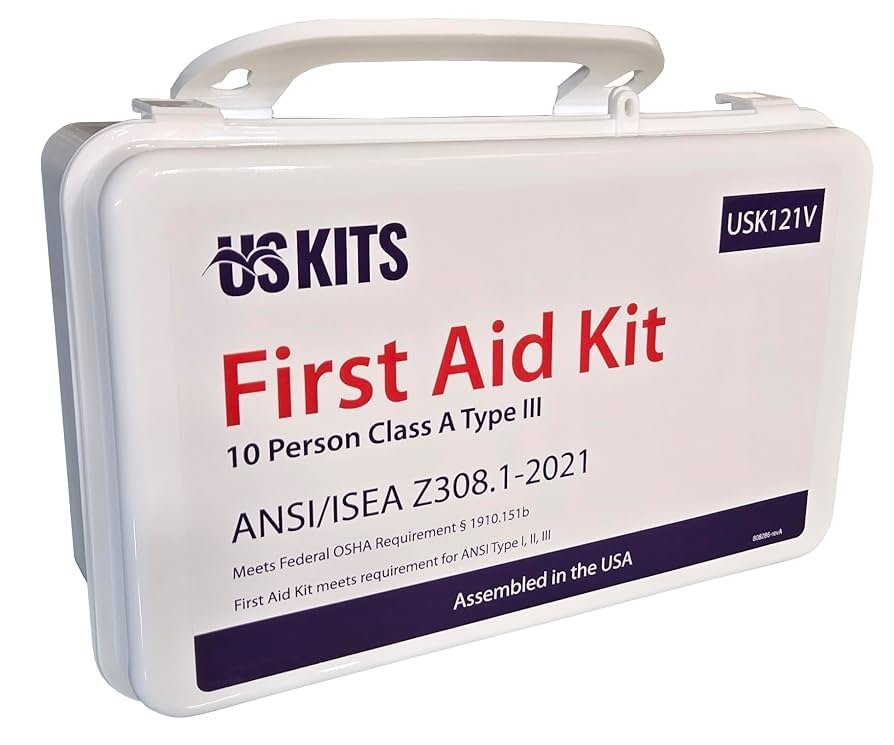
When an emergency strikes, having the right tools can make all the difference. Imagine being prepared to help not just yourself, but a group of people—your family, friends, or coworkers.
A 10 person first aid kit is designed exactly for that. It gives you everything you need to handle injuries and keep everyone safe until professional help arrives. You’ll discover why having a well-stocked kit matters, what must-have items it includes, and how it can give you peace of mind in unexpected situations.
Keep reading to make sure you’re ready to protect those who count on you.
Why A 10 Person First Aid Kit?
A 10 Person First Aid Kit is designed to help multiple people during emergencies. It contains enough supplies to treat common injuries for up to ten individuals. Having a larger kit ensures preparedness in group settings like workplaces, schools, or family outings.
The kit offers peace of mind. It allows quick response to cuts, burns, sprains, and other minor injuries. A well-stocked kit can prevent small injuries from becoming serious.
Ideal For Groups And Teams
Many activities involve groups of people. Camping trips, sports events, and office environments often need shared first aid resources. A 10 Person First Aid Kit fits these situations perfectly. It supports the health and safety of everyone involved.
Comprehensive Supplies For Various Injuries
These kits include a wide range of items like bandages, antiseptics, and pain relievers. They cover many injury types, from cuts to burns to sprains. This variety helps handle different emergencies without delay.
Cost-effective And Convenient
Buying one larger kit is often cheaper than multiple smaller kits. It saves money and storage space. A single kit is easier to manage and keeps all supplies organized in one place.
Essential For Workplaces And Public Areas
Safety regulations often require first aid kits for groups. A 10 Person First Aid Kit meets these standards. It helps businesses and public facilities stay compliant and ready for incidents.
Easy To Transport And Store
Despite its size, these kits are designed to be portable. They come in compact cases that fit in cars, backpacks, or cabinets. This makes them ideal for travel or emergency preparedness.

Credit: www.walmart.com
Key Components
Knowing the key components of a 10 person first aid kit can make a real difference during emergencies. You want items that cover a wide range of injuries and conditions, ensuring everyone’s safety. Let’s look closely at what essential supplies you should have on hand.
Bandages And Dressings
Bandages and dressings form the backbone of any first aid kit. You’ll want a variety of sizes, from small adhesive strips to large gauze pads. These help stop bleeding and protect wounds from dirt and infection.
Elastic bandages are also important for sprains or strains. Don’t forget butterfly closures to hold deep cuts together when stitches aren’t immediately available. Having the right bandage can change the outcome for someone hurt badly.
Antiseptics And Cleansing Wipes
Cleaning wounds quickly is crucial to prevent infection. Antiseptic solutions like iodine or hydrogen peroxide disinfect cuts and scrapes effectively. Cleansing wipes are handy for quick cleanups when water isn’t nearby.
Many people overlook antiseptics, but think about how often you’ve had a minor cut that got irritated. Proper cleansing can stop problems before they start. You might also add antibiotic ointments to help wounds heal faster.
Pain Relief Medications
Pain can escalate stress and worsen injuries, so having pain relief is essential. Stock over-the-counter options like ibuprofen, acetaminophen, and aspirin. Each serves different purposes, such as reducing inflammation or fever.
Keep in mind allergies and check expiration dates often. Carrying these medications empowers you to provide comfort immediately rather than waiting for professional help. How often do you carry painkillers when you head outdoors?
Burn Treatments
Burns happen more often than you think, especially in kitchens or around campfires. Your kit should include burn creams or gels to soothe pain and prevent infection. Non-stick sterile dressings designed for burns protect damaged skin without causing further harm.
Cooling burn injuries promptly can reduce severity significantly. Have you ever treated a burn without proper supplies? Including these items means you’re prepared for unexpected accidents involving heat or chemicals.
Specialized Gear
Specialized gear in a 10 Person First Aid Kit is essential for handling specific emergencies that go beyond basic cuts and scrapes. These items prepare you to act effectively in situations where standard supplies might fall short. Having the right specialized tools can make a huge difference when seconds count.
Cpr Masks
CPR masks protect both you and the injured person during resuscitation. They prevent direct contact, reducing the risk of infection. Including different types, like pocket masks with one-way valves, ensures you can provide rescue breaths safely.
Think about how quickly panic can set in during CPR. Having a mask ready can boost your confidence and effectiveness. Would you feel more prepared knowing you have this barrier in place?
Splints And Supports
Splints stabilize broken or sprained limbs, preventing further injury. Your first aid kit should contain adjustable splints that fit various arm or leg sizes. Elastic bandages and triangular cloths also support injured joints and muscles.
Imagine trying to move someone with a suspected fracture without a splint—it can worsen the damage. Proper supports keep the injured person comfortable and secure until professional help arrives. Are your splints easy to apply in stressful situations?
Eye Care Supplies
Eye injuries require immediate and delicate attention. Specialized items like sterile eye wash, eye pads, and eye cups protect the eye and help flush out debris. Including these in your kit prepares you for accidents involving dust, chemicals, or foreign objects.
Flushing an irritated eye incorrectly can cause more harm. Having the right supplies lets you act calmly and correctly. Do you know how to use eye care tools effectively in an emergency?
Credit: www.imperialdade.com
Tools And Instruments
A well-equipped 10 person first aid kit includes essential tools and instruments. These items help manage minor injuries and health issues quickly. Having the right tools ensures effective and safe treatment for everyone involved.
Tweezers And Scissors
Tweezers remove small objects like splinters or glass pieces from the skin. They must have a fine tip for precision and be easy to clean. Scissors cut bandages, tape, or clothing to access wounds. Sharp, rust-resistant scissors improve safety and control during use.
Thermometers
Thermometers check body temperature to detect fever. Digital thermometers offer fast and accurate readings. They are simple to use and easy to clean. Knowing the temperature helps decide if medical help is needed.
Safety Pins
Safety pins secure bandages and slings in place. They are versatile and easy to carry. Large, sturdy pins prevent accidental openings. Safety pins also help fix torn clothing or gear during emergencies.
Storage And Portability
Storing and carrying a 10 Person First Aid Kit efficiently can make a big difference during emergencies. The right storage solution ensures quick access to supplies and keeps everything protected. Portability means you can take the kit wherever it’s needed without hassle or delay.
Durable Cases
A sturdy case protects your first aid supplies from damage, moisture, and dirt. Look for cases made from hard plastic or heavy-duty fabric with water-resistant zippers. These materials help maintain the kit’s condition even in rough environments.
Think about how often you’ll transport the kit. If you plan to carry it in a vehicle or backpack, a lightweight case with reinforced handles can reduce strain. Some cases even have compartments that lock securely, so nothing shifts during travel.
Organization Tips
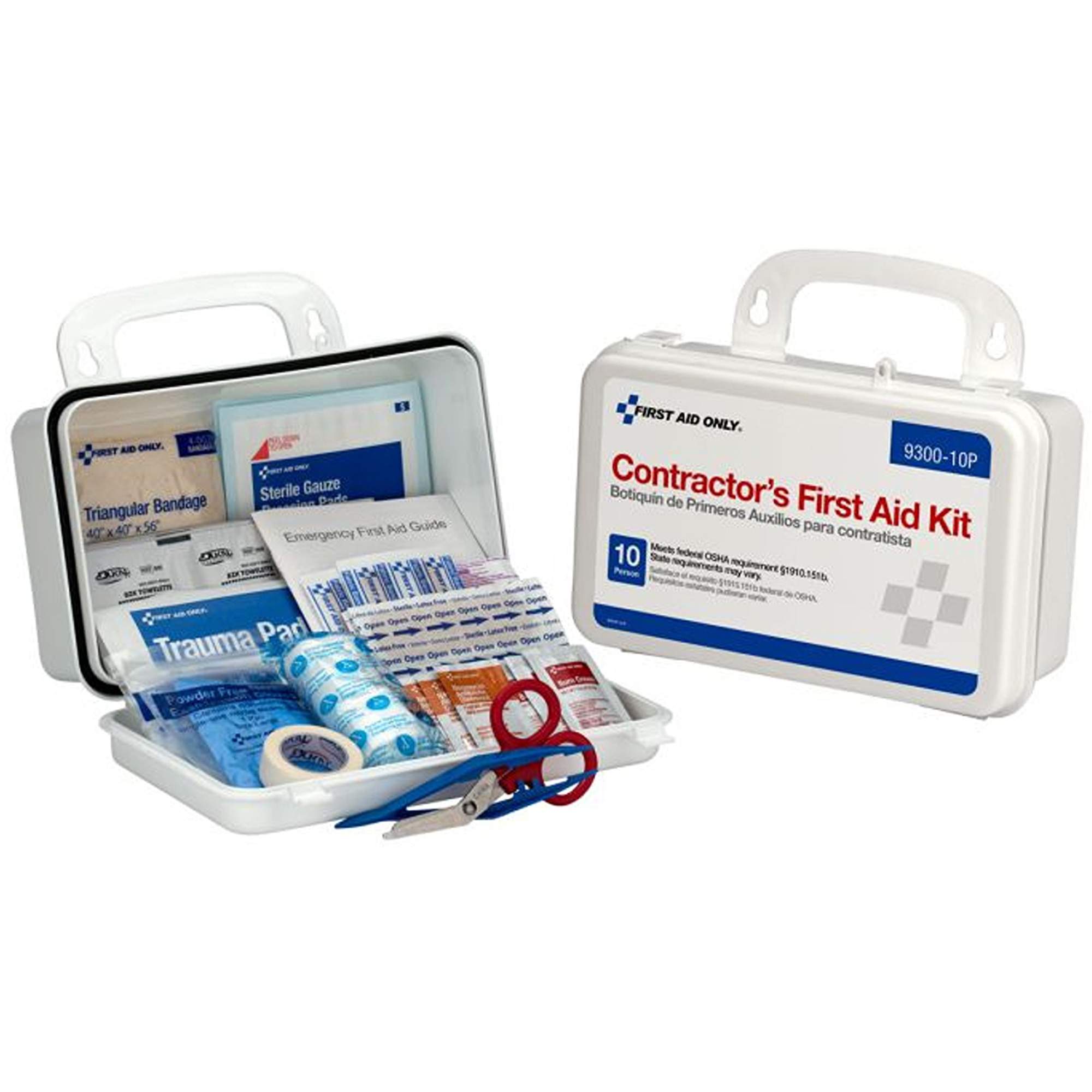
Keeping your first aid kit organized saves time when every second counts. Use clear, labeled pouches or small containers inside the case to separate items by type or use. This way, you won’t waste moments searching for bandages or antiseptics.
Consider adding a checklist inside the lid. This helps you quickly spot if anything needs replacing. Also, group similar items together—like wound care, medications, or tools—to streamline your response.
Credit: www.tooldiscounter.com
Training And Preparedness
Having a 10 Person First Aid Kit is a smart move, but its true value shines only when paired with proper training and preparedness. Knowing how to use every item in your kit can make a critical difference during emergencies. Are you ready to take control when seconds count?
Basic First Aid Training
Basic first aid training teaches you how to handle common injuries and emergencies confidently. You learn essential skills like CPR, wound care, and how to treat burns or choking. Hands-on practice helps you remember these skills better than just reading a manual.
Think about the last time you felt helpless seeing someone hurt. With basic training, you won’t just stand by—you’ll act. Training also clarifies when to call for professional help, which is just as important as the first aid itself.
Emergency Response Drills
Emergency response drills simulate real-life situations so you can practice your skills under pressure. Running through scenarios like sudden injuries or group emergencies prepares you and your team to stay calm and organized. These drills reveal gaps in your knowledge and kit readiness, prompting improvements.
Try organizing a drill with your friends or coworkers. It’s a simple way to build muscle memory and teamwork. How fast can you locate and use items from your 10 Person First Aid Kit when the clock is ticking?
Maintaining Your Kit
Keeping your 10 Person First Aid Kit ready is crucial for handling emergencies effectively. A well-maintained kit ensures you won’t waste precious time searching for supplies or dealing with unusable items. Let’s look at how you can keep your kit in top shape with simple, regular habits.
Regular Checks
Set a schedule to inspect your first aid kit at least once every three months. Open your kit and check if all items are in place and the packaging is intact. Look for signs of damage like moisture or dirt that could compromise the contents.
Do you know where your kit is stored? Make sure it’s in a dry, easily accessible spot. This helps prevent deterioration and ensures you can grab it quickly during an emergency.
Replacing Expired Items
Medications and sterile supplies have expiration dates for a reason—they lose effectiveness or become unsafe after that. Check each item’s date carefully during your regular inspections. Replace anything that’s expired or close to expiring to maintain your kit’s reliability.
Keep a list of what’s inside your kit along with expiration dates. This makes it easier to track what needs replacing. Have you ever found a bandage or ointment past its prime when you needed it most? Avoid that disappointment by staying ahead.
Choosing The Right Kit
Choosing the right 10 person first aid kit can feel overwhelming with so many options available. The key is to focus on what your group actually needs and how you plan to use the kit. Picking the wrong supplies or quantity might leave you unprepared when every second counts.
Assessing Needs
Start by considering the environment where the kit will be used. Are you mostly indoors, or will you be outdoors in rugged conditions? Different settings demand different supplies.
Think about the health conditions and age range of the people in your group. If someone has allergies or specific medical needs, make sure the kit includes related items like antihistamines or an epinephrine injector.
Also, reflect on the types of injuries most likely to occur. For example, if you’re planning hiking trips, include blister treatment and insect bite relief. This helps you avoid carrying unnecessary items that just add weight.
Comparing Options
Look closely at the contents list before buying a kit. Some kits focus on trauma care, while others emphasize basic first aid. Choose one that matches your priorities.
Price is important, but don’t let it be the only deciding factor. Sometimes paying a bit more means getting higher quality or more comprehensive supplies.
Check the packaging and organization of the kit. Does it have compartments or clear labeling? Easy access can save crucial time during an emergency.
Ask yourself: Can this kit be easily replenished? Some brands offer refill packs, which can be very convenient after use.
Frequently Asked Questions
What Should A 10-person First Aid Kit Include?
A 10-person first aid kit should contain bandages, antiseptic wipes, gauze pads, adhesive tape, scissors, gloves, and pain relievers. It must also include CPR masks, tweezers, and emergency blankets to handle various injuries and medical situations effectively.
How Often Should A 10-person First Aid Kit Be Checked?
Check your 10-person first aid kit every six months. Replace expired or used items promptly to ensure readiness. Regular inspection helps keep supplies fresh and functional during emergencies.
Where Is The Best Place To Store A 10-person First Aid Kit?
Store your 10-person first aid kit in a cool, dry, and easily accessible location. Ensure it is visible and reachable by everyone in the group for quick response during emergencies.
Can A 10-person First Aid Kit Handle Serious Injuries?
A 10-person first aid kit is designed for minor to moderate injuries. For serious injuries, seek professional medical help immediately after providing initial care from the kit.
Conclusion
A 10 person first aid kit is a smart choice for safety. It holds enough supplies to help many people. Keep it in an easy-to-reach place at all times. Regularly check and replace used or expired items. Being ready can save lives during emergencies.
Simple preparation brings peace of mind. Everyone should have a well-stocked first aid kit nearby. Stay safe, stay prepared.

I’m Abby Lu, a passionate home cook who loves simplifying everyday meals. At PlugChef.com, I share product reviews and cooking guides to help you find the best tools for your kitchen.
Related posts:
 What Type of Cooking Utensils are Safe: Expert Picks
 What Innovations Could Blenders Make: Unleashing Future Tech
 Smart Strategies to Organize a Small Kitchen: Maximize Space
 How to Organize a Kitchen Cabinet: Expert Tips & Tricks
 How to Organize Kitchen Drawers: Expert Tips and Tricks
 How to Organize a Corner Kitchen Cupboard: Expert Tips

