
Imagine a sudden cut or scrape happening right when you least expect it. Do you have what you need to act quickly and keep the situation under control?
A wall mounted first aid kit could be the lifesaver you didn’t realize you needed. It keeps all your essential medical supplies in one easy-to-reach spot, ready the moment an emergency strikes. You’ll discover why having a wall mounted first aid kit is a smart move for your home or workplace—and how it can give you peace of mind when every second counts.
Keep reading to find out how to choose the best kit and make sure you’re prepared for anything.

Credit: www.amazon.com
Benefits Of Wall Mounted Kits
Wall mounted first aid kits offer numerous advantages that can transform how you handle emergencies and organize medical supplies. They blend practicality with efficiency, ensuring that your health needs are met promptly and effectively. Let’s dive into the benefits that make them a must-have in any setting.
Quick Access During Emergencies
Imagine a scenario where every second counts, and you need immediate access to first aid supplies. Wall mounted kits provide swift access during such critical moments. They are strategically placed for visibility, allowing you to grab essential items without fumbling through drawers or cabinets. This can be a real lifesaver when you’re dealing with a bleeding cut or a sudden allergic reaction.
Organized Storage Solutions
Keeping medical supplies organized is crucial. Wall mounted kits excel at this by offering compartments and clear labeling. This means you can quickly locate bandages, antiseptics, and other necessary items without a hassle. You’ll appreciate how everything has a designated spot, reducing the chaos and stress when you’re in a hurry.
Space-saving Design
In environments where space is limited, wall mounted kits shine. They utilize vertical space efficiently, freeing up counters and shelves for other essentials. Whether you’re in a compact office or a small home, this design ensures you don’t sacrifice much-needed space while still having your medical supplies readily available. Is your current setup using space wisely?
Credit: st-john-victoria.myshopify.com
Key Items To Include
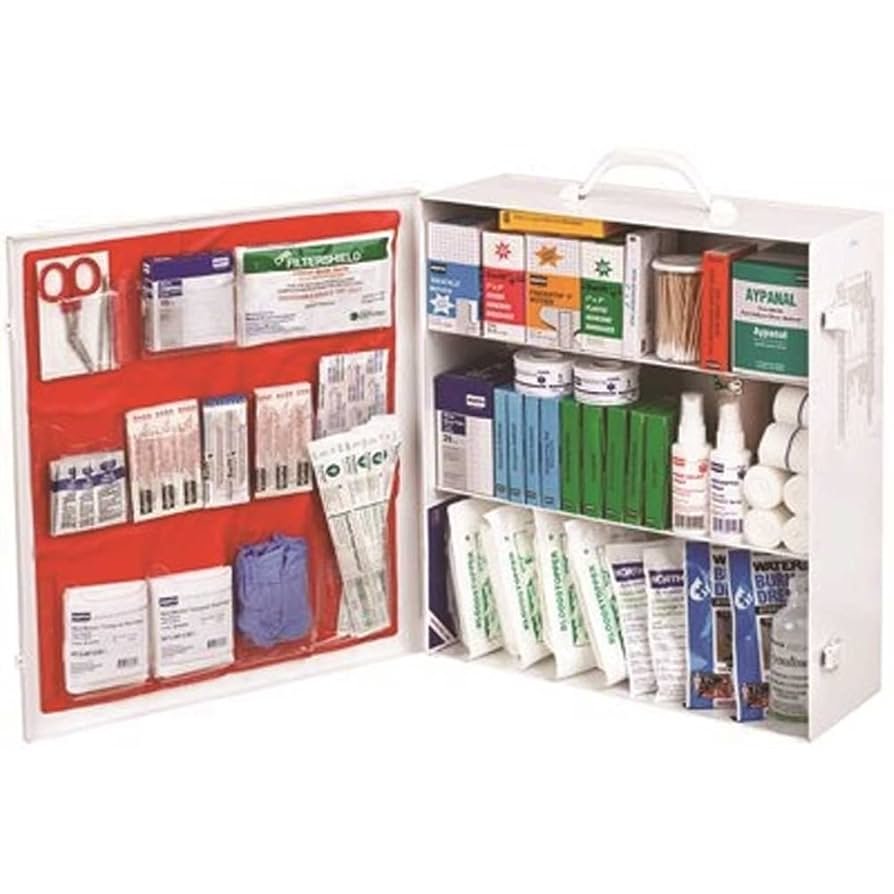
Knowing what to include in your wall mounted first aid kit can make a real difference during an emergency. You want it stocked with essentials that cover common injuries as well as items that handle unexpected situations. Think about what you or your family might need right away before professional help arrives.
Basic Medical Supplies
Start with the basics that treat cuts, scrapes, and minor burns. Stock your kit with adhesive bandages in various sizes, sterile gauze pads, and adhesive tape to secure dressings. Don’t forget antiseptic wipes and antibiotic ointment to prevent infections.
Include scissors and tweezers—they’re small but vital for removing splinters or cutting tape. A digital thermometer helps track fever, which can be a sign of infection or illness. These items are your first defense in everyday injuries.
Specialized Emergency Tools
Beyond basics, add tools for more serious emergencies. A CPR face shield can protect you when performing rescue breathing. Include a disposable cold pack for swelling and instant relief from sprains or bruises.
Consider a tourniquet and emergency blanket—these can be lifesavers in severe situations. Have a flashlight or headlamp with extra batteries ready for power outages or nighttime accidents. These tools prepare you for emergencies that go beyond simple cuts.
Personal Protective Equipment
Protect yourself while helping others by adding personal protective equipment (PPE) to your kit. Gloves, preferably nitrile or latex-free, keep you safe from blood and bodily fluids. Masks help reduce the risk of spreading infections, especially in crowded or confined spaces.
Eye protection like safety goggles can shield you from harmful splashes or debris. These items ensure you can provide aid without compromising your own health. Have you checked if your first aid kit includes proper PPE lately?
Choosing The Right Location
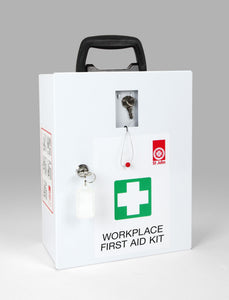
Choosing the right location for a wall mounted first aid kit is crucial. It ensures quick and easy access during emergencies. The kit should be placed where everyone can find it without delay. Proper placement reduces panic and helps provide timely care.
High Traffic Areas
Place the first aid kit in areas with frequent movement. These spots include hallways, break rooms, or near main entrances. High traffic locations increase the chance that someone will see and use the kit. Avoid hidden or rarely visited corners.
Visibility And Accessibility
Choose a spot that is clearly visible to all. The kit must be easy to reach, even for children or elderly people. Avoid placing it too high or behind obstacles. Clear signs or labels help people spot the kit faster.
Avoiding Hazardous Spots
Keep the first aid kit away from dangerous areas. Avoid locations near chemicals, heat sources, or wet floors. These spots can damage the kit or make it hard to access. The goal is to keep the kit safe and ready to use.
Maintenance And Restocking Tips
Maintaining and restocking a wall mounted first aid kit is essential. It ensures the kit is ready when emergencies happen. Regular care keeps supplies fresh and useful. This section offers simple tips to keep your first aid kit effective and safe.
Regular Inventory Checks
Check the kit’s contents often. Count all items and compare them to a checklist. Note missing or low supplies. Keep a record of what needs replenishing. Set a schedule for checks, such as once a month. This habit helps avoid surprises during an emergency.
Replacing Expired Items
Look at expiration dates on all products. Remove any expired or nearly expired items immediately. Replace them with fresh supplies. Expired items may lose their effectiveness or become unsafe. Use a simple labeling system to spot old items quickly. This step keeps the kit reliable and safe.
Cleaning And Safety
Keep the first aid kit clean and dry. Wipe the outside and inside surfaces regularly. Use a mild disinfectant to prevent germs. Avoid storing the kit in damp or hot places. Ensure the kit is mounted securely at a reachable height. A clean and safe kit protects supplies and users alike.
Compliance And Safety Standards
Wall mounted first aid kits must meet strict compliance and safety standards. These standards ensure kits are reliable and ready for emergencies. Proper compliance protects users and maintains legal safety requirements. Understanding these standards helps businesses and homes stay prepared and safe.
Local Regulations
Local regulations define the minimum requirements for first aid kits. Rules vary by country, state, or city. They specify kit size, contents, and placement. Following these rules avoids fines and legal issues. Always check local laws before installing a wall mounted first aid kit.
Industry Guidelines
Industry guidelines recommend best practices for first aid kits. Guidelines come from health and safety organizations. They suggest items needed for specific workplaces. Adhering to guidelines improves emergency response and safety. Many industries customize kits to meet unique hazards and risks.
Certification Marks
Certification marks show a first aid kit meets quality standards. Look for marks from recognized bodies like ANSI or ISO. These certifications verify product safety and reliability. Certified kits are tested for durability and content accuracy. Choosing certified kits ensures proper care during emergencies.
Customizing Kits For Specific Spaces
Customizing a wall mounted first aid kit ensures it fits the needs of each space perfectly. Different environments require different supplies and sizes. Tailoring kits improves safety and readiness for emergencies.
Home And Residential Areas
In homes, first aid kits focus on common injuries like cuts, burns, and scrapes. Include items such as bandages, antiseptic wipes, and burn cream. Keep the kit easy to reach, especially in kitchens and bathrooms. Consider children’s needs with child-safe supplies and allergy medicines.
Workplaces And Offices
Workplaces need kits that cover a wider range of injuries. Stock items for minor wounds, eye care, and CPR masks. Include gloves and face shields for hygiene. Large offices may require multiple kits placed in strategic spots. Regularly check and refill supplies to stay prepared.
Public And Outdoor Spaces
Public areas demand kits that handle diverse emergencies. Add items like emergency blankets, trauma dressings, and instant cold packs. Outdoor kits should be weather-resistant and portable. Clear labeling and instructions help people act quickly. Accessibility is crucial in parks, gyms, and community centers.

Credit: www.safetybuyer.com
Frequently Asked Questions
What Is A Wall Mounted First Aid Kit?
A wall mounted first aid kit is a compact, organized box fixed to a wall. It stores essential medical supplies for quick access during emergencies. It ensures safety and readiness in homes, offices, or public places.
Why Choose A Wall Mounted First Aid Kit?
Wall mounted kits save space and keep supplies visible and accessible. They prevent clutter and ensure first aid items are always within reach. This setup is ideal for quick response in emergencies.
What Items Are Included In The Kit?
These kits typically include bandages, antiseptic wipes, adhesive tape, scissors, gloves, and pain relievers. Some may also have CPR masks and burn treatments. Contents vary depending on the kit’s purpose and size.
Where Should I Install A Wall Mounted First Aid Kit?
Install the kit in high-traffic, easily accessible areas like kitchens, workplaces, or near exits. Ensure it’s visible and reachable by everyone in the space. Avoid placing it where it can get damaged or hidden.
Conclusion
A wall mounted first aid kit keeps supplies easy to find fast. It saves time during emergencies and helps treat minor injuries quickly. Everyone in your home or office can access it without delay. Having it visible reminds people to stay safe and prepared.
Choosing the right kit means thinking about your specific needs. Keep it stocked and check items often to stay ready. Simple steps like this protect health and bring peace of mind. Safety starts with being ready before accidents happen.

I’m Abby Lu, a passionate home cook who loves simplifying everyday meals. At PlugChef.com, I share product reviews and cooking guides to help you find the best tools for your kitchen.
Related posts:
 What Type of Cooking Utensils are Safe: Expert Picks
 What Innovations Could Blenders Make: Unleashing Future Tech
 Smart Strategies to Organize a Small Kitchen: Maximize Space
 How to Organize a Kitchen Cabinet: Expert Tips & Tricks
 How to Organize Kitchen Drawers: Expert Tips and Tricks
 How to Organize a Corner Kitchen Cupboard: Expert Tips

