
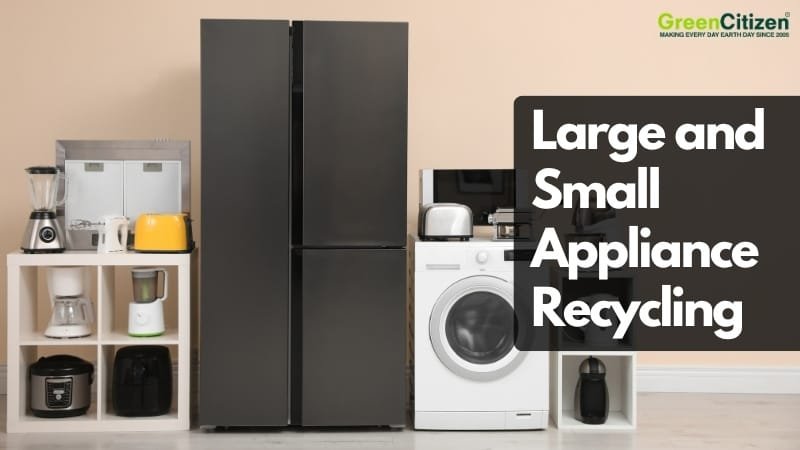
Small kitchen appliances are part of our daily lives. They help us cook and prepare food. But they don’t last forever. Sometimes, we need to get rid of them. This guide will help you dispose of small kitchen appliances. It covers everything from toasters to blenders.
Why Dispose of Appliances Responsibly?
Throwing appliances in the trash is not good. It can harm the environment. Many appliances contain metals and plastics. These materials can pollute soil and water. Proper disposal helps protect the Earth. Plus, it is often the law.
Types Of Small Kitchen Appliances
There are many small kitchen appliances. Here are some examples:
- Toasters
- Blenders
- Coffee makers
- Microwaves
- Mixers
- Electric kettles
These appliances can break or stop working. When they do, you need to dispose of them.
Steps to Dispose of Appliances
Follow these steps to dispose of small kitchen appliances:
1. Check For Repair
Can the appliance be fixed? Sometimes, a simple repair can solve the problem. Check the cord. Check the plug. Sometimes, these parts need fixing. If the appliance can be repaired, you do not need to dispose of it.
2. Donate Or Sell
If your appliance works, consider donating it. Many people need appliances. Charities and thrift stores accept donations. You can also sell the appliance. Online platforms like eBay or Craigslist can help.
3. Recycle
Recycling is a great option. Many cities offer recycling programs. They accept small appliances. You can drop off your old appliance at a recycling center. Check with your local waste management company. They will have information on recycling programs.
4. E-waste Collection
Some appliances are considered e-waste. E-waste is electronic waste. Many cities have e-waste collection days. You can take your appliances to these events. They will be disposed of properly.
5. Hazardous Waste Disposal
Some appliances contain hazardous materials. Microwaves, for example, can have harmful parts. Check with local waste management. They can guide you to the right disposal method.
6. Take Back Programs
Some companies offer take-back programs. They accept old appliances. They recycle or reuse them. Check with the manufacturer of your appliance. They may have a program.
Why Not Throw in the Trash?
Throwing appliances in the trash is harmful. Appliances contain metals and chemicals. These can leak into the ground. They can pollute water and soil. Throwing away appliances is not safe. It is also often against the law.
Benefits of Responsible Disposal
Responsible disposal helps the planet. It reduces pollution. It saves natural resources. Recycling recovers materials like metal and plastic. These can be used again. Donating helps others. It gives someone else a working appliance.
Simple Disposal Tips
Disposing of appliances does not have to be hard. Follow these simple tips:
- Check for repair first.
- Donate or sell if the appliance works.
- Recycle when possible.
- Use e-waste collection days.
- Dispose of hazardous waste properly.
- Check for take-back programs.

Credit: rubbishpickup.co.nz

Credit: rubbishpickup.co.nz
Frequently Asked Questions
How Can I Recycle Old Kitchen Appliances?
Check local recycling centers. Many accept small appliances. Ensure they’re clean before dropping them off.
Are There Special Disposal Bins For Appliances?
Yes, some cities provide designated bins. Verify with your local waste management for specific locations.
Can Small Appliances Go In Regular Trash?
No, avoid regular trash. Appliances contain materials requiring special disposal methods. Check local guidelines.
Is Donating Old Appliances A Good Idea?
Absolutely. Consider donating working appliances to charities or thrift stores. They welcome such contributions.
Conclusion
Disposing of small kitchen appliances is important. It helps protect the environment. It follows the law. Remember, do not throw appliances in the trash. Consider repair, donation, or recycling. Follow the steps in this guide. Make sure your disposal is responsible.
Thank you for caring about the Earth. Your actions make a difference.

Hi, I’m Daniel Brooks—a food lover and kitchen gear enthusiast. I enjoy testing cookware, utensils, and gadgets to see what really works in everyday cooking. At PlugChef.com, I share honest reviews, comparisons, and simple guides to help you choose the best tools for a safer, smarter, and more enjoyable kitchen.
Related posts:
 What Type of Cooking Utensils are Safe: Expert Picks
 What Innovations Could Blenders Make: Unleashing Future Tech
 Smart Strategies to Organize a Small Kitchen: Maximize Space
 How to Organize a Kitchen Cabinet: Expert Tips & Tricks
 How to Organize Kitchen Drawers: Expert Tips and Tricks
 How to Organize a Corner Kitchen Cupboard: Expert Tips

