
Have you ever wondered about the specific sequence in which blood samples are drawn during a medical test? If you’ve been curious about this seemingly simple yet essential aspect of healthcare, you’re not alone.
Understanding the recommended order of draw is crucial for ensuring accurate test results and preventing cross-contamination between samples. But who decides this order, and why is it so important? We’ll dive into which organization is responsible for setting these guidelines and how their recommendations impact your health outcomes.
Whether you’re a healthcare professional or simply interested in the intricacies of medical procedures, knowing about this can enhance your confidence in the healthcare you receive. Let’s unravel the mystery behind the order of draw and discover the authority behind these vital recommendations. Stick around to ensure you never look at a blood test the same way again!

Credit: neonone.com
Order Of Draw Guidelines
The order of draw guidelines are crucial in the medical field. They ensure accurate blood test results. Following these guidelines prevents cross-contamination between tubes. The correct order is essential for patient safety and reliable diagnostics. Understanding the guidelines helps healthcare workers perform their duties effectively.
Understanding The Order Of Draw
Blood collection follows a specific sequence. This prevents contamination of additives between tubes. Each tube has a unique purpose and additive. The order of draw minimizes errors and ensures test accuracy. It’s a standard practice in laboratories worldwide.
Recommended Order Of Draw
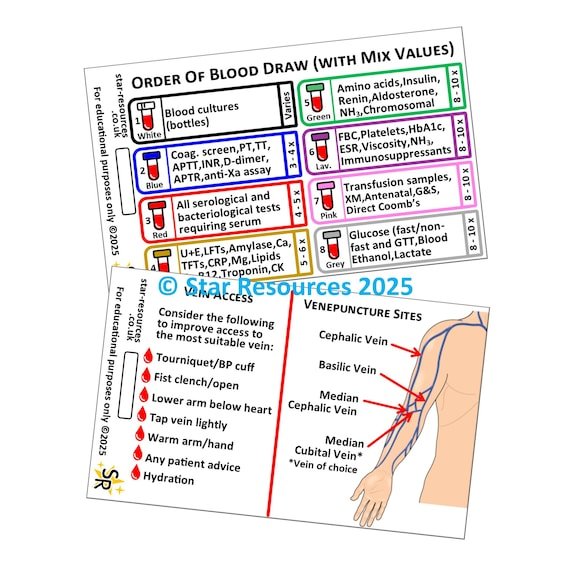
- Blood Culture Tubes:These are collected first to avoid contamination.
- Coagulation Tubes:These contain a light blue top and are next in line.
- Serum Tubes:Red or gold tops follow for chemistry tests.
- Heparin Tubes:Green tops are used for plasma determinations.
- EDTA Tubes:Lavender tops are for hematology tests.
- Glycolytic Inhibitor Tubes:Grey tops are last for glucose testing.
Role Of Guidelines In Healthcare
Order of draw guidelines play a critical role. They reduce the risk of inaccurate results. They also enhance patient trust in laboratory outcomes. Following these rules ensures consistent and reliable data. This is vital for effective patient care and treatment.

Credit: medium.com
Purpose Of Order Of Draw
The Clinical and Laboratory Standards Institute (CLSI) recommends the order of draw in phlebotomy. This ensures accurate test results by preventing cross-contamination between different blood samples. Proper sequence is vital for maintaining sample integrity.
The ‘Order of Draw’ is a crucial concept in the medical field, specifically in phlebotomy, ensuring that blood samples are collected in a sequence that minimizes contamination and preserves sample integrity. You might wonder why this sequence matters so much. Imagine the chaos if blood samples were mixed, leading to inaccurate test results that could impact diagnoses. The purpose of the Order of Draw is to prevent such scenarios, ensuring that each test tube collects the intended sample without interference from additives in other tubes.What Happens When The Order Is Ignored?
Ignoring the Order of Draw can lead to cross-contamination between tubes. For instance, if a tube with anticoagulants is used before a serum tube, the anticoagulants might unintentionally mix into the serum sample, skewing test results. This sequence error can lead to misdiagnosis and affect patient care. It’s a small detail with a big impact.Role Of Phlebotomists
Phlebotomists play a vital role in adhering to the Order of Draw. They are trained to follow precise steps, ensuring each tube is filled in the correct sequence. Their expertise helps in obtaining accurate samples for laboratory testing. Next time you’re getting blood drawn, you might notice the phlebotomist’s meticulous attention to detail—it’s all part of ensuring your test results are reliable.How You Can Ensure Correct Order
As a patient, you can also contribute to the process. Ask questions if you’re curious about the procedure. Understanding the Order of Draw can help you appreciate the importance of the sequence and even provide peace of mind regarding the accuracy of your test results. Your awareness can support healthcare professionals in delivering top-notch care.Why Not Just Use One Tube?
You might think, why not just use one tube for everything? Different tests require specific conditions to preserve the sample’s integrity. Some tests need clotting, while others require anticoagulants. Using one tube would compromise the accuracy of various tests. The Order of Draw is designed to meet these diverse needs efficiently. The Order of Draw isn’t just a technicality; it’s a fundamental aspect of accurate diagnostic testing. Each step in the sequence plays a role in ensuring that your health is evaluated correctly, highlighting the importance of following established guidelines.Key Organizations
The Clinical and Laboratory Standards Institute (CLSI) is key in recommending the order of draw for blood collection. Their guidelines ensure accurate lab results by minimizing sample contamination.
Understanding which organization recommends the order of draw in phlebotomy can feel like navigating a maze. Yet, knowing the key players is essential to ensure best practices in blood collection. These organizations set the standards that medical professionals worldwide rely on to maintain patient safety and sample integrity. Let’s dive into the main contributors.American Society For Clinical Pathology (ascp)
The ASCP plays a pivotal role in educating and certifying laboratory professionals. Through their guidelines and certifications, they ensure healthcare workers are well-versed in the correct order of draw. Their focus on continuous education helps keep professionals updated on best practices.Clinical And Laboratory Standards Institute (clsi)
CLSI is a global organization dedicated to developing standards in laboratory testing. Their guidelines on the order of draw are widely recognized and followed. By providing clear instructions, they minimize the risk of contamination or inaccurate results.World Health Organization (who)
While WHO may not be the first organization you think of, their global health guidelines impact phlebotomy practices worldwide. They emphasize the importance of standardized procedures to ensure consistency and safety. This global perspective ensures that practices are uniform and effective across different countries.Centers For Disease Control And Prevention (cdc)
The CDC is known for its role in disease prevention and control, but it also influences laboratory practices. Their recommendations often align with other organizations, reinforcing the importance of following a specific order of draw. This alignment helps create a unified approach to patient safety. Each organization brings something unique to the table. Have you considered how these standards impact your daily life or work? Understanding their guidelines helps ensure safety and accuracy in medical testing, ultimately benefiting everyone involved.Clinical And Laboratory Standards Institute
Clinical and Laboratory Standards Institute (CLSI) recommends the order of draw for blood collection. This ensures accurate test results by preventing cross-contamination between different blood samples.
The Clinical and Laboratory Standards Institute (CLSI) plays a vital role in the medical field. This organization is key in setting standards for laboratory testing. CLSI ensures that laboratories follow accurate and safe procedures. Its guidelines help improve the quality and reliability of lab results.What Is The Clinical And Laboratory Standards Institute?
CLSI is a nonprofit organization. It develops guidelines for clinical laboratories worldwide. These guidelines cover various aspects of lab operations. From test methods to safety protocols, CLSI sets the bar high. Their standards promote quality and accuracy in lab testing.Importance Of Clsi In Laboratory Testing
CLSI’s standards ensure tests are performed correctly. They help reduce errors and improve patient care. Reliable lab results are crucial for diagnosing and treating diseases. CLSI guidelines support laboratories in achieving these goals.Clsi’s Role In The Order Of Draw
CLSI recommends the order of draw for blood collection. This order prevents contamination and ensures accurate results. Proper sequence minimizes the risk of test result errors. Laboratories rely on these guidelines for consistent and reliable outcomes.How Clsi Guidelines Enhance Laboratory Practices
CLSI guidelines streamline lab processes. They provide clear instructions for various procedures. This clarity helps technicians perform tasks efficiently. Consistent practices lead to better quality control and patient safety.Global Influence Of Clsi Standards
CLSI’s influence extends globally. Many countries adopt their standards to improve lab practices. This wide adoption enhances the consistency of lab results worldwide. It supports the global healthcare community in delivering reliable patient care.Engaging With Clsi For Better Lab Practices
Engaging with CLSI can improve lab performance. Laboratories benefit from their comprehensive guidelines. Following CLSI standards leads to improved accuracy and reliability. It ensures that labs provide the best possible service to patients.World Health Organization
The World Health Organization (WHO) plays a vital role in global health. It sets standards for medical procedures, including the recommended order of blood draw, ensuring safety and efficiency in healthcare practices worldwide.
The World Health Organization (WHO) plays a vital role in global health. It sets standards and guidelines for medical procedures. This includes the order of draw for blood collection. The order of draw is crucial for accurate lab results. WHO’s guidelines ensure safety and consistency in healthcare practices.Understanding Who’s Role In Healthcare
WHO is a leading authority in health matters worldwide. It collaborates with countries to improve healthcare systems. This includes setting standards for medical procedures.Guidelines For Blood Collection
WHO provides guidelines on blood collection techniques. These guidelines help prevent contamination and ensure accurate test results.The Importance Of Order Of Draw
The order of draw is critical in blood collection. It prevents cross-contamination between different blood samples. WHO’s recommendations ensure proper handling of samples.Who’s Recommendations For Order Of Draw
WHO recommends a specific sequence for blood collection tubes. This sequence minimizes the risk of contamination between samples.Ensuring Global Consistency
WHO’s guidelines aim for consistency in healthcare practices worldwide. This consistency improves patient safety and the reliability of test results.Collaboration With Other Organizations
WHO works with other health organizations to develop these guidelines. This collaboration helps in creating comprehensive and effective standards.American Society For Clinical Pathology
The American Society for Clinical Pathology (ASCP) is a key player in clinical laboratory standards. Founded in 1922, it brings together pathologists and laboratory professionals. ASCP emphasizes quality and safety in medical testing. This society offers guidelines to ensure accurate and reliable lab results. It plays a crucial role in recommending the order of draw for blood collection. Understanding its contributions helps maintain high standards in healthcare.
Ascp’s Influence On Laboratory Practices
ASCP impacts many aspects of laboratory procedures. It sets benchmarks for testing accuracy and safety. By doing so, it ensures that labs follow best practices. This includes recommendations for the order of draw. These guidelines help minimize errors in blood sample collections.
Why Order Of Draw Matters
The order of draw prevents cross-contamination in blood samples. Different tubes contain specific additives. Mixing these can lead to inaccurate test results. ASCP’s guidance on this order helps maintain sample integrity. Following their recommendations ensures reliable lab diagnostics.
Ascp’s Educational Role
ASCP provides education and resources for lab professionals. It offers training on the importance of the order of draw. By educating healthcare workers, ASCP supports high-quality patient care. This education helps reduce mistakes in laboratory processes.
Collaboration With Other Organizations
ASCP works with other medical organizations to develop standards. This collaboration ensures comprehensive guidelines for labs. Together, they create a unified approach to laboratory procedures. This partnership enhances the reliability of medical testing globally.
European Federation Of Clinical Chemistry And Laboratory Medicine
The European Federation of Clinical Chemistry and Laboratory Medicine provides guidelines for laboratory practices. They recommend the order of draw for blood collection. This ensures accurate and reliable test results.
The European Federation of Clinical Chemistry and Laboratory Medicine (EFLM) plays a pivotal role in shaping best practices in the medical laboratory field across Europe. As a leading authority, the EFLM sets guidelines to ensure quality and safety in laboratory processes. Their recommendations for the order of draw are crucial for maintaining accuracy in blood test results and minimizing contamination risks.Understanding The Eflm’s Role
The EFLM isn’t just a name but a beacon of trust in the clinical chemistry world. They work tirelessly to align laboratory practices with the latest scientific evidence. By recommending a specific order of draw, the EFLM helps laboratories avoid errors that could potentially alter patient care outcomes.Why Order Of Draw Matters
Have you ever wondered why the sequence of tubes in a blood draw is important? The order of draw prevents cross-contamination between different additives in tubes, which can compromise test results. Following EFLM’s guidelines can significantly enhance the reliability of laboratory diagnostics.Implementation Of Guidelines
Implementing these guidelines isn’t just for compliance—it’s about optimizing patient care. Medical professionals who adhere to the EFLM’s recommended order of draw ensure that patients receive accurate diagnoses. This adherence builds trust in the healthcare system, one accurate result at a time.How Eflm Recommendations Enhance Laboratory Practices
EFLM guidelines streamline processes and reduce errors, making lab work more efficient. By following these standards, labs can minimize retests and improve turnaround times. This efficiency not only benefits patients but also enhances the reputation of healthcare facilities.Your Role In Adhering To Eflm Recommendations
Are you a healthcare professional? Your role in following these guidelines is crucial. By ensuring that your practice aligns with EFLM’s recommendations, you contribute to a high standard of patient care. It’s a small step with a significant impact—one that every professional should be proud to take.
Credit: hcp-lan.org
Impact On Laboratory Practices
The Clinical and Laboratory Standards Institute (CLSI) is responsible for recommending the order of draw in laboratories. Their guidelines ensure accurate test results and prevent cross-contamination. Following these standards is crucial for maintaining efficient laboratory practices.
The impact of the order of draw on laboratory practices cannot be overstated. Proper adherence to the recommended order ensures the accuracy and reliability of test results, which are crucial for patient care. Deviations can lead to contamination, incorrect diagnoses, and potentially harmful treatments.Consistency In Results
The recommended order of draw helps maintain consistency across different laboratories. When each lab follows the same protocol, it minimizes variability in test results. This standardization is vital, especially when patients undergo tests in multiple locations.Prevention Of Contamination
Incorrect order of draw can lead to cross-contamination of samples. For instance, additives from one tube might interfere with the contents of another, skewing results. By following the prescribed order, you safeguard the integrity of each sample.Time Efficiency
Knowing and following the correct order of draw streamlines the blood collection process. It allows phlebotomists to work more efficiently without second-guessing their steps. This efficiency not only saves time but also reduces patient discomfort.Training And Education
The recommended order of draw is a fundamental part of phlebotomy training. It ensures new practitioners are prepared to provide high-quality care from day one. Ongoing education helps keep staff updated on any changes in best practices.Patient Safety
Ultimately, the order of draw is about patient safety. Accurate test results lead to better treatment decisions. By following the recommended guidelines, you contribute to a safer healthcare environment for everyone. Are you confident that your practice follows the recommended order of draw? It’s a question worth pondering for the sake of your patients and your professional integrity.Benefits Of Following Guidelines
Following guidelines in medical practices ensures safety and accuracy. It helps maintain consistency and reduces errors. Guidelines are especially crucial in procedures like blood collection. The recommended order of draw is a key guideline to follow.
Improved Patient Safety
Adhering to the order of draw minimizes contamination risks. Each tube has a specific additive. Incorrect order can mix additives, affecting test results. This ensures patients receive accurate diagnoses and treatments.
Accurate Test Results
Following guidelines ensures test results are reliable. Proper order prevents interference between different tube additives. This accuracy is vital for doctors making treatment decisions.
Reduced Risk Of Cross-contamination
Cross-contamination can alter test outcomes. Using the correct order prevents additive carryover. This practice protects the integrity of each sample.
Enhanced Workflow Efficiency
Guidelines streamline the blood collection process. Phlebotomists follow a clear, standardized procedure. This efficiency reduces time spent on each patient. It allows healthcare workers to manage more patients effectively.
Professional Accountability
Following guidelines reflects well on healthcare professionals. It shows dedication to best practices. This commitment builds trust with patients and colleagues.
Challenges In Implementation
Determining the responsible organization for recommending an order of draw poses challenges. Standards vary across regions, complicating implementation. Consistency in guidelines is crucial for ensuring safety and accuracy in medical procedures.
Implementing the recommended order of draw in medical laboratories can be a daunting task. Despite clear guidelines from organizations like the Clinical and Laboratory Standards Institute (CLSI), real-world application often faces hurdles. Understanding these challenges can help laboratories improve compliance and ensure patient safety.Resistance To Change
One of the biggest challenges in implementing the order of draw is resistance to change. Many healthcare professionals have long-standing habits and might not see the immediate benefits of altering their workflow. Have you ever tried to change a routine and found yourself slipping back to old habits? This is a common scenario in labs too, where staff may revert to familiar practices despite new guidelines.Lack Of Training
Proper training is crucial for successful implementation. Without comprehensive training sessions, staff might be unaware of the importance of following the correct order. You might wonder, how often are training sessions conducted in your facility? Regular refreshers and updated educational materials can make a significant difference.Miscommunication
Miscommunication between departments can lead to inconsistent practices. For instance, if the phlebotomy team is not aligned with the laboratory technicians, errors can occur. Clear communication channels and regular meetings can mitigate this issue, ensuring everyone is on the same page.Resource Constraints
Limited resources can also impede implementation. Smaller labs may lack the staff or budget needed to prioritize training and monitoring. Consider how resource allocation in your lab impacts its ability to adopt new guidelines. Strategic planning and resource management are essential to overcome this hurdle.Monitoring And Feedback
Finally, effective monitoring and feedback mechanisms are often missing. Labs need systems in place to track compliance and provide constructive feedback. Are there feedback loops in your organization to address deviations swiftly? Implementing audits and regular feedback sessions can enhance adherence to the recommended order of draw.Frequently Asked Questions
Which Organization Researches And Develops Recommendations For The Order Of Draw?
The Clinical and Laboratory Standards Institute (CLSI) researches and develops recommendations for the order of draw in phlebotomy. Their guidelines ensure proper sample collection and prevent contamination, optimizing laboratory accuracy and patient safety. CLSI’s standards are widely recognized and implemented in healthcare settings globally.
Which Of The Following Determines The Order Of Draw?
The order of draw is determined by the type of blood collection tubes used, their additives, and the tests required. Following the correct sequence prevents cross-contamination and ensures accurate test results. Always refer to guidelines, such as those from CLSI, to ensure proper order and avoid errors in blood sample processing.
Why Is There An Order Of Draw In Phlebotomy?
Phlebotomy follows an order of draw to prevent cross-contamination between additives in blood tubes. This ensures accurate test results. Different tubes contain different chemicals, affecting sample integrity. Proper sequence maintains diagnostic reliability and patient safety during laboratory testing.
What Happens If You Don’t Follow The Order Of Draw?
Not following the order of draw can lead to cross-contamination of additives, affecting test results. It increases the risk of incorrect diagnoses and treatment. Adhering to the order ensures accurate and reliable lab outcomes.
Conclusion
Understanding the order of draw is crucial for accurate lab results. The Clinical and Laboratory Standards Institute (CLSI) guides healthcare professionals. They provide clear instructions on the sequence of blood collection. Following the recommended order minimizes errors and ensures patient safety.
Proper training on these guidelines is essential for all phlebotomists. It helps maintain consistency across different medical settings. Remember, adhering to the order of draw is a simple yet vital step. It supports effective diagnosis and treatment. Stay informed and prioritize accuracy in every procedure.
Your attention to detail makes a difference in patient care.

I’m Abby Lu, a passionate home cook who loves simplifying everyday meals. At PlugChef.com, I share product reviews and cooking guides to help you find the best tools for your kitchen.
Related posts:
 What Type of Cooking Utensils are Safe: Expert Picks
 What Innovations Could Blenders Make: Unleashing Future Tech
 Smart Strategies to Organize a Small Kitchen: Maximize Space
 How to Organize a Kitchen Cabinet: Expert Tips & Tricks
 How to Organize Kitchen Drawers: Expert Tips and Tricks
 How to Organize a Corner Kitchen Cupboard: Expert Tips

