
Is your pantry cabinet cluttered and chaotic? Imagine opening your pantry to find it perfectly organized, with everything you need at your fingertips.
You know the frustration of searching for that elusive spice or realizing you’ve bought yet another can of beans because you couldn’t see the ones you already have. But what if you could transform this space into a well-organized, efficient pantry that saves you time and stress?
In this guide, you’ll discover simple steps to organize your pantry cabinet, turning it from a jumble of food items into a streamlined space that enhances your cooking experience. Picture the satisfaction of finding exactly what you need, exactly when you need it. You’ll learn how to categorize your items, make the most of the space you have, and even develop a system that keeps your pantry organized in the long run. Dive in, and uncover the secrets to a pantry that not only looks great but works seamlessly for you.
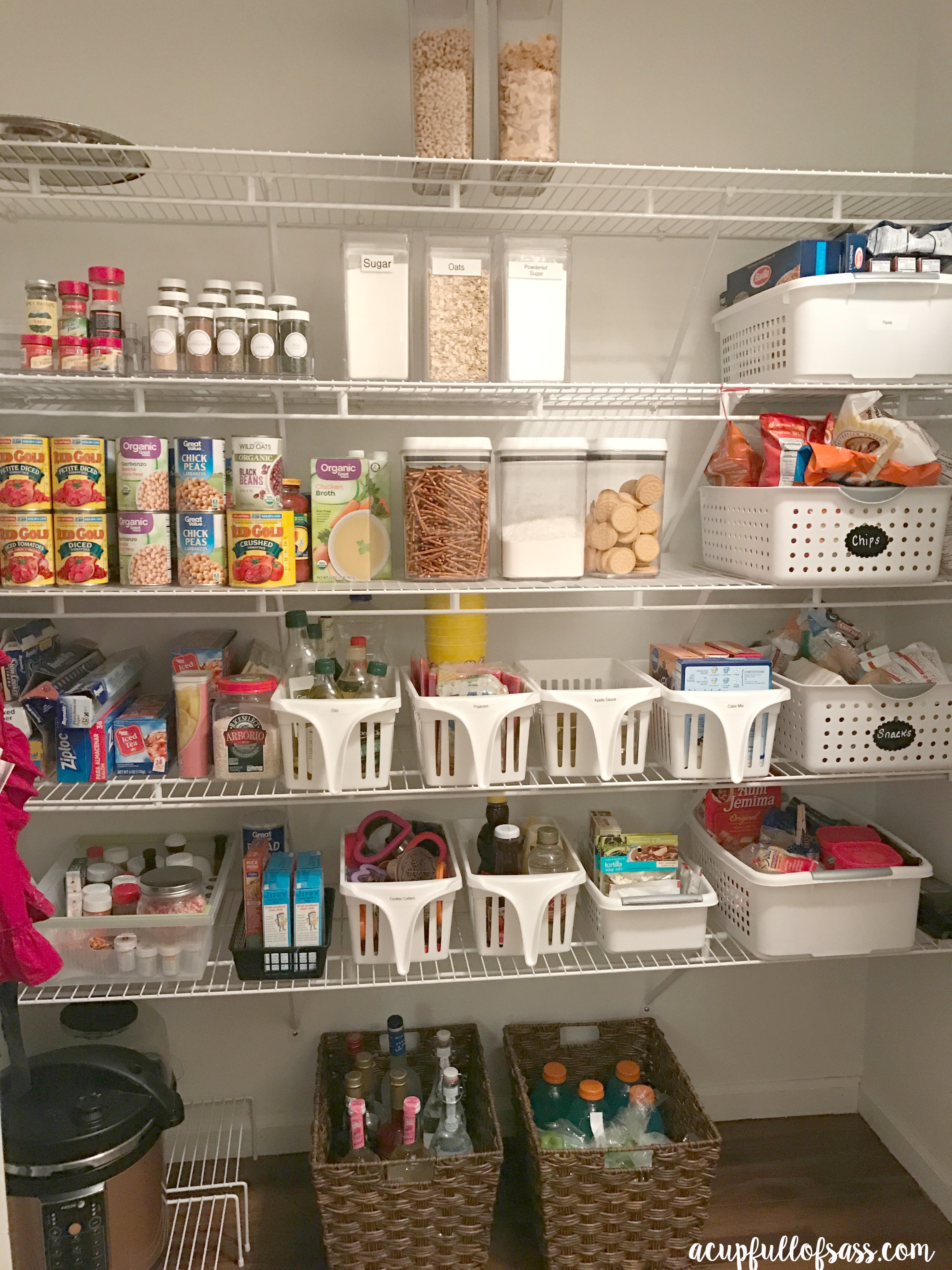
Credit: www.acupfullofsass.com
Benefits Of An Organized Pantry
An organized pantry cabinet saves time and reduces stress during meal prep. It helps in easily finding ingredients and prevents food waste.
An organized pantry is more than just neat shelves. It brings a range of benefits that make cooking and meal planning easier. It saves time and reduces stress in the kitchen. Imagine finding ingredients quickly without rummaging through cluttered shelves. This organization transforms your cooking experience into a smooth, enjoyable activity. Below, discover the key advantages of maintaining a well-organized pantry.Easy Access To Ingredients
Organized pantries offer quick access to all ingredients. Shelves are arranged for easy visibility. This means less time searching for items. Cooking becomes faster and more efficient.Reduced Food Waste
An organized pantry helps track food expiration dates. With items neatly displayed, you avoid buying duplicates. This reduces food waste and saves money.Improved Meal Planning
Meal planning is easier with a tidy pantry. You see all ingredients at a glance. This helps in planning meals based on available items. It encourages creative cooking.Enhanced Kitchen Aesthetics
A tidy pantry enhances kitchen aesthetics. Organized shelves look pleasing and inviting. It creates a positive atmosphere for cooking.Cost Efficiency
Organization helps in cost efficiency. Knowing what you have reduces unnecessary purchases. This saves money and makes shopping trips efficient.Stress-free Cooking Experience
Cooking becomes stress-free with an organized pantry. There’s no rush to find missing ingredients. This makes meal preparation calm and enjoyable.Maximized Storage Space
Organizing maximizes storage space. Items are stored systematically, utilizing every inch. This allows for more room for pantry essentials.Increased Productivity
Productivity increases with a well-organized pantry. Tasks are completed faster without distractions. This gives more time to focus on cooking creativity.Assess Your Space
Begin by measuring your pantry cabinet’s dimensions. Determine available space for shelves and storage containers. Group similar items together and assign dedicated spots for each category. Ensure frequently used items are easily accessible. Regularly check and rearrange to maintain order and avoid clutter.
Organizing a pantry cabinet begins with understanding the space you have. Each pantry is unique, with its own dimensions and constraints. By assessing your space, you can plan effectively and maximize storage. This step is crucial for a tidy and functional pantry.Measure Your Pantry Dimensions
Get a tape measure and note the height, width, and depth. This helps in choosing the right storage solutions. Knowing the exact dimensions avoids purchasing items that won’t fit.Identify Your Pantry’s Layout
Observe the layout of your pantry. Is it a walk-in, reach-in, or pull-out style? The layout affects how you organize and store items. Recognizing this can help in selecting suitable organizers.Evaluate Shelf Space And Height
Examine the number and height of shelves. Adjustable shelves offer flexibility for storing different-sized items. If shelves aren’t adjustable, plan how to use each one efficiently.Consider The Door Space
Don’t overlook the back of the pantry door. It can be a valuable storage area. Use over-the-door racks or hooks for additional storage options.Check For Unused Spaces
Look for corners or gaps between shelves. These spaces can store small items. Creative use of these areas can improve storage capacity.Analyze Lighting And Accessibility
Good lighting helps you find items quickly. Ensure the pantry is well-lit. Accessibility is also key. Items should be easy to reach without much hassle.Declutter And Clean
Organize a pantry cabinet by sorting items into categories. Use clear containers for visibility and easy access. Regularly check expiration dates to keep the pantry fresh and clutter-free.
Organizing a pantry cabinet can transform your kitchen routine, making meal prep smoother and more enjoyable. The first step in achieving a well-organized pantry is to declutter and clean. This process not only clears up space but also helps you identify items you no longer need. By tackling clutter head-on, you create an inviting space that’s easier to maintain. Let’s dive into the actionable steps to declutter and clean your pantry cabinet effectively.Take Everything Out
Start by emptying your pantry. This allows you to see everything at once and assess what you have. Lay items on a nearby countertop or table, grouping similar products together. This makes it easier to identify duplicates and expired items.Check Expiry Dates
Inspect each item for its expiration date. You might be surprised at how many expired goods are lurking in your pantry. Discard anything that’s past its prime. This not only frees up space but also ensures you’re not consuming spoiled food.Sort And Categorize
Once you’ve checked expiry dates, sort items into categories like grains, canned goods, and snacks. Grouping similar items helps streamline organization and makes it easier to find what you need. Consider creating subcategories if you have a large variety of items.Clean Shelves Thoroughly
Before placing items back, clean the shelves. Use a damp cloth and a mild cleaner to wipe away dust and spills. A fresh and clean surface sets the tone for your newly organized pantry.Reflect On Unused Items
As you sort, consider why some items remain unused. Are they part of a forgotten recipe or an impulse buy? Reflecting on these choices can help you make more mindful purchasing decisions in the future. By following these steps, you pave the way for a pantry that’s not only organized but also functional. Imagine the ease of finding exactly what you need, when you need it. How does a clutter-free pantry change your cooking experience?Sort And Categorize Items
Organizing a pantry cabinet can transform your kitchen experience. A well-arranged pantry saves time and reduces stress. The first step is to sort and categorize items. This creates a clear system that enhances accessibility. It ensures you find what you need quickly and prevents food waste. Proper categorization also helps in maintaining inventory control. Let’s delve into how to effectively sort and categorize pantry items.
Group Similar Foods Together
Start by grouping similar foods. Place canned goods together. Keep all grains in one section. This approach makes it easy to locate ingredients. It also simplifies meal planning. Use clear containers or bins for small items like spices. Label each container for quick identification. This system avoids clutter and keeps everything tidy.
Consider Usage Frequency
Arrange items based on usage frequency. Place frequently used items at eye level. Store rarely used items on higher shelves. This setup reduces hassle during cooking. It speeds up your daily routine. Maintain easy access to essential ingredients. This strategy minimizes the need to rummage through the pantry. It keeps your kitchen efficient and organized.
Choose Storage Solutions
Organizing a pantry cabinet can be a rewarding task. The key lies in choosing effective storage solutions. Proper storage not only saves space but also keeps your pantry neat. Let’s explore some smart options.
Bins And Baskets
Bins and baskets provide flexible storage. They group similar items together, reducing clutter. Opt for sturdy materials to ensure durability. Label each bin for easy identification. This makes finding items quick and simple. Stackable bins can maximize vertical space.
Clear Containers
Clear containers offer a transparent view of contents. They help in easy identification and inventory management. Use them for dry goods like pasta, rice, and cereals. Choose airtight lids to keep food fresh longer. These containers are also stackable, saving shelf space.
Lazy Susans And Shelf Risers
Lazy Susans are perfect for corner spaces. They rotate, giving easy access to items. Use them for spices, oils, and sauces. Shelf risers add an extra level to your shelves. They create more space for cans and jars. Both options make every item reachable without hassle.
Label Everything
Labeling is key for a tidy pantry cabinet. Clearly mark containers for easy identification. This saves time and reduces clutter.
Organizing a pantry cabinet can quickly become a daunting task without the right strategy. One of the most effective and often overlooked methods is to label everything. Labels add clarity and save time, letting you know exactly where each item belongs. Imagine never having to rummage through shelves to find that elusive spice or cereal again. Labeling not only transforms chaos into order but also involves the whole family in maintaining the system. Ready to dive into how labeling can make your pantry a masterpiece of organization?Why Labeling Works Wonders
Labeling is like giving each pantry item its own identity. It creates a sense of order that visually organizes your shelves. You can instantly spot missing items, making shopping lists a breeze.Types Of Labels To Use
Consider using printed labels for a uniform look. Chalkboard labels offer flexibility to change names as needed. Use waterproof labels for items stored in humid areas.Where To Place Labels
Ensure labels are visible at eye level. Place them on the front of containers for easy identification. Avoid hiding them on the sides or back where they can be easily overlooked.Labeling Tips For Success
Consistency is key; use the same font and size for all labels. Keep descriptions simple and clear. Include expiration dates if applicable.Involving The Family
Get everyone on board by letting them choose their favorite label style. Assign roles for restocking labeled items to foster teamwork. Encourage them to add labels for their own preferred snacks or ingredients.Maintaining The System
Regularly check labels for wear and tear. Update labels as pantry items change. Keep extra labels and a pen handy for quick updates.Maximize Vertical Space
Maximize vertical space by using stackable shelves and clear containers. This keeps items visible and organized. Install hooks or racks on cabinet doors for additional storage.
Maximizing vertical space in your pantry cabinet can be a game-changer. With a little creativity, you can significantly increase storage without expanding the physical footprint. You might be surprised at how much more you can fit when you think vertically.Use Stackable Containers
Stackable containers are a simple way to make the most of your pantry’s height. They allow you to organize items neatly, one on top of the other. This not only saves space but also keeps your pantry looking tidy. Choose transparent containers so you can easily see what’s inside.Install Adjustable Shelves
Adjustable shelves give you the flexibility to store items of different heights. By customizing the space between shelves, you can ensure even the tallest cereal boxes have a home. This adaptability allows you to change the layout as your storage needs evolve.Add Shelf Risers
Shelf risers are perfect for doubling the space on any shelf. They create an additional layer, making it easier to access items without stacking them directly on top of each other. You’ll find it much easier to reach for that can of soup without toppling everything else.Hang Hooks For Utensils
Utilize hooks on the inside of cabinet doors to hang utensils or small baskets. This keeps your countertops clear and makes use of often-overlooked space. Imagine the convenience of having easy access to measuring spoons right at the cabinet door.Use Over-the-door Organizers
An over-the-door organizer can provide extra storage for snacks, spices, or cleaning supplies. It’s a fantastic way to keep frequently used items within easy reach. Just be sure to choose an organizer that fits snugly to avoid swinging or noise when the door is opened.Consider A Lazy Susan
A Lazy Susan can make accessing items in deep shelves a breeze. By spinning it around, you can quickly find what you need without moving everything else. This is particularly useful for spices or small condiments that tend to get lost in the back. Have you tried any of these strategies in your pantry? You might be amazed at how much more organized and spacious your cabinet can feel with these simple adjustments.Maintain Organization
Organize a pantry cabinet by sorting items into categories like snacks, canned goods, and spices. Use clear containers and labels for easy identification. Regularly check expiration dates and remove expired products to maintain freshness.
Maintaining organization in your pantry cabinet is not just about making it look tidy. It’s about creating a system that works for you and your lifestyle. A well-organized pantry can save you time, reduce stress, and even cut down on food waste. Think about how often you’ve bought something you already had, simply because it was hidden in the back. By maintaining an organized pantry, you can easily see what you have and what you need. Let’s dive into some effective strategies to keep your pantry in top shape.Regularly Review Inventory
Take a few minutes each week to scan your pantry shelves. Check expiration dates and note items that are running low. This practice prevents food from going bad and saves money by avoiding unnecessary purchases. Make it a habit to write down items as you notice them depleting. Consider using a simple notepad or a digital app on your phone. This way, you’ll always have an updated list when you go shopping. Ask yourself: how often do you find expired items hidden in the back? Regular inventory checks can help you avoid these surprises.Implement A Restocking Routine
Develop a consistent restocking routine that fits your schedule. Maybe every Sunday evening you dedicate 15 minutes to restocking your pantry. This simple habit ensures you start the week with everything you need. Organize your shopping list based on your pantry’s layout. Group items by category, like grains, canned goods, and snacks. This approach makes restocking faster and more efficient. Consider engaging your family in the process. Assign roles to make it a fun activity rather than a chore. Teaching kids to help restock can also instill good habits for the future.Expert Tips For Small Pantries
Maximize pantry space with clear containers and labels for easy access. Arrange items by category and prioritize frequently used products at the front. Utilize vertical storage solutions like stackable shelves to optimize cabinet space efficiently.
Organizing a small pantry can feel challenging. Limited space often leads to clutter. Yet, with expert tips, even small pantries can be functional and tidy. This guide will help maximize your pantry space. Learn how to make the most of what you have.Utilize Door Storage
The back of your pantry door holds potential. Install hooks or racks for added storage. Use them for lighter items like spices or snacks. Clear pocket organizers work well for small packets. They keep everything visible and within reach. Magnetic strips can hold metal containers. This keeps your shelves free for bigger items.Stackable Solutions
Stackable containers are your best friend in a small pantry. They save space and keep food fresh. Choose clear containers to see contents easily. Label each container for quick identification. Use stackable baskets for irregular items. This helps maintain order and accessibility. With stackable solutions, you can double your storage.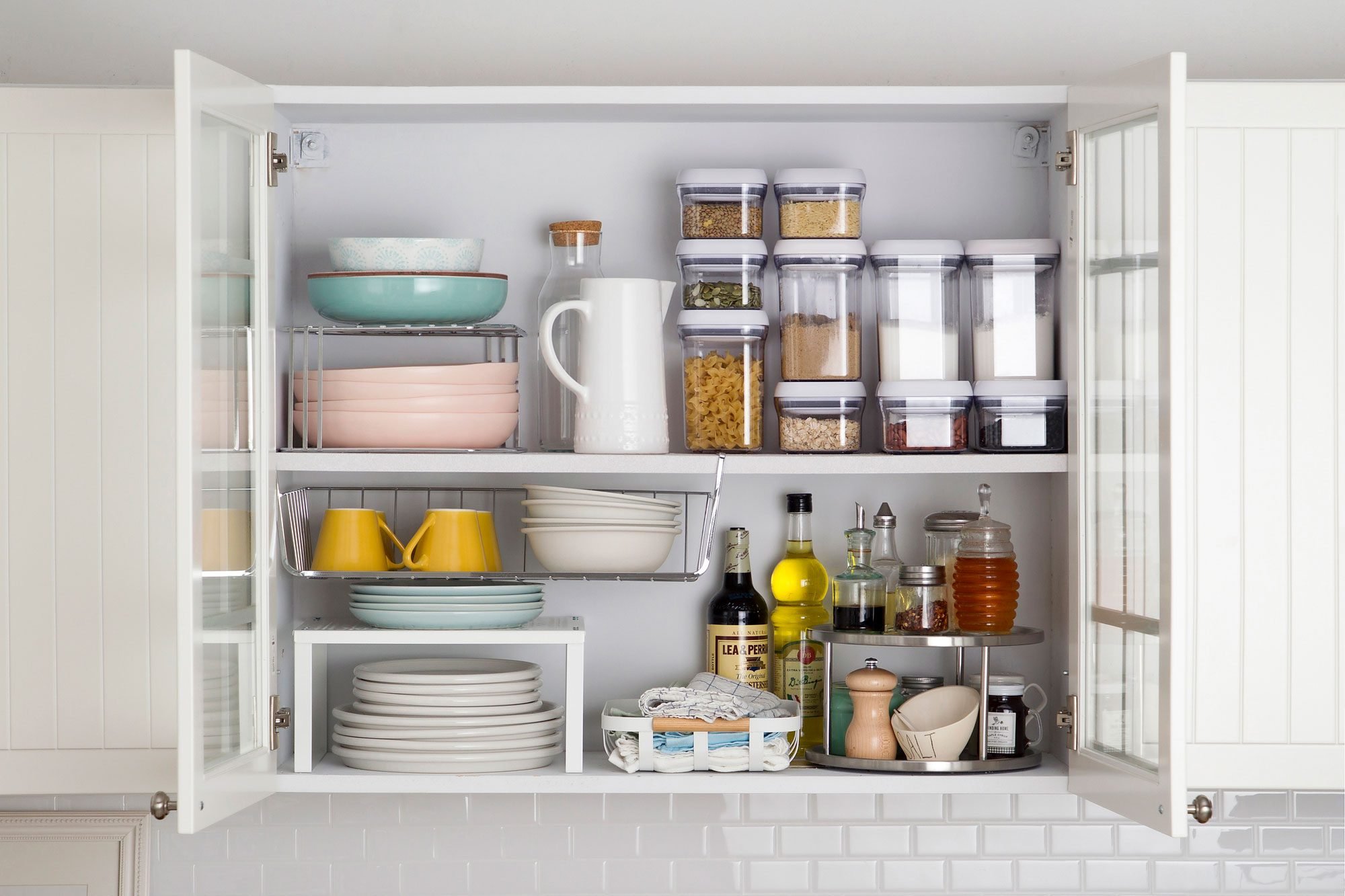
Credit: www.rd.com

Credit: food52.com
Frequently Asked Questions
In What Order Should A Pantry Be Organized?
Organize a pantry by categorizing items. Place frequently used items at eye level. Store heavy items on lower shelves. Use clear containers for visibility. Rotate older items to the front.
How Do You Decide Where To Put Things In Kitchen Cabinets?
Organize kitchen cabinets based on frequency of use and functionality. Place frequently used items within easy reach. Store heavy items on lower shelves and lighter ones higher. Group similar items together, like spices or baking supplies. Keep essentials like pots and pans near the stove for convenience.
What Are The 7 Pantry Zones?
The 7 pantry zones are canned goods, dry goods, baking supplies, snacks, breakfast items, condiments, and beverages. Organizing these zones ensures easy access and efficient storage.
How Do I Group Items In My Pantry?
Organize pantry items by category: grains, canned goods, spices, snacks, and baking supplies. Use clear containers for visibility. Label shelves or bins for easy identification. Arrange items by frequency of use, keeping everyday essentials at eye level. Regularly check expiration dates and rotate stock to maintain freshness.
Conclusion
Organizing a pantry cabinet can feel rewarding and simple. Start small. Group similar items together for easy access. Use clear containers to see contents quickly. Labels help keep everything in place. Rotate stock to prevent expired goods. Keep frequently used items at eye level.
Store heavy items on lower shelves to avoid accidents. Regularly check and tidy up to maintain order. A well-organized pantry saves time and reduces stress. Enjoy the ease of finding what you need in seconds. Happy organizing!

Hi, I’m Daniel Brooks—a food lover and kitchen gear enthusiast. I enjoy testing cookware, utensils, and gadgets to see what really works in everyday cooking. At PlugChef.com, I share honest reviews, comparisons, and simple guides to help you choose the best tools for a safer, smarter, and more enjoyable kitchen.
Related posts:
 What Type of Cooking Utensils are Safe: Expert Picks
 What Innovations Could Blenders Make: Unleashing Future Tech
 Smart Strategies to Organize a Small Kitchen: Maximize Space
 How to Organize a Kitchen Cabinet: Expert Tips & Tricks
 How to Organize Kitchen Drawers: Expert Tips and Tricks
 How to Organize a Corner Kitchen Cupboard: Expert Tips

