
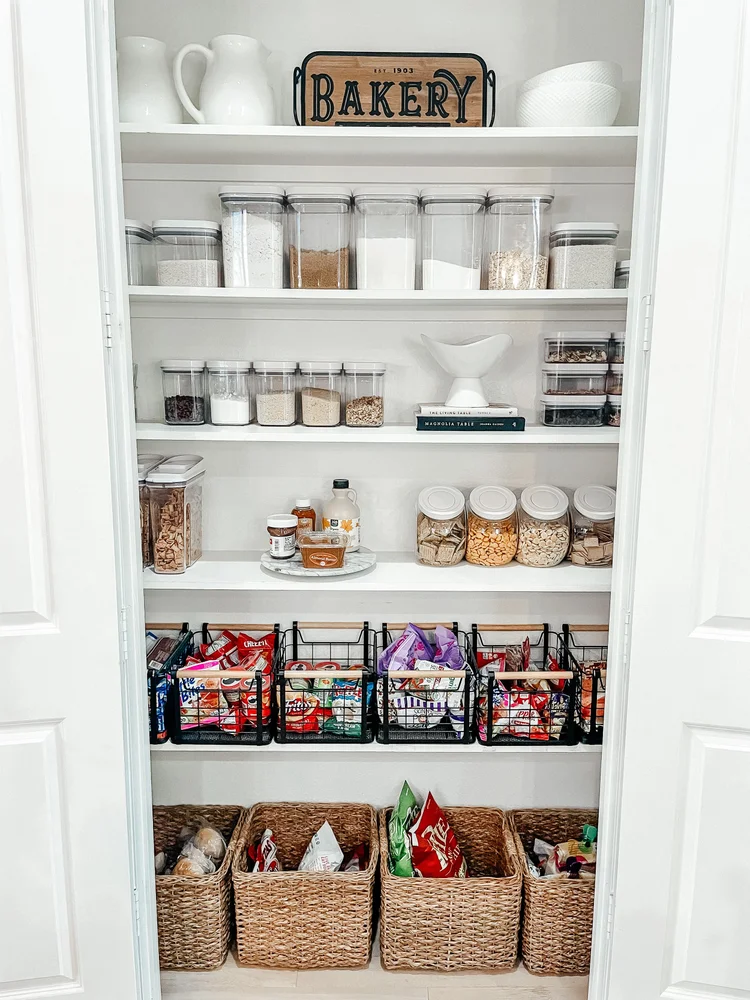
Do you ever find yourself rummaging through a cramped pantry, desperately searching for that elusive can of tomatoes or the last box of pasta? You’re not alone.
A small pantry can quickly become a chaotic mess, making meal prep a frustrating experience. But what if there was a way to transform that cluttered space into a model of efficiency and order? Imagine opening your pantry door to see neatly organized shelves where every item has its own home, and you know exactly where everything is.
The good news is, you can achieve this, and it’s easier than you think. This guide will show you how to organize your small pantry, turning it into a well-oiled machine that saves you time and stress. Let’s dive in and start creating a space that works for you, not against you.
Assess Your Pantry Space
Organizing a small pantry can seem like an overwhelming task, but it all begins with assessing your pantry space. Understanding the dimensions and identifying problem areas are crucial steps in transforming chaos into a streamlined, functional space. This assessment not only helps you make the most of every inch but also reveals the potential for creative storage solutions.
Measure The Dimensions
Start by measuring the width, height, and depth of your pantry. Use a tape measure to get accurate dimensions. This allows you to know exactly what space you’re working with and helps in selecting containers and shelves that fit perfectly.
Consider investing in adjustable shelving units. They can be tailored to fit your space and accommodate different heights of products. You’d be surprised how much space you can save by customizing shelving to your needs.
Think about the unused vertical space. Can you add hooks or racks to store smaller items? Vertical storage often goes unnoticed but can significantly impact how much you can store.
Identify Problem Areas
Look at your pantry with a critical eye. What frustrates you every time you open the door? Is it the clutter of cans, the avalanche of cereal boxes, or the missing spices that seem to have vanished?
Pinpoint the areas where items tend to pile up or where you struggle to find what you need. These problem areas often highlight the need for better organizational tools or strategies.
Ask yourself: Are there items in your pantry that you use rarely or never? Consider removing or relocating these to free up precious space. Sometimes, decluttering is the best solution to a crowded pantry.
By measuring your space and identifying problem areas, you set a solid foundation for a pantry that works for you, rather than against you. Imagine finding everything at a glance, knowing exactly where each item belongs. What’s stopping you from achieving this pantry paradise?

Credit: food52.com
Declutter And Sort
Maximize space in your small pantry by removing unused items and grouping similar products. Use clear containers and labels for easy access and visibility. Optimize shelves with stackable bins to keep everything organized and tidy.
Decluttering and sorting your small pantry can transform it into a functional space. Begin by removing items that no longer serve you. This process not only opens up space but also helps you manage your food inventory better.Remove Expired Items
Start with clearing out expired items. Check each product’s expiry date. Create a list of items close to expiring. This helps you use them before they go bad. Removing expired goods not only frees space but also prevents health risks. Do this regularly to maintain an organized pantry.Categorize Food Groups
Once expired items are gone, categorize food into groups. Group similar items together. For example, keep cereals with grains. Place canned goods in one section. This makes finding items easy and saves time. Use clear bins or baskets for better visibility. Label them for quick identification. Your pantry will look tidy and efficient.Maximize Vertical Space
Organizing a small pantry can seem challenging. Space often feels limited. But vertical space can be your best friend. Using this space wisely can transform your pantry. Suddenly, everything fits and is easy to find.
Install Adjustable Shelves
Adjustable shelves offer flexibility. They let you customize your storage needs. Shelves can move up or down. This means you can store tall items easily. No more awkward stacking or wasted space. Find adjustable shelving at most home improvement stores. Install them with basic tools. Your pantry will feel bigger instantly.
Use Stackable Containers
Stackable containers are perfect for small pantries. They use vertical space efficiently. These containers keep items fresh and organized. You can see what’s inside at a glance. Different sizes can hold various items. For example, cereals, pasta, or snacks. Choose clear containers for easy identification. Label them for an organized look. Stack them neatly to save space.
Utilize Doors And Walls
Maximizing every inch of your small pantry can feel like a puzzle. Yet, it’s often the overlooked spaces, like doors and walls, that hold the key to better organization. With a little creativity, these surfaces can provide much-needed storage solutions and make your pantry more efficient. Let’s dive into practical ways to make the most of these areas.
Over-the-door Organizers
Over-the-door organizers are a lifesaver in small spaces. They can transform a neglected pantry door into a functional storage area for spices, snacks, or cleaning supplies. Choose organizers with clear pockets for easy visibility, so you can quickly grab what you need.
Consider using adjustable shelves that fit over the door. This way, you can customize the height to accommodate taller bottles or odd-shaped containers. Have you ever thought about how much space you’re wasting on the back of your pantry door?
Magnetic Strips And Hooks
Magnetic strips and hooks are versatile tools that turn walls into storage powerhouses. Mount a magnetic strip on the wall to hold metal spice tins, freeing up shelf space. It’s a simple addition that can make a big difference in accessibility and organization.
Hooks are perfect for hanging measuring cups, oven mitts, or even small baskets. By utilizing vertical space, you keep items within reach without cluttering your shelves. What could you hang up to streamline your pantry routine?
Both magnetic strips and hooks are easy to install and remove, making them ideal for renters or those who like to frequently rearrange their setup. Plus, they offer a stylish way to showcase your most-used kitchen tools.
Choose The Right Storage Containers
Organizing a small pantry can seem challenging. The right storage containers make a big difference. They maximize space and keep items easily accessible. They also help maintain freshness and prevent pests. Choosing the right ones can transform your pantry into a well-organized space.
Transparent Bins
Transparent bins are a great choice for small pantries. They allow you to see contents at a glance. This reduces the time spent searching for items. Stackable designs save space and keep the pantry tidy. Choose bins that fit your pantry shelves perfectly. Consider using bins with handles for easy access. Labels on bins further enhance organization. They help identify contents quickly.
Airtight Jars
Airtight jars are essential for keeping food fresh. They are perfect for storing dry goods like pasta, rice, and flour. Choose jars of different sizes to fit various items. Glass jars are a popular choice. They are clear and easy to clean. Ensure lids seal tightly to keep air out. Label jars to know their contents and expiration dates. This prevents food waste and keeps everything organized.

Credit: food52.com
Label Everything
Label Everything Organize a small pantry by clearly labeling containers. This makes items easy to find and maintain order. Use simple labels for spices, grains, and snacks to enhance visibility and accessibility.
Organizing a small pantry can feel like a big task. Labeling everything is the key to a tidy space. It helps you find items quickly. Labels bring order and clarity. They prevent confusion and make your pantry look neat. Let’s dive into the details.Use Clear Labels
Clear labels are easy to read. They tell you what is inside containers. Use simple words or pictures. This helps everyone in the house. Clear labels also add a uniform look to your pantry. You can buy pre-made labels or make them at home. Use waterproof markers for longer-lasting labels.Include Expiry Dates
Add expiry dates to your labels. It helps keep your food fresh. You will know what to use first. Write the date in a visible spot. This prevents food waste and saves money. Regularly check and update these dates. It keeps your pantry safe and organized.Implement Rotating System
Implementing a rotating system ensures older items are used first, preventing spoilage. Place new products at the back, pushing older ones forward. This simple method keeps your small pantry organized and efficient.
Implementing a rotating system in your small pantry maximizes space and reduces waste. This system ensures that items are used in a timely manner, maintaining freshness. A rotating system keeps your pantry organized and efficient, making meal prep easier.First In, First Out Method
The First In, First Out (FIFO) method is simple yet effective. Place newer items behind older ones on your shelves. This encourages using older items first, preventing spoilage. Labeling items with purchase dates helps track their age. It’s a practical way to manage pantry inventory.Regular Inventory Checks
Conduct regular inventory checks to maintain order in your pantry. Check expiration dates and organize items by category. This practice helps identify items needing immediate use. It also prevents over-purchasing. Regular checks ensure your pantry remains clutter-free and functional.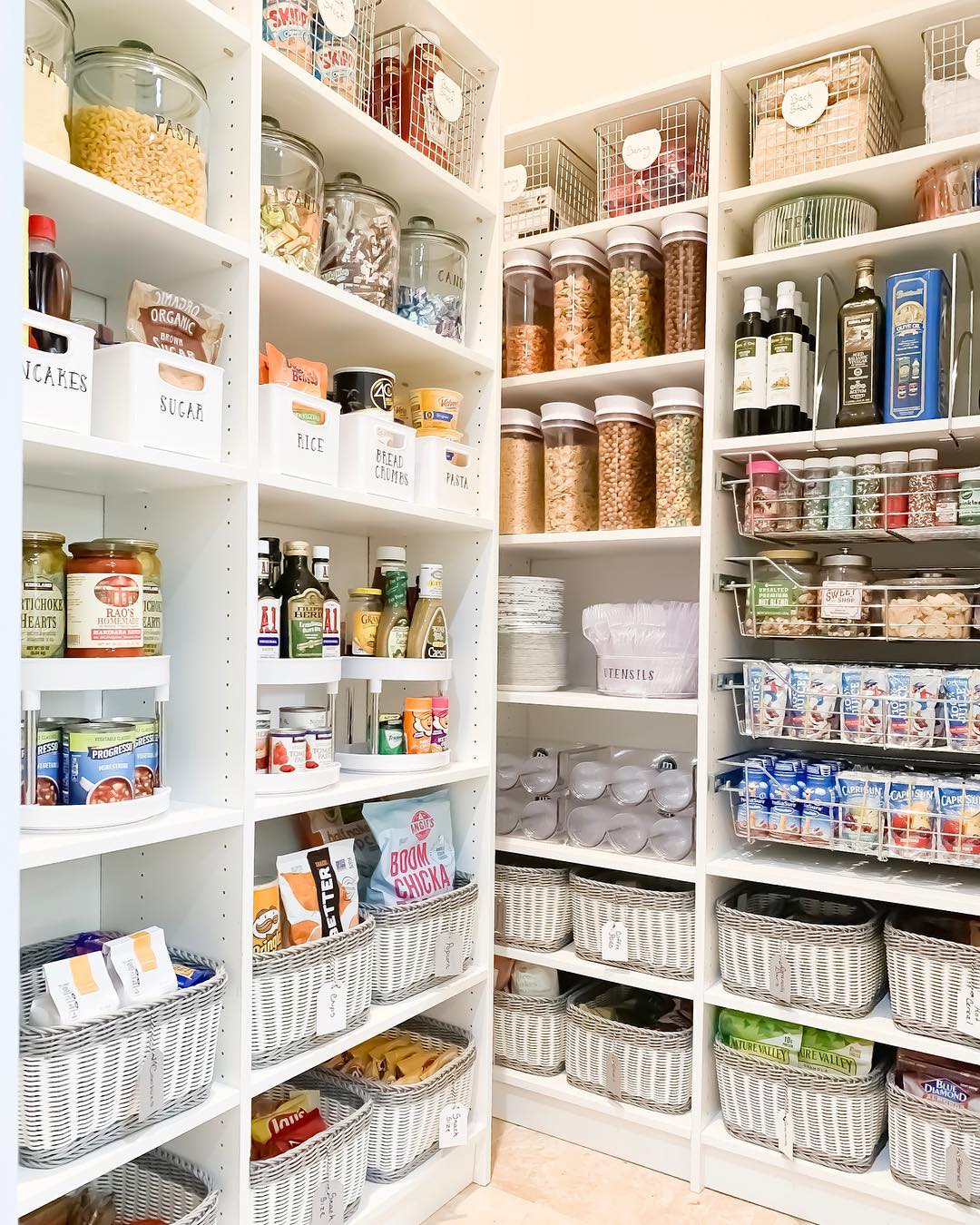
Credit: www.extraspace.com
Maintain Organization
Organize a small pantry by grouping similar items together. Use clear containers and labels for easy access. Maximize space with shelf risers and door racks.
Maintaining organization in a small pantry is key to functionality. A tidy pantry allows easy access to items and reduces stress. Consistent efforts keep your pantry neat and efficient. Here are some strategies to help you maintain that organization.Schedule Cleaning Sessions
Regular cleaning prevents clutter from building up. Set a monthly cleaning date. Remove expired items and wipe down shelves. This keeps your pantry fresh and functional. Consistency is crucial for a tidy space. A clean pantry feels more inviting and usable.Adapt Storage Solutions
Your storage needs might change over time. Adapt your storage to fit your current needs. Use clear containers for easy visibility. Label everything for quick identification. Consider adjustable shelving for flexibility. This ensures your pantry stays organized and efficient.Frequently Asked Questions
How To Arrange A Small Pantry?
Maximize space using shelves and baskets. Group similar items together. Label containers for easy identification. Store heavier items lower and lighter ones higher. Regularly declutter to maintain organization.
In What Order Should A Pantry Be Organized?
Organize your pantry by grouping similar items. Place frequently used items at eye level. Store heavier items on lower shelves. Use containers for loose items and label them clearly. Keep spices together for easy access. Rotate older items to the front to reduce waste.
How To Get The Most Space Out Of A Small Pantry?
Use clear storage bins for easy access and visibility. Install adjustable shelves for flexibility. Maximize vertical space with stackable containers and shelf risers. Use door organizers for spices and small items. Rotate pantry items regularly to avoid clutter and maintain organization.
What Are The 7 Pantry Zones?
The 7 pantry zones include: grains, canned goods, spices and herbs, oils and vinegars, baking supplies, snacks, and breakfast items. Organize these zones to enhance accessibility, maintain freshness, and optimize storage space. Proper zoning ensures efficient meal planning and reduces food waste.
Keep frequently used items within easy reach.
Conclusion
Organizing a small pantry can be simple and effective. Start with sorting items by type. Use clear bins and labels for easy access. Shelves make a big difference. They maximize space and keep things tidy. Keep frequently used items within reach.
Store bulk items at the back. Rotate older items forward to use them first. Regularly check for expired products. Maintain a clean and clutter-free pantry. Staying organized helps save time. It reduces stress and makes cooking enjoyable. Follow these tips to create a neat and efficient pantry space.
Enjoy the benefits of an organized kitchen.

I’m Abby Lu, a passionate home cook who loves simplifying everyday meals. At PlugChef.com, I share product reviews and cooking guides to help you find the best tools for your kitchen.
Related posts:
 What Type of Cooking Utensils are Safe: Expert Picks
 What Innovations Could Blenders Make: Unleashing Future Tech
 Smart Strategies to Organize a Small Kitchen: Maximize Space
 How to Organize a Kitchen Cabinet: Expert Tips & Tricks
 How to Organize Kitchen Drawers: Expert Tips and Tricks
 How to Organize a Corner Kitchen Cupboard: Expert Tips

