According to USDA food waste reduction guidance, the average US household wastes roughly 30% of the food it purchases each year, much of which stems from improper storage that leads to staleness, pest infestations, and spoilage. A high-quality 2 gallon food storage container with lid is a low-cost, high-impact solution to this problem, offering the perfect balance of capacity, footprint, and versatility for most home pantries. Unlike smaller 1-gallon containers that require multiple units to store bulk staples, or 5-gallon buckets that are too bulky for standard pantry shelving, 2-gallon containers hold full standard bags of flour, rice, beans, and pet food while fitting easily on 12-14 inch deep shelves.
In this guide, we break down the key features to prioritize when shopping, review the top 2026 2-gallon and near-2-gallon options for every use case, share actionable tips for maximizing pantry efficiency, and outline simple care steps to extend the lifespan of your containers for years of use.
Why 2 Gallons Is The Ideal Pantry Storage Size
The 2-gallon capacity is the sweet spot for most households, eliminating the pain points of both smaller and larger storage options. A full 2-gallon container holds:
- 1 full 25lb bag of all-purpose flour
- 1 full 20lb bag of long-grain rice or dry beans
- A 40lb bag of dry dog or cat kibble (with minimal headspace)
- 3-4 quarts of meal prepped grains, soup, or leftovers At 8-12 lbs when full of dry goods, 2-gallon containers are light enough for most adults to lift safely, but large enough to reduce the number of containers you need to organize, cutting down on pantry clutter significantly. They also fit on standard pantry shelves, in fridge doors, and even in garage storage areas for non-food items like gardening supplies or emergency kit staples.
Key Features To Prioritize When Shopping
Not all 2-gallon containers are built equal, and prioritizing these core features will ensure you get a product that lasts for years and keeps your food fresh:
Airtight Seal Quality
The seal is the most critical feature of any food storage container, as a compromised seal leads to stale food, pest infestations, and wasted money. Look for containers with thick silicone or rubber gaskets that create a tight, even seal around the lid edge. Two common seal types are:
- Screw-on lids (e.g., Gamma Seal): The most airtight, pest-proof option, ideal for long-term bulk storage of dry goods. They require a full twist to open and close, but the seal remains tight even if the container is tipped over.
- Clip-on or locking lids: Faster to open and close, perfect for frequently used items like cereal or snacks. The seal is slightly less airtight than screw-on options, so they are better for short-term storage. A common mistake is buying a container with a thin, flimsy gasket that warps after 6 months of use. To test a seal before purchasing, close the empty container, then try to blow air into it through the lid gap. If you feel air escaping, the seal is compromised and will not keep food fresh long-term.
Food-Safe Material Construction
All food storage containers should be made from food-grade plastic that meets FDA food contact safety standards to avoid chemical leaching into stored food. Look for containers made from HDPE (high-density polyethylene) or PET (polyethylene terephthalate), both of which are non-toxic and safe for all food types, including acidic items like tomato sauce. Avoid unmarked recycled plastic containers, as these may contain unknown contaminants from prior use. For households with young children or allergy concerns, look for containers certified by NSF International, which ensures they meet strict public health and safety standards.
Stackability And Shelf Compatibility
Most home pantry shelves are 12-14 inches deep, so prioritize containers with straight sides and flat, uniform lids that stack stably. Stackable containers can double your usable shelf space, but avoid stacking more than 3 containers high to prevent toppling, especially when full of heavy dry goods. If you have a small pantry, look for nesting containers that fit inside each other when empty to save space when not in use.
Lid Type And Ease Of Use
Choose a lid type that matches your storage needs:
- Screw-on lids are best for long-term bulk storage, as they provide the most secure, pest-proof seal.
- Clip-on lids are ideal for frequently accessed items like cereal or snacks, as they open and close in seconds.
- For freezer storage, look for lids with a small gap to allow for liquid expansion, which prevents cracked containers when frozen contents expand. If you have limited hand strength, prioritize lids with easy-grip ridges or large handles for effortless opening.
Top 2 Gallon Food Storage Containers With Lids For 2026
We’ve ranked the top options by durability, seal quality, and value, including both exact 2-gallon models and near-2-gallon options for households that want a bit of extra capacity:
1. Consolidated Plastics 2 Gallon Food Grade Bucket With Gamma Seal Lid (3 Pack)
 Made-in-USA HDPE buckets with Gamma Seal airtight lids, ideal for long-term bulk storage
As one of the only truly 2-gallon, food-grade options on the market, these Consolidated Plastics buckets are a top choice for bulk shoppers, preppers, and home canners. Made in the USA from BPA-free HDPE plastic, they meet all FDA food contact requirements, and the included Gamma Seal lid is the gold standard for airtight, pest-proof storage. In practice, these buckets hold a full 25lb bag of flour, 20lb of rice, or a 40lb bag of dry pet kibble with room to spare, and the airtight seal keeps contents fresh for 12+ months when stored in a cool, dry pantry.
A common user feedback point is that the bucket shape is less sleek for countertop storage, but they fit perfectly on standard pantry shelves and are durable enough to be used for non-food storage like gardening supplies or holiday decorations. The 3-pack offers the best value for households that want to store multiple staples at once. One small trade-off: the white plastic can show stains if you store strongly colored foods like tomato sauce or curry powder, so use a reusable liner for those items.
Buy on Amazon
Made-in-USA HDPE buckets with Gamma Seal airtight lids, ideal for long-term bulk storage
As one of the only truly 2-gallon, food-grade options on the market, these Consolidated Plastics buckets are a top choice for bulk shoppers, preppers, and home canners. Made in the USA from BPA-free HDPE plastic, they meet all FDA food contact requirements, and the included Gamma Seal lid is the gold standard for airtight, pest-proof storage. In practice, these buckets hold a full 25lb bag of flour, 20lb of rice, or a 40lb bag of dry pet kibble with room to spare, and the airtight seal keeps contents fresh for 12+ months when stored in a cool, dry pantry.
A common user feedback point is that the bucket shape is less sleek for countertop storage, but they fit perfectly on standard pantry shelves and are durable enough to be used for non-food storage like gardening supplies or holiday decorations. The 3-pack offers the best value for households that want to store multiple staples at once. One small trade-off: the white plastic can show stains if you store strongly colored foods like tomato sauce or curry powder, so use a reusable liner for those items.
Buy on Amazon
2. House Naturals 2 Gallon Food Grade Bucket With Screw-On Lid (3 Pack)
 BPA-free screw-top buckets, ideal for short-term bulk storage and canning supplies
These House Naturals buckets are another made-in-USA, BPA-free 2-gallon option, with a standard screw-on lid that is easier to open for users with limited hand strength than the Gamma Seal's twist-lock design. They are perfect for home canners, bulk oat or grain storage, and pet food, with an airtight seal that keeps pests and moisture out for 6-9 months of storage. The screw-on lid is also more forgiving if you overfill the bucket slightly, as it doesn't require a perfect seal to close properly.
The main trade-off compared to the Gamma Seal is that the screw-on lid is slightly less airtight for extremely long-term storage of moisture-sensitive goods like flour. The white plastic also stains more easily than colored options, so we recommend using a reusable silicone liner for strongly pigmented foods. These buckets are a great pick for households that want a more affordable, easy-to-use 2-gallon option for regular bulk shopping.
Buy on Amazon
BPA-free screw-top buckets, ideal for short-term bulk storage and canning supplies
These House Naturals buckets are another made-in-USA, BPA-free 2-gallon option, with a standard screw-on lid that is easier to open for users with limited hand strength than the Gamma Seal's twist-lock design. They are perfect for home canners, bulk oat or grain storage, and pet food, with an airtight seal that keeps pests and moisture out for 6-9 months of storage. The screw-on lid is also more forgiving if you overfill the bucket slightly, as it doesn't require a perfect seal to close properly.
The main trade-off compared to the Gamma Seal is that the screw-on lid is slightly less airtight for extremely long-term storage of moisture-sensitive goods like flour. The white plastic also stains more easily than colored options, so we recommend using a reusable silicone liner for strongly pigmented foods. These buckets are a great pick for households that want a more affordable, easy-to-use 2-gallon option for regular bulk shopping.
Buy on Amazon
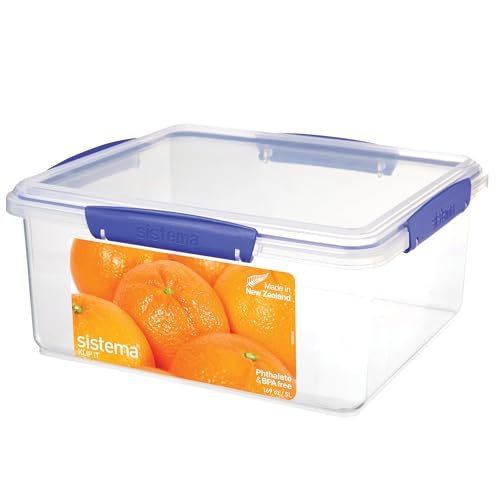
3. Sistema KLIP IT 7L (~1.85 Gallon) Airtight Container
 Clear stackable container with blue clip seals, ideal for countertop and pantry storage
For households that want a more sleek, countertop-friendly option that is just under 2 gallons, the Sistema KLIP IT 7L container is a long-time favorite. Made from BPA-free clear plastic, it has a patented airtight seal with blue clips that lock in freshness, and a stackable design that fits perfectly on standard pantry shelves. In practice, this container holds a full 10lb bag of pasta, 12lb of cereal, or 3-4 days of meal prepped ingredients, and the clear body lets you see contents at a glance without opening the lid.
A common mistake users make is forcing the blue clips open instead of pressing the small release tab on the side, which can break the clips after a few months of use. The clip seal is also less airtight than a screw-on lid for long-term bulk storage, so it is best for items you use regularly, like cereal, snacks, or weekly meal prep ingredients. It comes in multiple colors to match your kitchen decor, and the compact size fits easily in fridge doors or upper cabinets.
Buy on Amazon
Clear stackable container with blue clip seals, ideal for countertop and pantry storage
For households that want a more sleek, countertop-friendly option that is just under 2 gallons, the Sistema KLIP IT 7L container is a long-time favorite. Made from BPA-free clear plastic, it has a patented airtight seal with blue clips that lock in freshness, and a stackable design that fits perfectly on standard pantry shelves. In practice, this container holds a full 10lb bag of pasta, 12lb of cereal, or 3-4 days of meal prepped ingredients, and the clear body lets you see contents at a glance without opening the lid.
A common mistake users make is forcing the blue clips open instead of pressing the small release tab on the side, which can break the clips after a few months of use. The clip seal is also less airtight than a screw-on lid for long-term bulk storage, so it is best for items you use regularly, like cereal, snacks, or weekly meal prep ingredients. It comes in multiple colors to match your kitchen decor, and the compact size fits easily in fridge doors or upper cabinets.
Buy on Amazon
4. Chef's Path 6.5L (~1.7 Gallon) Airtight Canister (2 Pack)
 Locking-lid transparent canisters, ideal for baking supply storage
This 2-pack of Chef's Path canisters is perfect for baking enthusiasts and households that store multiple types of dry staples. Each 6.5L container holds a full 5lb bag of flour, 4lb of sugar, or a large bag of cocoa powder, and the locking airtight lids keep moisture and pests out for up to 12 months. The transparent body lets you quickly check inventory, and the stackable design saves pantry space.
The main trade-off is that the lid gasket can trap food particles if not cleaned regularly, which can compromise the seal over time. We recommend removing the gasket and washing it separately every 2 weeks to maintain airtight performance. These canisters are a great pick for anyone who wants a set of matching containers for their baking supplies, and the 2-pack offers better value than buying single containers.
Buy on Amazon
Locking-lid transparent canisters, ideal for baking supply storage
This 2-pack of Chef's Path canisters is perfect for baking enthusiasts and households that store multiple types of dry staples. Each 6.5L container holds a full 5lb bag of flour, 4lb of sugar, or a large bag of cocoa powder, and the locking airtight lids keep moisture and pests out for up to 12 months. The transparent body lets you quickly check inventory, and the stackable design saves pantry space.
The main trade-off is that the lid gasket can trap food particles if not cleaned regularly, which can compromise the seal over time. We recommend removing the gasket and washing it separately every 2 weeks to maintain airtight performance. These canisters are a great pick for anyone who wants a set of matching containers for their baking supplies, and the 2-pack offers better value than buying single containers.
Buy on Amazon
5. Shazo 9.5L (~2.5 Gallon) Bulk Storage Container (2 Pack)
 Opaque black airtight containers, ideal for light-sensitive and large-volume bulk storage
If you need slightly more than 2 gallons of storage, this 2-pack of Shazo containers offers 9.5L (2.5 gallon) capacity, making them perfect for large households or people who buy bulk staples in 50lb bags. The BPA-free opaque black plastic blocks UV light, which can degrade the quality of light-sensitive goods like flour, spices, and dried herbs over time. The airtight lids are leakproof and pest-proof, keeping contents fresh for up to 18 months when stored properly.
The opaque design means you can't see contents at a glance, so we recommend labeling each container with a dry-erase marker or removable sticker. These containers are also stackable, and the dark color hides stains and residue better than clear or white options, making them low-maintenance for frequent use. They are a great pick for households that store large volumes of dry goods or want a durable, long-lasting storage solution.
Buy on Amazon
Opaque black airtight containers, ideal for light-sensitive and large-volume bulk storage
If you need slightly more than 2 gallons of storage, this 2-pack of Shazo containers offers 9.5L (2.5 gallon) capacity, making them perfect for large households or people who buy bulk staples in 50lb bags. The BPA-free opaque black plastic blocks UV light, which can degrade the quality of light-sensitive goods like flour, spices, and dried herbs over time. The airtight lids are leakproof and pest-proof, keeping contents fresh for up to 18 months when stored properly.
The opaque design means you can't see contents at a glance, so we recommend labeling each container with a dry-erase marker or removable sticker. These containers are also stackable, and the dark color hides stains and residue better than clear or white options, making them low-maintenance for frequent use. They are a great pick for households that store large volumes of dry goods or want a durable, long-lasting storage solution.
Buy on Amazon
6. Youngever 2 Pack Extra Large 2.5 Gallon Food Storage Containers
 Extra-large 2.5 gallon containers with multi-color lids, ideal for bulk storage
These Youngever containers offer 2.5 gallons of capacity each, making them a great pick for households that need slightly more space than a standard 2-gallon container provides. Each measures 15 inches long x 11 inches wide x 5 inches tall, so they fit perfectly on extra-deep pantry shelves or in garage storage areas for bulk goods. Made from durable, BPA-free plastic, they have airtight lids that keep moisture and pests out, and the multi-color lids make it easy to identify different staples at a glance.
A common trade-off is their bulky footprint: they are too large for standard 12-inch pantry shelves, so they are best suited for extra-deep shelving or basement storage. They also weigh over 3 lbs each when empty, so they may be heavy for users with limited mobility to lift when full of dry goods. The 2-pack is a great value for households that want to store large quantities of multiple staples at once.
Buy on Amazon
Extra-large 2.5 gallon containers with multi-color lids, ideal for bulk storage
These Youngever containers offer 2.5 gallons of capacity each, making them a great pick for households that need slightly more space than a standard 2-gallon container provides. Each measures 15 inches long x 11 inches wide x 5 inches tall, so they fit perfectly on extra-deep pantry shelves or in garage storage areas for bulk goods. Made from durable, BPA-free plastic, they have airtight lids that keep moisture and pests out, and the multi-color lids make it easy to identify different staples at a glance.
A common trade-off is their bulky footprint: they are too large for standard 12-inch pantry shelves, so they are best suited for extra-deep shelving or basement storage. They also weigh over 3 lbs each when empty, so they may be heavy for users with limited mobility to lift when full of dry goods. The 2-pack is a great value for households that want to store large quantities of multiple staples at once.
Buy on Amazon
7. Flour Storage Container 2 PC 8.5L (~2.3 Gallon) Airtight Canisters
 Clear 8.5L airtight containers, purpose-built for flour and sugar storage
These purpose-built flour storage containers are designed specifically for bakers and bulk shoppers, with 8.5L (~2.3 gallon) capacity that holds a full 25lb bag of all-purpose flour or 10lb of granulated sugar with room to spare. The airtight, leak-proof lids keep moisture out to prevent clumping, and the clear body lets you check inventory at a glance. They are BPA-free and stackable, making them a great addition to any baking-focused pantry.
The main trade-off is their height: at 12.3 inches tall, they may not fit in upper pantry cabinets with low clearance. They are also slightly heavier than smaller containers, weighing 3.5 lbs each when empty. The 2-pack is ideal for households that bake regularly and need separate containers for flour and sugar.
Buy on Amazon
Clear 8.5L airtight containers, purpose-built for flour and sugar storage
These purpose-built flour storage containers are designed specifically for bakers and bulk shoppers, with 8.5L (~2.3 gallon) capacity that holds a full 25lb bag of all-purpose flour or 10lb of granulated sugar with room to spare. The airtight, leak-proof lids keep moisture out to prevent clumping, and the clear body lets you check inventory at a glance. They are BPA-free and stackable, making them a great addition to any baking-focused pantry.
The main trade-off is their height: at 12.3 inches tall, they may not fit in upper pantry cabinets with low clearance. They are also slightly heavier than smaller containers, weighing 3.5 lbs each when empty. The 2-pack is ideal for households that bake regularly and need separate containers for flour and sugar.
Buy on Amazon
Complementary Option: Cambro 4 Quart (1 Gallon) Container (2 Pack)
 Durable commercial-grade containers, ideal for smaller staples and meal prep
While not a 2-gallon option, these Cambro 4-quart containers are a great complementary purchase for households that want a full set of storage containers. They hold 1 gallon of liquid or dry goods, making them perfect for storing nuts, spices, weekly meal prep portions, or leftovers. Made from BPA-free, commercial-grade plastic, they are durable enough for daily use and are microwave, freezer, and dishwasher safe. The translucent design lets you see contents at a glance, and they stack neatly with larger containers for a uniform pantry look.
Buy on Amazon
Durable commercial-grade containers, ideal for smaller staples and meal prep
While not a 2-gallon option, these Cambro 4-quart containers are a great complementary purchase for households that want a full set of storage containers. They hold 1 gallon of liquid or dry goods, making them perfect for storing nuts, spices, weekly meal prep portions, or leftovers. Made from BPA-free, commercial-grade plastic, they are durable enough for daily use and are microwave, freezer, and dishwasher safe. The translucent design lets you see contents at a glance, and they stack neatly with larger containers for a uniform pantry look.
Buy on Amazon
Bonus: Extreme Freeze Reditainer 64 Oz Freezer Containers (8 Pack)
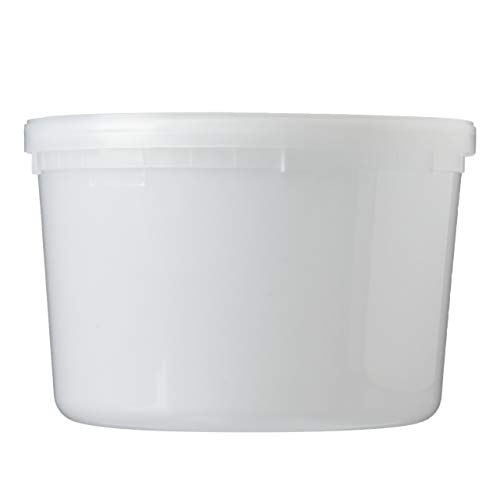 Freezer and microwave-safe 64 oz containers, ideal for meal prep and leftovers
If you want to use your 2-gallon containers for freezer storage, these 64 oz (half-gallon) Reditainer containers are a great complementary option. They are made from BPA-free plastic that is safe down to -40°F, and the leakproof lids prevent freezer burn and spills. They are also microwave-safe, so you can reheat meals directly in the container without transferring to another dish. The 8-pack is perfect for meal prepping large batches of soup, stew, or prepped veggies for the week.
Buy on Amazon
Freezer and microwave-safe 64 oz containers, ideal for meal prep and leftovers
If you want to use your 2-gallon containers for freezer storage, these 64 oz (half-gallon) Reditainer containers are a great complementary option. They are made from BPA-free plastic that is safe down to -40°F, and the leakproof lids prevent freezer burn and spills. They are also microwave-safe, so you can reheat meals directly in the container without transferring to another dish. The 8-pack is perfect for meal prepping large batches of soup, stew, or prepped veggies for the week.
Buy on Amazon
How To Use 2 Gallon Containers For Maximum Pantry Efficiency
A 2-gallon container is only as useful as the system you build around it. Use these actionable tips to cut down on clutter and food waste:
- Store bulk dry staples: A 2-gallon container holds a full 25lb bag of all-purpose flour, 20lb of rice, or 15lb of dry beans, eliminating the need to keep bulky original packaging in your pantry. This reduces clutter and makes it easier to see how much of each staple you have left at a glance.
- Organize baking supplies: If you bake regularly, use 2-gallon containers to store flour, sugar, cocoa powder, and sprinkles in one accessible spot. Label each container to avoid mixing up ingredients during busy baking sessions.
- Store pet food: Keep 30-40lb bags of dry dog or cat food in a 2-gallon airtight container to prevent staleness and keep pests out. The large capacity means you only need to refill every 2-3 weeks for most households.
- Meal prep and freezer storage: Use 2-gallon containers to store large batches of soup, stew, cooked grains, or prepped veggies. Leave 1-2 inches of headspace when storing liquids to account for expansion in the freezer.
- Emergency preparedness: Store long-term staples like rolled oats, pasta, and dried beans in 2-gallon containers as part of your household emergency kit. The airtight seal keeps contents fresh for 12+ months, and the compact size fits easily in emergency supply bins. For households with young children, pair your pantry storage with childproofing solutions to keep containers of choking hazards like nuts or small snacks out of reach.
Care And Maintenance To Extend Container Lifespan
With proper care, a high-quality 2-gallon container will last for 5+ years, paying for itself many times over in reduced food waste. Follow these simple steps to keep your containers in top condition:
- Clean after every use: Wash containers with warm soapy water, and use a soft kitchen cleaning brush with handle to scrub corners and lid gaskets without scratching the plastic. Avoid abrasive scrubbers, which can create tiny scratches that harbor bacteria and cause stains.
- Remove and clean lid gaskets regularly: Every 1-2 weeks, take apart the lid and wash the silicone or rubber gasket separately to prevent mold and mildew buildup, especially if you store moist foods like chopped fruit or cooked veggies. For tough stains, soak the gasket in a mixture of warm water and baking soda for 30 minutes before scrubbing.
- Avoid high heat: Do not store boiling hot foods directly in plastic containers, as high heat can warp the plastic and cause chemical leaching. Let leftovers cool to room temperature before storing, and never put plastic containers in the oven or on the stovetop. Most 2-gallon containers are dishwasher safe on the top rack, but check the manufacturer's instructions first.
- Store away from direct sunlight: Prolonged UV exposure can yellow clear plastic containers and degrade the lid seal over time. Store containers in a cool, dark pantry or cupboard to extend their lifespan. For tough, set-in stains, use a heavy-duty cleaning tool to scrub the plastic without damaging it.
Frequently Asked Questions
What are the benefits of a 2-gallon container over smaller or larger sizes?
2-gallon containers hit the perfect balance of capacity and footprint for most home pantries. They are large enough to hold full standard bags of bulk staples like 25lb flour or 20lb rice, eliminating the need for bulky original packaging, but small enough to fit on standard 12-14 inch deep pantry shelves and lift safely when full (most full 2-gallon containers weigh 8-12 lbs, manageable for most adults). Smaller 1-gallon containers require multiple units to store the same amount of food, leading to more clutter, while 5-gallon buckets are too large for most home storage spaces.
Are all 2-gallon food storage containers BPA-free?
Yes, all food-grade 2-gallon containers sold for household use in the US meet FDA food contact safety standards, and the vast majority are explicitly labeled BPA-free to address consumer concerns about chemical leaching. Look for products marked "food-grade" and "BPA-free" to confirm safety, especially if you plan to store acidic foods like tomato sauce or citrus marinades. Avoid unmarked recycled plastic containers, as these may contain unknown contaminants from prior use.
Can 2-gallon containers be used in the freezer?
Most HDPE 2-gallon containers are freezer-safe down to -40°F, but always check the manufacturer's temperature rating before use. When storing liquids or moist foods, leave 1-2 inches of headspace at the top of the container to account for expansion as food freezes, which can crack overfilled containers. Most rigid plastic 2-gallon containers are not microwave-safe, so transfer contents to a microwave-safe dish for reheating.
How do I test if my container's airtight seal is working?
Perform a simple paper test: place a dry sheet of paper inside the sealed container, close the lid tightly, then shake the container vigorously. If the paper moves or falls out, the seal is compromised, and you will need to replace the lid gasket or the entire lid. For containers with clip-on lids, ensure all clips are fully engaged before testing— a common mistake is only clipping one side of the lid, which leaves gaps for air and pests to enter.
Are 2-gallon containers stackable?
Most pantry-specific 2-gallon containers are designed with straight sides and flat, uniform lids to allow stable stacking, which can double your usable pantry shelf space. Look for products explicitly labeled "stackable" to confirm, and avoid stacking more than 3 containers high to prevent toppling, especially when full of heavy dry goods. For small pantries, look for nesting containers that fit inside each other when empty to save space when not in use.
Can I store liquids in 2-gallon containers?
Yes, but only use containers with leakproof, airtight lids designed for liquid storage. Screw-on Gamma Seal lids or locking clip-on lids with silicone gaskets work best for liquids like soup, broth, or meal prep sauces. Avoid containers with loose-fitting lids, as they will leak when tipped over. For freezer storage of liquids, always leave headspace for expansion to prevent cracked containers.
Conclusion
A high-quality 2-gallon food storage container with lid is one of the most versatile, low-cost investments you can make for your pantry, reducing clutter, cutting down on food waste, and keeping staples fresh for months longer than original packaging. For long-term bulk storage of dry goods like flour, rice, and pet food, the Consolidated Plastics Gamma Seal bucket is the top pick for its unmatched airtight seal and made-in-USA durability. If you want a countertop-friendly option for frequently used items, the Sistema KLIP IT or Chef's Path canisters offer sleek design and easy access.
When shopping, prioritize airtight seal quality, BPA-free food-grade material, and stackability to get the most value out of your purchase. With proper care—regular cleaning of lid gaskets, avoiding high heat, and storing away from direct sunlight—a good 2-gallon container will last for 5+ years, paying for itself many times over in reduced food waste and fewer trips to the store.
For more practical kitchen organization and storage advice, check out our blog for tips on streamlining your cooking space. If you're childproofing your kitchen to keep storage containers and hazardous items out of reach, explore our range of secure storage accessories designed for easy installation without drilling.

I’m Abby Lu, a passionate home cook who loves simplifying everyday meals. At PlugChef.com, I share product reviews and cooking guides to help you find the best tools for your kitchen.
Related posts:
 Best Coffee Grinders for Espresso: Precision and Style in Every Grind
 Best Coffee Mug Warmer: Top Picks for Effortless Beverage Heating
 Best Pressure Cooker Electric Pressure Cookers: Top Multi-Function Picks
 Best Mug Warmer And Charger: Ultimate Coffee Comfort & Charging Solution
 Top 10 Best Kitchen Sink Cleaning Powders for a Fresh, Sparkling Finish
 How Does Ninja Creami Work 2026