
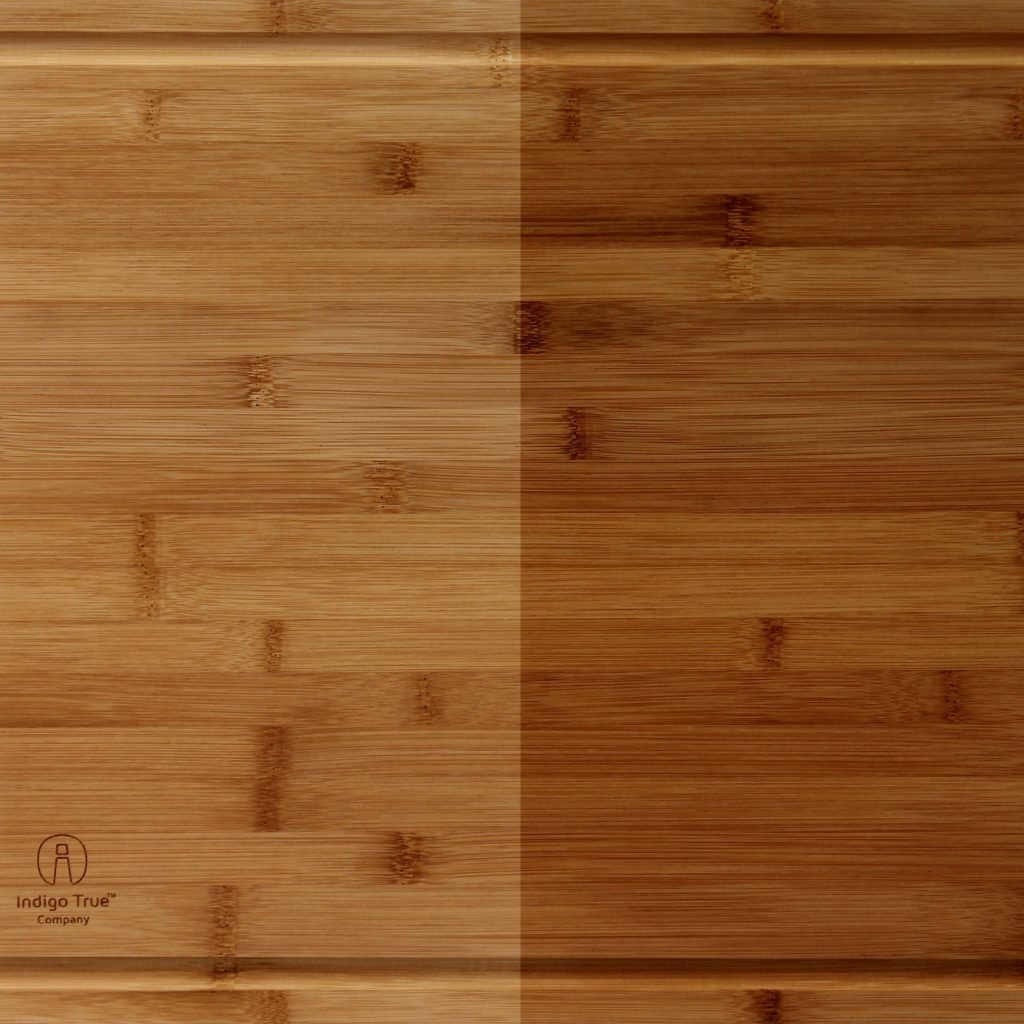
A properly seasoned bamboo cutting board lasts years, resists cracking and staining, and stays hygienic for food prep. This guide gives clear, practical steps—what oils to use and avoid, an exact seasoning routine (including quantities and wait times), a simple beeswax balm recipe, daily care tips, and fixes for common problems. Read through once, then follow the step-by-step checklist to season your board tonight.
Why you should season a bamboo cutting board
Seasoning (also called oiling or conditioning) soaks a food-safe oil into the board’s fibers and any glue lines. The benefits are concrete:
- Moisture resistance: oil reduces liquid absorption that leads to swelling, splitting, and warping.
- Longevity: regularly oiled bamboo is less likely to dry out and delaminate.
- Easier cleaning and fewer stains: a well-conditioned surface repels juices and reduces staining.
- Improved appearance: oil brings out the grain and evens color. Seasoning is a basic safety and maintenance step recommended by kitchen-care experts and extension services; for general food-contact guidance see the USDA’s home food safety pages and your local extension service for region-specific tips (USDA, university extension resources).
What oil to use (and what to avoid)
Use only food-safe, non-rancid oils or wax blends. Below is a quick comparison.
| Option | Pros | Cons |
|---|---|---|
| USP food-grade mineral oil | Inexpensive, odorless, non-rancid, easy to apply | Doesn’t form a hard surface (needs regular reapplication) |
| Food-grade beeswax + mineral oil balm | Adds surface protection and sheen; longer-lasting | Slightly more work to make/apply |
| Fractionated coconut oil (food-grade, non-rancid) | Penetrates wood; pleasant scent | Some coconut oils can solidify in cool temps |
| Walnut oil (food-grade) | Penetrates well and hardens slightly | Not safe for households with nut allergies |
| Avoid: olive, vegetable, canola, sesame oils | — | These go rancid and produce odors, sticky residue, or attract bacteria |
Practical notes:
- “Mineral oil” should be USP or labeled food-grade. Cosmetic/industrial mineral oil may contain additives—avoid it.
- A beeswax-mineral oil balm gives more surface protection for boards that see heavy use.
- If someone in your household has a nut allergy, don’t use nut-based finishing oils such as walnut oil.
Tools and materials you’ll need
- Food-grade mineral oil (USP) or a ready-made board oil/balm
- Clean, lint-free cloths or paper towels
- Small bowl for pouring oil
- Soft sponge and mild dish soap
- Fine-grit sandpaper (120–220 grit) for rough boards or repairs
- Plastic scraper or bench scraper for sticky residues
- Container to hold your DIY beeswax balm (optional)
Preparing the board: cleaning and light sanding
- Wash: scrub the board with warm water and mild dish soap immediately after use. Do not soak the board; prolonged water contact can warp bamboo.
- Remove stains/odors: sprinkle coarse salt and rub with half a lemon to remove light stains and odors. For persistent odors, a paste of baking soda and water left for 5–10 minutes can help—then rinse and dry.
- Dry thoroughly: towel dry and stand the board on its edge in a well-ventilated area until completely dry (a few hours). Never put bamboo boards in the dishwasher.
- Sand (if new or damaged): if the surface is rough, sand with 120 grit then finish with 220 grit, sanding along the grain. Wipe away dust with a damp cloth and let dry before oiling.
Step-by-step: how to season your bamboo cutting board (initial treatment)
This initial treatment creates a good baseline and should be followed for any new board or a board that has been stripped/renovated.
- Place the board on a protected surface. Work in a well-ventilated area.
- Pour oil: for a medium-sized board (about 12" × 18") start with 1–2 tablespoons (15–30 mL) of mineral oil. Adjust proportionally for larger or smaller boards.
- Apply: using a lint-free cloth, rub the oil into the surface in the direction of the grain. Cover both faces, all edges, and the end grain (end grain soaks oil fastest).
- Let it soak: allow 1–2 hours for surface absorption, then apply a second light coat. For best penetration, leave the board overnight (6–12 hours).
- Wipe excess: after the final soak period, wipe off any tacky or pooled oil with a clean cloth.
- Repeat coats: for new or dry boards apply 2–3 thin coats over the first day (one coat every 1–2 hours) and then one more overnight coat. After that, follow the maintenance schedule below.

Credit: totallybamboo.com
Practical tip: in practice, less is more—work thin coats into the wood rather than slapping on a heavy layer that stays sticky.
How often to re-season (maintenance schedule)
- Light home use (daily chopping of vegetables): reapply oil every 4–6 weeks.
- Heavy use (frequent meat prep, commercial-style use): every 2–4 weeks.
- Visible dryness, white cracks, or rapid water absorption? Re-oil immediately. Signs it’s time to re-oil: water beads up? No—re-oil. Water soaks in or dark wet patches appear? Re-oil.
Call to action: pick up a small bottle of USP mineral oil and a tin of beeswax balm—season your board tonight and protect it for months.
Beeswax balm (optional): DIY recipe and application
A beeswax + mineral oil balm provides a slight surface barrier and a soft sheen.
Simple recipe:
- 4 parts food-grade mineral oil
- 1 part beeswax (grated)
Method:
- Use a double boiler. Gently melt beeswax; add mineral oil and stir until blended.
- Pour into a small, heatproof jar and let cool to solidify.
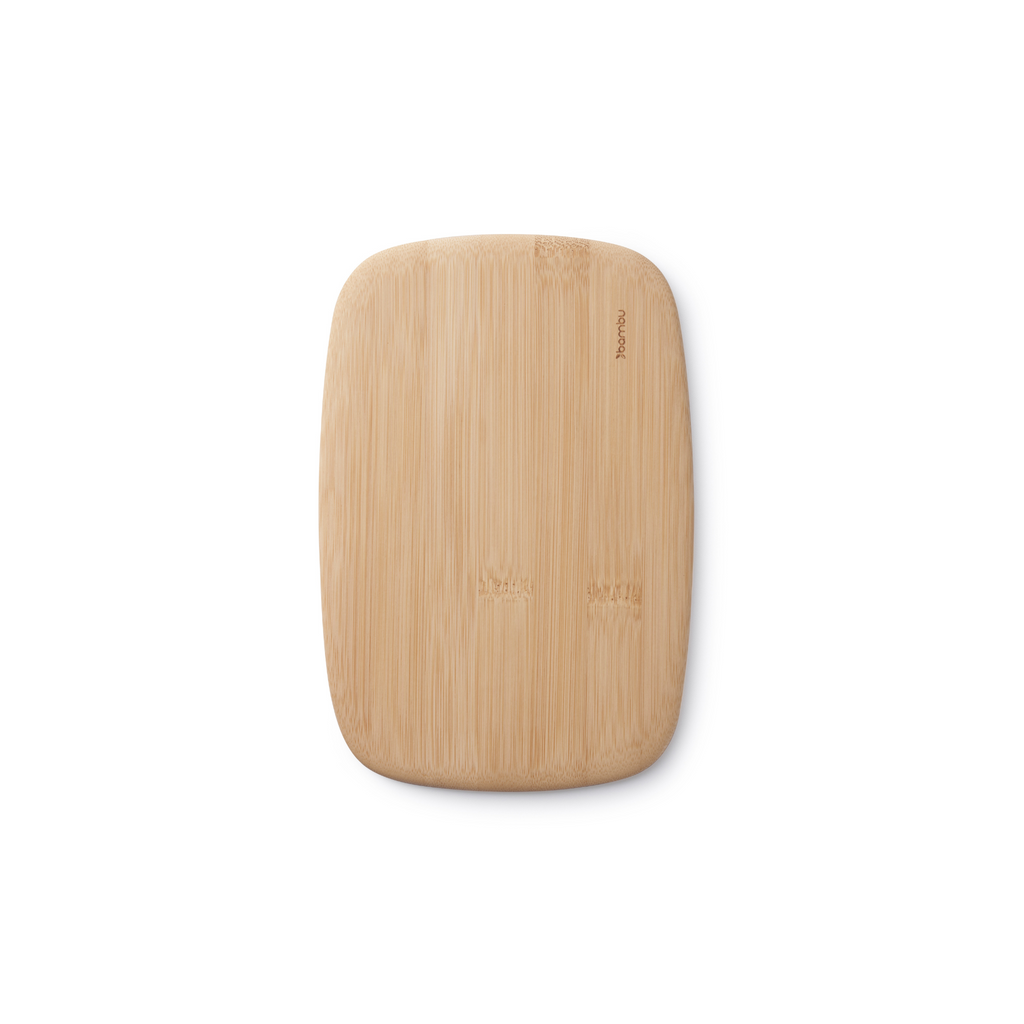
- To apply, shave a small amount onto the board, let it warm with your hands or a cloth, then buff in. Wipe off excess and let sit for several hours.
Safety note: heat gently and never leave unattended. If balm hardens, warm the jar in hot water to soften before use.
Credit: www.bambuhome.com
Daily care: washing, drying, and storage
- Clean after each use with warm soapy water; rinse and towel dry.
- Do not soak or put the board in the dishwasher; that forces water into the fibers and can delaminate glue joints.
- Store upright in a dry spot with air on both faces.
- Use separate boards for raw meats vs. produce when possible to reduce cross-contamination.
- Between full oilings, a quick wipe with a lightly oiled cloth keeps the surface refreshed.
Troubleshooting common problems
- Sticky/residue after oiling: wipe thoroughly with a clean cloth and, if needed, a small amount of mineral oil removed with paper towels then buff. Avoid using solvents.
- Deep stains: sand the stained area with 120→220 grit until fully removed, then re-oil the sanded surface.
- Persistent odors or mold: scrub with a 1:1 white vinegar solution, rinse, dry in sun or a warm ventilated area, then sand lightly and re-oil if necessary. For heavy mold, consider disposal if structural integrity is compromised.
- Cracks and splits: small hairline cracks can be minimized by regular oiling. Larger splits often indicate structural failure—replacement is safer. If the board has glued seams, delamination requires repair by a professional or replacement.
- Warping: partial warping can sometimes be reversed by sanding and clamping flat while thoroughly re-oiling; severe warping means replacement.

Credit: www.youtube.com
Frequently asked questions
Q: What do I season a bamboo cutting board with?
A: Use a food-grade (USP) mineral oil or a mineral oil + beeswax balm. These are non-rancid and safe for food-contact surfaces.
Q: Can I use olive oil or vegetable oil?
A: No. These oils can oxidize and go rancid, leaving sticky residues and off-odors. Avoid them.
Q: How much oil should I apply?
A: Start with about 1–2 tablespoons for a medium board. The goal is to saturate the wood slightly—not leave puddles. Wipe off excess after the oil has soaked in.
Q: How long should I let the oil soak?
A: For best penetration, allow 1–2 hours for each thin coat and an overnight (6–12 hours) soak for an initial deep conditioning.
Q: Is sanding necessary before oiling?
A: Only if the surface is rough, nicked, or stained. Sanding smooths the surface and opens the grain to accept oil better.
Conclusion
Seasoning your bamboo cutting board is a quick, inexpensive way to extend its life, keep it hygienic, and maintain its appearance. Use food-grade mineral oil (or a mineral oil + beeswax balm), prep the board by cleaning and drying, apply thin coats (1–2 tablespoons per medium board) and let them soak—repeat 2–3 times initially and then reapply every 4–6 weeks depending on use. Avoid vegetable or cooking oils, never use the dishwasher, and address stains or cracks early. Ready to protect your investment? Oil your board tonight and enjoy a safer, longer-lasting surface in your kitchen.

I’m Abby Lu, a passionate home cook who loves simplifying everyday meals. At PlugChef.com, I share product reviews and cooking guides to help you find the best tools for your kitchen.
Related posts:
 How to Make a Fruit Basket for a Gift: Easy DIY Guide
 Do You Need a Basket? Essential Guide for Air Fryers
 How to Choose Kitchen Appliances: Expert Tips Revealed
 Kitchen Cabinets With Black Stainless Steel Appliances: Modern Elegance
 White Kitchen Cabinets Stainless Steel Appliances: Timeless Elegance
 Top 10 Best Non-Toxic Cooking Utensils – Safe & Durable Choices for Healthy Homes

