
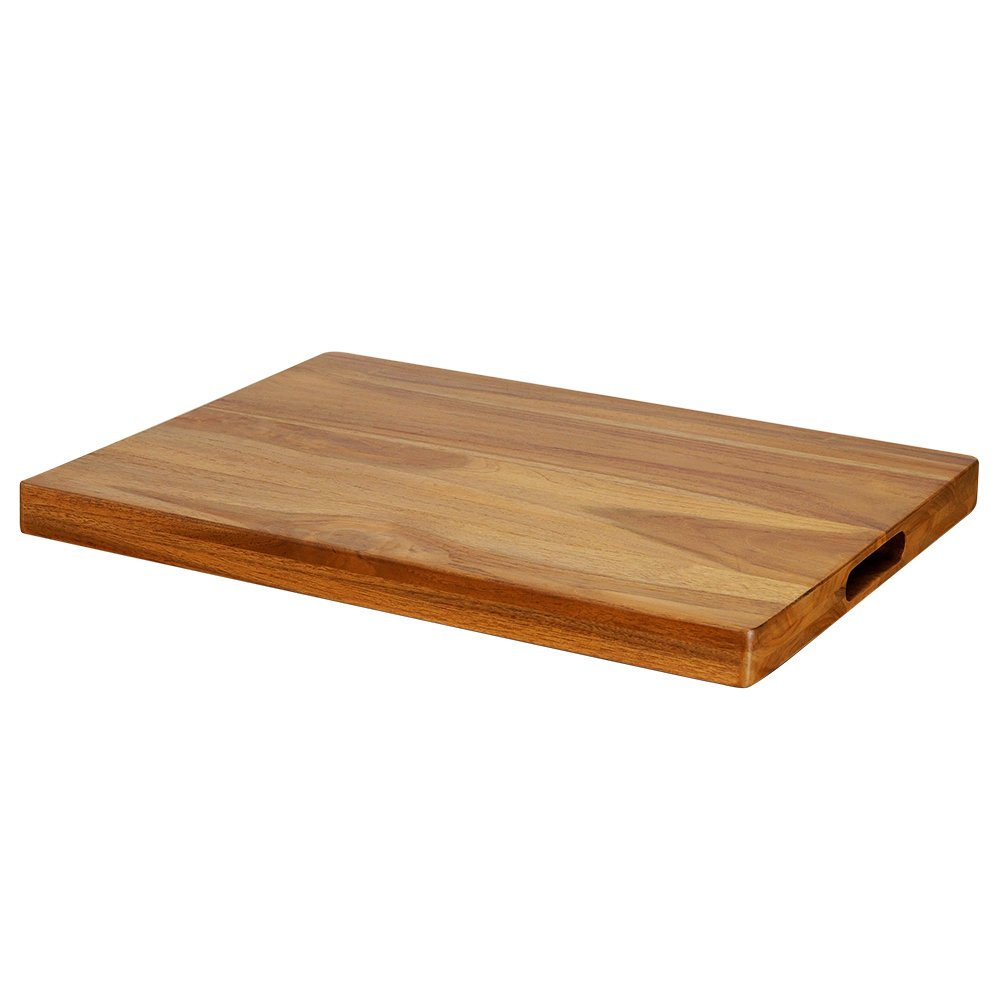
Are you searching for the perfect cutting board to complement your kitchen? If you’re considering teak, you’re on the right path.
Choosing a cutting board isn’t just about aesthetics; it’s about practicality, durability, and ensuring your culinary tools serve you well. Teak has captured the attention of many home cooks and professional chefs alike. But why? Dive into the world of teak cutting boards and discover whether this popular choice is truly the best fit for your kitchen needs.
With its reputation for resilience and style, teak might just be the upgrade your culinary adventures have been missing. Let’s explore why so many people are raving about teak and whether it deserves a spot in your kitchen.
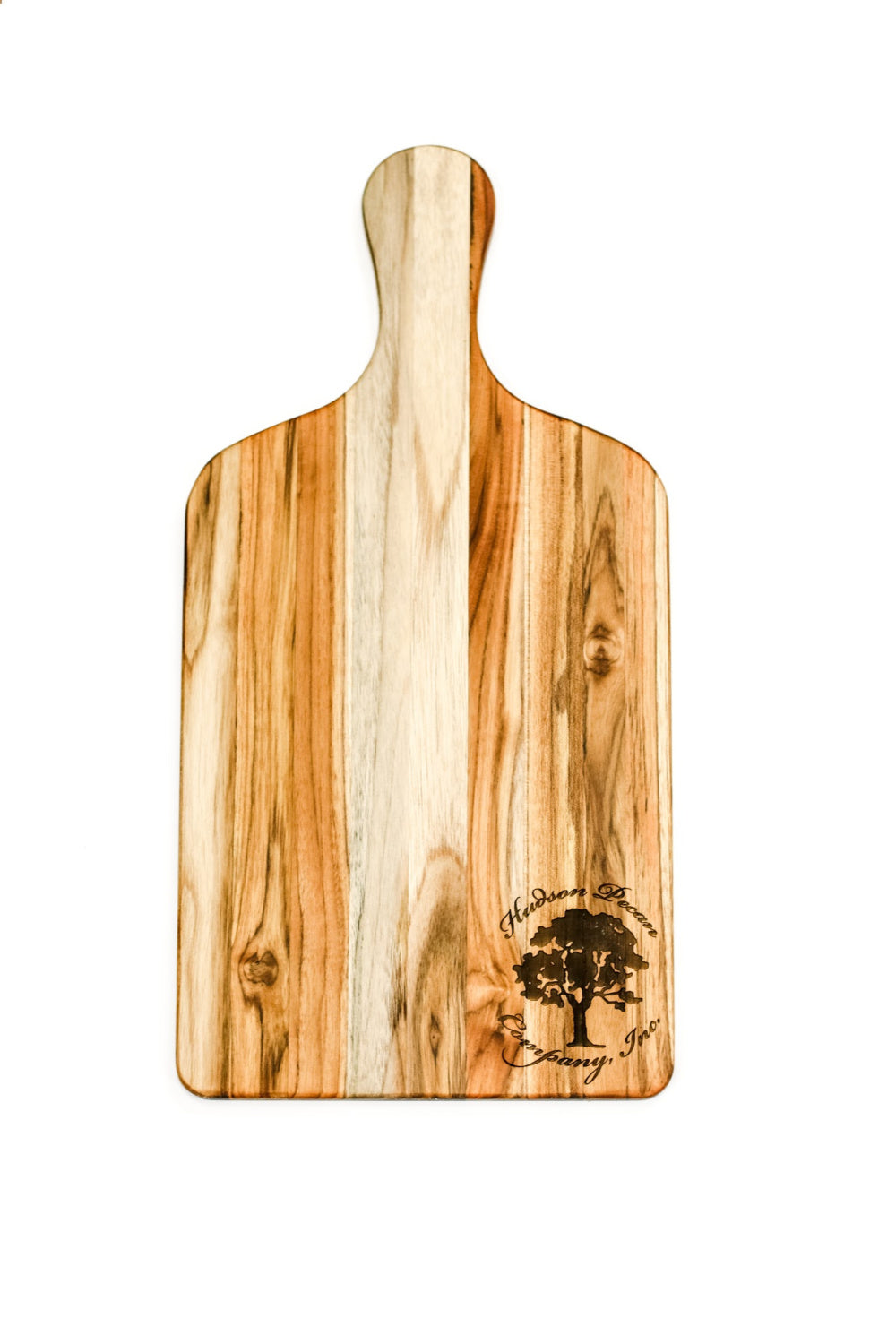
Credit: www.hudsonpecan.com
Teak’s Unique Properties
Teak’s natural oils and dense grain make it excellent for cutting boards. Its durability resists moisture and stains, maintaining a smooth surface. Ideal for kitchen use, teak’s unique properties ensure a long-lasting, efficient cutting board.
When choosing a cutting board, you might find yourself wondering about the best material. Teak often comes up in discussions, and for good reason. Teak’s unique properties make it a popular choice among culinary enthusiasts. It’s not just about aesthetics; it’s about how teak can enhance your cooking experience.Durability And Strength
Teak is known for its exceptional strength. This makes it resistant to wear and tear. Unlike softer woods, teak can withstand heavy chopping without showing deep knife marks. You can count on your teak cutting board to last for years, even with daily use.Natural Oils
Teak contains natural oils that help protect the wood. These oils make teak water-resistant and help prevent the growth of bacteria. You don’t have to worry about your cutting board becoming a breeding ground for germs. This makes cleaning easier and safer for food preparation.Low Maintenance
Caring for a teak cutting board is simple. The natural oils reduce the need for frequent oiling. You can easily clean it with mild soap and water after each use. Unlike other woods, teak doesn’t require intense upkeep, saving you time and effort.Beautiful Appearance
Teak boasts a rich, warm color that adds elegance to your kitchen. Its aesthetic appeal can complement any kitchen decor. Imagine impressing your guests not just with your culinary skills, but also with a cutting board that stands out as a piece of art.Environmental Impact
Teak is often sourced sustainably. Many suppliers follow responsible harvesting practices. By choosing teak, you support eco-friendly initiatives. Isn’t it satisfying to know your cutting board helps protect the planet? So, is teak the right choice for your cutting board? Consider how its unique properties align with your needs. Would you prefer durability over constant maintenance? Do you value hygiene and aesthetics? Your kitchen deserves the best, and teak might just be the ideal material for your cutting board.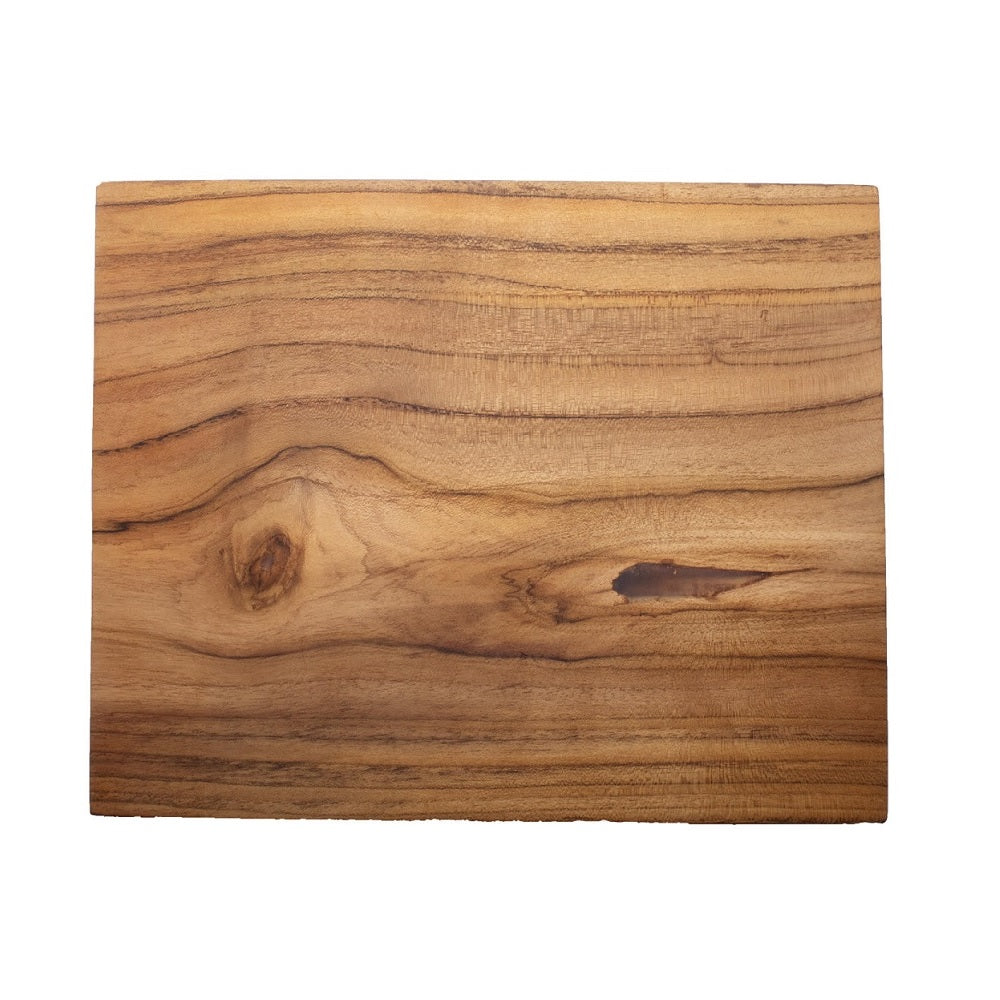
Credit: soapstoneproducts.com
Durability And Longevity
Teak wood is known for its exceptional durability. This makes it ideal for cutting boards. Its natural oils protect the wood from damage. This means it can withstand daily use without losing quality. Teak cutting boards are a wise investment. They last longer than other types of boards.
Natural Oils
Teak contains natural oils that repel water. These oils prevent the wood from absorbing moisture. This feature reduces the risk of warping and cracking. Less maintenance is needed to keep the board looking new.
Resistance To Damage
Teak is tough against knife marks and scratches. The dense grain structure offers strong resistance. This helps maintain a smooth surface for years. It stays functional and attractive over time.
Longevity
Teak cutting boards have a long lifespan. Their durability ensures they hold up under regular use. This makes them a practical choice for busy kitchens. You won’t need to replace them often.
Low Maintenance
Teak boards require minimal care. The natural oils reduce the need for frequent oiling. Regular cleaning with soap and water is enough. This makes teak a convenient option for any cook.
Resistance To Moisture
Teak wood is famous for its durability and beauty, but how does it hold up when exposed to moisture? If you’re considering a teak cutting board, understanding its moisture resistance is crucial. You might have found yourself frustrated with other cutting boards that warp or crack after a few uses. Let’s explore why teak might be the solution you’ve been looking for.
Resistance To Moisture: The Teak Advantage
Teak is naturally resistant to moisture, making it an excellent choice for cutting boards. This wood contains natural oils that provide a protective barrier against water and other liquids. You can rinse your teak cutting board without worrying about it soaking up too much water and losing its shape.
Have you ever had a cutting board that started to smell or grow mold? Teak’s moisture resistance helps prevent these issues. Its dense grain structure limits the absorption of liquids, reducing the risk of unpleasant odors or bacterial growth.
Why Teak Stands Out
Teak’s ability to withstand moisture is unique compared to other woods. Woods like maple and bamboo might be popular, but they don’t offer the same level of natural oil protection. This means less maintenance for you and a longer-lasting product.
Teak cutting boards often require minimal upkeep. A simple wipe down after use can keep it looking great. Unlike other woods, you don’t need to worry about frequent oiling or conditioning to maintain its resistance to moisture.
Personal Experience With Teak
I remember my first teak cutting board. After years of battling with warped boards, I was amazed at how teak held up. Even after intense cooking sessions with juicy meats and fresh vegetables, it remained sturdy and odor-free.
Have you tried other woods that didn’t meet your expectations? Teak offers peace of mind with its resilience. It’s like having a reliable friend in the kitchen that won’t let you down when things get messy.
Is Teak Right For You?
Consider how often you use your cutting board and the types of foods you prepare. If you frequently chop juicy fruits or marinate meats, teak’s moisture resistance can be a game-changer. It’s perfect for busy kitchens where time spent on maintenance is limited.
Imagine having a cutting board that stays pristine after countless uses. Teak offers that promise with its natural oils and sturdy structure. Are you ready to make the switch to a more reliable kitchen companion?
Teak’s moisture resistance not only protects the wood but also enhances your cooking experience. It’s about making your kitchen life easier and more enjoyable. Why settle for less when teak can offer so much more?
Impact On Knives
Teak cutting boards offer durability and knife-friendly surfaces. The wood’s natural oils help preserve sharp blades, reducing wear. Its dense composition provides a solid cutting surface, minimizing knife impact.
Teak wood’s popularity for cutting boards is undeniable. Its aesthetic appeal and durability make it a favorite. But how does it affect your knives? This is a crucial factor for any kitchen enthusiast. Let’s dive into the impact of teak on knives.Teak’s Hardness Level
Teak offers a medium hardness level. It’s softer than bamboo but harder than many other woods. This balance helps protect knife edges from dulling quickly. A softer board can preserve a knife’s sharpness longer. But, it’s not too soft to scar easily.Natural Oils In Teak
Teak contains natural oils. These oils give it a unique advantage. They create a self-lubricating surface. This reduces friction during cutting. Less friction means less wear on knife blades. Blades stay sharper, longer.Grain Structure Benefits
Teak has a tight grain structure. This minimizes deep grooves and cuts on the board. Shallow grooves mean less chance of trapping food particles. This keeps knives from hitting rough, uneven surfaces. Consistent cutting surfaces are kinder to your knives.Moisture Resistance
Teak naturally resists moisture. Moisture can lead to board warping and cracking. But, teak remains stable and flat. A flat surface ensures even cutting. Uneven boards can damage knife edges over time.Overall Knife Maintenance
Using teak can reduce the need for frequent knife sharpening. With less friction and a stable surface, knives maintain their edge. This means less time spent sharpening. More time enjoying your cooking experience.Maintenance Requirements
Teak cutting boards are popular for their durability and beauty. Proper care enhances their longevity. Maintaining teak boards ensures they remain functional and appealing.
Cleaning
Clean your teak board after each use. Use warm water and mild soap. Scrub gently to remove food particles. Rinse thoroughly to avoid soap residue. Dry with a clean towel.
Drying
Allow your board to air dry completely. Avoid storing it wet. Wet boards can warp or harbor bacteria. Use a drying rack or stand upright for better air circulation.
Oil Application
Teak requires regular oiling. Use food-safe mineral oil. Apply oil monthly or as needed. This prevents dryness and cracking. Oil nourishes and maintains the wood’s shine.
Storage
Store your board in a cool, dry place. Avoid direct sunlight or heat sources. Heat can damage the wood and cause warping. Use a designated spot to keep it safe.
Avoiding Extreme Conditions
Keep your board away from extreme conditions. Avoid soaking it in water. Do not place it in the dishwasher. Such practices can damage the wood fibers.
Eco-friendly Considerations
Teak stands out as a durable choice for cutting boards. Its natural oils resist moisture, reducing bacterial growth. Sustainable harvesting practices make it an eco-friendly option.
When considering teak for cutting boards, eco-friendliness is a key factor. Teak is known for its durability and resistance to moisture, but how sustainable is it? Before adding a teak cutting board to your kitchen, it’s essential to think about the environmental implications.What Makes Teak Eco-friendly?
Teak is a hardwood that grows in tropical regions. Its natural oils make it water-resistant, reducing the need for chemical treatments. This means fewer chemicals are released into the environment, which is a plus for sustainability.Is Teak A Renewable Resource?
Teak can be harvested from sustainably managed forests. Look for boards certified by organizations like the Forest Stewardship Council (FSC). This ensures the wood is sourced responsibly, supporting forest conservation.Impact Of Teak Harvesting On Local Communities
Harvesting teak can provide jobs and support local economies. However, it’s crucial to buy from sources that ensure fair wages and working conditions. Your purchase can contribute to positive social impact if done thoughtfully.Longevity And Waste Reduction
Teak cutting boards can last for years, reducing the frequency of replacement. This longevity means less waste, as you’re not constantly discarding and replacing cutting boards. Think about the long-term environmental benefits.Challenges In Finding Sustainable Teak
Not all teak is sustainably sourced. It can be challenging to find suppliers who prioritize eco-friendly practices. Do your research and ask questions about sourcing before making a purchase. As you consider these aspects, ask yourself: Is the environmental impact of my kitchenware a priority for me? Making informed choices about materials like teak can contribute positively to the planet.Cost And Availability
Teak cutting boards are popular for their durability and beauty. But, how do cost and availability impact your decision to choose teak? Let’s explore this in detail.
Teak Pricing
Teak is a premium wood, so its price reflects this. It’s often more expensive than other woods like maple or oak. This is due to its high quality and long-lasting nature. Some might find the initial cost steep, but it pays off over time.
Factors Influencing Cost
The price of teak cutting boards varies. It depends on the size and thickness of the board. Larger boards cost more due to more material used. Another factor is the origin of the teak wood. Teak from sustainable sources may cost more.
Availability In Different Regions
Teak is readily available in regions with tropical climates. It grows in countries like Myanmar and Thailand. In places far from these regions, teak might be less available. This affects both cost and accessibility.
Options For Buyers
Many stores and online platforms offer teak cutting boards. Specialty kitchenware stores often stock them. Online shopping provides a wider range of choices. This makes it easier to find the right board for your needs.

Credit: www.amazon.com
Alternative Wood Options
Teak, known for its durability and water resistance, makes a reliable choice for cutting boards. Its natural oils provide a smooth surface, helping to prevent knife marks. Teak’s strength and longevity make it a popular option among wood enthusiasts.
Choosing the right wood for your cutting board is more important than you might think. While teak is popular for its durability and resistance to water, exploring alternative wood options can be eye-opening. Different woods offer unique benefits, and understanding these can help you make an informed decision that suits your kitchen needs.Maple
Maple is often favored for its smooth grain and hardness. It is less porous than many woods, which helps prevent bacteria growth. Plus, its light color makes it easy to spot any food residue, ensuring your cutting board stays clean.Walnut
Walnut cutting boards are not just functional; they add elegance to your kitchen. The rich, dark color hides knife marks well, maintaining its aesthetic appeal. You might find that walnut boards feel more forgiving on knife edges, prolonging their sharpness.Bamboo
Bamboo isn’t technically wood; it’s a grass, but it works wonders as a cutting board. It’s eco-friendly and harder than many traditional woods, which means it can withstand heavy use. If you’re environmentally conscious, bamboo might be a compelling option for you.Cherry
Cherry wood offers a balance of softness and durability. This makes it gentle on knives, reducing wear and tear. Its warm hue develops a beautiful patina over time, adding character to your kitchen tools.Beech
Beech is a versatile choice due to its uniform texture and strength. It resists warping and cracking, making it a reliable option for everyday use. If you’re looking for a board that stands the test of time, beech might be worth considering. By understanding these options, you can tailor your choice to your cooking habits and personal preferences. Have you tried using different types of wood for your cutting boards? Consider experimenting to find the one that best complements your culinary style.Frequently Asked Questions
Is Teak Safe To Use As A Cutting Board?
Yes, teak is safe for cutting boards. It’s durable, resistant to water, and naturally antibacterial. Its dense grain minimizes knife marks, maintaining a smooth surface. Regular oiling enhances its longevity and performance. Always ensure the teak is sustainably sourced for an eco-friendly choice.
Can You Cut Raw Meat On A Teak Cutting Board?
Yes, you can cut raw meat on a teak cutting board. Teak is durable and naturally resistant to bacteria. Ensure proper cleaning after use to maintain hygiene. Regularly oiling the board helps prevent moisture absorption and cracking. Always use separate boards for raw meat and vegetables to avoid cross-contamination.
What Are The Pros And Cons Of Teak Cutting Boards?
Teak cutting boards resist moisture and are durable, reducing knife wear. They can be expensive and heavy. Regular oiling is necessary to maintain their condition.
What Is The Healthiest Material For A Cutting Board?
Wood is the healthiest cutting board material. It has natural antibacterial properties and is gentle on knives. Choose hardwoods like maple or walnut for durability. Bamboo is another eco-friendly option, offering similar benefits. Regular cleaning and maintenance ensure a long lifespan and safe food preparation surface.
Conclusion
Teak makes a good choice for cutting boards. It offers durability and resistance to damage. Its natural oils help prevent moisture build-up. This keeps the board safe and long-lasting. The wood’s surface is gentle on knives. So, it won’t dull them quickly.
Teak’s rich color and grain add beauty to kitchens. It suits both professional chefs and home cooks. Consider teak for a reliable cutting board. It combines style with function. Your kitchen tasks will become easier and safer. Choose wisely for your culinary needs.
Teak might just be the perfect fit.

Hi, I’m Daniel Brooks—a food lover and kitchen gear enthusiast. I enjoy testing cookware, utensils, and gadgets to see what really works in everyday cooking. At PlugChef.com, I share honest reviews, comparisons, and simple guides to help you choose the best tools for a safer, smarter, and more enjoyable kitchen.
Related posts:
 What Type of Cooking Utensils are Safe: Expert Picks
 What Innovations Could Blenders Make: Unleashing Future Tech
 Smart Strategies to Organize a Small Kitchen: Maximize Space
 How to Organize a Kitchen Cabinet: Expert Tips & Tricks
 How to Organize Kitchen Drawers: Expert Tips and Tricks
 How to Organize a Corner Kitchen Cupboard: Expert Tips

