
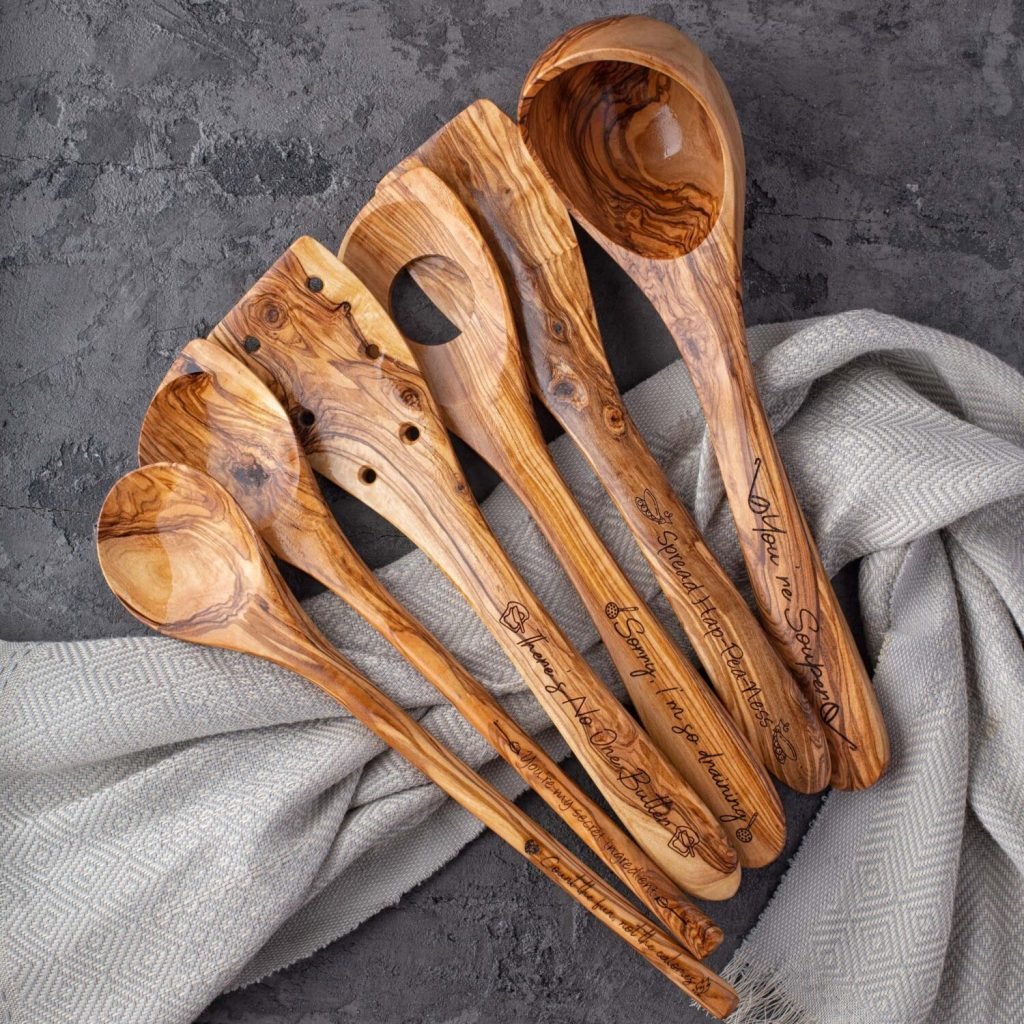
Have you ever wondered why olive wood seems to be popping up in kitchens everywhere? You’re not alone.
This beautiful wood isn’t just a treat for the eyes; it’s also gaining popularity for its practical uses in cooking utensils. But is it really the best choice for your kitchen? You’ll be surprised at how much this material can impact your cooking experience.
From its durability to its unique charm, olive wood may just be what you need to elevate your culinary adventures. Keep reading to discover why olive wood might be your new favorite kitchen companion, and learn how it could transform your cooking routine in ways you never imagined.
Benefits Of Olive Wood Utensils
Olive wood utensils have gained popularity in kitchens worldwide. Their unique benefits make them a favorite among chefs and home cooks. Olive wood is not only beautiful but also practical for everyday use. Let’s explore why these utensils stand out.
1. Durability And Strength
Olive wood is incredibly strong. It withstands heavy use without damage. This durability ensures your utensils last for years. Unlike other woods, olive wood resists cracking and splitting.
2. Natural Antibacterial Properties
Olive wood contains natural oils. These oils have antibacterial properties. They help keep your utensils hygienic. This makes them a safer option for food preparation.
3. Beautiful Aesthetic Appeal
Each olive wood utensil is unique. The grain patterns are stunning. These patterns add elegance to any kitchen. Olive wood is often described as a work of art.
4. Safe For Non-stick Cookware
Olive wood is gentle on surfaces. It won’t scratch non-stick pans. This makes it ideal for modern cookware. You can cook without worry of damage.
5. Eco-friendly Choice
Olive wood is a sustainable resource. Trees are harvested without harm to the environment. Choosing olive wood supports eco-friendly practices. It’s a responsible choice for nature lovers.
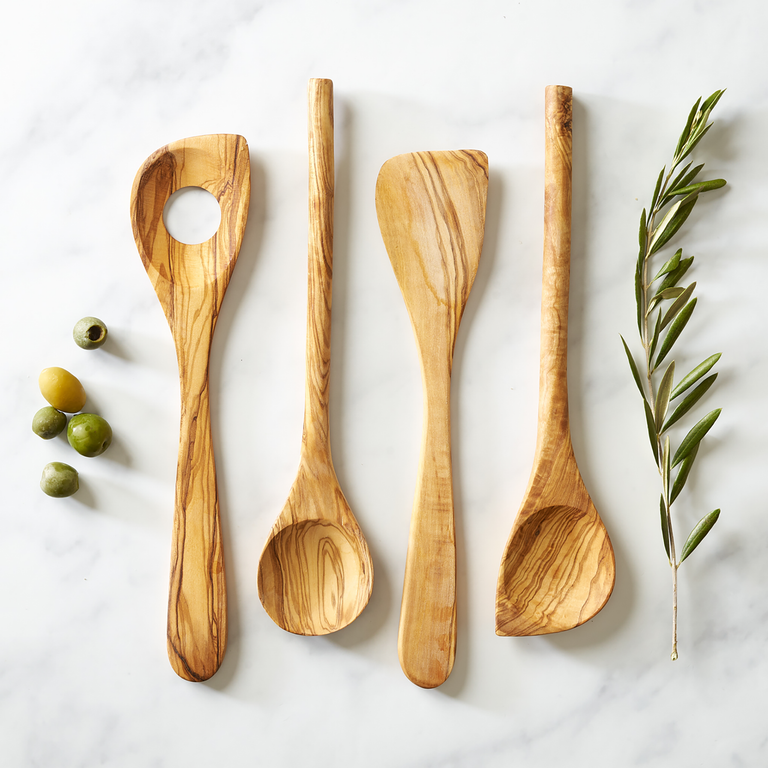
Credit: saratogaoliveoil.com
Durability And Longevity
When choosing cooking utensils, durability and longevity are crucial factors that can significantly influence your kitchen experience. Olive wood is renowned for its robust nature, making it a preferred choice for crafting utensils. But how does it truly stand up in the face of everyday use?
Durability Of Olive Wood
Olive wood is naturally hard and dense, which makes it highly resistant to wear and tear. Its compact structure ensures that your utensils withstand frequent use without showing signs of damage.
Unlike some other woods, olive wood doesn’t easily split or crack. This quality is particularly beneficial if you’re someone who frequently cooks and needs reliable tools that last.
Consider this: you’ve just bought a new olive wood spatula. Even after countless sauté sessions, it remains intact and functional, proving its resilience.
Longevity Of Olive Wood Utensils
Olive wood utensils are not only durable but also long-lasting. With proper care, they can serve you well for years, maintaining their natural beauty.
Regular oiling preserves the wood’s integrity and keeps it from drying out. This simple maintenance routine can significantly extend the life of your utensils.
Imagine passing down your olive wood cooking set to the next generation. Such longevity is not just a possibility; it’s a reality for many who invest in these quality tools.
Personal Experience With Olive Wood
When I first used olive wood utensils, I was impressed by their sturdiness. Despite frequent cooking experiments, they showed no signs of wear.
This firsthand experience convinced me of their value. If you’re seeking a reliable addition to your kitchen, olive wood could be your ideal choice.
Have you ever considered how often you replace your kitchen utensils? Investing in olive wood might just save you time and money in the long run.
Why Choose Olive Wood?
Beyond durability and longevity, olive wood boasts a beautiful, unique grain pattern. This aesthetic appeal adds charm to your kitchen, making cooking more enjoyable.
Moreover, olive wood is naturally antibacterial, which enhances hygiene. This quality ensures your utensils remain safe for food preparation.
So, why not elevate your cooking experience with olive wood utensils? They not only perform well but also add a touch of elegance to your culinary adventures.
Natural Antibacterial Properties
Olive wood is ideal for cooking utensils due to its natural antibacterial properties. It resists germs and bacteria, making it safer for food preparation. This wood is durable and aesthetically pleasing, enhancing any kitchen’s functionality and style.
Olive wood is not just aesthetically pleasing; it holds remarkable benefits for cooking utensils, particularly its natural antibacterial properties. This unique characteristic makes olive wood an excellent choice for your kitchen. But why is this feature so crucial for cooking utensils?What Makes Olive Wood Naturally Antibacterial?
Olive wood contains natural oils that inhibit bacterial growth. These oils create a protective barrier, reducing the risk of contamination. It’s comforting to know that your wooden spoon might be helping keep your food safer.Practical Benefits For Everyday Cooking
You might notice less odor and staining on your olive wood utensils. These antibacterial properties mean less worry about lingering smells after cooking. Imagine stirring a pot of garlic-rich pasta sauce without the scent sticking around.Long-term Health Benefits
Using utensils with antibacterial properties could contribute to reducing health risks. It’s a small change with potentially significant impacts. Do you consider the health implications of the materials you use every day?Personal Experience: Peace Of Mind In Cooking
Having used olive wood utensils for years, I feel a sense of security knowing they’re naturally resistant to bacteria. This reassurance often leads me to choose them over plastic or metal alternatives. Do you have a favorite tool in your kitchen that gives you peace of mind? Unlike plastic, olive wood doesn’t harbor bacteria in scratches. Metal might resist bacteria, but it lacks olive wood’s warmth and character. Which material do you think strikes the best balance between functionality and aesthetics?Keeping Your Olive Wood Utensils In Top Shape
To maintain their antibacterial properties, regularly oil your olive wood utensils. This simple upkeep ensures their longevity and effectiveness. Are you diligent in maintaining your kitchen tools? By choosing olive wood for your cooking utensils, you’re not only enhancing your kitchen’s style but also prioritizing hygiene. Isn’t it time to consider the unseen benefits of what you cook with?Heat Resistance
Olive wood makes excellent cooking utensils due to its natural heat resistance. It withstands high temperatures without warping. This durability ensures long-lasting use in the kitchen. Its smooth texture also protects cookware from scratches. Perfect for everyday cooking needs.
Cooking utensils made from olive wood are not only beautiful but also highly functional. One of their key features is heat resistance. This makes them ideal for everyday cooking tasks. But what exactly makes olive wood stand out in this regard? Let’s dive into the specifics of olive wood’s heat resistance and how it benefits your kitchen experience.Understanding Olive Wood’s Natural Heat Resistance
Olive wood is known for its dense grain, which contributes to its heat-resistant properties. Unlike metal utensils, olive wood doesn’t conduct heat quickly, reducing the risk of burns. Have you ever touched a metal spoon after leaving it in a hot pot? That won’t happen with olive wood.Practical Benefits In Everyday Cooking
Using olive wood utensils means you can safely leave them in the pot without worrying about overheating. This is especially handy when you’re multitasking. Imagine stirring a simmering sauce with an olive wood spoon; you can let it rest on the pot’s edge without fear of burning your hand when you pick it up again.Durability Under High Temperatures
Olive wood not only withstands high temperatures but also maintains its integrity over time. Unlike plastic utensils, which can melt or warp, olive wood retains its shape. This durability ensures your utensils last longer, providing a reliable tool for your cooking endeavors.Aesthetic And Functional Benefits
Not only does olive wood handle heat well, but it also adds a touch of elegance to your kitchen. Its unique grain patterns make each utensil a work of art. Consider how a beautifully crafted olive wood spatula enhances both the look of your kitchen and your cooking experience.Considerations For Care And Maintenance
While olive wood is heat resistant, proper care is essential to maintain its quality. Regularly oiling your utensils keeps them in top condition. Have you tried using olive oil to maintain olive wood? It’s a perfect match, enhancing the wood’s natural luster and extending its lifespan. Olive wood’s heat resistance, combined with its aesthetic appeal, makes it a smart choice for your kitchen. What’s more, it’s a sustainable option that reflects a commitment to quality and the environment. How might switching to olive wood utensils transform your culinary adventures?Aesthetic Appeal
Olive wood is not just a practical choice for cooking utensils; it’s a feast for the eyes. The unique grain patterns and warm hues make each piece stand out. If you value aesthetics in your kitchen, olive wood is a compelling option.
Striking Grain Patterns
Each olive wood utensil is a piece of art. The grain patterns vary from swirling designs to linear strokes. No two pieces look alike, offering a distinct beauty that enhances your kitchen’s decor.
These patterns are not only visually appealing but also tell a story of the wood’s growth and age. You can enjoy the natural beauty while cooking your favorite dish.
Warm Color Tones
Olive wood features warm tones ranging from honey-gold to rich browns. These colors complement a variety of kitchen styles, whether modern or rustic.
Imagine reaching for a wooden spoon that matches the cozy atmosphere of your kitchen. The warmth of olive wood can transform cooking from a chore into a delightful experience.
Craftsmanship And Details
Skilled artisans often handcraft olive wood utensils. This attention to detail results in smooth finishes and precise shapes. It feels good to hold something crafted with care.
Consider the satisfaction of using a beautifully detailed utensil that enhances your cooking ritual. Every meal becomes a celebration of craftsmanship.
Conversation Starters
Olive wood utensils can spark interesting conversations. Guests might inquire about the unique patterns or origin of the wood. This can lead to sharing stories about travels or culinary adventures.
Have you ever had a moment where a simple kitchen tool turned into a storytelling session? Olive wood’s aesthetic appeal makes that possible.
If you’re looking to add beauty and character to your kitchen, olive wood cooking utensils offer more than functionality—they provide a visual and tactile experience. What do you think? Would you choose olive wood for its aesthetic appeal?
Maintenance And Care Tips
Olive wood is excellent for cooking utensils due to its durability and natural antibacterial properties. Regular oiling helps maintain its smooth texture and enhances longevity. Avoid soaking in water to prevent cracking.
Olive wood cooking utensils are valued for their beauty and durability. To maintain their quality, proper care is essential. With a few simple tips, you can keep your olive wood utensils in great condition for years. Understanding the right cleaning techniques, how to prevent damage, and when to oil can make all the difference.Cleaning Techniques
Clean olive wood utensils by hand with warm, soapy water. Avoid soaking them to prevent warping. Rinse thoroughly and dry them with a soft cloth. Never put them in a dishwasher, as it can cause cracking.Preventing Damage
Avoid exposing olive wood to extreme temperatures. Keep them away from heat sources like stoves and ovens. Don’t use olive wood utensils on very hot surfaces. This helps prevent splitting or warping.When To Oil
Oil your utensils once a month to maintain their shine. Use food-safe mineral oil for best results. Apply a small amount with a clean cloth. Allow the oil to absorb before using the utensils again. This keeps the wood nourished and prevents drying out.Environmental Impact
Olive wood is an eco-friendly choice for cooking utensils. Its durability reduces the need for frequent replacements. This helps minimize waste and promotes sustainable living.
When choosing cooking utensils, the environmental impact is an essential factor to consider. Olive wood is a popular choice, but how does it fare in terms of sustainability? Understanding this can help you make more eco-friendly decisions in your kitchen. Let’s explore the environmental aspects of olive wood and how it contributes to a greener planet.Environmental Sustainability
Olive wood is a byproduct of the olive industry. Trees are not cut down solely for their wood. Instead, the wood is harvested from trees that have stopped producing olives or from pruned branches. This ensures that the trees continue to grow and produce olives, making it a sustainable resource.Carbon Footprint
Using olive wood for utensils can help reduce your carbon footprint. The production process involves minimal machinery and energy usage compared to plastic or metal alternatives. Choosing olive wood supports a lower-emission manufacturing process, contributing to a healthier environment.Biodegradability
Unlike plastic utensils, olive wood is biodegradable. If it does end up in a landfill, it will break down naturally over time without releasing harmful toxins. This makes it a more environmentally friendly option for those conscious of waste and pollution. You might wonder if olive wood utensils last as long as their plastic or metal counterparts. The answer is a resounding yes. Olive wood is known for its strength and durability. Investing in long-lasting utensils means less frequent replacements, which ultimately reduces waste.Support For Local Economies
Purchasing olive wood utensils often supports small businesses and local artisans. By doing so, you contribute to their livelihoods and promote sustainable practices. Are you considering the broader impact of your kitchen choices? Reflect on how your utensil choices impact the environment. Choosing olive wood not only enhances your cooking experience but also aligns with sustainable living. Would you make the switch for a greener kitchen?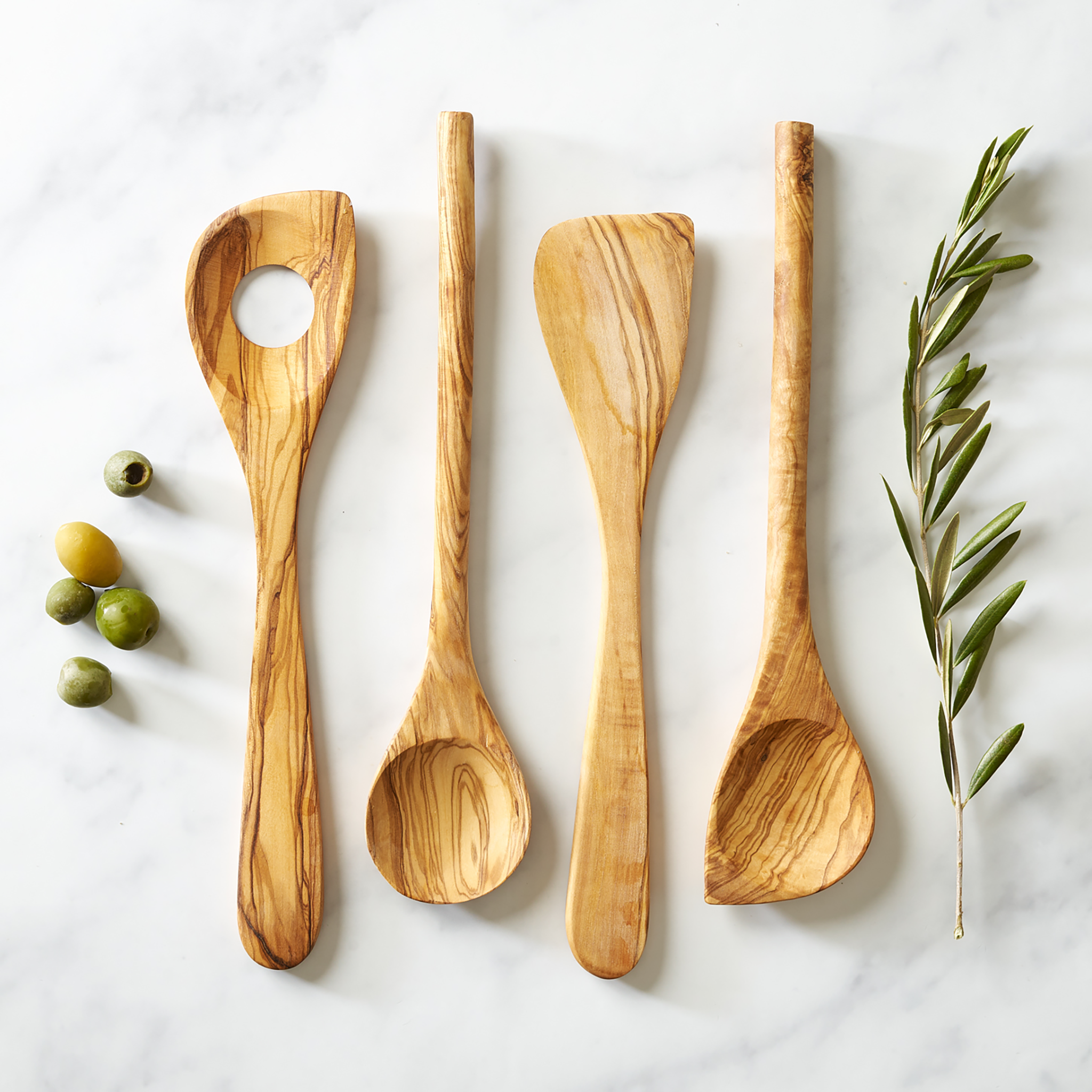
Credit: saratogaoliveoil.com
Comparing Olive Wood To Other Materials
Olive wood stands out for its durability, making it ideal for cooking utensils. Its smooth texture and resistance to odors enhance kitchen use. Compared to other materials, olive wood offers a unique aesthetic and natural strength, perfect for everyday cooking tasks.
When choosing cooking utensils, you often have to decide between different materials. Each has its own strengths and weaknesses. Olive wood stands out for its beauty and durability, but how does it compare with other popular materials like bamboo, plastic, and metal? Let’s delve into these comparisons to help you make an informed choice.Olive Wood Vs. Bamboo
Olive wood and bamboo are both natural materials, but they offer different qualities. Bamboo is lightweight and grows quickly, making it more environmentally friendly. However, it lacks the unique grain patterns and rich color that olive wood boasts. Olive wood is denser and more durable. If you’ve ever had a bamboo spoon snap under pressure, you’ll appreciate olive wood’s sturdiness. It can withstand frequent use without showing wear and tear. Which do you prefer: the eco-friendliness of bamboo or the elegance and durability of olive wood?Olive Wood Vs. Plastic
Plastic utensils are often inexpensive and come in bright colors. They are easy to clean but can warp or melt with high heat. Olive wood, on the other hand, is heat-resistant, making it ideal for cooking. Using plastic can lead to unwanted chemicals leaching into your food. Olive wood is all-natural, ensuring you cook safely. Plus, its sophisticated look can enhance your kitchen’s aesthetic appeal. Do you value long-term safety and style over short-term convenience?Olive Wood Vs. Metal
Metal utensils are known for their strength and longevity. They can scratch non-stick surfaces, though, causing damage over time. Olive wood is gentle and won’t harm your cookware. Metal can conduct heat, making handles uncomfortably hot. Olive wood stays cool, allowing you to cook comfortably. Its rustic charm adds warmth to your kitchen, unlike the cold feel of metal. Would you choose the timeless beauty of olive wood over the harshness of metal? Each material has its place in the kitchen, but olive wood offers a balance of beauty, safety, and functionality. As you weigh your options, consider what matters most to you in your culinary adventures.Potential Drawbacks
Olive wood may develop cracks over time, affecting durability. Its porous nature can absorb odors and stains. Maintenance requires regular oiling to prevent drying and splitting.
When considering olive wood for your cooking utensils, it’s essential to weigh the potential drawbacks. While olive wood is admired for its beauty and durability, it might not be the perfect choice for everyone. Understanding the potential downsides can help you make an informed decision and maintain your kitchen tools effectively.Cost Considerations
Olive wood utensils often come with a higher price tag. The reason? Olive trees grow slowly, making the wood rare and more expensive than other options like bamboo or beech. If you’re on a tight budget, you might want to explore more affordable alternatives.Maintenance Requirements
Olive wood requires regular upkeep. It needs to be oiled frequently to prevent cracking and to preserve its lustrous finish. Are you ready to commit to this level of care for your kitchen tools?Susceptibility To Moisture
Olive wood doesn’t fare well with prolonged exposure to water. Leaving your utensils soaking in the sink can lead to warping or splitting. It’s crucial to dry them immediately after washing to maintain their integrity.Weight And Bulkiness
Olive wood utensils tend to be heavier compared to those made from other materials. This might not be ideal if you prefer lightweight tools for everyday cooking. Consider how the weight might affect your cooking experience.Potential Allergies
Though uncommon, some people might be allergic to olive wood. It’s something to think about if anyone in your household has sensitivities. Have you ever experienced any discomfort while using wooden utensils? It’s worth paying attention to. By understanding these potential drawbacks, you can better decide if olive wood utensils are right for your kitchen. Are the aesthetics and durability worth the extra care and cost for you? These considerations will guide you to the best choice for your cooking needs.Choosing Quality Olive Wood Utensils
Choosing quality olive wood utensils can transform your cooking experience. Olive wood, known for its durability and unique grain, offers not just functionality but also a touch of elegance to your kitchen. However, not all olive wood utensils are created equal. How do you ensure you’re selecting the best?
Identifying Authentic Olive Wood
Authenticity matters when it comes to olive wood utensils. Genuine olive wood is dense and heavy, with rich, swirling patterns. When shopping, look for these distinctive features. If the grain looks too uniform, it might not be authentic.
Consider asking the seller about the source of the wood. Olive wood from the Mediterranean region is highly prized. My experience with a handcrafted spoon from Greece showed me how authentic wood can make a difference. It was heavier and more durable than cheaper alternatives.
Signs Of Quality Craftsmanship
Quality craftsmanship is crucial for olive wood utensils. Inspect the finish closely; it should be smooth and polished, without any rough edges. High-quality utensils often have a natural oil finish, enhancing the wood’s beauty.
Examine how the pieces are joined. A poorly crafted utensil might have visible glue marks or loose joints. A well-crafted piece will feel sturdy in your hand. I once chose a spatula with seamless edges and no glue marks, and it has lasted me years.
Does your current utensil set meet these criteria? If not, it might be time to invest in quality olive wood utensils that can withstand the test of time and elevate your culinary adventures.
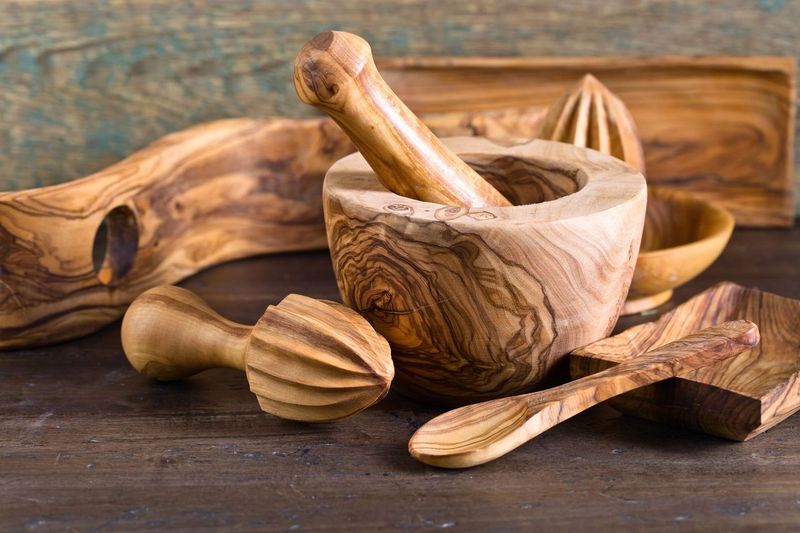
Credit: www.crystaliausa.com
Frequently Asked Questions
Can You Cook With Olive Wood Utensils?
Yes, olive wood utensils are safe for cooking. They resist heat and won’t scratch non-stick surfaces. Olive wood is durable, naturally antibacterial, and adds a rustic touch. Ensure utensils are well-maintained by oiling them regularly to prevent drying out. Avoid soaking them in water to preserve their longevity.
Which Is Better For Cooking Utensils, Teak Or Olive Wood?
Teak wood is durable and water-resistant, ideal for heavy-duty cooking utensils. Olive wood offers a beautiful grain and antibacterial properties, perfect for delicate tasks. Choose teak for longevity or olive for aesthetics and hygiene. Both are excellent options, depending on your needs and preferences.
Are Olive Wood Utensils Non-toxic?
Olive wood utensils are non-toxic and safe for kitchen use. They contain no harmful chemicals or coatings. Their natural antibacterial properties make them ideal for food preparation, ensuring a healthy cooking experience. Always choose high-quality, untreated olive wood to maintain their safety and durability in daily use.
Can You Cook On Olive Wood?
Yes, you can cook on olive wood. It imparts a distinct, aromatic flavor to grilled dishes. Olive wood burns slowly and evenly, making it ideal for smoking and grilling. Ensure the wood is untreated and dry before use to avoid harmful emissions.
Perfect for enhancing meats, vegetables, and pizzas.
Conclusion
Olive wood offers unique benefits for cooking utensils. It’s durable and long-lasting. The natural beauty of olive wood enhances any kitchen. It is gentle on cookware surfaces. Olive wood has antibacterial properties, making it safe for cooking. It is also eco-friendly, coming from sustainable sources.
These qualities make olive wood a smart choice. Many chefs and home cooks prefer it. Consider olive wood for your kitchen tools. Its charm and usefulness speak for themselves.

Hi, I’m Daniel Brooks—a food lover and kitchen gear enthusiast. I enjoy testing cookware, utensils, and gadgets to see what really works in everyday cooking. At PlugChef.com, I share honest reviews, comparisons, and simple guides to help you choose the best tools for a safer, smarter, and more enjoyable kitchen.
Related posts:
 What Type of Cooking Utensils are Safe: Expert Picks
 What Innovations Could Blenders Make: Unleashing Future Tech
 Smart Strategies to Organize a Small Kitchen: Maximize Space
 How to Organize a Kitchen Cabinet: Expert Tips & Tricks
 How to Organize Kitchen Drawers: Expert Tips and Tricks
 How to Organize a Corner Kitchen Cupboard: Expert Tips

