
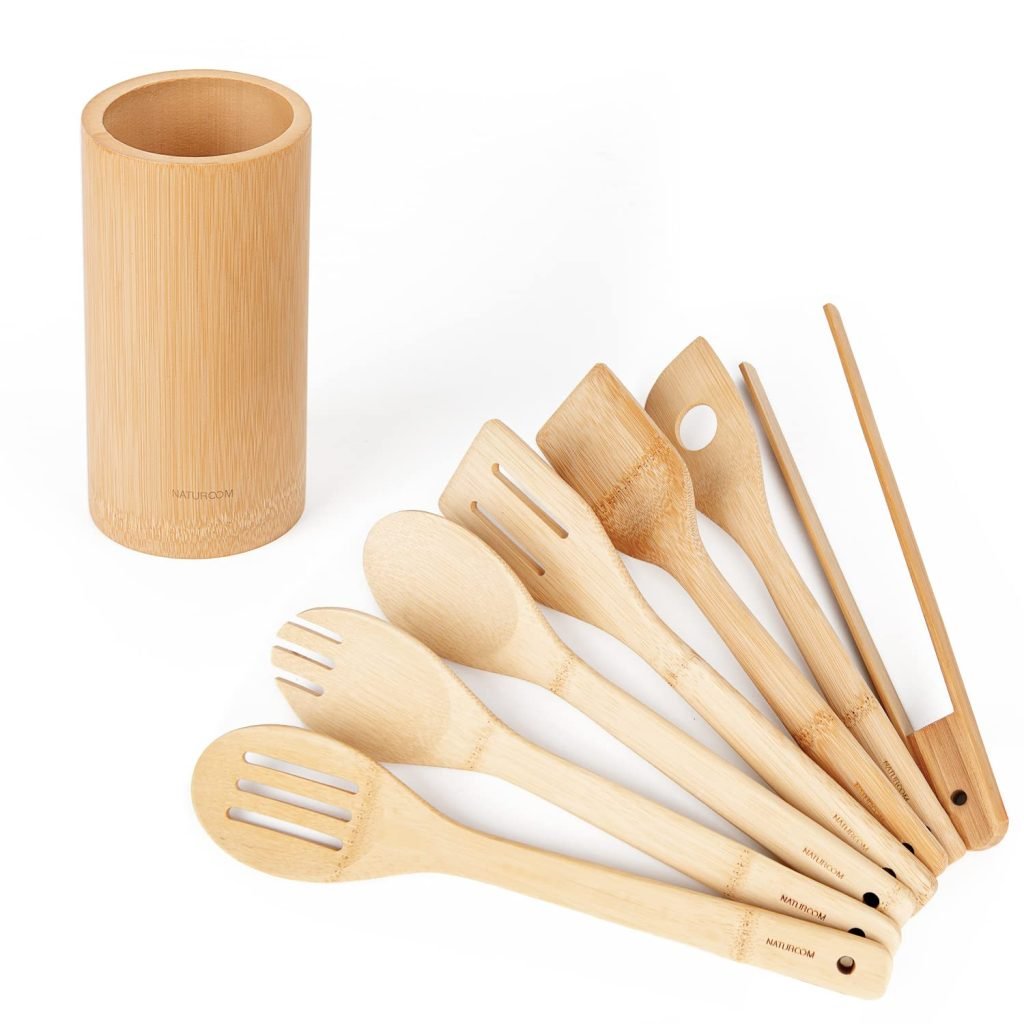
Have you ever wondered why bamboo cooking utensils are popping up in kitchens everywhere? You might be questioning if they’re truly as good as people claim.
Imagine reaching for a spoon or spatula that feels light in your hand, yet is sturdy enough to tackle any culinary challenge. Bamboo, with its natural elegance and eco-friendly appeal, offers you that experience. But does it truly stand up to the heat and hustle of daily cooking?
This article will dive into the benefits and potential drawbacks of bamboo utensils, helping you decide if they’re the right fit for your kitchen. Get ready to discover how bamboo might just transform your cooking routine into a more sustainable and efficient experience.

Credit: www.amazon.com
Bamboo Material Features
Bamboo is increasingly becoming a popular choice for cooking utensils, and it’s easy to see why. Its unique material features offer several advantages that make bamboo stand out in your kitchen. Let’s dive into the characteristics that make bamboo an excellent choice for cooking utensils.
Sustainability
Bamboo grows rapidly, making it a highly renewable resource. Unlike other materials that harm the environment, bamboo replenishes quickly. You might be surprised to learn that bamboo can grow up to several feet in a day! This growth rate makes bamboo one of the most eco-friendly materials for your kitchen tools. Have you ever considered the environmental impact of your utensils?
Durability
Bamboo is strong and resilient, capable of withstanding daily wear and tear. I once dropped a bamboo spatula, and to my surprise, it remained intact without a scratch. Its natural strength ensures your utensils won’t easily break or wear down. This means you won’t need to replace them frequently, saving you time and money.
Lightweight Nature
One of bamboo’s most appealing features is its lightweight nature. This makes handling bamboo utensils incredibly easy and comfortable. Imagine flipping a pancake with a light bamboo spatula instead of a heavy metal one. It’s effortless! Have you ever tried cooking with a heavy utensil and felt the strain on your hand? Bamboo eliminates that hassle, making cooking more enjoyable.
So, next time you shop for cooking utensils, consider bamboo. Its sustainability, durability, and lightweight nature could transform your cooking experience. Plus, you’ll be doing your part to support a greener planet. How does bamboo sound for your kitchen?
Credit: shop.freetheocean.com
Health Benefits
Have you ever wondered what’s really behind the appeal of bamboo cooking utensils? It’s not just their elegant appearance or eco-friendly nature. Bamboo is loaded with health benefits that might surprise you. These benefits make bamboo an excellent choice for your kitchen tools.
Imagine cooking dinner and knowing that your utensils are working to keep your food safe. Bamboo offers natural properties that help protect your meals from unwanted germs and toxins. Let’s dive into how bamboo cooking utensils can support a healthier lifestyle.
Antimicrobial Properties
One of the most fascinating aspects of bamboo is its ability to resist bacteria. Bamboo contains natural antimicrobial agents that help keep your utensils clean. This means less worry about harmful bacteria lurking on your cooking tools.
Think about the last time you cooked a meal. Your utensils touched every ingredient, right? Bamboo’s antimicrobial nature ensures that your food stays safer by minimizing the risk of contamination. Isn’t it comforting to know that bamboo helps shield your meals from germs?
Non-toxic Elements
Many traditional utensils come with hidden chemicals that can leach into your food. Bamboo is different. It is naturally free from toxins and chemicals that might otherwise sneak into your meals.
Have you ever checked the labels on your kitchen tools for hidden dangers? With bamboo, you can skip this step. Its natural composition ensures that your cooking remains pure and healthy. Isn’t it reassuring to know that bamboo supports your health without extra effort?
Incorporating bamboo utensils into your kitchen routine offers you peace of mind. You can focus on what really matters—crafting delicious and nutritious meals for you and your loved ones. Have you tried bamboo utensils yet, or are you sticking with your old ones?
Eco-friendly Advantages
Bamboo offers eco-friendly benefits for cooking utensils. It grows quickly, making it a sustainable resource. Durable and lightweight, bamboo utensils are perfect for everyday kitchen use.
Bamboo is gaining popularity as a material for cooking utensils, and it’s no surprise given its eco-friendly advantages. If you’re conscious about reducing your environmental footprint, bamboo could be an excellent choice for your kitchen. It’s not just about aesthetics; bamboo offers real benefits that align with a sustainable lifestyle.Biodegradable Properties
Bamboo is naturally biodegradable, breaking down much faster than plastic or metal. Imagine tossing your worn-out bamboo spatula in the compost instead of adding to landfill waste. This quality makes bamboo utensils a smart choice for those who want to minimize environmental impact.Minimal Carbon Footprint
Bamboo grows rapidly and requires fewer resources compared to traditional wood. It absorbs carbon dioxide and releases 35% more oxygen than similar-sized trees. Choosing bamboo utensils means supporting a material with a minimal carbon footprint, which is a step towards a healthier planet. Have you ever thought about how your kitchen choices affect the Earth? By opting for bamboo, you contribute to a more sustainable future. Consider the impact of each utensil and make mindful decisions that benefit both you and the environment.Performance In Cooking
Bamboo utensils offer durability and environmental benefits in the kitchen. Lightweight design makes them easy to handle. Natural antibacterial properties ensure food safety, while the gentle surface prevents scratches on cookware.
Cooking with bamboo utensils is becoming increasingly popular, and for good reason. These natural tools provide a unique blend of performance and style in the kitchen. Bamboo utensils aren’t just about aesthetics; they offer practical benefits that can enhance your cooking experience.Heat Resistance
Bamboo utensils are known for their impressive heat resistance. Unlike metal utensils, bamboo doesn’t conduct heat, so you can stir, flip, and serve hot dishes without worrying about burning your hands. Have you ever accidentally left a plastic spoon too close to a hot pan? It can melt or warp quickly. Bamboo avoids this issue, making it safer and more durable for high-heat cooking. Think about how often you cook dishes that require constant stirring over heat. With bamboo, you can do this comfortably without the fear of the utensil heating up.Non-scratch Surface
Bamboo’s soft yet sturdy texture makes it ideal for non-stick cookware. Metal utensils can scratch and damage your pots and pans, but bamboo is gentle enough to keep them in pristine condition. Consider your expensive non-stick pan. Using bamboo utensils can help prolong its life, saving you money in the long run. Bamboo doesn’t just protect; it also feels pleasant to use. Its smooth surface glides effortlessly over cookware, making stirring and serving a breeze. Have you tried bamboo utensils in your cooking yet? They might just change how you approach your kitchen tasks.Comparisons With Other Materials
Bamboo stands out as a natural choice for cooking utensils. It offers durability, unlike plastic, and is gentler on cookware than metal. Bamboo’s lightweight nature makes it easy to handle, providing a sustainable option for everyday kitchen use.
When choosing cooking utensils, you might wonder how bamboo stacks up against other materials. The allure of bamboo is not just its eco-friendliness; it’s also about performance and aesthetics. Understanding how bamboo compares to plastic, metal, and wooden utensils can help you make a more informed choice for your kitchen.Plastic Utensils
Plastic utensils are often praised for their lightweight and affordable nature. You might find them convenient, especially for casual cooking and easy cleanup. However, they can warp under high heat and sometimes leach chemicals into your food. The environmental impact is also a concern; plastic contributes to landfill waste and pollution. Bamboo, in contrast, offers a sustainable option that doesn’t compromise on sturdiness and is biodegradable.Metal Utensils
Metal utensils, such as stainless steel, are known for their durability and heat resistance. They’re great for high-temperature cooking and stirring thick mixtures. But have you ever scratched your non-stick pan with a metal spatula? It’s a common mishap. Bamboo utensils are gentle on cookware, reducing the risk of scratches. Plus, they don’t conduct heat, so you won’t burn your hand on a bamboo spoon left in a hot pot.Wooden Utensils
Wooden utensils have a rustic charm and are often appreciated for their traditional appeal. They’re generally safe for all types of cookware and add a homely touch to your kitchen. Yet, wood can absorb odors and stains over time, affecting its longevity. Bamboo, being denser, is less prone to absorbing moisture and smells, making it a cleaner and longer-lasting choice. Have you ever had a wooden spoon warp after repeated washes? Bamboo’s resilience to water and heat makes it a robust alternative. Each material has its pros and cons, but bamboo presents a unique blend of practicality and sustainability. So, what’s your choice going to be for your next cooking adventure?Maintenance And Care
Maintaining bamboo cooking utensils is easy with the right care. Proper maintenance ensures longevity and keeps them looking fresh. With gentle cleaning and smart storage, bamboo utensils stay in top shape. Here’s how to make your bamboo utensils last longer:
Cleaning Tips
Wash bamboo utensils by hand for best results. Use warm, soapy water. Avoid soaking them in water for long. This prevents swelling and cracking. Dry them immediately with a towel. Air drying can lead to warping. Keep them in good condition with regular oiling. Use food-grade mineral oil for the best results. Oil helps maintain moisture and luster.
Storage Suggestions
Store bamboo utensils in a dry place. Keep them out of direct sunlight. Sunlight can cause fading and brittleness. Use a utensil holder to keep them upright. This prevents bending and damage. Ensure they have enough space to avoid overcrowding. Overcrowding can cause scratches and damage. Rotate their use to ensure even wear.
Popular Bamboo Utensil Types
Bamboo utensils, such as spoons, spatulas, and tongs, are popular for their eco-friendly nature. They resist heat and don’t scratch cookware, making them ideal for cooking. These utensils are durable, lightweight, and easy to clean, offering a sustainable choice for everyday kitchen use.
When considering alternatives for your kitchen, bamboo utensils are becoming a popular choice. They are eco-friendly, durable, and add a natural touch to your cooking routine. But what types of bamboo utensils should you consider for your kitchen? Let’s dive into some popular choices that can enhance your culinary experience.Spoons And Spatulas
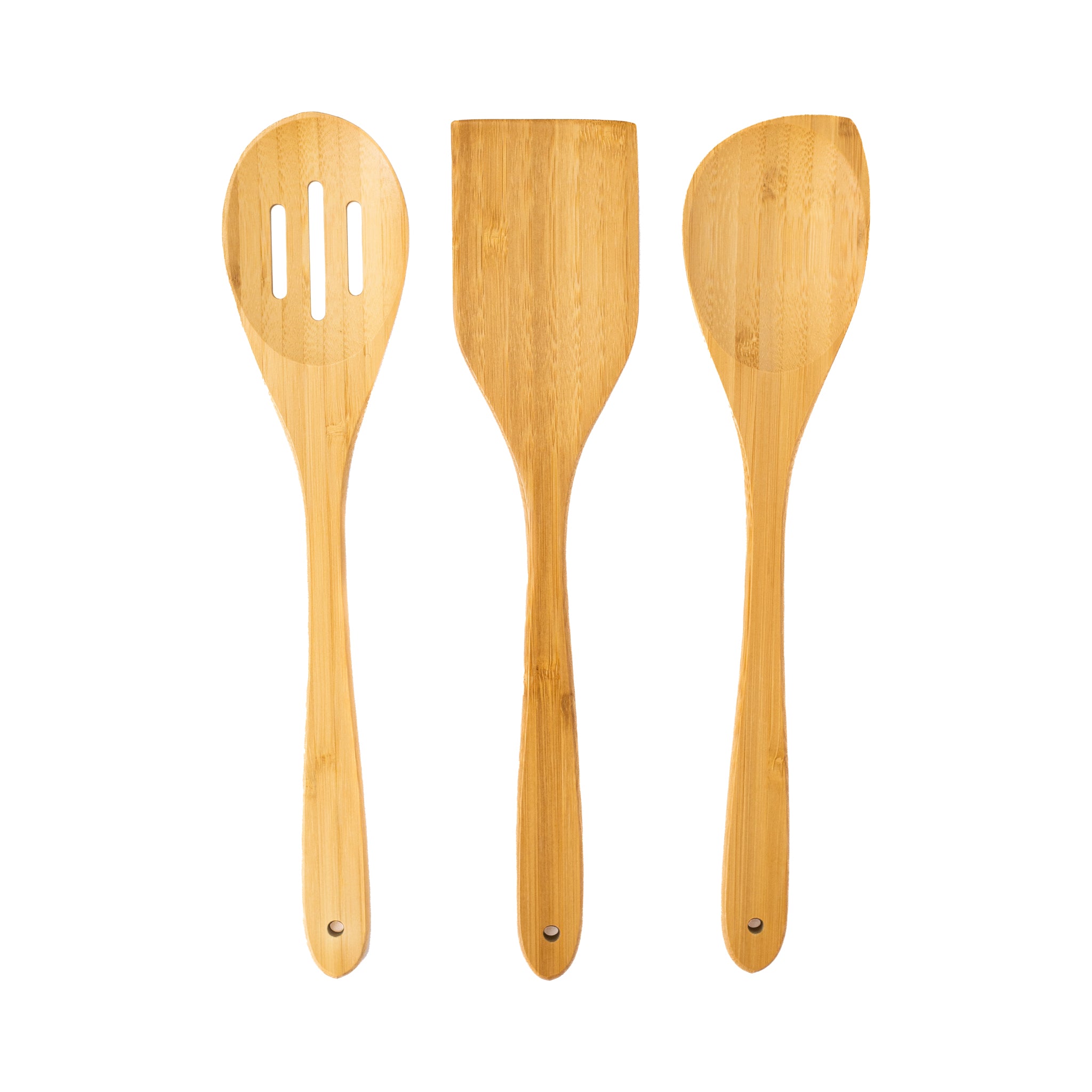
Bamboo spoons and spatulas are incredibly versatile. They are perfect for stirring soups, mixing batter, and flipping pancakes. Bamboo doesn’t scratch non-stick surfaces, which means your pots and pans will last longer. You might have noticed that bamboo utensils are incredibly lightweight. This makes them comfortable to use, even during long cooking sessions. Next time you’re stirring that pot of risotto, notice how your hand doesn’t tire as quickly.Chopsticks
Bamboo chopsticks are not only functional but also add an authentic touch to your dining experience. They’re reusable and easy to clean, unlike disposable plastic alternatives. Plus, bamboo is naturally resistant to stains and odors. Have you tried using bamboo chopsticks for more than just sushi? They can be a great tool for flipping small items like bacon or even for whisking eggs. It’s all about finding new ways to make the most of your utensils.Salad Tongs
Bamboo salad tongs are a must-have for tossing and serving salads. They’re gentle on delicate greens and won’t bruise them. The natural look of bamboo pairs beautifully with a fresh, vibrant salad. Imagine hosting a dinner party and your guests are impressed by both the taste of your salad and the elegance of your bamboo utensils. It’s these small details that make dining a delightful experience. Are you ready to give bamboo utensils a try in your kitchen? They offer a blend of functionality and aesthetic appeal that’s hard to beat. Let your creativity guide you in finding new ways to use these versatile tools.Consumer Considerations
Bamboo offers a sustainable choice for cooking utensils, being lightweight and durable. It resists heat and doesn’t scratch cookware. Its natural properties make it a popular option for eco-conscious consumers.
When choosing cooking utensils, bamboo presents itself as an intriguing option. As a consumer, you might wonder if bamboo is worth considering for your kitchen needs. Let’s dive into some key aspects that might influence your decision.Cost-effectiveness
Bamboo utensils are often more affordable than their metal or silicone counterparts. You can get a whole set without breaking the bank. My friend recently replaced her old plastic utensils with bamboo ones. She was amazed by how much she saved while also upgrading her kitchen’s aesthetic. Bamboo’s durability means less frequent replacements, offering long-term savings. Are you ready for a cost-effective kitchen upgrade?Availability
Finding bamboo utensils is easier than you might think. They’re widely available in most home goods stores and online marketplaces. Next time you go shopping, check out the kitchen aisle; you’ll probably find a variety of bamboo options waiting for you. They’re popular for a reason. Many brands offer bamboo utensils, so you can choose based on your style and budget. Have you noticed the growing presence of bamboo in the kitchen section lately? Embracing bamboo could be your next smart move in the kitchen. Consider these aspects and see if bamboo utensils align with your culinary ambitions.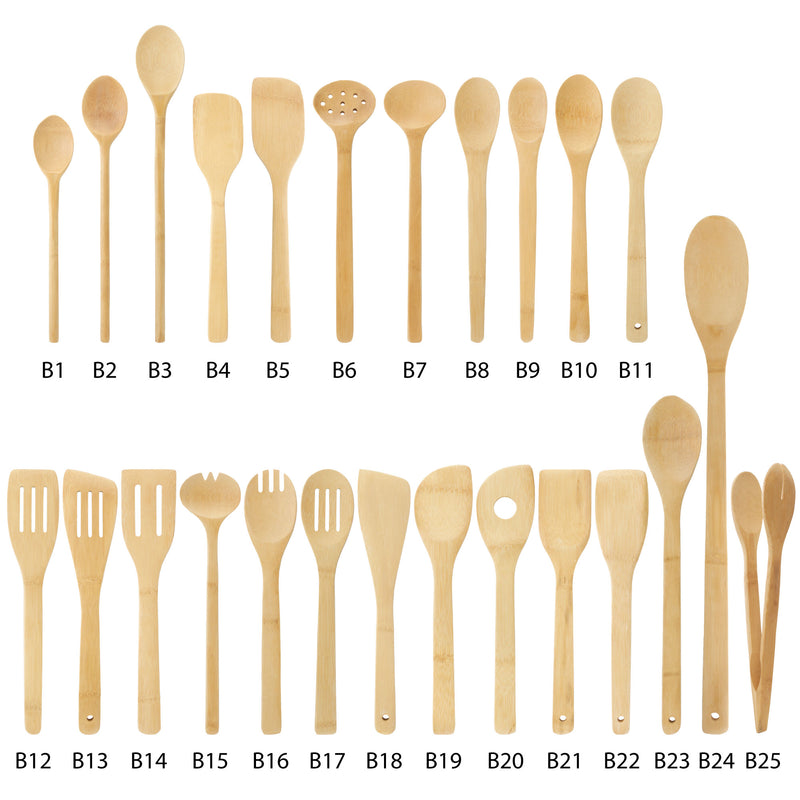
Credit: bamboomn.com
Frequently Asked Questions
What Are The Disadvantages Of Bamboo Cutlery?
Bamboo cutlery can splinter over time and may not be dishwasher safe. It can absorb flavors and moisture, leading to potential bacterial growth. They might not be as durable as metal cutlery and can require more frequent replacement. Environmental impact varies based on sourcing and manufacturing processes.
What Is The Healthiest Material For Cooking Utensils?
Stainless steel is the healthiest material for cooking utensils. It’s durable, non-reactive, and doesn’t leach chemicals. Silicone is also safe for high heat and non-stick surfaces. Both materials are easy to clean and maintain. Choose high-quality products for the best results.
Are Bamboo Utensils Better Than Stainless Steel?
Bamboo utensils are eco-friendly and lightweight. They don’t scratch cookware, unlike stainless steel. Stainless steel is durable and heat-resistant. Choice depends on personal preference and usage needs.
What Is The Healthiest Wood For Cooking Utensils?
Maple, beech, and birch are the healthiest woods for cooking utensils. They are non-toxic, durable, and resist bacteria. These woods have tight grains, preventing moisture absorption and ensuring longevity. Choose untreated and sustainably sourced options for the best results in the kitchen.
Conclusion
Bamboo utensils are a smart choice for eco-friendly cooking. They offer durability and a gentle touch on cookware. These utensils are lightweight and easy to handle. Plus, they are naturally resistant to stains and odors. This makes cleaning a breeze.
Bamboo is a sustainable material, growing quickly without chemicals. Using bamboo helps reduce your carbon footprint. And it adds a natural look to your kitchen. So, they are not just good for cooking, but good for the planet too. Choose bamboo utensils for a healthier kitchen and environment.

Hi, I’m Daniel Brooks—a food lover and kitchen gear enthusiast. I enjoy testing cookware, utensils, and gadgets to see what really works in everyday cooking. At PlugChef.com, I share honest reviews, comparisons, and simple guides to help you choose the best tools for a safer, smarter, and more enjoyable kitchen.
Related posts:
 What Type of Cooking Utensils are Safe: Expert Picks
 What Innovations Could Blenders Make: Unleashing Future Tech
 Smart Strategies to Organize a Small Kitchen: Maximize Space
 How to Organize a Kitchen Cabinet: Expert Tips & Tricks
 How to Organize Kitchen Drawers: Expert Tips and Tricks
 How to Organize a Corner Kitchen Cupboard: Expert Tips

