
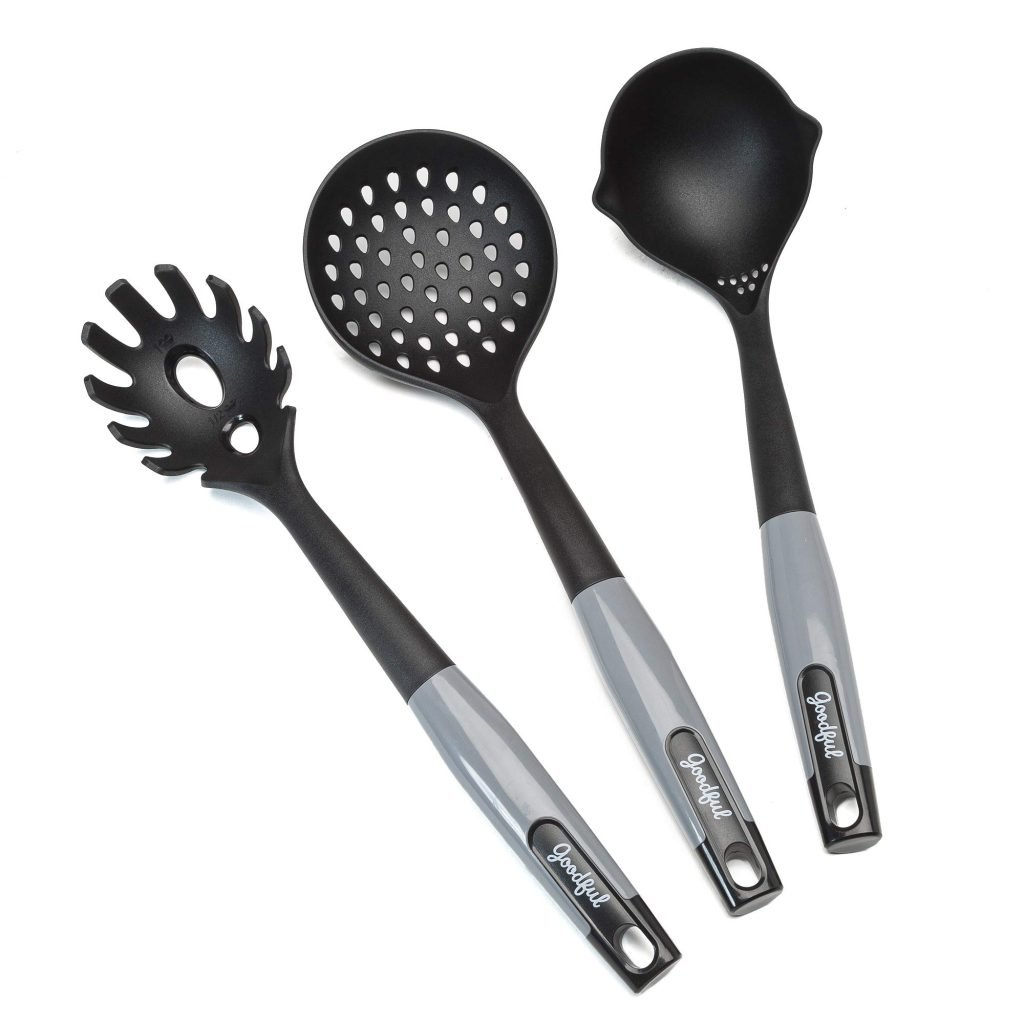
Have you ever wondered if the nylon cooking utensils you use every day are truly safe for your kitchen? You’re not alone.
With so many different materials available, choosing the right tools can feel overwhelming. Nylon is popular for its affordability and versatility, but what about its impact on your health and the environment? Your kitchen is the heart of your home, and making informed choices about what goes into it is crucial.
By understanding the safety of nylon cooking utensils, you can ensure that you’re not compromising your health or the quality of your culinary creations. This article will delve into everything you need to know about nylon cooking utensils, so you can cook with confidence. Stick around and discover whether nylon is the right choice for you and your family.

Credit: siliconemakers.com
Nylon Utensils: An Overview
Nylon cooking utensils are popular due to their non-stick properties. Concerns about safety arise with high heat exposure. Nylon can release chemicals if overheated, raising health questions.
Nylon utensils have become a staple in many kitchens. They are lightweight, affordable, and seemingly durable. But how safe are they for cooking? Understanding the materials and design of nylon utensils can help you make informed decisions for your culinary needs.What Is Nylon?
Nylon is a type of plastic known for its flexibility and strength. It’s used in various products, from clothing to kitchen tools. In utensils, nylon’s ability to withstand heat makes it popular for cooking, but it has its limits.Heat Resistance Of Nylon Utensils
Nylon utensils can typically withstand temperatures up to around 400°F (200°C). Beyond this, they may start to melt or release harmful chemicals. If you’re cooking at high temperatures, consider whether nylon is the safest option.Benefits Of Using Nylon Utensils
Nylon utensils are gentle on non-stick cookware. They prevent scratches and extend the life of your pots and pans. Plus, they come in a variety of colors and designs, adding a touch of style to your kitchen.Potential Risks Of Nylon Utensils
Exposure to high heat can cause nylon to break down. This might lead to the release of toxic substances into your food. Always check the manufacturer’s guidelines to ensure safe usage.Alternatives To Nylon Utensils
Consider silicone or wooden utensils as safer alternatives. Silicone is heat-resistant and non-stick friendly. Wood is natural and durable, though it requires more care. Have you ever noticed your nylon spatula getting a bit sticky after frying? That could be a sign it’s time for a switch. Always prioritize your health and safety in the kitchen. What changes will you make to your utensil drawer today?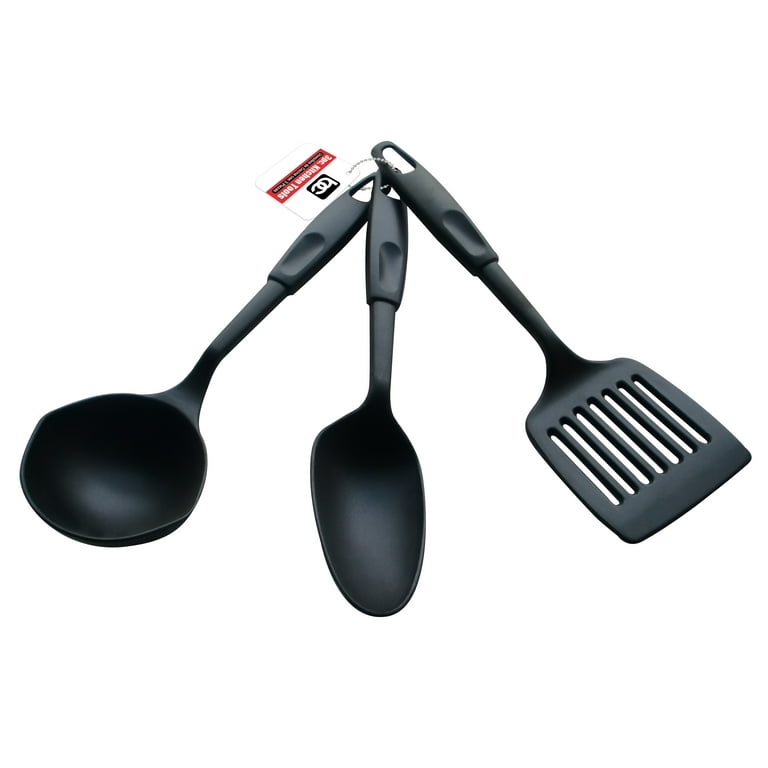
Credit: www.walmart.com
Benefits Of Nylon In The Kitchen
Have you ever wondered why nylon cooking utensils are so popular? It’s not just about the flashy colors or sleek designs. Nylon offers practical benefits that make it a worthy addition to your kitchen arsenal. Whether you’re flipping pancakes or stirring soup, understanding these benefits can enhance your cooking experience. Let’s dive in and explore why nylon is a kitchen favorite.
Heat Resistance
Nylon utensils are remarkably heat resistant. You might be surprised to learn they can withstand temperatures up to 400°F. This means you can safely use them for frying or sautéing without worry. Just imagine being able to stir your favorite sizzling stir-fry without damaging your utensil. That’s peace of mind every cook deserves. But remember, it’s always wise to check the specific heat resistance of each utensil, as variations exist.
Non-stick Friendly
Nylon utensils are gentle on non-stick surfaces. If you’ve ever cringed at the sound of metal scraping your favorite pan, you’ll appreciate this benefit. Nylon won’t scratch or damage your non-stick cookware. This keeps your pans in pristine condition, prolonging their lifespan. It’s an easy way to maintain your investment in quality cookware. Next time you’re cooking, you can relax knowing your utensils are doing their job without harm.
Durability And Flexibility
Nylon is both durable and flexible, making it ideal for various kitchen tasks. Have you ever had a spatula snap in half while flipping a burger? With nylon, that’s less likely to happen. It bends without breaking, tackling tough tasks with ease. Plus, its durability means you won’t need to replace your utensils frequently, saving you money over time. Consider how valuable this can be in a bustling kitchen environment.
Do you have nylon utensils in your kitchen? If not, it might be time to consider them. Their benefits offer tangible improvements to everyday cooking tasks. With heat resistance, non-stick friendliness, and durability, nylon utensils are a reliable choice. What’s your favorite kitchen utensil, and why? Let us know in the comments!
Potential Risks Of Using Nylon Utensils
Nylon cooking utensils can pose risks when exposed to high heat. They may release harmful chemicals, potentially affecting food safety. Opting for safer materials, like wood or silicone, can help minimize these health concerns.
When you rummage through your kitchen drawers, nylon utensils might seem like a convenient choice. They are lightweight, affordable, and often come in a variety of colors. However, have you ever considered the potential risks associated with using them while cooking? It’s essential to understand these risks to make safer choices for your kitchen.Chemical Leaching Concerns
Nylon utensils might release unwanted chemicals into your food. Under high temperatures, chemicals like BPA and other additives can leach into your meals. This is particularly concerning if you often cook with fatty foods, as fats can absorb these chemicals more readily. Have you ever accidentally left a nylon spoon in a hot pan? You might not see any immediate changes, but the invisible chemical transfer is a silent risk. It’s worth considering if you want to prioritize your health and well-being.Heat Limits And Melting Points
Nylon utensils have a specific heat limit, typically around 400°F (204°C). Beyond this point, they can start to melt. This melting not only ruins your cooking tool but can also end up in your food, posing a health risk. Imagine the shock of discovering a melted nylon spatula in your freshly cooked dinner. It’s not just an inconvenience; it’s a potential hazard that can be avoided. Always be aware of your cooking temperatures to prevent such incidents. So, have you thought about the utensils you use daily? Are they the safest choice for you and your family? Consider these points the next time you reach for that colorful nylon spatula. Choose wisely, and you can ensure a healthier kitchen environment.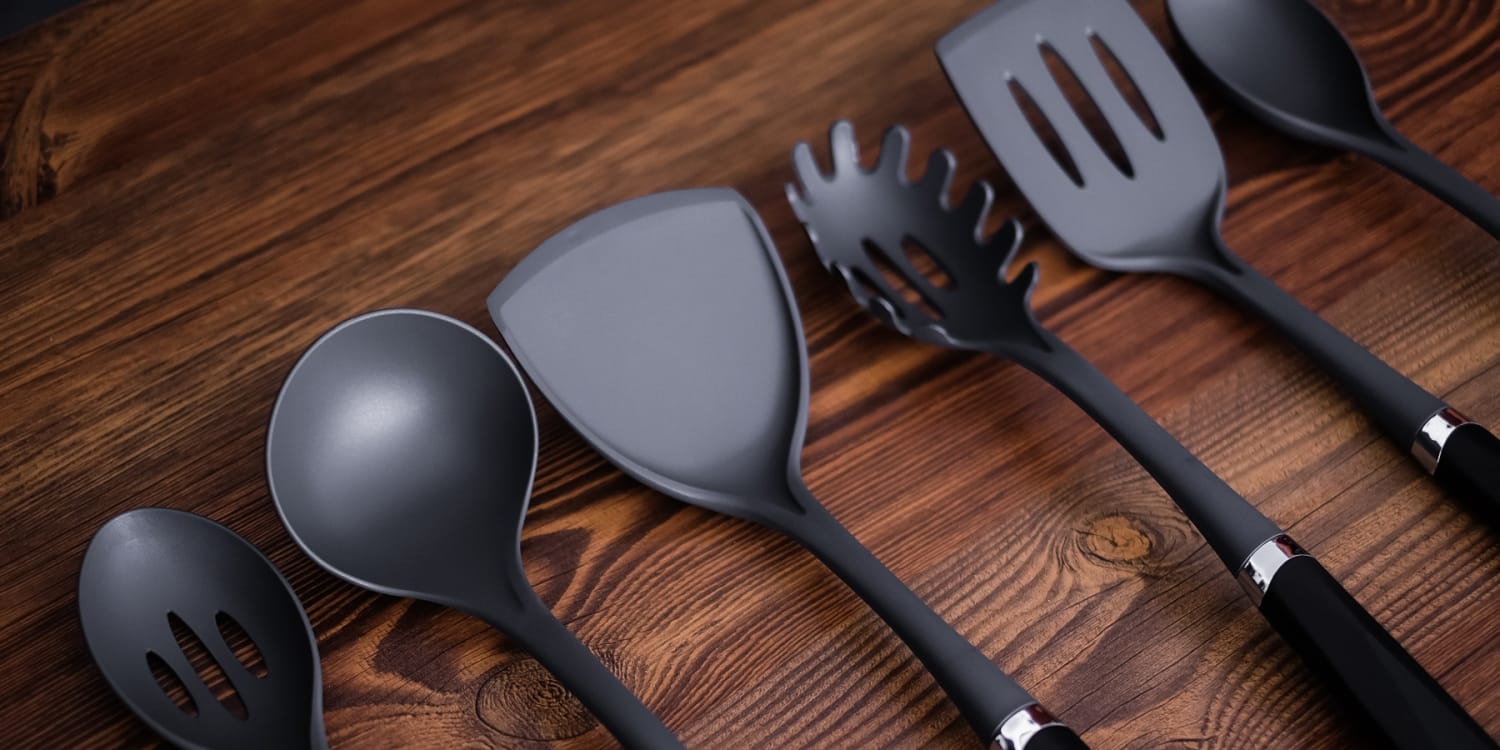
Credit: www.nbcnews.com
Comparing Nylon With Other Materials
Nylon utensils are popular in kitchens. They are lightweight, resistant to heat, and don’t scratch non-stick pans. But, their safety when cooking at high temperatures can be a concern. Always check for any melting or chemical release. It’s best to use them below their maximum heat limit.
Comparing nylon cooking utensils with other materials helps users make informed choices. Each material offers unique benefits and drawbacks in the kitchen. Understanding these differences ensures that you pick the right tool for your cooking needs.Nylon Vs. Silicone
Nylon utensils are lightweight and affordable. They handle temperatures up to 400°F. Yet, they can melt if left in a hot pan. Silicone is more heat-resistant, withstanding temperatures up to 600°F. It remains flexible and durable over time. Silicone doesn’t scratch non-stick cookware. Nylon, being harder, might leave marks. Both materials are dishwasher-safe, making cleaning easy.Nylon Vs. Metal
Metal utensils are strong and durable. They withstand high heat without damage. Unlike nylon, they can scratch non-stick surfaces. Metal is excellent for tasks needing strength, like flipping burgers. Nylon is gentler on coated pans. Metal tools often cost more than nylon ones. They require more care to avoid damaging cookware.Nylon Vs. Wood
Wooden utensils offer a natural feel and look. They are gentle on all cookware surfaces. Wood doesn’t conduct heat, so handles stay cool. Nylon can melt on hot surfaces, unlike wood. Wooden utensils need regular oiling to prevent drying. They can absorb flavors and stains over time. Nylon is easy to clean and doesn’t absorb odors.Safety Tips For Using Nylon Utensils
Nylon cooking utensils are popular for their affordability and versatility. Yet, many wonder about their safety during cooking. By using nylon utensils correctly, you can avoid potential hazards. Below are some essential tips to ensure safe usage.
Proper Usage Techniques
Always use nylon utensils with non-stick cookware. This prevents scratches and damage to your pots and pans. Avoid exposing them to high heat. Nylon can melt if the temperature is too high. Keep utensils away from direct flame. Using them only for stirring or serving is best.
Store nylon utensils properly. Hanging them or placing them in a drawer reduces risk of bending or warping. Clean them with mild soap and warm water. Harsh chemicals can weaken the material over time.
When To Replace Your Utensils
Replace nylon utensils when they show signs of damage. Cracks or discoloration indicate wear and tear. If the utensil becomes sticky, it’s time for a new one. Check for melting or bending.
Old utensils can harbor bacteria. Regularly inspect them for any changes. Replace them every few years to ensure safety. Regular updates to your kitchen tools maintain hygiene and efficiency.
Consumer Insights And Expert Opinions
Concerns about nylon cooking utensils focus on potential chemical leaching at high temperatures. Expert opinions vary, emphasizing proper usage. Consumer insights highlight safety when used below 400°F.
When choosing cooking utensils, safety is a top priority. Nylon utensils, popular for their versatility and affordability, often raise questions about their safety in the kitchen. To help you make an informed decision, we delve into what both consumers and experts have to say about using nylon cooking utensils.What Users Say
Consumers often share their experiences online, providing valuable insights into everyday use. Many users appreciate nylon utensils for their gentle touch on non-stick surfaces. They find them durable and easy to clean, making them a staple in many kitchens. However, some users express concerns about nylon melting at high temperatures. This can leave residue in food, which is a valid safety concern. When cooking at high heat, it’s crucial to monitor the utensil’s condition. Have you ever wondered if others have faced the same issues you do with nylon utensils? Reading user reviews can offer reassurance or prompt a reconsideration of your kitchen tools.Expert Recommendations
Experts suggest a balanced approach when using nylon utensils. They recommend avoiding exposure to temperatures above 400°F to prevent melting. This precaution helps maintain both the utensil’s integrity and your food’s safety. Consider using nylon utensils for tasks like stirring or serving where high heat isn’t a factor. Experts also advise checking for any wear and tear regularly. This ensures your utensils remain safe and effective over time. Think about consulting expert opinions next time you’re in the kitchen store. Their insights can guide you toward choices that align with your cooking habits and safety standards. By combining consumer insights and expert advice, you can make an informed decision about using nylon utensils in your kitchen. What will you consider next time you reach for that trusty spatula?Future Trends In Cooking Utensils
The world of cooking utensils is constantly evolving. New trends emerge to meet consumer demands for safety and sustainability. Nylon utensils have raised concerns about safety. This has prompted innovation in kitchenware. Let’s explore the future of cooking utensils and what lies ahead.
Innovations In Safe Materials
Manufacturers are exploring new materials for cookware safety. Silicone is gaining popularity due to its heat resistance. It is non-toxic and doesn’t leach chemicals. Wood and bamboo utensils are also seeing a rise. They are natural and offer a safe alternative.
Advanced ceramics are entering the market. They promise durability and safety. Stainless steel remains a staple for its reliability. Each of these materials offers unique benefits. They cater to the growing demand for safer cooking tools.
Sustainability In Kitchenware
Eco-friendly materials are shaping the future of kitchenware. Many companies focus on reducing environmental impact. Recycled plastics and biodegradable materials are gaining traction. They offer a sustainable choice for eco-conscious consumers.
Bamboo is a top contender for sustainable utensils. It grows quickly and requires minimal resources. Metal straws and reusable utensils are replacing disposables. This shift supports a greener kitchen experience.
Consumers are more aware of their choices. They seek products that align with their values. Sustainable utensils meet this demand. This trend is set to grow in the coming years.
Frequently Asked Questions
Is Nylon Ok For Cookware?
Nylon is safe for cookware use. It withstands heat up to 400°F, ideal for non-stick surfaces. Avoid direct exposure to open flames or extreme heat. Always check the manufacturer’s guidelines for specific temperature limits. Nylon utensils prevent scratching and extend the life of your non-stick cookware.
Are Nylon Cooking Utensils Nontoxic?
Nylon cooking utensils are generally non-toxic when used below 400°F. They can release harmful compounds if overheated. Always follow the manufacturer’s temperature guidelines to ensure safety. Opt for high-quality utensils to minimize risks.
What Is The Safest Material For Cooking Utensils?
Stainless steel is the safest material for cooking utensils. It is non-reactive, durable, and resistant to rust. Silicone is also safe, especially for non-stick cookware, as it is heat-resistant and non-toxic. Both materials are easy to clean and maintain, making them ideal choices for healthy cooking.
Is It Safe To Cook With A Nylon Spatula?
Using a nylon spatula is safe for cooking at low to medium temperatures. Avoid using it on high heat to prevent melting. Always check the manufacturer’s temperature recommendations. Nylon spatulas are ideal for non-stick cookware, preventing scratches and extending the cookware’s lifespan.
Conclusion
Nylon utensils offer convenience and affordability. They are generally safe for cooking. Some precautions can help ensure their safety. Avoid using them at high temperatures. This can prevent the risk of melting. Always check for product safety labels. These labels provide essential information.
Regularly inspect for damage or wear. Replace worn-out utensils to avoid food contamination. Consider alternatives like wood or silicone for high-heat cooking. These materials resist heat better. Choosing the right utensil can enhance your kitchen experience. Prioritize safety and quality in every choice.
Your health and meals deserve the best care.

Hi, I’m Daniel Brooks—a food lover and kitchen gear enthusiast. I enjoy testing cookware, utensils, and gadgets to see what really works in everyday cooking. At PlugChef.com, I share honest reviews, comparisons, and simple guides to help you choose the best tools for a safer, smarter, and more enjoyable kitchen.
Related posts:
 What Type of Cooking Utensils are Safe: Expert Picks
 What Innovations Could Blenders Make: Unleashing Future Tech
 Smart Strategies to Organize a Small Kitchen: Maximize Space
 How to Organize a Kitchen Cabinet: Expert Tips & Tricks
 How to Organize Kitchen Drawers: Expert Tips and Tricks
 How to Organize a Corner Kitchen Cupboard: Expert Tips

