
A lingering rotten egg smell coming from your kitchen sink drain is one of the most common—and frustrating—household headaches. Unlike temporary food odors that fade after cleaning, drain smells come from deep buildup or trapped gas in your pipes, and masking them with air fresheners only solves the problem temporarily. The good news? Most kitchen sink drain odors are easy to eliminate with low-cost, non-toxic methods, no plumber required. In this guide, we’ll walk through the most common causes of drain smells, step-by-step cleaning methods (both natural and commercial), prevention habits to stop odors from coming back, and clear red flags for when it’s time to call a professional.
What Causes Kitchen Sink Drain Odors?
Before you can eliminate sink drain smells, it helps to know exactly what’s causing them. Most odors come from organic buildup or trapped gas in your drain system, and the root cause will dictate the most effective fix.
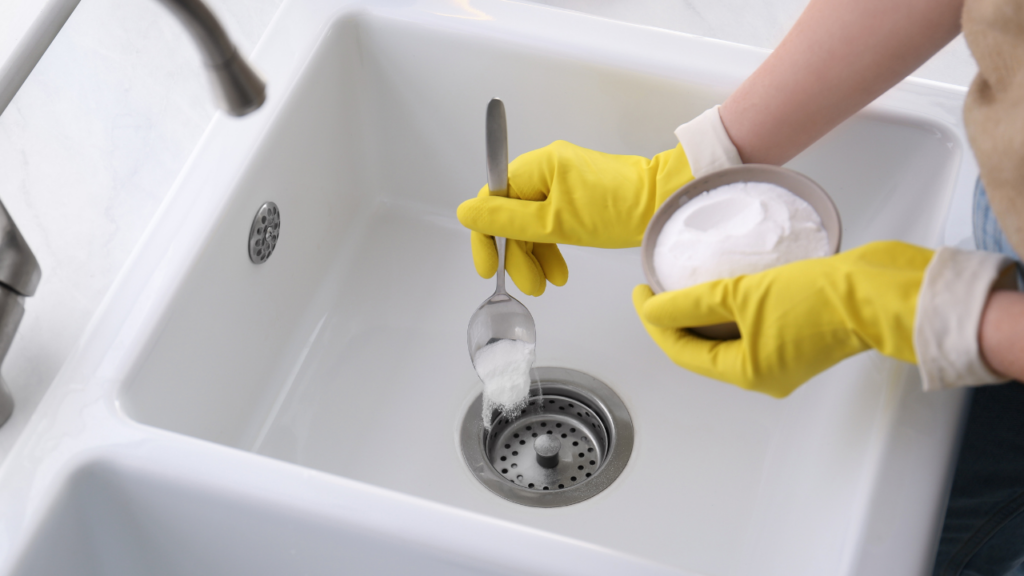 Food debris and grease buildup are the most common causes of kitchen sink drain odors
Food and Grease Buildup
Tiny bits of food—starchy pasta, rice, fibrous vegetable scraps, coffee grounds—get stuck in the drain flange or pipe walls, especially if you don’t use a strainer. Over time, these particles rot, producing foul, sulfurous odors that waft up into your kitchen. Grease is an even bigger culprit: when you pour hot grease down the drain, it congeals as it cools, coating pipe walls and trapping food particles to create a sticky, bacteria-friendly sludge.
Bacterial Biofilm Growth
The dark, moist environment of your drain pipes is the perfect breeding ground for anaerobic bacteria, which feed on organic waste and produce hydrogen sulfide gas—the same compound that gives rotten eggs their signature smell. Over time, these bacteria form a slimy biofilm on pipe walls that’s hard to remove with just hot water.
Dry or Clogged P-Traps
Every sink drain has a U-shaped P-trap designed to hold a small amount of water that blocks sewer gas from entering your home. If a sink goes unused for weeks (like a guest bathroom or utility sink), that water evaporates, letting methane, hydrogen sulfide, and other sewer gases rise up into your space. A partial clog in the P-trap can also trap stagnant water that rots and smells.
Garbage Disposal Grime
If you have a garbage disposal, food scraps can get stuck under the rubber splash guard or on the grinding blades, where they decompose and spread odor every time you run water. Older disposals with dull blades are especially prone to trapping gunk.
Blocked Drain Vents
Your home’s drain system relies on vent pipes that run up through your roof to let air in and sewer gas out. If leaves, debris, or bird nests block these vents, sewer gas can back up into your drains, causing persistent, rotten smells that no amount of drain cleaning will fix.
Daily Habits to Prevent Odors Before They Start
Consistent small habits are the most effective way to keep drain smells from forming in the first place, cutting down on the need for deep cleaning later.
Rinse With Hot Water After Each Use
After washing dishes or rinsing food off plates, run your faucet on the hottest setting for 30 seconds to melt away fresh grease and wash loose particles down the drain before they stick to pipe walls. For best results, use near-boiling water (212°F/100°C) if you have metal pipes; if you have older PVC pipes, use the hottest tap water available to avoid warping the plastic.
Use a Drain Strainer Consistently
A stainless steel mesh drain strainer catches 90% of food scraps before they enter your pipes. Empty the strainer into the trash after every use (never dump its contents into the garbage disposal) to prevent clogs and odor-causing buildup.
Maintain Your Garbage Disposal
Run your disposal with cold water while grinding food waste, then flush with hot water and a squeeze of dish soap after each use to cut grease. For deeper disposal care, a dedicated disposal cleaning solution can break down hidden grime on disposal blades that regular rinsing misses. University of Minnesota Extension experts recommend grinding ice and salt in your disposal monthly to knock loose accumulated grime without damaging blades garbage disposal care best practices.
Never Pour Grease Down the Drain
Even small amounts of liquid grease congeal in pipes over time. Pour used cooking grease into a mason jar, let it solidify, then toss it in the trash to avoid clogs and odor buildup entirely.
Wipe Down Surrounding Surfaces Regularly
Airborne grease from cooking settles on your range hood, backsplash, and countertops, and can drip into the sink drain over time to fuel bacteria growth. Wipe down these surfaces weekly with a grease-fighting hood spray to remove buildup, and wipe the sink basin and surrounding countertops after each use with a daily surface cleaning spray to remove food splatter that can drip into the drain and cause odors.
Step-by-Step Natural Cleaning Methods (No Harsh Chemicals)
For most mild to moderate drain odors, simple household ingredients are just as effective as commercial cleaners, and they’re safe for pipes, septic systems, and your family. In practice, these methods work best when used consistently as part of your weekly kitchen routine. These methods are endorsed by the U.S. Environmental Protection Agency as safe, non-toxic alternatives to harsh chemical drain cleaners that can damage pipes and harm aquatic life EPA Safer Choice drain safety guidelines.
Baking Soda and Vinegar Flush
This classic combination uses mild alkaline and acidic properties to break down grime, neutralize odors, and kill surface bacteria without harsh chemicals.
- Remove any standing water from the sink with a cup or sponge.
- Pour ½ cup of baking soda directly down the drain, and let it sit for 5 minutes to cling to pipe walls and loosen buildup.
- Pour 1 cup of white distilled vinegar down the drain; it will fizz and bubble as it reacts with the baking soda.
- Let the mixture sit for 10–15 minutes, then flush with 2 kettles of near-boiling water.
For a pre-made, gentle, non-abrasive option, a gentle non-abrasive sink cleanser works equally well for light buildup and odors.
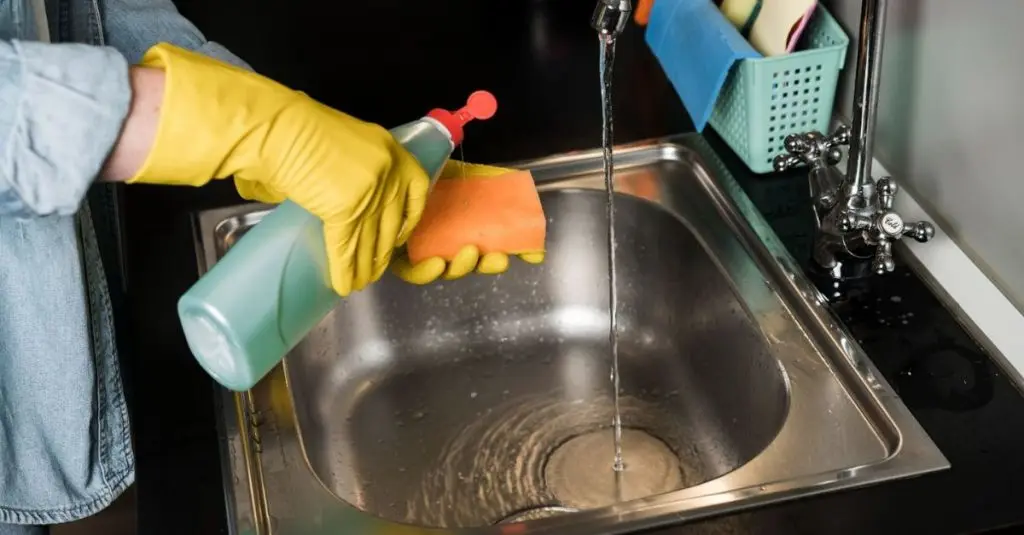 Baking soda and vinegar fizz to break down odor-causing grime in drains
Note: If you have older PVC drain pipes, use very hot tap water instead of rolling-boiling water to avoid warping the plastic.
Baking soda and vinegar fizz to break down odor-causing grime in drains
Note: If you have older PVC drain pipes, use very hot tap water instead of rolling-boiling water to avoid warping the plastic.
Lemon and Salt Scrub
For surface-level odors and light grease on the drain lip and sink basin, this scrub cuts through grime and leaves a fresh, citrusy scent.
- Mix ½ cup coarse kosher salt with the juice of 1 whole lemon to form a thick paste.
- Scrub the paste around the drain opening, disposal splash guard, and sink basin with an old toothbrush, focusing on areas with visible buildup.
- Let the paste sit for 5 minutes, then rinse thoroughly with hot water.
Boiling Water Flush
For grease-related odors, a hot water flush melts congealed fat and washes away loose debris.
- Bring 2 kettles of water to a rolling boil.
- Pour the water slowly down the drain in two separate batches, waiting 10 seconds between pours to avoid splashing. Avoid this method if you have older PVC pipes, as boiling water can warp the plastic over time.
Ice and Salt Disposal Cleaning
If your garbage disposal is the source of the odor, this method knocks loose stuck grime without damaging blades.
- Pour 1 cup coarse kosher salt and 1 tray of ice cubes into the disposal.
- Run the disposal with cold water for 30 seconds, then flush with hot water and a squeeze of dish soap.
Hydrogen Peroxide Soak
For tough organic buildup, hydrogen peroxide’s oxygen bubbles break down gunk without harsh chemicals.
- Mix ½ cup 3% hydrogen peroxide with 1 cup warm water.
- Pour the mixture down the drain, and let it sit for 30 minutes.
- Flush with hot water to rinse away loosened residue. Do not use hydrogen peroxide if you have a septic system, as it can kill the beneficial bacteria needed to break down waste.
Commercial Products for Stubborn Odors
If natural methods aren’t cutting it after 2–3 weekly treatments, commercial products can break down deep, long-term buildup. Always follow product instructions and avoid mixing different cleaners, as this can create toxic fumes.
Enzyme-Based Drain Cleaners
Enzyme cleaners use live, good bacteria to eat organic waste and biofilm in your pipes, eliminating odors at the source instead of just masking them. They’re safe for septic systems and won’t damage pipes, but they take 2–4 hours (or overnight) to work, so they’re best for scheduled maintenance rather than fast fixes. If natural methods aren’t cutting it, an odor-targeted drain treatment formulated for kitchen drains can break down deep organic buildup without harsh corrosives.
Disinfectant Drain Sprays
EPA-approved kitchen disinfectant sprays kill odor-causing bacteria on the drain lip, disposal splash guard, and sink basin. Spray the affected areas, let sit for 3–5 minutes, then wipe with a clean cloth for fast results. Look for food-contact-safe formulas to avoid contaminating dishes or produce.
Odor-Masking Fresheners
Scented drain gels, drops, or blocks mask odors with pleasant fragrances, but they don’t address the underlying cause of the smell. Use these only as a temporary fix while you work on deep cleaning the drain.
Heavy-Duty Grease Cutters
For smells caused by thick, congealed grease, a heavy-duty grease-cutting formula directly into the drain, let sit 5 minutes, then flush with hot water. Avoid using these if you have a septic system, as the strong chemicals can kill beneficial bacteria.
DIY Fixes for Tough, Persistent Smells
For odors that have built up over months, these targeted DIY methods can break down deep grime that regular cleaning misses.
Essential Oil Drain Treatment
Tea tree and eucalyptus essential oils have natural antimicrobial properties that fight odor-causing bacteria. Mix 10–15 drops of essential oil with 1 cup warm water, pour down the drain, and let sit for 10 minutes before rinsing. Avoid using citrus oils if you have a septic system, as they can disrupt beneficial bacterial balance.
Dish Soap and Hot Water Flush
For mild grease-related odors, squirt 2 tbsp of grease-cutting dish soap down the drain, then flush with 2 kettles of hot water. The soap binds to grease particles, allowing hot water to wash them away instead of letting them congeal on pipe walls.
Deep Disposal Cleaning
If your disposal has a persistent sour smell, pour 1 cup of baking soda into it, followed by 1 cup of vinegar, let fizz for 10 minutes, then flush with hot water and run the disposal for 30 seconds to clear out loosened gunk.
How to Diagnose If the Odor Is Actually Coming From Your Drain
Sometimes a smelly kitchen isn’t caused by the drain at all. Rule out other sources first to avoid wasting time on unnecessary cleaning:
Rule Out Non-Drain Sources First
Check for rotting food in your garbage can, spills under the fridge, or mold on dish sponges and rags. If the smell is strongest near the sink, move on to drain-specific checks.
Check Your P-Trap for Stagnant Water
Place a bucket under the U-shaped pipe under your sink, unscrew the slip nuts to remove the P-trap, and dump out any stagnant water or gunk. Rinse the P-trap with hot water and dish soap, then reattach it. If the smell disappears, a dry or clogged P-trap was the culprit.
Test Your Garbage Disposal
Run the disposal with cold water and dish soap, then sniff the air above the sink. If the smell gets stronger, the grime is trapped in the disposal, not the drain pipes.
Identify Vent Pipe Issues
If the smell is worse when you run water or flush the toilet, you likely have a blocked drain vent. This requires a professional to clear debris from the vent pipe on your roof, as climbing on roofs is dangerous without proper safety equipment.
When to Call a Professional Plumber
While most kitchen sink drain odors are easy to fix with DIY methods, some issues require specialized tools and expertise to avoid costly damage to your pipes. A common mistake homeowners make is using harsh chemical drain cleaners on severe clogs, which can corrode older pipes and make the problem worse.
Odors That Persist After 2 Weeks of DIY Cleaning
If you’ve tried weekly natural cleaning and commercial enzyme treatments for 14 days and the smell comes right back, the source is likely deep in your pipes or in a blocked vent, which requires professional snaking or vent clearing.
Slow or Standing Drain Water
If water drains slower than 1 inch per second, or pools completely in your sink, you have a severe clog that plungers and over-the-counter cleaners won’t fix. Chemical drain cleaners can also damage older metal or PVC pipes, so it’s best to skip them and call a plumber.
Visible Pipe Damage or Leaks
Check under your sink for water stains, mold growth, or damp spots, which can indicate a cracked or disconnected pipe. Leaks not only cause odors but can lead to water damage and mold growth if left unaddressed.
Garbage Disposal Failure
If your disposal makes unusual grinding noises, won’t turn on, or smells persistently even after deep cleaning, it may be broken or at the end of its 10–15 year lifespan. A plumber can install a replacement unit safely.
 Professional plumbers use specialized tools to clear deep clogs causing persistent odors
Frequently Asked Questions
How do I remove bad smells from my kitchen sink drain fast?
The fastest fix for mild odors is the baking soda and vinegar flush: it works in 30 minutes total, uses ingredients you likely have on hand, and leaves no harsh chemical residue. For smells that have built up over months, pair it with an overnight enzyme cleaner soak for deeper results.
What causes a rotten egg smell from my kitchen sink drain?
That distinct rotten egg odor is hydrogen sulfide gas, produced by anaerobic bacteria that feed on organic waste in your drain pipes, P-trap, or garbage disposal. It’s almost always caused by food or grease buildup, a dry P-trap, or a clogged drain.
Can I use bleach to clean my kitchen sink drain?
You can use a diluted bleach solution (1 part bleach to 10 parts water) for occasional deep cleaning to kill bacteria and dissolve grease, but never mix bleach with vinegar, ammonia, or other cleaners, as this creates toxic fumes. Bleach can also kill the good bacteria in septic systems, so avoid it if you have a septic tank. For regular use, opt for a kitchen cleaner with bleach formulated for drains, used as directed.
How often should I deep clean my kitchen sink drain?
Do a light hot water rinse after every use, and a full baking soda/vinegar flush weekly to prevent buildup. For homes that cook heavily or use their garbage disposal frequently, do a deep ice-and-salt cleaning or enzyme cleaner treatment monthly.
Why does my sink still smell after I cleaned the drain?
If odors persist after cleaning the drain, the source is likely your P-trap (which may have stagnant water or trapped gunk), a blocked drain vent, or grime stuck under your garbage disposal splash guard. Follow our diagnostic steps above to rule out these issues.
Do garbage disposal cleaners actually work?
Enzyme-based garbage disposal cleaners work well to break down hidden organic buildup on disposal blades and under the splash guard, reducing odors over time. Avoid foaming disposal cleaners, as they can cause clogs if not rinsed thoroughly.
Conclusion
A stinky kitchen sink drain is almost always a sign of manageable, preventable buildup, not a major plumbing disaster. By combining simple daily habits (like rinsing with hot water and using a strainer) with weekly natural cleaning, you can eliminate odors for good without harsh chemicals or expensive plumber visits. If you do run into persistent smells, start by diagnosing the source: check your P-trap, disposal, and vent before reaching for heavy-duty cleaners or calling a pro. For more easy, actionable kitchen cleaning guides that keep your home fresh and functional, browse our full library of kitchen maintenance tips today.

Hi, I’m Daniel Brooks—a food lover and kitchen gear enthusiast. I enjoy testing cookware, utensils, and gadgets to see what really works in everyday cooking. At PlugChef.com, I share honest reviews, comparisons, and simple guides to help you choose the best tools for a safer, smarter, and more enjoyable kitchen.
Related posts:
 How to Organize a Corner Kitchen Cupboard: Expert Tips
 How to Grow Organic Kitchen Garden: Expert Tips
 How to Best Organize Kitchen Cabinets: Expert Tips
 How Can a Kitchen Renovation Boost Storage & Organization?
 What is Kitchen Plastic Wrapping Paper Made of: Unveiling Secrets
 How Should a Fridge Be Organized: Expert Tips

