
Imagine you’re in your kitchen, ready to whip up a delicious meal. You’ve got your ingredients lined up, your favorite recipe in hand, but there’s one tool you might overlook: the humble colander.
You might wonder, “How do you use a colander effectively? ” This simple kitchen gadget is more than just a strainer for your spaghetti. It can be your secret weapon for preparing fresh, vibrant meals with ease. Picture this: perfectly rinsed vegetables, pasta cooked to perfection, and fruits ready for your smoothie—all thanks to this versatile tool.
As you explore the ways to use a colander, you’ll discover tips that not only streamline your cooking process but also make cleanup a breeze. With this guide, you’ll unlock the potential of your colander, transforming it from a mere accessory to an essential part of your culinary routine. Dive into the full article to uncover techniques that could change how you see this everyday kitchen item. Your cooking experience is about to get a whole lot better!
Credit: prochefkitchentools.com
Choosing The Right Colander
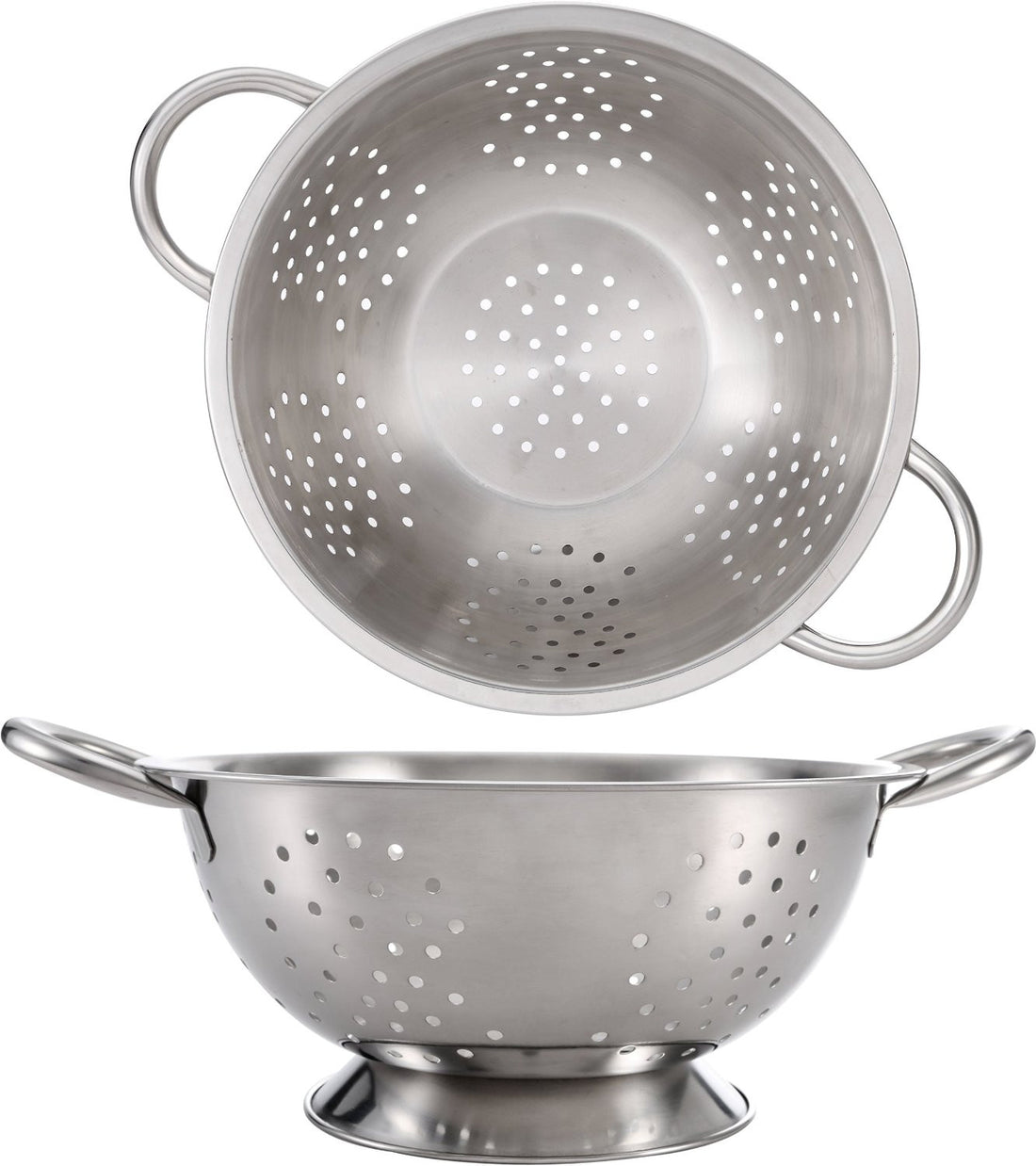
A colander helps drain water from pasta or rinse vegetables. Place food in the colander and let water flow through. Choose a sturdy one with small holes for better draining.
Choosing the right colander can make your cooking experiences smoother and more enjoyable. With so many options available, picking the perfect one might feel overwhelming. But understanding the differences in materials, sizes, and shapes can help you make a smart choice that suits your kitchen needs.Material Options
When selecting a colander, the material is a crucial factor. Plastic colanders are lightweight and often less expensive. They work well for draining pasta or rinsing vegetables, but may not withstand high heat. Metal colanders, usually made of stainless steel, are durable and heat-resistant. They are perfect for hot foods but can be heavier. Consider how often you’ll use it for hot versus cold items. Silicone colanders offer flexibility. They can collapse for easy storage, making them ideal for small kitchens. However, they might not be as sturdy as metal options.Size And Shape Considerations
Size matters when choosing a colander. A large colander is excellent for family-sized pasta dinners. But if you cook for one, a smaller option might suffice. The shape of the colander also impacts usability. Round colanders fit well in most pots and pans. If you often use deep pots, a deeper colander might be beneficial. Think about how often you cook and the typical quantities. Does a compact colander fit your lifestyle, or do you need something more substantial? Reflecting on my own kitchen mishaps, using a too-small colander led to pasta spilling everywhere. This taught me that the right size can save time and frustration. What about you? Have you considered how the material, size, and shape of a colander might affect your cooking routine? Choosing the right colander means considering your cooking habits and space. It’s all about finding the one that feels just right in your hands and fits your kitchen style.Basic Uses
A colander is a versatile tool in the kitchen. Its primary function is to separate liquid from solid food. With its perforated design, it efficiently drains and rinses various foods. Let’s explore the basic uses of a colander.
Draining Pasta
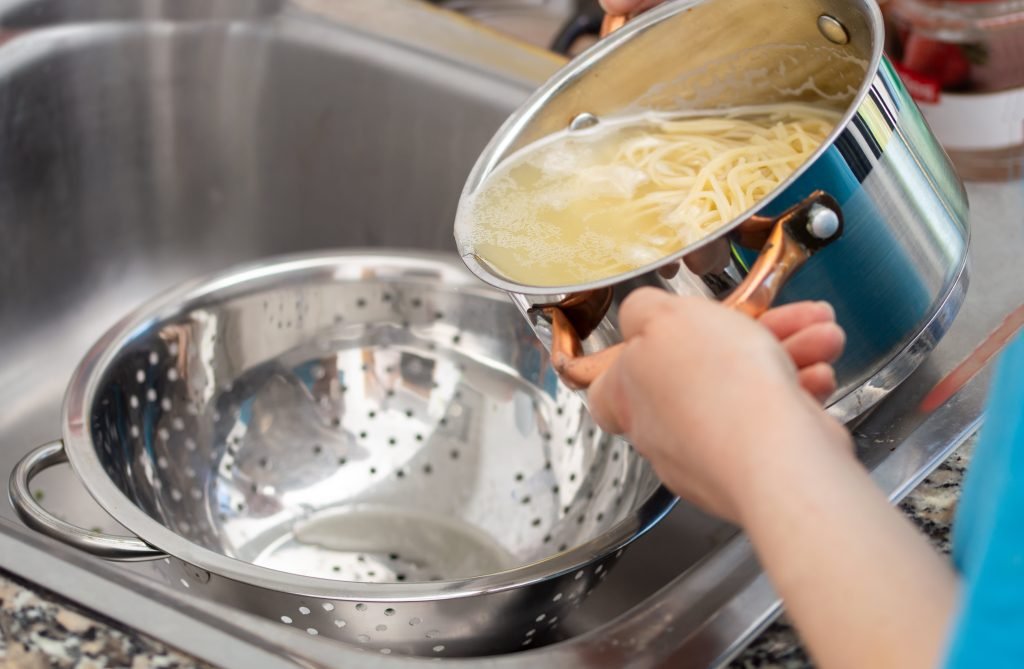
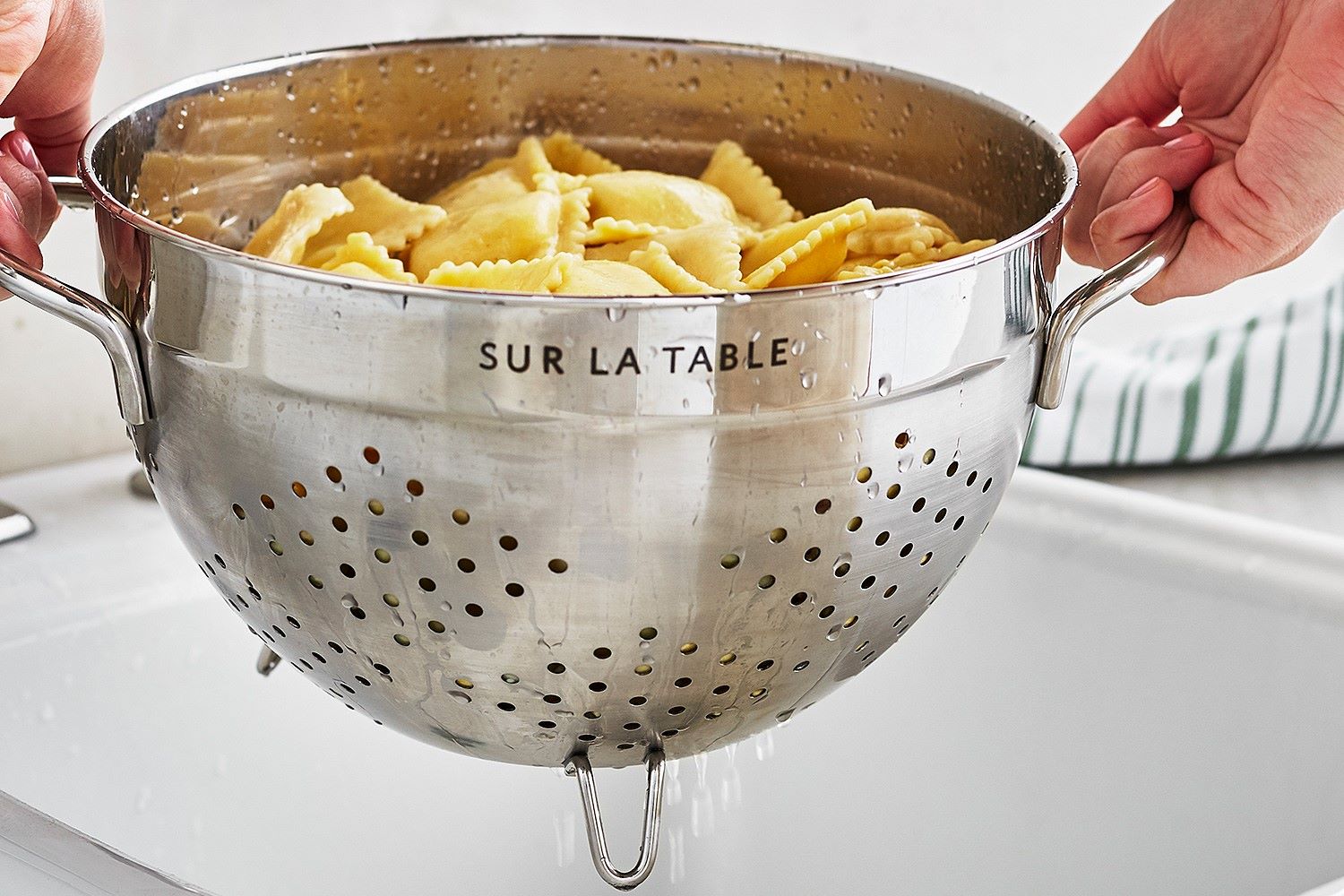
Pasta needs to be drained after cooking. A colander makes this process effortless. Place the colander in the sink. Pour the cooked pasta into it. Water flows out, leaving the pasta behind. This method prevents soggy pasta. It also ensures no boiling water spills.
Rinsing Vegetables And Fruits
Fresh produce often needs cleaning. A colander helps rinse vegetables and fruits quickly. Simply place the items in the colander. Run water over them. Dirt and pesticides wash away easily. This ensures clean, ready-to-eat produce. A colander’s design allows thorough rinsing.
Advanced Techniques
Advanced techniques elevate the humble colander beyond its basic uses. Explore creative ways to maximize its potential in your kitchen. These techniques offer practical solutions for everyday cooking challenges.
Steaming With A Colander
A colander can transform into a handy steamer. Place it over a pot with boiling water. Ensure the colander doesn’t touch the water. Cover the setup with a lid to trap steam. Vegetables cook evenly this way. Retain nutrients and flavors. This method simplifies steaming without specialized equipment.
Using As A Sifter
Use a colander to sift dry ingredients. Flour and powdered sugar often need sifting. Pour them into the colander. Shake or tap gently to sift. Break up clumps with a spoon if needed. This technique saves time and effort. A colander can substitute a conventional sifter effectively.
Credit: learn.surlatable.com
Cleaning And Maintenance
Cleaning and maintaining your colander ensures its longevity and hygiene. A well-maintained colander drains effectively and prevents unwanted residue. Regular cleaning keeps your kitchen tools safe and ready for use. Let’s delve into how to care for your colander.
Preventing Rust
Rust can damage your colander and affect food safety. After washing, dry your colander thoroughly with a towel. Store it in a dry area away from moisture. Using stainless steel colanders can minimize rust issues. Avoid soaking your colander for extended periods. This helps in keeping it rust-free and durable.
Dishwasher Safety
Check if your colander is dishwasher safe before placing it inside. Most metal and plastic colanders can go into the dishwasher. Use the top rack to avoid potential damage. Ensure the colander is secure to prevent movement during the wash. A gentle cycle is best to maintain the colander’s shape and integrity. Proper placement ensures a thorough clean.
Creative Uses
A colander can be a versatile kitchen tool beyond straining pasta. It works great for rinsing fruits and vegetables quickly. Also, consider using it to steam food by placing it over a pot of boiling water.
Have you ever thought about using a colander for something other than draining pasta or rinsing vegetables? This humble kitchen tool can be surprisingly versatile. With a little creativity, you can find unique ways to use a colander in various aspects of daily life. Dive into these crafty ideas and discover how a colander can be your unexpected ally in craft projects and gardening adventures.Craft Projects
Transform your colander into a centerpiece for your next craft project. Its perforated design makes it perfect for creating stunning lampshades. Simply fit a light bulb inside and watch how the light dances through the holes, casting intriguing patterns on your walls. You can also use a colander for organizing craft supplies. Turn it upside down and use the holes to hold brushes, scissors, and other tools. The open design lets you quickly spot what you need. Why not start your next DIY project by using a colander as a base for a festive wreath? Wrap it with ribbons, greenery, and ornaments. Its structure provides a stable base, ensuring your creation stands out.Garden Uses
Have you ever considered using a colander in your garden? It’s a fantastic tool for washing freshly harvested produce. The holes allow dirt and debris to fall away, leaving your vegetables clean and ready for the kitchen. A colander can also serve as a makeshift planter. Fill it with soil and plant herbs or small flowers. The drainage holes ensure your plants won’t get waterlogged, promoting healthy growth. Do you struggle with pest control? Use a colander to protect young plants. Place it over seedlings to shield them from curious critters while still allowing sunlight to reach them. Have you used a colander creatively in your home or garden? Share your ideas and inspire others to think outside the box!Common Mistakes To Avoid
Avoid pouring boiling water too quickly through the colander to prevent splashing. Always ensure the colander is stable in the sink to avoid spills. Remember to rinse food thoroughly to remove unwanted residues.
When using a colander, a few common mistakes can turn a simple task into a messy ordeal. These errors might seem trivial, yet they can affect your cooking efficiency. Avoiding them can save you from unnecessary stress and even enhance your culinary skills.Overfilling The Colander
It’s tempting to dump all your pasta or vegetables into the colander at once. But overfilling can lead to uneven draining. Imagine trying to strain spaghetti, only to find water pooling at the bottom because it’s overloaded. Instead, work in batches. By not overcrowding, you allow the water to drain more effectively, giving you perfectly strained ingredients every time.Using With Small Ingredients
Have you ever tried draining quinoa or tiny peas in a regular colander? You might have noticed half of them slipping through the holes. This can be frustrating and wasteful. Consider using a fine-mesh sieve for small ingredients. It’s designed to catch those tiny grains or small veggies, ensuring nothing gets lost down the sink. Have you ever thought about how a small change in your kitchen technique could save both time and ingredients? By avoiding these common mistakes, you enhance not just your cooking efficiency, but also your enjoyment in the kitchen.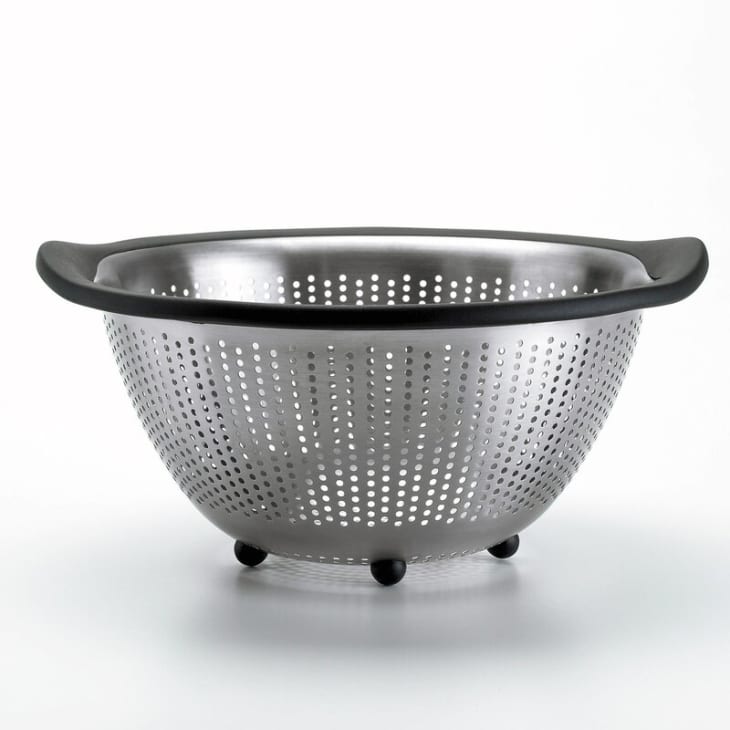
Credit: www.thekitchn.com
Frequently Asked Questions
How Does A Colander Work?
A colander strains liquids from foods, using small holes to allow water to escape while holding solids. It assists in rinsing and draining ingredients like pasta or vegetables efficiently, ensuring ease in food preparation. Durable materials like stainless steel or plastic enhance its functionality and longevity in kitchens.
When Should You Use A Colander Instead Of A Strainer?
Use a colander for draining pasta or rinsing large quantities of fruits and vegetables. Strainers work better for smaller items or when you need finer filtration, like sifting flour or straining tea. Both tools help remove excess liquid, but choose based on quantity and filtration needs.
How To Correctly Use A Strainer?
To use a strainer correctly, hold it above a bowl or sink. Pour the liquid or content through it. Ensure the handle is secure to avoid spills. Shake gently to remove excess liquid. Clean the strainer immediately after use to prevent residue buildup.
How To Drain Pasta With Colander?
Use a colander to drain pasta by placing it in the sink. Pour the pasta and water into the colander, letting the water flow out. Shake gently to remove excess water. Return the drained pasta to the pot or bowl for serving.
Conclusion
A colander is a simple kitchen tool with big uses. Straining pasta or rinsing fruits becomes easier. It helps in washing vegetables too. Choosing the right size is key. It should fit well in your sink. Stainless steel ones last longer.
Plastic colanders are lighter. Both work well for different tasks. Clean it after use to keep it hygienic. Store it in a dry place to avoid rust. Now you can enjoy cooking with ease. Happy cooking!

Hi, I’m Daniel Brooks—a food lover and kitchen gear enthusiast. I enjoy testing cookware, utensils, and gadgets to see what really works in everyday cooking. At PlugChef.com, I share honest reviews, comparisons, and simple guides to help you choose the best tools for a safer, smarter, and more enjoyable kitchen.
Related posts:
 What Type of Cooking Utensils are Safe: Expert Picks
 What Innovations Could Blenders Make: Unleashing Future Tech
 Smart Strategies to Organize a Small Kitchen: Maximize Space
 How to Organize a Kitchen Cabinet: Expert Tips & Tricks
 How to Organize Kitchen Drawers: Expert Tips and Tricks
 How to Organize a Corner Kitchen Cupboard: Expert Tips

