
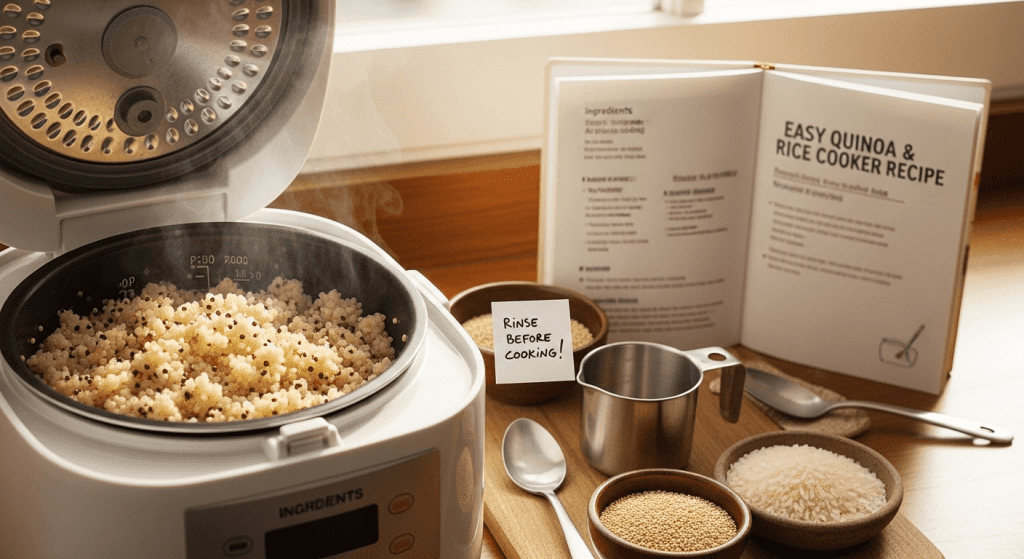
Are you ready to make cooking quinoa easier than ever? Using a rice cooker to prepare quinoa can save you time and effort, giving you perfectly fluffy grains every single time.
If you’ve struggled with boiling quinoa on the stove or worried about getting the texture just right, this method will change the way you cook. Keep reading, and you’ll discover simple steps that make cooking quinoa in your rice cooker a breeze—turning this superfood into a delicious, hassle-free part of your meals.
Your kitchen routine is about to get a whole lot simpler.

Choosing The Right Quinoa
Choosing the right quinoa is essential to get the best results in your rice cooker. The texture, flavor, and cooking time can change depending on the quinoa you pick. Understanding the differences will help you make a choice that fits your taste and cooking style.
Types Of Quinoa
Quinoa comes in several colors, each offering a unique taste and texture. The most common types are white, red, and black quinoa.
- White Quinoa:The mildest flavor and fluffiest texture. It cooks quickly and blends well with most dishes.
- Red Quinoa:Has a nuttier taste and holds its shape better after cooking. It’s perfect for salads and recipes where you want a bit of crunch.
- Black Quinoa:Earthier flavor and chewier texture. It adds a striking color contrast to your meals.
Which type matches your favorite dishes? Try each once to see what suits your palate.
Selecting Quality Grains
Look for quinoa that is clean and free from debris. Quality grains will have a consistent size and color.
Check if the quinoa is pre-rinsed or not. Rinsing removes the natural coating called saponin, which can taste bitter.
- Buy organic when possible to avoid pesticides.
- Store quinoa in airtight containers to keep it fresh longer.
Have you noticed how fresh quinoa cooks up fluffier and tastes better? Paying attention to grain quality can make your cooking easier and more enjoyable.

Credit: thewoksoflife.com
Preparing Quinoa For Cooking
Preparing quinoa properly before cooking is key to a fluffy and tasty dish. Quinoa has a natural coating called saponin, which can taste bitter if not removed. Cleaning quinoa helps to avoid this bitterness and improves its texture. Simple preparation steps can make a big difference in your cooking results.
Rinsing Techniques
Rinsing quinoa removes the bitter saponin layer. Use a fine mesh strainer to hold the tiny grains. Run cold water over quinoa while gently rubbing the seeds. Continue rinsing until the water runs clear. This ensures most of the bitter coating is washed away. Proper rinsing prevents unpleasant flavors and enhances quinoa’s natural nutty taste.
Soaking Benefits
Soaking quinoa before cooking helps soften the grains. It reduces cooking time and improves digestibility. Soak quinoa in water for about 15 to 30 minutes. After soaking, drain the water completely. This step also helps to remove any leftover saponins. Soaked quinoa cooks evenly and becomes tender without sticking together.
Setting Up Your Rice Cooker
Rinse quinoa well before placing it in the rice cooker. Use a 2:1 water-to-quinoa ratio for fluffy results. Press start and let the cooker finish; quinoa will be tender and ready.
Setting up your rice cooker is key to cooking perfect quinoa. A well-prepared rice cooker ensures quinoa cooks evenly and retains its fluffy texture. Let’s explore the setup process, starting with choosing the right rice cooker model.
Rice Cooker Models Suitable For Quinoa
Not all rice cookers handle quinoa well. Choose models with a “grain” or “multi-grain” setting. These settings adjust cooking times for grains like quinoa. Look for cookers with non-stick bowls. This prevents quinoa from sticking. Consider models with a steaming basket. It allows you to steam vegetables while cooking quinoa.
Adjusting Water-to-quinoa Ratio
The water-to-quinoa ratio is crucial. Start with a 2:1 ratio. Two cups of water for every cup of quinoa. Some models may require slight adjustments. Check the user manual for guidance. Rinse quinoa thoroughly before cooking. Rinsing removes bitterness and enhances flavor. Add rinsed quinoa and water to the cooker. Stir gently to mix. Close the lid and select the appropriate setting. Your rice cooker does the rest. Enjoy perfectly cooked quinoa every time.
Cooking Quinoa Step-by-step
Cooking quinoa in a rice cooker is surprisingly simple and yields perfectly fluffy grains every time. The key lies in understanding the right balance of ingredients, settings, and timing. Let’s break down the process so you can enjoy quinoa without any guesswork.
Adding Ingredients
Start by rinsing your quinoa thoroughly under cold water. This removes the natural coating called saponin, which can make quinoa taste bitter. Use about 1 cup of quinoa and add 1.5 cups of water or broth to your rice cooker for the best texture.
Want to boost flavor? Add a pinch of salt, a splash of olive oil, or a small clove of garlic. These simple touches can elevate your quinoa from plain to delicious without extra effort.
Choosing Cooking Settings
Most rice cookers have a “white rice” or “normal” setting that works well for quinoa. If your cooker has a “quick cook” option, avoid it, as quinoa needs gentle heat to cook evenly. Some advanced rice cookers even have a “quinoa” setting—try it if yours does.
If your rice cooker has a timer, set it to about 15-20 minutes. The goal is to let the quinoa absorb all the liquid without drying out or sticking to the bottom.
Timing Tips
Once the cooking cycle finishes, let the quinoa sit with the lid closed for 5-10 minutes. This resting time helps steam the grains fully and makes them fluffier. Resist the urge to open the lid immediately.
After resting, fluff the quinoa gently with a fork. How does it look? Are the grains separate and light or clumped together? Adjust water slightly next time based on this result. What’s your perfect quinoa texture?
Fluffing And Serving Quinoa
Fluffing and serving quinoa properly can make a big difference in your meal experience. After cooking quinoa in a rice cooker, it’s important to separate the grains to avoid a mushy texture. How you fluff and serve quinoa can turn a simple dish into a tasty, inviting side or main course.
Fluffing Methods
Use a fork to gently fluff the quinoa right after cooking. This helps separate the grains without crushing them. Avoid using a spoon or spatula, which can mash the quinoa and make it sticky.
Let the quinoa sit with the rice cooker lid open for a few minutes before fluffing. This allows excess steam to escape, preventing sogginess. You can also gently toss the quinoa with your fork to mix in any seasoning evenly.
Have you ever noticed that quinoa sometimes clumps together? Fluffing it properly solves this problem and improves the texture significantly.
Serving Suggestions
- Salads:Cool the quinoa and mix it with fresh vegetables, herbs, and a light dressing for a refreshing salad.
- Breakfast bowls:Combine quinoa with fruits, nuts, and a drizzle of honey or maple syrup for a nutritious start to your day.
- Side dish:Serve quinoa alongside grilled chicken or roasted vegetables, seasoning it simply with olive oil, lemon juice, salt, and pepper.
- Stuffed peppers:Use quinoa as a base for stuffing bell peppers with veggies, cheese, or meat for a hearty meal.
What’s your favorite way to enjoy quinoa? Trying different serving ideas can keep your meals exciting and healthy.

Credit: zencookingunderpressure.wordpress.com
Troubleshooting Common Issues
Cooking quinoa in a rice cooker is simple, but sometimes issues arise. Common problems include mushy quinoa or grains that are undercooked. These issues can affect texture and taste. Knowing how to fix them improves your cooking results. Here are solutions to help you troubleshoot common quinoa cooking problems.
Dealing With Mushy Quinoa
Mushy quinoa usually means there is too much water. The rice cooker may have used extra liquid or cooked quinoa too long. To avoid mushiness:
- Use a water-to-quinoa ratio of about 2:1 or less.
- Rinse quinoa well before cooking to remove excess starch.
- Stop the cooker as soon as it switches to “warm” mode.
If quinoa is already mushy, spread it on a baking sheet to dry. Fluff with a fork to separate the grains. This helps improve texture before serving.
Handling Undercooked Grains
Undercooked quinoa means the grains are hard or crunchy. This happens when there is too little water or cooking time. To fix undercooked quinoa:
- Add a few tablespoons of water to the cooker.
- Turn the rice cooker back on and cook for 5 to 10 minutes.
- Check quinoa often to avoid overcooking.
Using the right water amount and allowing the cooker to finish its cycle helps prevent undercooking. Rinsing quinoa before cooking also helps grains cook evenly.
Enhancing Flavor And Texture
Enhancing the flavor and texture of quinoa cooked in a rice cooker can transform a simple side dish into a memorable meal. Small tweaks to your cooking liquid and seasoning can make a big difference in taste and mouthfeel. Let’s look at some practical ways to boost your quinoa’s appeal without adding extra fuss.
Using Broth Instead Of Water
Swapping plain water for broth is an easy upgrade that adds depth to your quinoa. Chicken, vegetable, or beef broth infuses every grain with savory notes, making your dish more flavorful.
Think about the last time you used broth instead of water in cooking rice or pasta. Did you notice how it enriched the overall taste? The same principle applies to quinoa, giving it a richer, more satisfying flavor.
If you want to keep things light, low-sodium broth gives you control over salt levels while still enhancing flavor. Experiment with different broths to find your favorite combination.
Adding Herbs And Spices
Simple herbs and spices can change the texture and flavor profile of quinoa dramatically. Adding fresh or dried herbs like thyme, rosemary, or parsley gives a fresh, aromatic touch.
Spices such as cumin, turmeric, or smoked paprika add warmth and complexity. You can toss these directly into the rice cooker before you start it, allowing the flavors to meld during cooking.
Think about what dishes you usually enjoy—do they have a particular spice or herb that stands out? Adding that to your quinoa could create a delightful harmony. Don’t be afraid to try bold flavors; a pinch of chili flakes can add a surprising kick.
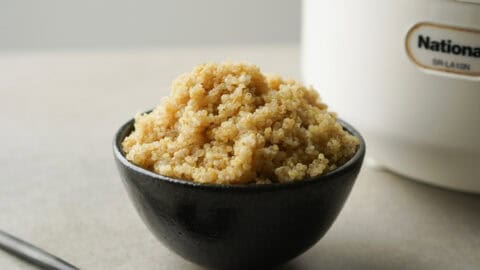
Credit: www.hungryhuy.com
Frequently Asked Questions
How Do I Cook Quinoa In A Rice Cooker?
Rinse quinoa under cold water to remove bitterness. Add quinoa and water in a 1:2 ratio. Turn on the rice cooker and cook until it switches to warm mode. Let it sit for 5 minutes before fluffing with a fork.
Can I Use The Same Water Ratio As Rice?
No, quinoa requires a 1:2 ratio of quinoa to water. Rice usually needs less water. Using this ratio ensures quinoa cooks perfectly without being mushy or undercooked in a rice cooker.
Should I Soak Quinoa Before Cooking It?
Soaking quinoa is optional but recommended. It reduces cooking time and improves digestibility. If soaked, reduce the cooking water slightly. Soaking for 15-30 minutes works well in a rice cooker setup.
How Long Does Quinoa Take To Cook In A Rice Cooker?
Quinoa typically takes 15-20 minutes to cook in a rice cooker. The cooker will automatically switch to warm mode when done. Let quinoa rest for 5 minutes before serving for best texture.
Conclusion
Cooking quinoa in a rice cooker saves time and effort. Just rinse quinoa well before cooking. Add the right water amount for fluffy grains. Press the cook button and wait for it to finish. Fluff with a fork once done.
You get a healthy, tasty side dish fast. This simple method fits any busy kitchen. Try it today for easy, nutritious meals.

I’m Abby Lu, a passionate home cook who loves simplifying everyday meals. At PlugChef.com, I share product reviews and cooking guides to help you find the best tools for your kitchen.
Related posts:
 What Type of Cooking Utensils are Safe: Expert Picks
 What Innovations Could Blenders Make: Unleashing Future Tech
 Smart Strategies to Organize a Small Kitchen: Maximize Space
 How to Organize a Kitchen Cabinet: Expert Tips & Tricks
 How to Organize Kitchen Drawers: Expert Tips and Tricks
 How to Organize a Corner Kitchen Cupboard: Expert Tips

