
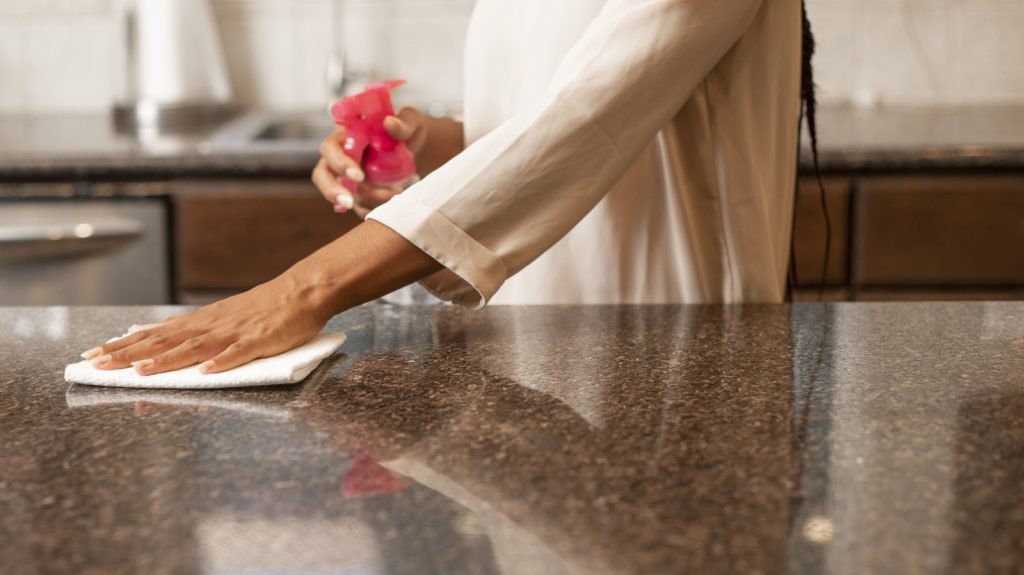
Your granite countertop is more than just a beautiful surface—it’s where you prepare meals, gather with family, and create memories. But how often do you stop to think about keeping it truly clean and safe?
Disinfecting your granite properly isn’t as simple as wiping it down with any cleaner. Using the wrong products can damage its natural shine or even cause stains. You’ll discover easy, effective ways to disinfect your granite countertop without harming it.
By the end, you’ll feel confident maintaining a spotless, germ-free kitchen space that looks great and stays healthy for you and your loved ones. Keep reading to learn the best tips that protect both your granite and your family’s health.
Credit: www.pinesol.com
Choosing The Right Cleaner
Choosing the right cleaner is key for disinfecting granite countertops safely. Granite is a natural stone that needs gentle care to keep its shine and strength. Harsh cleaners can damage the surface or dull its finish. A proper cleaner kills germs without harming your countertop. It also keeps the stone sealed and protected from stains and cracks.
Safe Ingredients For Granite
Look for cleaners with these safe ingredients for granite:
- Water-based solutions
- Mild dish soap
- Isopropyl alcohol (70% or less)
- Hydrogen peroxide in low concentration
- Essential oils like lemon or tea tree (in small amounts)
These ingredients clean well without wearing down granite. They help remove dirt and germs gently.
Avoiding Harsh Chemicals
Avoid cleaners with these harsh chemicals:
- Bleach
- Ammonia
- Vinegar or acidic solutions
- Abrasive powders or scrubs
- Strong solvents
Such chemicals can etch or dull granite’s surface. They may cause permanent damage or discoloration. Using harsh cleaners often leads to costly repairs. Stick to gentle cleaners made for stone surfaces only.

Credit: mpgstone.com
Preparing The Surface
Preparing the surface is the first crucial step in disinfecting granite countertops. A clean and dry countertop ensures that disinfectants work effectively. Dirt and debris can block the disinfecting agents from reaching the surface properly. Taking time to prepare the surface protects the granite and improves hygiene.
Removing Debris And Dirt
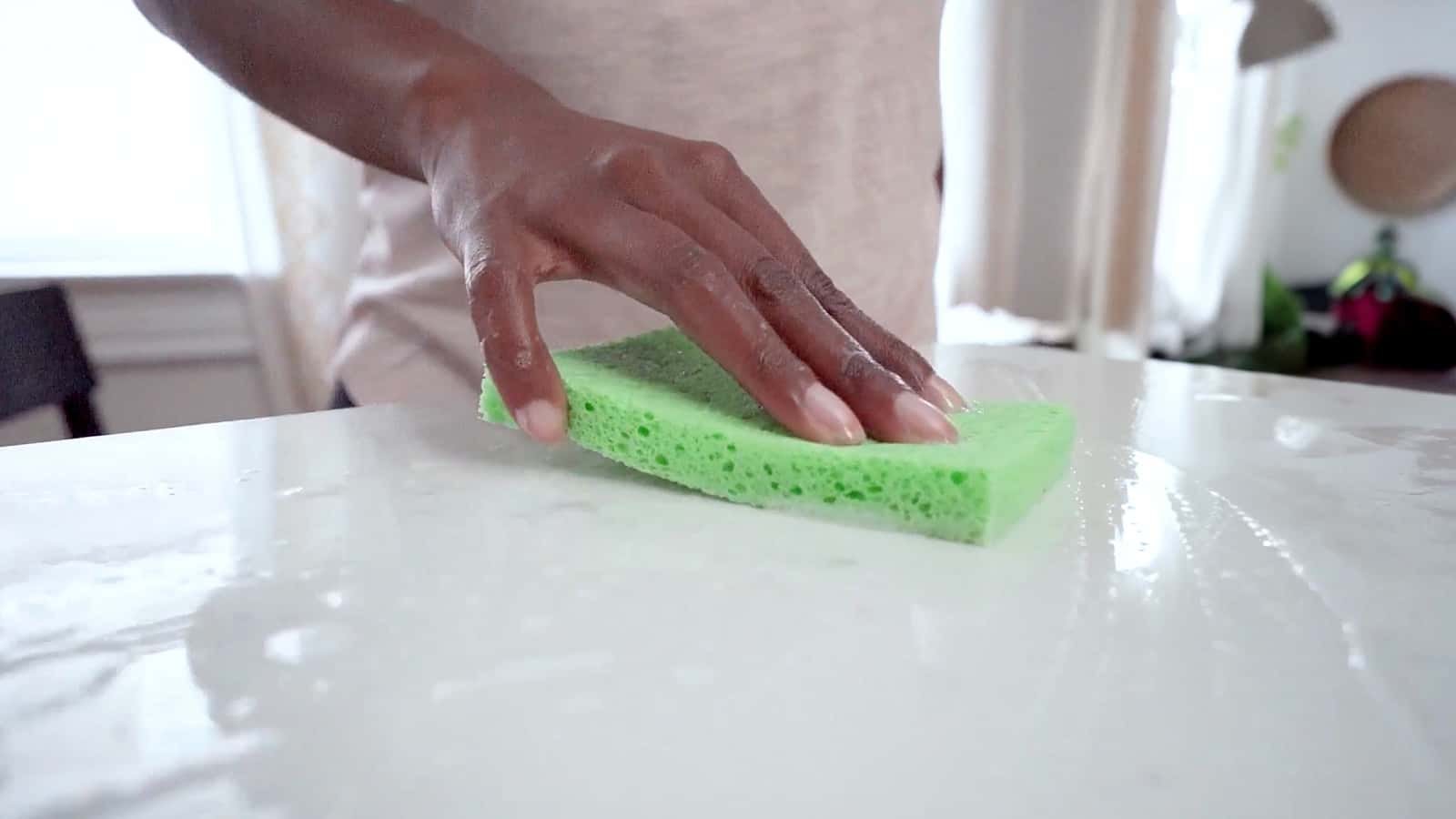
Start by clearing the countertop of any loose items. Use a soft cloth or sponge to wipe away crumbs and dust. Avoid abrasive scrubbers that can scratch the granite. Use warm water mixed with a gentle dish soap to clean any sticky spots. Rinse the surface with clean water to remove soap residue. This step clears the way for better disinfection.
Drying The Countertop
After cleaning, dry the granite thoroughly with a soft towel. Moisture can dilute disinfectants and reduce their strength. A dry surface prevents streaks and water spots. Make sure every corner is dry before applying any disinfectant. This step helps maintain the granite’s shine and protects it from damage.
Effective Disinfection Methods
Granite countertops need gentle cleaning to avoid damage. Use a mild soap and warm water, then wipe with a soft cloth. Avoid harsh chemicals to keep the surface smooth and shiny.
Maintaining the pristine appearance of your granite countertop involves more than just a casual wipe-down. A careful approach to disinfection can preserve its natural beauty while keeping it hygienic. Let’s explore some effective methods to disinfect your granite surfaces without causing harm or dulling the finish.Using Isopropyl Alcohol Solutions
Isopropyl alcohol is a powerful disinfectant that effectively kills germs without damaging granite. Mix equal parts of 70% isopropyl alcohol and water in a spray bottle. Spray the solution onto your countertop, ensuring an even coat. Allow it to sit for three to five minutes to break down germs, then wipe it clean with a microfiber cloth. This method not only disinfects but also leaves a streak-free shine.Natural Disinfectants For Granite
For those preferring natural solutions, several options can safely disinfect granite. A mixture of water and a few drops of dish soap offers a mild cleaning solution. For enhanced disinfection, add a few drops of essential oils like tea tree or lavender, known for their antibacterial properties. Always ensure the solution is well mixed and wipe with a soft cloth to avoid streaks. Consider trying a homemade vinegar-free solution if you’re wary of acidity affecting your granite. Simple ingredients, such as baking soda and water, can offer a gentle yet effective clean. By utilizing these methods, you can maintain a sparkling and germ-free granite countertop. What method will you try next to keep your kitchen both beautiful and safe?Step-by-step Disinfection Process
Disinfecting your granite countertop carefully ensures it stays both beautiful and safe for food preparation. The process requires attention to detail and gentle handling to avoid damaging the stone. Let’s walk through the crucial actions you need to take for effective disinfection.
Application Techniques
Start by selecting a gentle disinfectant suitable for granite, such as a mix of isopropyl alcohol and water or a mild dish soap solution. Apply the solution evenly using a soft cloth or spray bottle. Avoid harsh scrubbing, which can wear down the sealant on your granite.
Make sure every inch of the countertop surface gets covered. If you have stubborn spots, let the disinfectant sit briefly before wiping, rather than rubbing aggressively. This preserves the stone’s finish while eliminating germs.
Allowing Proper Contact Time
Disinfectants need time to work effectively. After applying, let the solution remain on your granite surface for at least 3 to 5 minutes. This waiting period is essential to kill bacteria and viruses thoroughly.
Do you often rush through cleaning and wonder if it’s truly effective? Giving the disinfectant enough time is a small habit that makes a big difference. Resist the urge to wipe it off immediately after spraying.
Rinsing And Drying
Once the contact time has passed, rinse your countertop with clean water to remove any leftover disinfectant. Use a damp cloth rather than pouring water directly, to prevent water from seeping into seams or edges.
After rinsing, dry the surface with a soft, dry towel to avoid water spots and streaks. Keeping your granite dry also helps maintain its shine and prevents potential damage over time.
Maintaining Granite’s Shine And Integrity
Maintaining the shine and integrity of your granite countertop is essential to keep it looking stunning and lasting for years. Granite is a natural stone that can lose its luster if not cared for properly. Knowing how to protect and clean it without causing damage helps you enjoy its beauty every day.
Sealing Tips
Sealing your granite countertop creates a protective barrier that prevents stains and damage. Use a high-quality granite sealer designed specifically for natural stone surfaces. Apply it evenly with a soft cloth or sponge, and let it soak in for 15-20 minutes before wiping off the excess.
Check your countertop’s water absorption by sprinkling a few drops of water on the surface. If the water beads up, your sealer is still effective. If it soaks in quickly, it’s time to reseal. This simple test can save you from costly repairs later.
Avoiding Damage During Cleaning
Not all cleaners are safe for granite. Avoid acidic or abrasive products like vinegar, lemon juice, or bleach, as they can dull the finish or etch the stone. Instead, opt for a gentle pH-balanced cleaner or just warm water with a small amount of mild dish soap.
Use soft cloths or sponges rather than rough scrubbing pads. Even a small scratch can disrupt the smooth surface and make dirt harder to remove. Have you ever noticed tiny marks on your countertop after using harsh scrubbers? That’s a sign to switch to gentler tools.
Remember, wiping spills quickly helps prevent stains and keeps the granite looking fresh. The longer liquids sit, the more likely they will seep into the stone and cause damage. How often do you clean your countertop after cooking or meal prep?

Credit: www.youtube.com
Frequency Of Disinfection
Keeping your granite countertop clean is key to preserving its beauty and safety. Disinfection frequency depends on daily use and the type of activities on the surface. Regular cleaning removes dirt and spills, but disinfection kills germs and bacteria that can build up over time. Adjust your cleaning routine based on how often you use the countertop and the risk of contamination.
Daily Maintenance
Wipe the granite surface every day with a soft cloth and mild soap. This removes crumbs, spills, and light stains before they set. Avoid harsh chemicals that can damage the granite. Use a spray bottle with water and a few drops of dish soap for easy cleaning. Dry the surface with a clean towel to prevent water spots. Daily wiping keeps the countertop fresh and reduces bacteria growth.
Deep Cleaning Schedule
Disinfect the granite countertop at least once a week for thorough cleaning. Use a granite-safe disinfectant or a solution of 70% isopropyl alcohol and water. Spray the solution, let it sit for 3-5 minutes, then wipe with a soft cloth. Avoid bleach or ammonia, which can dull the granite finish. Deep cleaning removes germs that daily wiping may miss. Increase frequency if you prepare raw meat or have frequent spills.
Frequently Asked Questions
How Do I Safely Disinfect Granite Countertops?
Use a mixture of isopropyl alcohol and water. Spray gently, let it sit for 3-5 minutes, then wipe with a soft cloth. Avoid harsh chemicals that can damage the granite surface.
Can I Use Bleach On Granite Countertops?
No, bleach is too harsh and can dull or etch granite surfaces. Instead, use a mild disinfectant like diluted isopropyl alcohol or a granite-specific cleaner.
How Often Should I Disinfect Granite Countertops?
Disinfect granite countertops after food preparation or spills. Regular cleaning plus weekly disinfection keeps your surface hygienic and safe.
What Is The Best Cleaner For Granite Countertops?
A pH-balanced, non-abrasive cleaner or a mix of warm water and mild dish soap works best. Avoid acidic or abrasive cleaners to protect granite.
Conclusion
Disinfecting granite countertops keeps your kitchen clean and safe. Use gentle cleaners to avoid damage. Regular cleaning helps stop germs from spreading. Always wipe surfaces dry after disinfecting. Small efforts protect your family’s health. Keep these tips in mind for lasting results.
Clean granite looks beautiful and lasts longer. Simple steps make a big difference every day.

Hi, I’m Daniel Brooks—a food lover and kitchen gear enthusiast. I enjoy testing cookware, utensils, and gadgets to see what really works in everyday cooking. At PlugChef.com, I share honest reviews, comparisons, and simple guides to help you choose the best tools for a safer, smarter, and more enjoyable kitchen.
Related posts:
 What Type of Cooking Utensils are Safe: Expert Picks
 What Innovations Could Blenders Make: Unleashing Future Tech
 Smart Strategies to Organize a Small Kitchen: Maximize Space
 How to Organize a Kitchen Cabinet: Expert Tips & Tricks
 How to Organize Kitchen Drawers: Expert Tips and Tricks
 How to Organize a Corner Kitchen Cupboard: Expert Tips

