
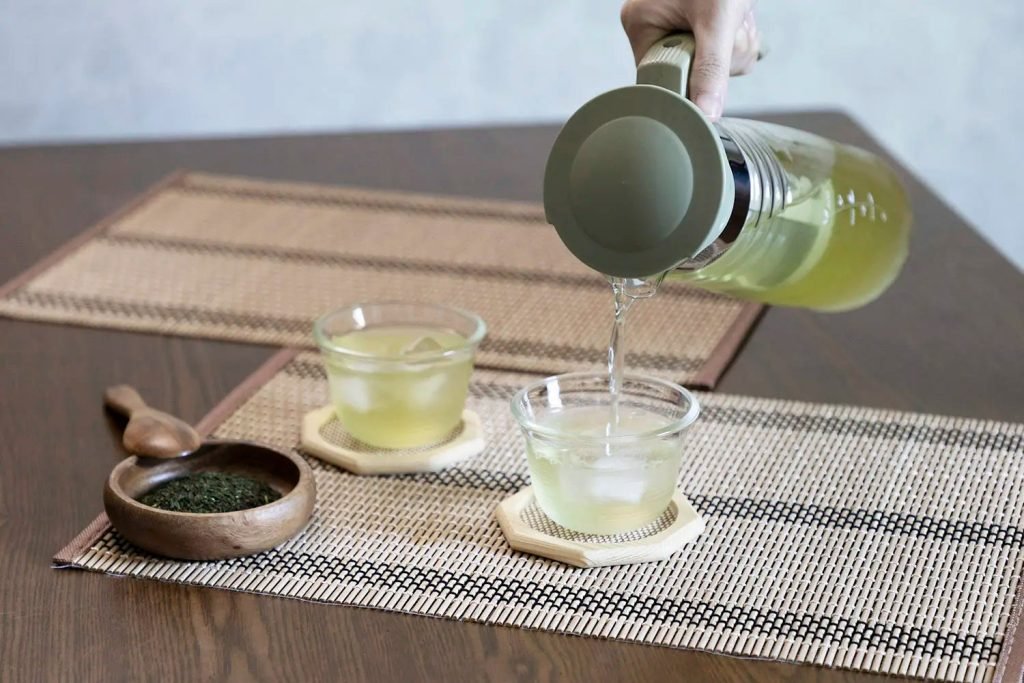
Are you ready to enjoy a perfect cup of green tea that refreshes your mind and boosts your health? Brewing green tea might seem simple, but getting it just right can make all the difference.
Whether you’re new to green tea or want to improve your brewing skills, this guide will show you easy steps to unlock its full flavor and benefits. Keep reading, and you’ll discover how to make your green tea experience truly satisfying every single time.
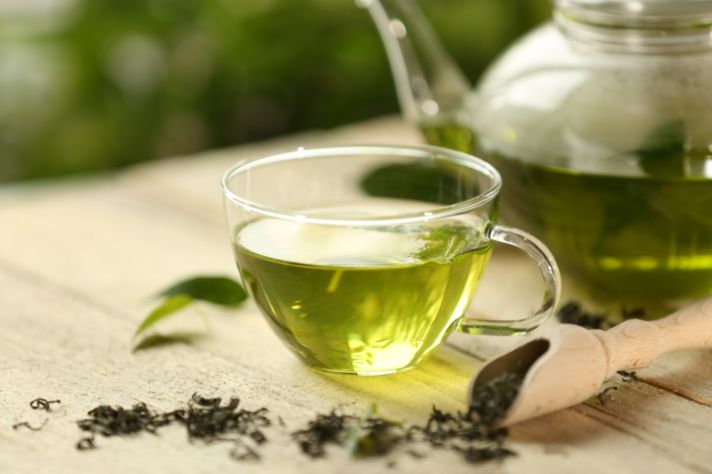
Credit: leafteashop.co.uk
Choosing The Right Green Tea
Choosing the right green tea is key to brewing a cup that excites your taste buds and boosts your well-being. The variety you pick affects flavor, aroma, and health benefits. Understanding what’s available helps you find the green tea that fits your mood and preference perfectly.
Types Of Green Tea Leaves
Green tea comes in many types, each with its unique character. Sencha is fresh and grassy, perfect for daily enjoyment. Matcha offers a rich, creamy experience since you drink the whole leaf ground into powder.
Gyokuro is a shade-grown tea with a sweet and delicate taste. Longjing (Dragon Well) delivers a toasty, nutty flavor, favored in China. Trying different types can reveal what suits your palate best—are you drawn to bold or subtle flavors?
Loose Leaf Vs. Tea Bags
Loose leaf green tea often provides a fresher, more vibrant taste. The larger leaves allow better water flow, releasing more flavor. Tea bags are convenient but may contain smaller, broken leaves or dust, which can taste bitter.
If you value quality and flavor, loose leaf is worth the small extra effort. However, if you’re pressed for time, premium tea bags can still deliver a satisfying cup. What’s your priority: convenience or flavor depth?
Quality Indicators
Look for bright green leaves with a fresh, grassy aroma—signs of good quality. Avoid dull, brownish leaves that indicate staleness or poor processing. Check packaging dates; fresher tea means better flavor.
Organic certification can also signal fewer pesticides and a cleaner taste. Some teas come with harvest dates or origin details, helping you track freshness and authenticity. How much does quality matter in your daily tea ritual?

Credit: www.japanesegreenteain.com
Water Selection And Preparation
Water plays a key role in brewing green tea. The right water brings out the tea’s fresh and delicate flavors. Poor water quality can make the tea taste flat or bitter. Preparing water properly ensures a smooth and enjoyable cup every time.
Best Water For Brewing
Use fresh, clean water for brewing green tea. Avoid water that tastes or smells strange. Filtered or spring water works best. Tap water with strong chlorine or minerals can change the tea’s taste.
- Use soft water with low mineral content
- Avoid hard water with high calcium or magnesium
- Use water that tastes neutral and fresh
- Do not reuse water from previous boils
Water Temperature Tips
Green tea needs lower water temperature than black tea. Too hot water burns the leaves and makes the tea bitter. Too cold water won’t extract flavors well.
| Green Tea Type | Ideal Water Temperature |
|---|---|
| Sencha | 70–80°C (158–176°F) |
| Gyokuro | 50–60°C (122–140°F) |
| Matcha | 75–80°C (167–176°F) |
| Bancha | 80–85°C (176–185°F) |
Let boiled water cool before pouring over the tea leaves. Use a thermometer or wait 2–3 minutes after boiling. This step helps keep the tea smooth and flavorful.
Measuring Tea Leaves
Measure about one teaspoon of green tea leaves per cup to ensure the right flavor. Too many leaves can make the tea bitter, while too few make it weak. Accurate measuring helps achieve a balanced and tasty brew.
Measuring tea leaves is crucial for brewing the perfect cup of green tea. The right amount ensures a balanced flavor, neither too weak nor too strong. Let’s explore how to measure your tea leaves for an ideal brew.Ideal Quantity Per Cup
Use one teaspoon of loose green tea leaves per 8-ounce cup of water. This measurement provides a balanced taste and aroma. It helps maintain the delicate flavors of green tea. If using a tea bag, one bag per cup is sufficient. Ensure the leaves are not packed tightly in the spoon. A gentle scoop gives you the correct amount.Adjusting For Strength
Some prefer their tea stronger or lighter. Adjust the amount of tea leaves to suit your taste. For a stronger flavor, use one and a half teaspoons per cup. If you like it milder, reduce to half a teaspoon. Taste test by brewing small amounts to find your preferred strength. Adjustments can make your tea experience more enjoyable.Brewing Techniques
Mastering the brewing techniques can dramatically change your green tea experience. The way you steep, the equipment you use, and how you manage the brewing time all affect the flavor and benefits of your tea. Small adjustments can bring out the delicate, fresh notes that make green tea so enjoyable.
Steeping Time Guidelines
Green tea is sensitive to steeping time. Typically, 2 to 3 minutes is ideal for most green teas, but some delicate varieties like Japanese sencha may only need 1 to 2 minutes. Steeping longer can cause bitterness, while too short might leave it weak and flat.
Try starting with 2 minutes and adjust based on your taste. Do you prefer a stronger or lighter cup? Keep notes on what timing works best for each type of green tea you try.
Using A Teapot Or Infuser
A teapot with a built-in strainer or a separate infuser keeps tea leaves contained while allowing water to circulate freely. This promotes even extraction and enhances flavor. Ceramic or glass teapots are great because they don’t affect the taste of your brew.
If you’re using an infuser, make sure it’s large enough so the leaves can expand fully. Crowding leaves can result in uneven steeping and a weaker taste. What kind of teaware do you find most comfortable to use?
Avoiding Oversteeping
Oversteeping green tea is one of the most common mistakes and the quickest way to get a bitter, unpleasant brew. Pay close attention to your timer and remove the leaves as soon as the steeping time ends. If you like stronger tea, try adding more leaves instead of letting it steep longer.
Have you ever tasted green tea that felt harsh or astringent? That’s likely due to oversteeping. Keeping a consistent routine helps you avoid this and enjoy the smooth, refreshing qualities green tea offers.
Enhancing Flavor
Enhancing the flavor of your green tea can turn a simple cup into a delightful experience. Small additions can bring out new dimensions in taste, making each sip more enjoyable. Have you ever thought about what subtle changes might elevate your daily brew?
Adding Natural Sweeteners
If you find green tea a bit too bitter, adding natural sweeteners can balance the flavor without overwhelming its delicate notes. Try a drizzle of honey or a splash of agave syrup for a smooth, gentle sweetness.
Maple syrup offers a richer taste that pairs well with the grassy undertones of green tea. You might also experiment with a small amount of stevia for a calorie-free option. Remember, start with a little—you can always add more if needed.
Incorporating Herbs And Spices
Herbs and spices can add surprising twists to your green tea. Fresh mint leaves bring a refreshing coolness that brightens the brew, perfect for warmer days.
A pinch of cinnamon or a slice of ginger adds warmth and depth. These spices not only enhance flavor but can boost your tea’s health benefits. Have you tried mixing green tea with a hint of lemongrass or basil for a unique taste?
Serving And Storage
Serving and storing green tea correctly keeps its flavor fresh and vibrant. Proper handling ensures the best taste with every cup. It also helps maintain the tea’s health benefits and aroma.
Best Practices For Serving
Serve green tea warm, not boiling hot. Aim for about 140-160°F (60-70°C). Pour the tea gently to avoid breaking the leaves. Use a clean teapot or cup for each serving. Avoid leaving brewed tea out too long. Freshly brewed tea tastes best within 30 minutes. Serve with small snacks like light biscuits or fruits to enhance the experience.
Storing Brewed Tea
Store any leftover brewed tea in a clean, airtight container. Keep it in the refrigerator to slow down spoilage. Consume within 24 hours to enjoy the best flavor. Avoid leaving brewed tea at room temperature for long. Reheating tea can alter its taste and reduce benefits. Use glass or stainless steel containers for storage.
Preserving Loose Leaves
Keep loose green tea leaves in a cool, dry place. Store them in an airtight container away from sunlight. Avoid moisture, heat, and strong odors to maintain freshness. Use opaque containers to block light exposure. For best results, consume loose leaves within six months. Proper storage preserves flavor and antioxidants.
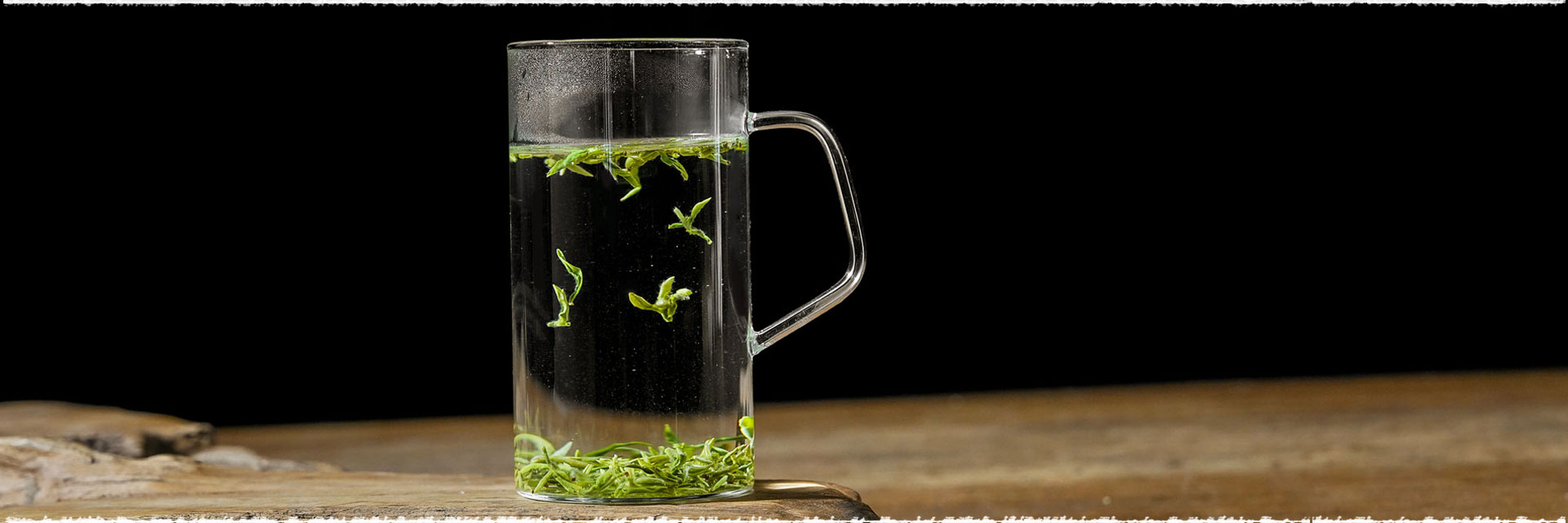
Credit: www.teavivre.com
Frequently Asked Questions
How Long Should I Steep Green Tea?
Steep green tea for 2 to 3 minutes to avoid bitterness. Use water at 160-180°F for best flavor. Oversteeping extracts tannins, making the tea bitter and less enjoyable.
What Water Temperature Is Best For Green Tea?
Use water between 160°F and 180°F. Boiling water can burn green tea leaves. This temperature range preserves delicate flavors and antioxidants.
How Much Green Tea Should I Use Per Cup?
Use about 1 teaspoon of green tea leaves per 8-ounce cup. This amount balances flavor intensity and avoids a weak or overly strong brew.
Can I Reuse Green Tea Leaves For Brewing?
Yes, you can reuse green tea leaves 1-2 times. Each steeping reveals different flavors but use slightly longer steeping times for subsequent brews.
Conclusion
Brewing green tea is simple and rewarding. Use fresh water heated to the right temperature. Steep the leaves just long enough for flavor. Too hot or too long makes it bitter. Enjoy the natural taste and health benefits. Practice a few times to find your best brew.
A calm moment with green tea refreshes your day. Small steps bring great tea experiences. Keep exploring different leaves and methods. Your perfect cup is waiting to be made.

Hi, I’m Daniel Brooks—a food lover and kitchen gear enthusiast. I enjoy testing cookware, utensils, and gadgets to see what really works in everyday cooking. At PlugChef.com, I share honest reviews, comparisons, and simple guides to help you choose the best tools for a safer, smarter, and more enjoyable kitchen.
Related posts:
 What Type of Cooking Utensils are Safe: Expert Picks
 What Innovations Could Blenders Make: Unleashing Future Tech
 Smart Strategies to Organize a Small Kitchen: Maximize Space
 How to Organize a Kitchen Cabinet: Expert Tips & Tricks
 How to Organize Kitchen Drawers: Expert Tips and Tricks
 How to Organize a Corner Kitchen Cupboard: Expert Tips

