
Are you confused about choosing between fryer chicken and roaster chicken for your next meal? You’re not alone.
Knowing the difference can change the way you cook and enjoy your chicken. Whether you want juicy, tender meat or something perfect for slow roasting, understanding these two types will help you make the best choice. Keep reading to discover which chicken suits your taste and cooking style best.
Your next delicious meal starts here!
Chicken Types Compared
Understanding the differences between fryer chicken and roaster chicken helps in choosing the right type for your meal. Both types come from young chickens but differ in size, texture, and cooking methods. This section compares their key features to guide your cooking choices.
What Makes Fryer Chicken Unique
Fryer chickens are young and small, usually under 10 weeks old. Their weight ranges from 2.5 to 4 pounds. These chickens have tender meat and a mild flavor. Their skin is thin and soft, which crisps well during frying or quick roasting. Fryers cook fast due to their small size. They suit recipes like fried chicken, grilling, or stir-frying. The texture is juicy and easy to chew, perfect for quick meals.
Characteristics Of Roaster Chicken
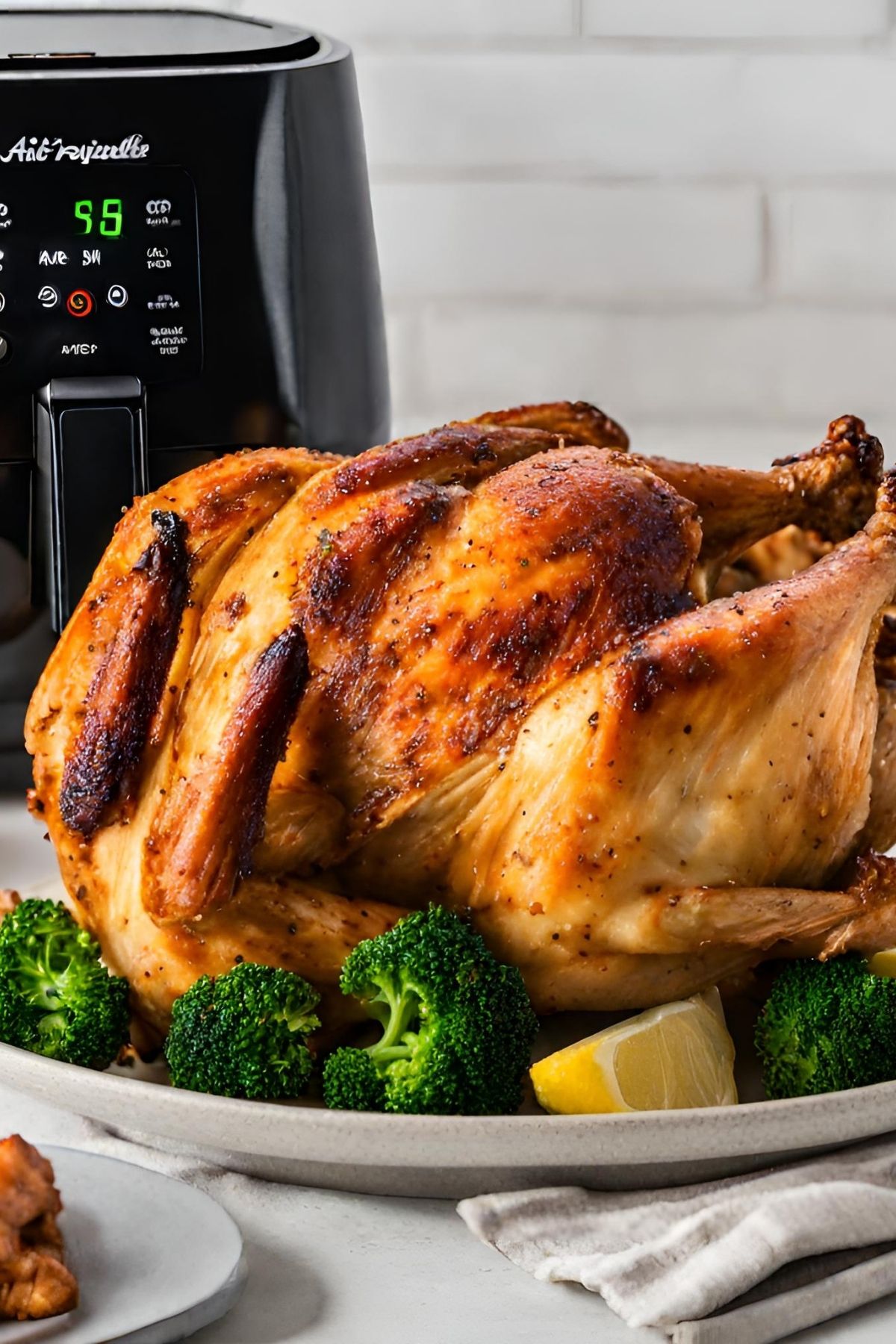
Roaster chickens are older and larger than fryers. They weigh between 5 to 7 pounds and are about 12 to 14 weeks old. Their meat is firmer and has more flavor. Roasters have thicker skin that browns nicely in the oven. They need longer cooking times, often roasted whole. Their size makes them ideal for family meals or special occasions. The meat remains juicy but is denser, giving a hearty bite. Roasters work well for slow cooking and roasting recipes.
Flavor Profiles
Flavor plays a big role in choosing between fryer chicken and roaster chicken. Each type offers a unique taste experience. Understanding these differences helps pick the best option for any meal.
Taste Of Fryer Chicken
Fryer chicken has a mild, tender flavor. It cooks quickly, keeping the meat soft and juicy. The texture is smooth and easy to chew. It absorbs marinades and spices well. This makes fryer chicken perfect for fast meals and frying.
Taste Of Roaster Chicken
Roaster chicken has a richer, deeper flavor. It grows older and larger, which builds more taste. The meat is firmer and a bit tougher. Roasting brings out a savory, well-developed aroma. It works well for slow cooking and roasting recipes.
Texture Differences
Fryer chicken has tender, soft meat with a fine texture. Roaster chicken offers firmer, denser meat with a coarser bite. Texture varies due to age and cooking methods.
Understanding the texture differences between fryer chicken and roaster chicken can elevate your cooking game. Texture plays a crucial role in determining how you enjoy your meal. Whether you prefer tender, juicy bites or robust, meaty flavors, knowing what to expect can guide your choice.Fryer Chicken Texture Details
Fryer chicken is known for its tender and juicy texture. This is because it is typically younger and smaller, making the meat softer. When cooked, it offers a delicate bite that pairs well with light seasonings and quick cooking methods. Picture a sunny afternoon when you decide to make fried chicken at home. You notice how quickly the fryer chicken cooks and how easily it falls apart at the touch of your fork. This tenderness makes it ideal for dishes that require short cooking times, like stir-fries or grilled chicken sandwiches.Roaster Chicken Texture Insights
Roaster chicken, on the other hand, boasts a firmer and more substantial texture. It is larger and older, resulting in denser meat. This makes it perfect for slow cooking methods that allow flavors to penetrate deeply. Imagine a cozy evening as you prepare a roasted chicken with herbs and spices. The meat, though firmer, absorbs the flavors beautifully over a long roast. The result is a hearty dish with rich taste and satisfying texture, perfect for a family dinner or a holiday feast. Have you ever considered how the texture impacts your meal planning? Choosing between fryer and roaster chicken can transform your culinary experience. Whether you aim for a quick weeknight dinner or a leisurely Sunday roast, understanding these texture differences is key.
Credit: www.cnet.com
Cooking Methods
Cooking methods play a vital role in bringing out the best flavors in fryer and roaster chickens. Each type requires unique techniques to ensure juicy, tender, and delicious meat. Understanding these methods helps achieve perfect results every time.
Best Techniques For Fryer Chicken
Fryer chickens are smaller and younger, making them ideal for quick cooking. These methods keep the meat tender and flavorful.
- Deep frying at 350°F for 10-15 minutes creates a crispy crust.
- Pan frying with oil and herbs cooks the chicken evenly.
- Grilling over medium heat for 15-20 minutes adds smoky flavor.
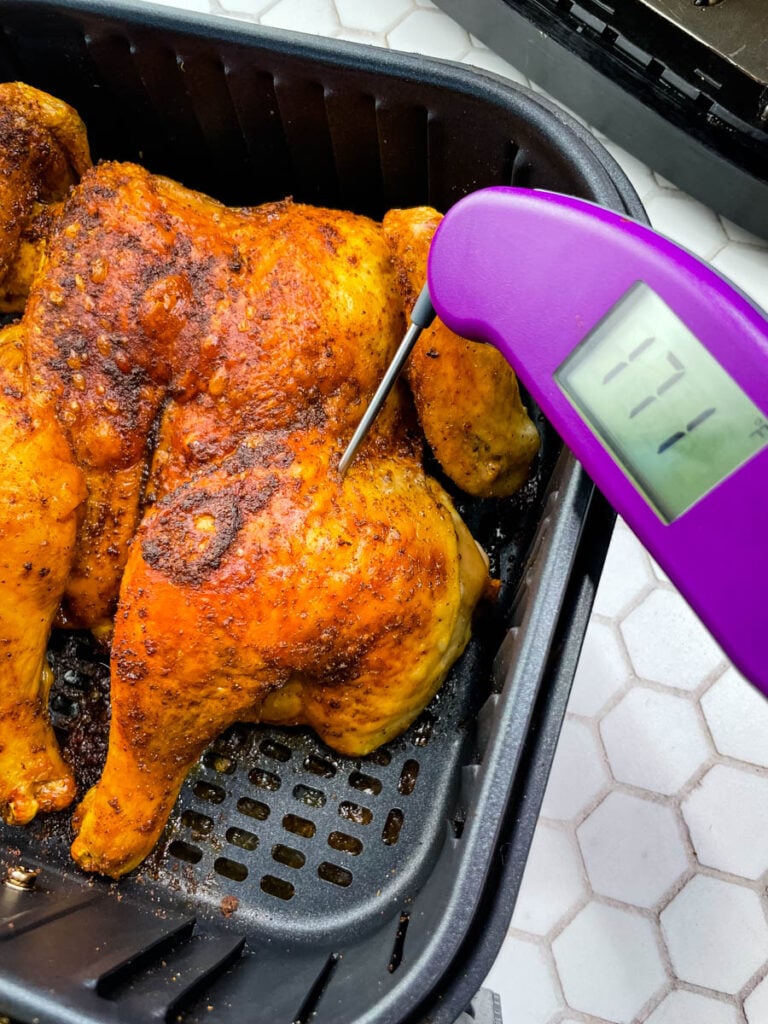
- Baking at 375°F for 30-40 minutes keeps the meat juicy.
These techniques require careful attention to avoid overcooking the delicate meat.
Ideal Cooking For Roaster Chicken
Roaster chickens are larger and older, needing longer cooking times. Slow and steady methods bring out their rich taste.
- Roasting at 325°F for 1.5 to 2 hours ensures thorough cooking.
- Slow cooking in a crockpot makes the meat tender and moist.
- Grilling with indirect heat for 1 to 1.5 hours adds a smoky touch.
- Braising with broth and vegetables enhances flavor and texture.
These methods break down tougher fibers, delivering a satisfying meal.
Nutritional Comparison
Choosing between fryer chicken and roaster chicken often comes down to taste and cooking style, but their nutritional profiles are worth a closer look too. Understanding the calories, fat, protein, and vitamin content can help you make better choices for your health goals. Let’s break down what each type offers in terms of nutrition.
Calories And Fat Content
Fryer chickens are younger and generally smaller, which means their meat tends to be more tender but also higher in fat. This can increase the calorie count, especially if you enjoy the skin, which holds most of the fat.
Roaster chickens are older and larger, with leaner meat overall. They often have slightly fewer calories per serving because the fat content is lower, especially in the breast area.
| Type | Average Calories (per 100g) | Fat Content (g per 100g) |
|---|---|---|
| Fryer Chicken (with skin) | 215 | 15 |
| Roaster Chicken (skinless) | 165 | 7 |
If you’re watching your calorie intake or fat consumption, opting for roaster chicken without the skin might be smarter. Have you noticed how much difference removing the skin can make to your meal’s nutrition?
Protein And Vitamins
Both fryer and roaster chickens provide high-quality protein, essential for muscle repair and energy. Roaster chickens, due to their age, tend to have slightly more developed muscle, which might give a small boost in protein per serving.
Vitamins like B6 and niacin are abundant in both types, supporting brain function and metabolism. However, roaster chickens often have a richer vitamin profile because their longer growth period allows for more nutrient accumulation.
- Protein:Roaster chicken can contain around 27g per 100g, while fryer chicken has about 24g.
- Vitamin B6:Important for energy, found in both but slightly higher in roaster chicken.
- Niacin (Vitamin B3):Helps maintain healthy skin and nerves, present in both types.
Think about your priorities: is higher protein or lower fat more important in your meals? Your choice between fryer and roaster chicken can reflect that.
Choosing Based On Occasion
Choosing between fryer chicken and roaster chicken often depends on the occasion you’re preparing for. Each type brings unique qualities that fit different settings and needs. Understanding when to use each can make your meal planning smoother and more enjoyable.
When To Pick Fryer Chicken
Fryer chicken is perfect for quick meals and smaller gatherings. It cooks faster because it’s younger and smaller, making it ideal for weeknight dinners or when you’re short on time.
If you want tender, juicy meat that absorbs marinades well, fryer chicken is your go-to. Think about casual meals like grilled chicken sandwiches or stir-fries where the meat needs to be tender and cook evenly.
- Small family dinners
- Quick cooking recipes
- Meals requiring tender, delicate meat
Have you ever rushed home after work and needed dinner on the table fast? Fryer chicken can save you then without sacrificing flavor.
When To Opt For Roaster Chicken
Roaster chicken shines during special occasions and larger meals. Its bigger size and older age mean more meat and richer flavor, which works well for roasting or slow cooking.
Think about holidays, Sunday dinners, or celebrations where you want a centerpiece dish that feeds more people. The meat is firmer and holds up well to herbs and spices, giving you a hearty, satisfying meal.
- Family gatherings or parties
- Roasting or slow cooking recipes
- Meals needing a flavorful, substantial centerpiece
Next time you plan a feast, consider if your chicken choice matches the vibe and size of your event. Could your guests appreciate the difference in texture and taste between fryer and roaster chicken?
Buying Tips
Choosing the right chicken can make all the difference in your meal. Whether you prefer a fryer or a roaster, knowing what to look for helps you get the best taste and value. Here are some practical tips to guide your next purchase.
Selecting Quality Fryer Chicken
Look for chickens that weigh between 2.5 and 4 pounds. This size is perfect for quick cooking methods like frying or grilling. Smaller birds tend to be more tender and cook evenly.
Check the skin color—it should be pale pink and free from bruises or discoloration. A fresh fryer chicken will feel firm but not too stiff when you press it gently. Avoid any with a strong odor; fresh chicken should smell neutral or slightly sweet.
Did you know that chickens labeled “air-chilled” often taste better? This process avoids water absorption, so the meat stays juicy without becoming soggy. If you want crispier skin when frying, this detail can make a big difference.
Finding The Best Roaster Chicken
Roaster chickens are larger, usually between 5 and 7 pounds. These are ideal for slow roasting or baking, as their size allows for juicy, flavorful meat throughout. Choose one with firm flesh and intact skin.
Pay attention to the bird’s age; younger roasters tend to be tenderer. If possible, buy from a trusted butcher who can tell you about the chicken’s origin and feeding practices. This information often signals better quality.
Look for chickens with a good layer of fat under the skin. This fat helps baste the meat during roasting, keeping it moist and tasty. Have you noticed how some roasters produce better drippings for sauces? That’s the fat at work.
Credit: www.southerncravings.com
Credit: www.staysnatched.com
Frequently Asked Questions
What Is The Difference Between Fryer And Roaster Chicken?
Fryer chickens are younger, smaller, and more tender. Roaster chickens are older, larger, and have firmer meat. Fryers cook faster, while roasters are better for slow roasting. Their taste and texture vary, influencing cooking methods and recipes.
Which Chicken Is Healthier: Fryer Or Roaster?
Both fryer and roaster chickens offer similar nutritional values. Fryers have slightly less fat due to their younger age. Roasters contain more protein but may have firmer meat. Choosing lean cuts and cooking methods impacts health benefits more than type.
How Do Cooking Times Vary For Fryer And Roaster Chicken?
Fryer chickens cook faster, typically in 30-45 minutes. Roaster chickens require longer cooking, often 1. 5 to 2 hours. The size and toughness of roasters need slower, low heat to ensure tenderness. Adjust cooking time based on chicken type for best results.
Can Fryer Chicken Be Used In Recipes For Roaster Chicken?
Yes, but cooking times and methods should be adjusted. Fryer chicken cooks quicker and is more tender. Roaster chicken needs longer cooking for tenderness. Consider texture differences when substituting to maintain recipe quality.
Conclusion
Fryer chicken cooks faster and is tender, ideal for quick meals. Roaster chicken takes longer but offers richer flavor and larger size. Both have unique uses in cooking and taste. Choose based on your recipe and time. Enjoy fresh, tasty chicken that suits your needs.
Simple, delicious, and easy to prepare every time.

Hi, I’m Daniel Brooks—a food lover and kitchen gear enthusiast. I enjoy testing cookware, utensils, and gadgets to see what really works in everyday cooking. At PlugChef.com, I share honest reviews, comparisons, and simple guides to help you choose the best tools for a safer, smarter, and more enjoyable kitchen.
Related posts:
 What Type of Cooking Utensils are Safe: Expert Picks
 What Innovations Could Blenders Make: Unleashing Future Tech
 Smart Strategies to Organize a Small Kitchen: Maximize Space
 How to Organize a Kitchen Cabinet: Expert Tips & Tricks
 How to Organize Kitchen Drawers: Expert Tips and Tricks
 How to Organize a Corner Kitchen Cupboard: Expert Tips

