
If you want to cook a steak that’s packed with flavor and super tender, hanger steak is your best bet. And using a cast iron skillet to cook it?
That’s the secret to locking in juices and getting the perfect sear every time. You’ll discover a simple hanger steak recipe made easy with cast iron. By the end, you’ll have the confidence to make a restaurant-quality steak right in your own kitchen.
Ready to impress your taste buds and anyone you share it with? Let’s get started.
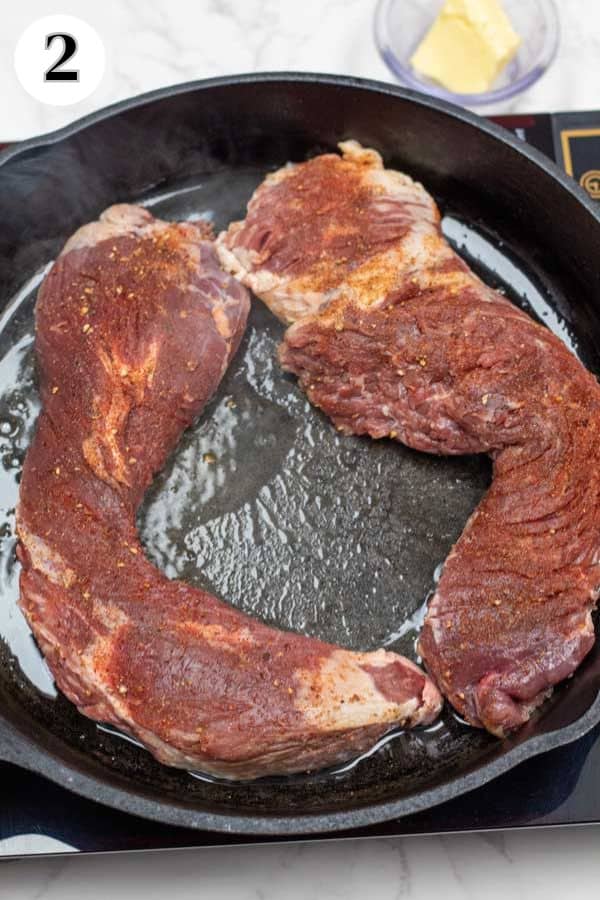
Credit: bakeitwithlove.com
Choosing The Best Hanger Steak
Choosing the best hanger steak is key to a delicious cast iron recipe. This cut is prized for its rich flavor and tender texture. Picking the right steak ensures a juicy and satisfying meal every time. Knowing what to check at the butcher and deciding between fresh or frozen will guide your choice.
What To Look For At The Butcher
Check the color of the steak. It should be deep red, not pale or brownish. Look for fine marbling, the thin white lines of fat inside the meat. This fat adds flavor and keeps the steak juicy. Avoid steaks with large chunks of fat or dark spots. The texture should feel firm but not hard. Ask the butcher about the steak’s source and how fresh it is. Fresh cuts often taste better and cook evenly.
Fresh Vs Frozen: Which Is Better
Fresh hanger steak usually has better flavor and texture. It cooks more evenly and stays juicy. Frozen steak can lose some moisture during thawing. This may affect tenderness and taste. However, frozen steak is often more affordable and lasts longer. If choosing frozen, thaw it slowly in the fridge. Avoid microwave thawing, which can start cooking the meat unevenly. Fresh steak is best for immediate cooking. Frozen steak works well if planned ahead.
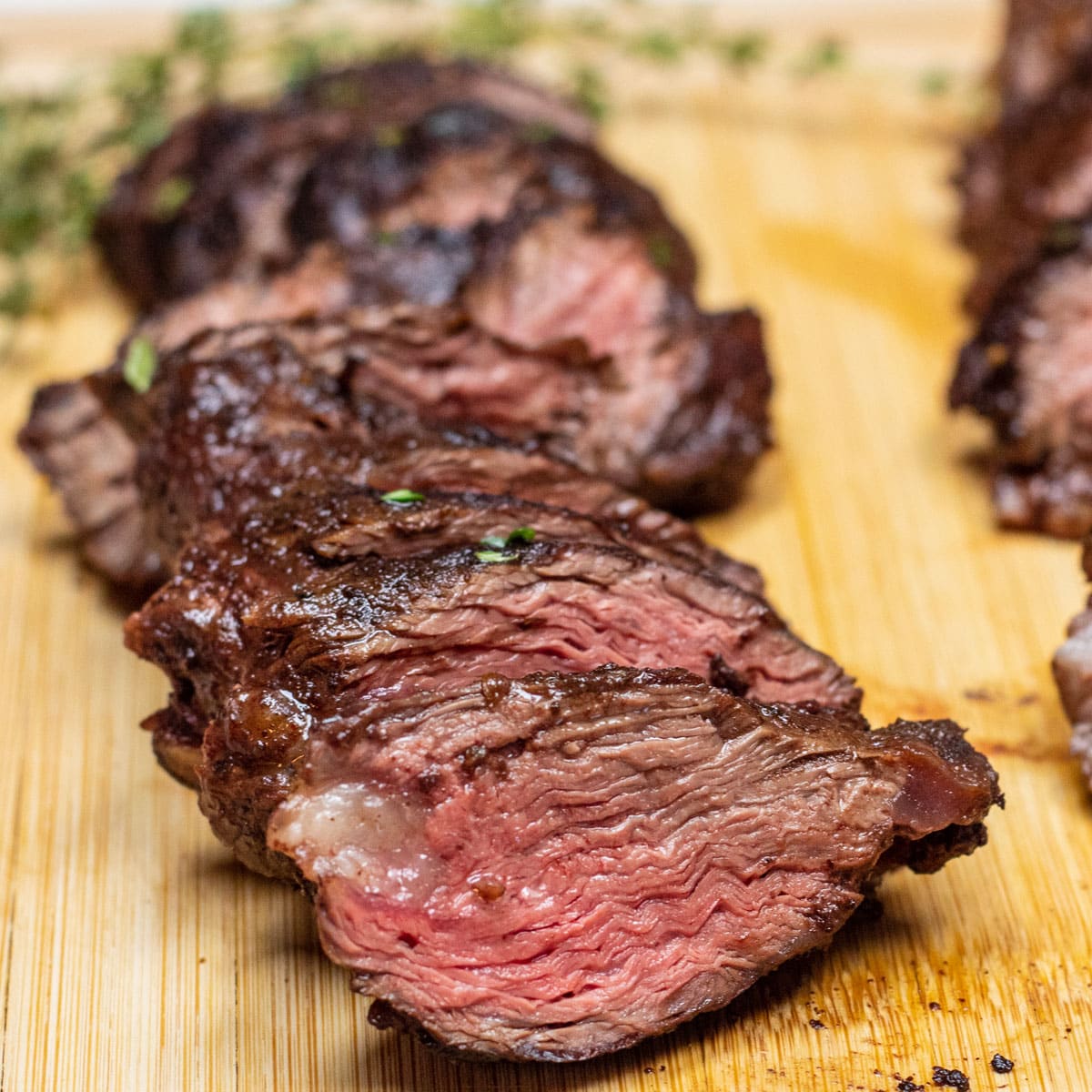
Credit: bakeitwithlove.com
Preparing The Steak For Cooking
Preparing hanger steak properly sets the foundation for a delicious meal. This cut is flavorful but needs careful handling. Cleaning and seasoning it right brings out the best taste and texture. Take time to prepare the steak before placing it in the cast iron skillet.
Trimming And Seasoning Tips
Hanger steak often has a tough silver membrane on one side. Remove this with a sharp knife to avoid chewy bites. Trim any excess fat, but keep some for flavor. Pat the steak dry with paper towels to help form a good crust.
Seasoning is simple yet important. Use salt and pepper to enhance natural flavors. Sprinkle both sides evenly and gently press the seasoning into the meat. For extra depth, add garlic powder or smoked paprika.
Marinade Ideas To Boost Flavor
Marinating hanger steak tenderizes the meat and adds flavor. Acidic ingredients like vinegar or lemon juice break down fibers. Combine these with olive oil and herbs for a balanced marinade.
- Mix soy sauce, garlic, and honey for a sweet-savory taste.
- Use balsamic vinegar, rosemary, and black pepper for a rich flavor.
- Try lime juice, cumin, and chili powder for a spicy kick.
Marinate the steak for 30 minutes to 2 hours in the fridge. Avoid longer times to prevent the meat from becoming mushy.
Why Cast Iron Is Perfect
Hanger steak is a flavorful cut that deserves the right cooking technique to bring out its best. Using a cast iron skillet can make all the difference. Cast iron offers unique benefits that elevate your cooking game, ensuring your steak is both beautifully seared and perfectly cooked.
Heat Retention And Searing Benefits
Cast iron is known for its exceptional heat retention. Once it’s hot, it stays hot, which is crucial for achieving a perfect sear on your hanger steak. This consistent heat creates a delicious crust, locking in juices and flavor.
Imagine the sizzle when you place your steak on the pan. That sound is your cue that the skillet’s heat is doing its job. The searing process is quick, but it leaves a lasting impression on the meat’s taste and texture.
Choosing The Right Cast Iron Skillet
Not all cast iron skillets are created equal. Consider the size of your skillet based on how many steaks you’re cooking. A 10 to 12-inch skillet is versatile and great for most home kitchens.
Check the weight and feel of the skillet. Heavier pans retain heat better, but ensure you can handle it comfortably. Seasoning is also key; a well-seasoned skillet will enhance the steak’s flavor and prevent sticking.
Have you ever wondered how your great-grandmother’s cooking tasted so good? It’s likely she used cast iron. This timeless tool remains a kitchen staple for its unmatched ability to transform simple ingredients into mouthwatering meals.
Step-by-step Cooking Process
Cooking hanger steak in a cast iron skillet requires attention to detail. The process ensures a juicy, flavorful steak with a perfect crust. Follow these steps to get the best results every time.
Preheating Your Skillet
Start by heating your cast iron skillet over medium-high heat. Let it warm for at least 5 minutes. A hot skillet is key to a good sear. You can test the heat by sprinkling a few drops of water on the surface. If they dance and evaporate quickly, the pan is ready.
Searing Techniques For Juicy Results
Pat the hanger steak dry with paper towels. Season it generously with salt and pepper. Add a small amount of oil to the skillet. Place the steak in the pan without moving it. Let it cook for 3-4 minutes on one side. Flip the steak gently using tongs. Sear the other side for another 3-4 minutes. This locks in the juices and creates a crispy crust.
Achieving The Perfect Doneness
Use a meat thermometer to check the internal temperature. For medium-rare, aim for 130-135°F (54-57°C). Remove the steak from the skillet a few degrees before your target temperature. Let it rest on a cutting board for 5-10 minutes. Resting allows the juices to redistribute. Slice the steak against the grain for tenderness.
Resting And Serving Tips
Resting and serving hanger steak cooked in a cast iron skillet makes a big difference. Proper resting keeps the juices inside the meat. Serving it with the right sides and sauces lifts the whole meal. These tips help you enjoy every bite of your hanger steak.
How Long To Rest And Why
Rest the hanger steak for about 5 to 10 minutes after cooking. This pause lets the juices spread evenly inside the meat. Cutting it too soon causes the juices to spill out. The steak stays juicy and tender when rested well. Cover it loosely with foil to keep it warm.
Best Sides And Sauces To Pair
Pair hanger steak with simple, tasty sides that balance its flavor. Try these options:
- Roasted vegetables like carrots, asparagus, or Brussels sprouts
- Mashed potatoes or garlic butter potatoes
- A fresh green salad with a light vinaigrette
- Grilled corn on the cob
For sauces, consider these classic choices:
- Chimichurri sauce for a fresh, herby kick
- Red wine reduction to add rich flavor
- Garlic butter for simple, creamy goodness
- Horseradish cream for a mild spicy touch

Credit: steakrevolution.com
Troubleshooting Common Issues
Troubleshooting common issues can improve your hanger steak cooked in a cast iron skillet. This cut is flavorful but needs careful attention. Small mistakes may cause overcooking or toughness. Simple fixes help keep the steak juicy and tender. Follow these tips to get the best results every time.
Avoiding Overcooking
Hanger steak cooks quickly due to its thin shape. High heat in a cast iron pan can burn the outside while drying the inside. Watch the steak closely during cooking. Use a meat thermometer to check the temperature. Aim for 130°F (54°C) for medium-rare doneness.
Rest the steak after cooking to let juices redistribute. Overcooking leads to dry meat and a less tasty dish. Reduce heat or cooking time if the steak cooks too fast.
Dealing With Tough Texture
Tough hanger steak results from cooking it too long or slicing it wrong. Cut the steak against the grain to shorten muscle fibers. This makes chewing easier and the steak more tender.
Marinate the steak before cooking to break down fibers. Ingredients like vinegar, lemon juice, or yogurt work well. Avoid overcooking, which toughens the meat. Let the steak rest for 5-10 minutes after cooking to keep it juicy and soft.
Enhancing Flavor Variations
Enhancing the flavor of your hanger steak cooked in a cast iron skillet can take this already bold cut to new heights. Small tweaks in seasoning and finishing touches can dramatically change the taste experience. Have you ever thought about how different herbs or spices might transform your steak dinner?
Spice Rubs And Herb Combinations
A simple salt and pepper seasoning is classic, but spice rubs add exciting layers of flavor. Try mixing smoked paprika, garlic powder, and a pinch of cayenne for a smoky kick that wakes up your taste buds.
Herbs like rosemary, thyme, and oregano pair beautifully with hanger steak. You can either rub dried herbs into the meat before cooking or sprinkle fresh chopped herbs on top right after searing. This adds freshness and complexity that keeps every bite interesting.
Think about what flavor profile you prefer—do you lean toward earthy, spicy, or herbal notes? Experimenting with these combinations can turn your steak into a personalized dish that stands out every time.
Using Butter And Aromatics
Finishing your hanger steak with butter and aromatics right in the cast iron skillet adds richness and depth. Melt butter alongside garlic cloves and fresh herbs like thyme or sage during the last few minutes of cooking.
Baste your steak with this fragrant butter using a spoon. This simple act coats the meat with intense flavor and keeps it juicy. I’ve found that this technique makes the steak feel indulgent without extra effort.
Would you consider adding a splash of lemon juice or a dash of balsamic vinegar at the end? These small touches can brighten the flavor and balance the richness, making your steak even more memorable.
Frequently Asked Questions
What Is The Best Way To Cook Hanger Steak In Cast Iron?
Cooking hanger steak in a cast iron skillet involves searing on high heat for 3-4 minutes per side. Let it rest for 5 minutes before slicing. This method locks in juices and creates a flavorful crust, perfect for tender and juicy results.
How Do I Season Hanger Steak For Cast Iron Cooking?
Season hanger steak simply with salt, pepper, and garlic powder. You can add fresh herbs like rosemary or thyme for extra flavor. Let the steak sit at room temperature for 30 minutes before cooking to enhance seasoning absorption.
How Long Should Hanger Steak Rest After Cooking?
Rest hanger steak for 5 to 10 minutes after cooking. This allows juices to redistribute evenly inside the meat. Cutting too soon causes juices to spill out, resulting in a less juicy steak.
Can I Cook Frozen Hanger Steak In Cast Iron?
It’s best to thaw hanger steak completely before cooking in cast iron. Cooking frozen steak leads to uneven cooking and a tough texture. Thaw overnight in the fridge for the best results.
Conclusion
Cooking hanger steak in a cast iron pan brings great flavor. The steak stays juicy and tender with this method. You only need a few simple ingredients to get started. Quick and easy steps make cooking fun and stress-free. Serve it with your favorite sides for a complete meal.
Try this recipe soon and enjoy a tasty dinner. Perfect for any day when you want something special yet simple. Cast iron cooking really makes a difference in taste. Give it a shot and see how good it turns out.

Hi, I’m Daniel Brooks—a food lover and kitchen gear enthusiast. I enjoy testing cookware, utensils, and gadgets to see what really works in everyday cooking. At PlugChef.com, I share honest reviews, comparisons, and simple guides to help you choose the best tools for a safer, smarter, and more enjoyable kitchen.
Related posts:
 What Type of Cooking Utensils are Safe: Expert Picks
 What Innovations Could Blenders Make: Unleashing Future Tech
 Smart Strategies to Organize a Small Kitchen: Maximize Space
 How to Organize a Kitchen Cabinet: Expert Tips & Tricks
 How to Organize Kitchen Drawers: Expert Tips and Tricks
 How to Organize a Corner Kitchen Cupboard: Expert Tips

