
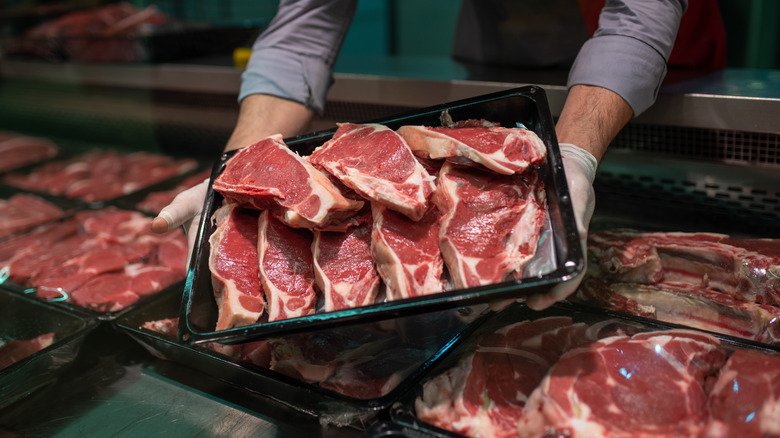
Staring at a meat counter full of steaks, wondering which cut will give you that restaurant-quality sear and juicy, tender interior instead of a tough, dry meal? You’re not alone. Picking the right steak is 80% of the battle to a great steak dinner, and you don’t need to be a professional chef to get it right. This guide draws on USDA standards, professional butcher advice, and real-world home cooking experience to help you select the perfect cut every time, no matter your budget or cooking setup.
Match the Steak Cut to Your Cooking Method
The cut you choose will make or break your meal, as different muscles have varying levels of tenderness, fat content, and ideal cooking methods. Each cut comes from a specific part of the cow, which determines its texture and flavor profile. Use the table below to match a cut to your planned cooking method and taste preferences:
| Cut | Origin on the Cow | Ideal Cooking Method | Flavor & Texture Profile | Best Use Case |
|---|---|---|---|---|
| Ribeye | Rib section (shoulder area) | High-heat grilling, pan-searing | Rich, beefy, heavily marbled, ultra-juicy | Special occasions, steak purists who love bold, buttery flavor |
| New York Strip | Short loin (behind the rib) | Grilling, pan-searing, broiling | Firm, moderately marbled, balanced beefy flavor | Weeknight dinners, steak sandwiches |
| Filet Mignon | Tenderloin (least worked muscle, under the ribs) | Pan-searing, quick grilling, sous vide | Extremely tender, mild, very low fat | Gourmet meals, diners who prefer lean, melt-in-your-mouth steak |
| T-Bone / Porterhouse | Short loin (includes a section of tenderloin and strip) | Grilling, broiling | Two distinct textures: tender, mild tenderloin + bold, marbled strip | Steak lovers who want variety, sharing meals |
| Sirloin | Hip area (below the short loin) | Grilling, marinating, broiling | Lean, moderately beefy, firmer texture | Budget-friendly weeknight meals, high-protein diets |
| Flank | Abdomen (below the loin) | Marinating + high-heat grilling, stir-frying | Lean, fibrous, robust beefy flavor | Fajitas, steak salads, marinated dishes |
| Flat Iron | Shoulder (chuck area) | Grilling, pan-searing | Moderately marbled, tender, rich flavor | Budget-friendly alternative to ribeye for everyday meals |
In practice, thin cuts (less than 1 inch thick) are best for quick-cooking methods like pan-searing or stir-frying, while thicker cuts (1.5+ inches) hold up better to high-heat grilling without drying out.
 Well-marbled ribeye (left) and lean sirloin (right) display key differences in fat distribution and texture
Credit: www.youtube.com
Well-marbled ribeye (left) and lean sirloin (right) display key differences in fat distribution and texture
Credit: www.youtube.com
Inspect Steak Quality Like a Pro
Even the right cut will disappoint if it’s low quality. Learning to spot the signs of fresh, high-quality steak will help you avoid bad purchases every time.
Marbling and Fat Content
Marbling refers to the small, white streaks of intramuscular fat woven throughout the meat, not the thick exterior fat cap you can trim off. This fat melts during cooking, basting the steak from the inside to keep it juicy and add rich flavor. USDA grading is partially based on marbling, so even within the same grade, a steak with more even marbling will taste better than one with sparse fat streaks. A common mistake is confusing exterior fat with marbling: a steak with a thick outer fat layer but no internal marbling will be lean and tough inside.
Color and Texture
Fresh, oxygen-exposed steak has a bright cherry-red color; vacuum-sealed steak may appear dark purple, which is normal and still safe. Avoid any steak with brown, gray, or greenish patches, as these are signs of oxidation or spoilage. The texture should be firm to the touch, with a slight spring when pressed gently. Soft, mushy, or sticky steak is a sign of poor quality or spoilage, and should be avoided.
Freshness Indicators
Smell is the most reliable freshness check: fresh beef has a mild, clean, almost metallic scent. Any sour, ammonia-like, or rotten smell means the steak is past its prime, even if the packaging date is in the future. Check the surface of the steak: it should be moist, not sticky or slimy. Excess liquid in the packaging is a sign of "weeping," which occurs when steak is stored at improper temperatures for too long.
Decode USDA Grades and Common Labels
Labels and grades can feel confusing, but they’re designed to help you identify quality at a glance. Understanding them will help you pick the best steak for your taste and budget.
USDA Prime, Choice, and Select Grades
The USDA grades beef based on tenderness, juiciness, and flavor, with marbling as the primary factor. There are three main consumer grades:
- Prime: The top 2-3% of beef, with heavy, even marbling. It’s most often sold to high-end restaurants and specialty butchers, and is ideal for dry-heat cooking methods like grilling or pan-searing, where the fat can melt to create a juicy, flavorful steak.
- Choice: The middle grade, with moderate marbling. It’s widely available in most supermarkets, offers excellent flavor and tenderness at a 30-50% lower price than Prime, and works for all cooking methods. This is the best value pick for most home cooks.
- Select: The lowest consumer grade, with minimal marbling and lean meat. It’s best suited for slow-cooking methods like braising or heavy marinating to add tenderness; cooking it over high heat will result in a dry, tough steak.
For a full breakdown of how each grade is assessed, refer to the official USDA beef grading criteria.
Grass-Fed vs. Grain-Fed Beef
The cattle’s diet has a major impact on flavor and texture:
- Grass-fed cattle eat a diet of grass and forage their entire lives, resulting in leaner meat with a robust, earthy, slightly gamey flavor. It also has a slightly higher omega-3 content than grain-fed beef.
- Grain-fed cattle are fed a diet of corn, soy, and grains for the final 3-6 months of their lives, which increases marbling and creates a buttery, mild, familiar beef flavor.
Neither option is inherently better: choose grass-fed if you prefer a leaner, more flavorful cut for low-heat cooking, and grain-fed if you want a juicy, marbled steak for grilling or pan-searing.
Organic and Hormone-Free Labels
- Organic beef comes from cattle raised on organic feed, without synthetic pesticides, fertilizers, antibiotics, or growth hormones, and with access to pasture. This label is a good choice if you prioritize sustainable farming practices.
- Hormone-free labels indicate no added growth hormones were used during the cattle’s life. Note that all pork and poultry sold in the U.S. is hormone-free by default, and growth hormones are optional for beef, so this label is often a marketing point rather than a significant quality difference.
Butcher Counter vs. Supermarket: Which Is Right for You?
Where you buy your steak impacts freshness, quality, and value. Both options have benefits depending on your needs.
Benefits of Shopping at a Local Butcher
Local butchers often source meat from regional farms, meaning their steaks are fresher and aged longer (2-4 weeks vs. 1-2 weeks for most supermarket steak) to develop more concentrated flavor. You can request custom thickness, get personalized advice on which cut works best for your cooking method, and ask about the farm of origin. Many butchers also offer dry-aged steaks, which have a nutty, intense flavor and ultra-tender texture. While some assume butchers are more expensive, their prices for standard cuts are often comparable to premium supermarket options, and they may offer discounts for bulk purchases.
 A local butcher slicing a whole primal cut into custom-thickness steaks ensures maximum freshness and personalized service
Credit: torontolife.com
A local butcher slicing a whole primal cut into custom-thickness steaks ensures maximum freshness and personalized service
Credit: torontolife.com
What to Expect at the Supermarket
Supermarkets offer unmatched convenience: pre-packaged steaks are ready to grab, with clear labels listing grade, weight, and price per pound for easy comparison. Prices for standard cuts are often lower than at butchers, making them a good option for budget-friendly weeknight meals. The downside is that pre-packaged steaks are sealed in plastic, which can trap moisture and lead to a soggy surface that won’t sear well. Supermarket butchers also rarely have information about the farm of origin, and specialty cuts like dry-aged steak or offal are almost never available.
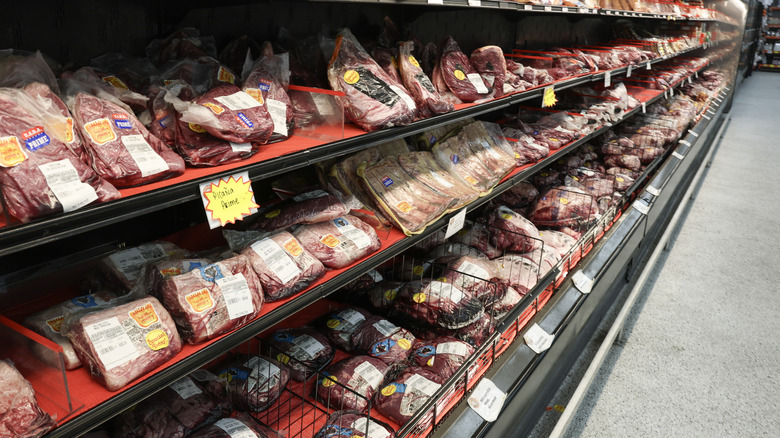 Pre-packaged supermarket steaks in a refrigerated display often have limited origin and aging information
Credit: www.thetakeout.com
Pre-packaged supermarket steaks in a refrigerated display often have limited origin and aging information
Credit: www.thetakeout.com
Common Steak Buying Mistakes to Avoid
Even experienced home cooks make these avoidable errors when buying steak:
- Choosing based on price alone: Deeply discounted steaks are often low-grade Select cuts with minimal marbling, which will be tough and dry if cooked over high heat. Instead, look for Choice grade or well-marbled cuts within your budget.
- Picking a cut that doesn’t match your cooking setup: If you only have a stovetop pan, avoid 2-inch thick steaks that won’t cook evenly; opt for 1 to 1.25-inch cuts instead. If you have a grill, take advantage of thicker cuts for a better sear.
- Trusting packaging dates over your senses: A steak with a future sell-by date can still be spoiled if it was stored at the wrong temperature before packaging. Always smell and inspect the steak before buying, regardless of the date.
- Buying pre-seasoned or pre-marinated steak: These are often low-quality cuts, with seasoning added to mask off-flavors. Buy plain steak and season it yourself to control quality and flavor.
- Prioritizing exterior fat over marbling: A thick exterior fat cap adds flavor during cooking, but intramuscular marbling is what keeps the steak juicy inside. A steak with a fat cap but no marbling will be lean and tough.
Portion Sizes and Thickness: Get the Right Amount for Your Meal
Choosing the right thickness and portion size will help you avoid undercooking or overcooking your steak, and reduce food waste.
Ideal Thickness for Cooking
Most chefs recommend steaks between 1 and 1.5 inches thick for even cooking. This thickness allows for a deep, golden sear on the outside without overcooking the interior. Thicker cuts (1.5+ inches) are ideal for rare or medium-rare doneness, as they have a larger temperature gradient to work with. Thin cuts (less than 1 inch) are best for quick cooking methods like stir-frying or steak sandwiches, but should be cooked hot and fast to avoid drying out.
Serving Sizes Per Person
The standard raw serving size is 6 to 8 ounces per person for a main dish with sides. For diners with larger appetites, or if steak is the only main protein with minimal sides, 10 to 12 ounces is appropriate. Keep in mind that steak shrinks 20-25% during cooking due to fat and moisture loss, so factor that in when purchasing.
Adjusting for Different Recipes
- For pan-seared steak with pan sauce, a 1.25-inch New York Strip or ribeye works best.
- For fajitas or stir-fry, buy flank or skirt steak, and slice it thin against the grain after cooking.
- For steak sandwiches, opt for ½-inch thick sirloin or flat iron, cooked to medium-rare for juiciness.
- If you’re serving steak alongside build a complementary charcuterie spread as an appetizer, you can reduce the portion size by 1-2 ounces per person to avoid over-serving.
Store and Handle Steak Safely After Purchase
Proper storage will keep your steak fresh, safe, and full of flavor until you’re ready to cook it.
Proper Refrigeration
If you plan to cook the steak within 3-5 days, store it in the coldest part of your refrigerator (usually the bottom shelf, away from other foods to avoid cross-contamination). Keep it in its original unopened packaging, or rewrap it tightly in butcher paper or plastic wrap if opened. Ensure your refrigerator stays at 40°F (4°C) or below for food safety. If you have young children, store raw steak on a lower shelf with secure lower cabinet storage to prevent accidental access.
Freezing Guidelines
If you won’t use the steak within 5 days, freeze it to extend its shelf life. Wrap it tightly in freezer paper or heavy-duty aluminum foil, then place it in a sealed freezer bag to prevent freezer burn. Label the bag with the cut and purchase date. Frozen steak maintains best quality for 6 to 12 months; after that, it’s still safe to eat but may have a slightly degraded texture.
Safe Thawing Methods
Never thaw steak at room temperature, as this allows harmful bacteria to grow rapidly. The safest method is to thaw it in the refrigerator for 12 to 24 hours (depending on thickness) before cooking. For faster thawing, place the sealed steak in a bowl of cold water, changing the water every 30 minutes, and cook it immediately after thawing. You can also use the microwave defrost setting, but cook the steak immediately after, as partial thawing can cook parts of the meat. For step-by-step guidance on safe meat handling, review the FDA's recommended thawing protocols. After handling raw steak, use heavy-duty cleaning tools to sanitize surfaces and avoid cross-contamination.
Budget for the Best Steak Without Overspending
You don’t need to spend a fortune to get a delicious steak – you just need to know where to look.
Balancing Price and Quality
Choice grade offers the best balance of marbling, flavor, and affordability for most home cooks, costing 30-50% less than Prime grade. Look for sales on less popular but equally tasty cuts like flat iron, chuck eye, or sirloin, which are often just as tender as more expensive cuts when cooked correctly. Buying a whole subprimal cut (like a whole sirloin or ribeye roast) and cutting it into steaks yourself can save you 20-40% compared to pre-cut steaks, as long as you have a sharp knife and properly maintained cutting surfaces to make clean, even cuts.
When to Splurge
It’s worth investing in Prime grade or dry-aged steak for special occasions like anniversaries, holidays, or dinner parties where the steak is the star of the meal. Dry-aged steak, which is aged for 21 to 45 days to concentrate its flavor, costs 2-3x more than fresh steak, but its nutty, intense flavor and ultra-tender texture are worth the premium for special events.
Affordable Alternative Cuts
Cuts like sirloin, flank, flat iron, and chuck eye offer great flavor and tenderness at a lower price point. Marinating leaner cuts in acidic ingredients (vinegar, citrus, yogurt) for 2 to 4 hours before cooking helps break down tough muscle fibers and add flavor. Buying steak in bulk during sales and freezing individual portions can also help you save money without sacrificing quality.
Frequently Asked Questions
What is the best steak cut for a first-time home cook?
New York Strip or sirloin are ideal for beginners: they’re widely available, moderately priced, and forgiving of minor cooking errors. Avoid extremely tender cuts like filet mignon if you’re new to cooking steak, as their low fat content makes them prone to overcooking if you’re not monitoring internal temperature closely.
How can I tell if a steak is fresh before buying?
Rely on your senses first: fresh steak has a bright cherry-red color (or deep purple if vacuum-sealed, which is normal), a firm, slightly springy texture, and a mild, clean scent. Avoid any steak that is dull, brown, soft, mushy, or has a sour, ammonia-like smell. Always check the sell-by date, but prioritize sensory checks over packaging dates, as dates can be misleading if the steak was improperly stored before packaging.
What USDA grade of steak offers the best value for home cooks?
Choice grade offers the best balance of marbling, flavor, and affordability for most home cooking. It has enough fat to stay juicy when cooked correctly, but costs 30-50% less than Prime grade. Select grade is best reserved for slow-cooking methods or heavy marinating, as its low fat content makes it prone to drying out when grilled or pan-seared.
How much steak should I buy per person?
For a main dish with sides, plan for 6 to 8 ounces of raw steak per person. For diners with larger appetites, or if steak is the only main protein with minimal sides, 10 to 12 ounces is appropriate. Remember that steak shrinks 20-25% during cooking, so adjust your purchase accordingly.
Is grass-fed steak better than grain-fed?
Neither is universally better: grass-fed steak has a leaner, more robust, earthy flavor and higher omega-3 content, but can be tougher if overcooked. Grain-fed steak is more heavily marbled, with a buttery, mild flavor, and stays juicier when cooked over high heat. Choose based on your flavor preference and planned cooking method.
Final Tips for Perfect Steak Every Time
Buying the right steak is the first step to a restaurant-quality meal at home. Match the cut to your cooking method, inspect for marbling, color, and freshness, choose the right grade for your budget, and store it properly to preserve flavor. Avoid common pitfalls like picking a cut that doesn’t match your cooking setup, or trusting packaging dates over your senses. With these tips, you’ll never waste money on a tough, disappointing steak again.
Ready to put your new skills to work? Pick up a Choice grade New York Strip this week, grill it to medium-rare, and serve it alongside a build a complementary charcuterie spread for a crowd-pleasing meal. For more kitchen tips and guides to elevate your cooking, check out our full blog library. After cooking, use specialized grill cleaning brushes to keep your grill grates in top condition for future meals.

I’m Abby Lu, a passionate home cook who loves simplifying everyday meals. At PlugChef.com, I share product reviews and cooking guides to help you find the best tools for your kitchen.
Related posts:
 How to Make a Fruit Basket for a Gift: Easy DIY Guide
 Do You Need a Basket? Essential Guide for Air Fryers
 What Blenders Do Tropical Smoothie Use: Expert Insights
Stainless Steel Vs White Kitchen Appliances: Ultimate Showdown
What Blenders Do Tropical Smoothie Use: Expert Insights
Stainless Steel Vs White Kitchen Appliances: Ultimate Showdown
 Kitchen Appliances for Wedding Registry: Must-Have Essentials
 Top 10 Best Non-Toxic Cooking Utensils – Safe & Durable Choices for Healthy Homes

