
If you’ve ever stood in the dairy aisle staring at rows of cream containers, unsure whether to grab heavy cream or light cream for your recipe, you’re not alone. The difference between these two common dairy products goes far beyond their fat content, impacting everything from the fluffiness of your whipped toppings to the texture of your morning coffee and the richness of your homemade pasta sauce. In this guide, we’ll break down the key, must-know differences between heavy cream and light cream, including their official labeling standards, best use cases, nutritional trade-offs, and common substitution tips, so you can pick the right product for every dish.
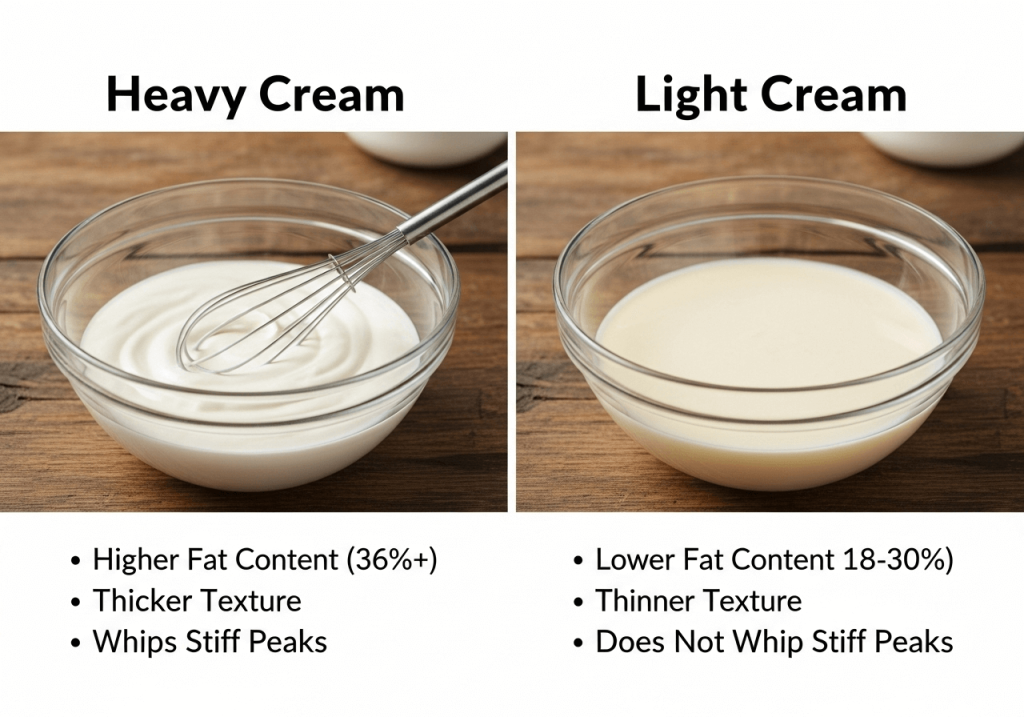
 Heavy cream (left) has a thicker, more opaque consistency than light cream (right) at the same temperature.
What Are Heavy Cream and Light Cream?
Both heavy cream and light cream are dairy products made by skimming the fat that rises to the top of unhomogenized cow’s milk, then blending it back to a specific fat content. The only official difference between the two, per U.S. food labeling rules, is their milk fat percentage — there is no difference in the source of the cream or base ingredients beyond that. Contrary to popular belief, light cream is not simply “watered-down heavy cream”: it is a distinct product formulated for specific use cases, with a thinner consistency and milder flavor that makes it ideal for applications where heavy cream would be too rich or dense.
Core Difference: Milk Fat Content
Fat content is the defining factor that sets heavy cream and light cream apart, and it drives every other difference in their performance, taste, and use cases. Per official FDA cream labeling requirements, all commercial cream products sold in the U.S. must list their exact milk fat percentage on the packaging, so you can easily verify the product you’re buying meets your needs.
Heavy cream contains a minimum of 36% milk fat by weight, with most mainstream brands falling between 36% and 40%. This high fat content gives it a thick, velvety texture and rich, buttery flavor. Per USDA nutritional data, 1 tablespoon of heavy cream contains roughly 51 calories, 5g of total fat (3.5g of which is saturated fat), and 18mg of cholesterol.
Light cream, by contrast, falls between 18% and 30% milk fat. Its lower fat content gives it a thinner, more pourable consistency and milder, less overpowering dairy flavor. The same 1-tablespoon serving of light cream contains roughly 30 calories, 3g of total fat (2g saturated), and 10mg of cholesterol — roughly 40% fewer calories and less fat than heavy cream.
Some brands also sell “table cream” with a 20-25% fat content, which is often labeled as light cream in certain regions, so always check the fine print on the label to confirm the exact fat percentage if your recipe is sensitive to fat content.
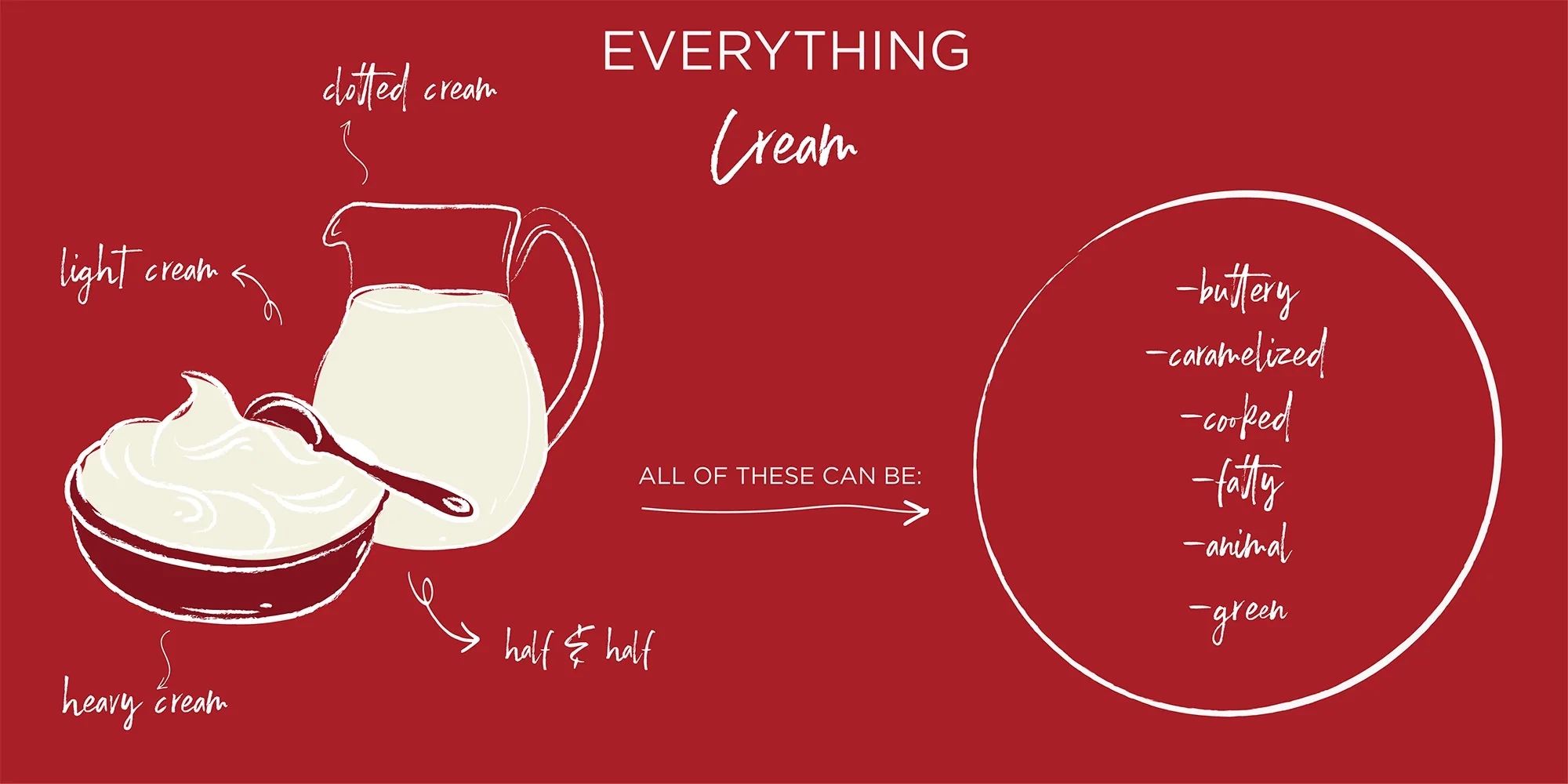 Different cream types are categorized by fat content, texture, and common culinary uses.
Credit: www.edlong.com
Different cream types are categorized by fat content, texture, and common culinary uses.
Credit: www.edlong.com
Texture, Consistency, and Performance
The fat gap between heavy and light cream creates stark differences in how the two products feel, behave when cooked, and perform in recipes.
Heavy cream has a thick, coat-the-back-of-a-spoon consistency that stays pourable but resists running off surfaces. Its high fat content allows it to trap air when whipped, creating stiff, stable peaks that hold their shape for hours without deflating. When heated gently, heavy cream emulsifies easily, meaning it blends smoothly with other ingredients without separating or curdling, even when mixed with small amounts of acid like lemon juice or wine. In practice, this makes it ideal for simmered sauces, soups, and custards that need a smooth, lump-free texture.
Light cream has a consistency closer to whole milk, with only a subtle hint of richness. It cannot be whipped into peaks, even with added stabilizers, as its low fat content cannot hold enough air to create a stable structure. When heated, light cream is far more prone to curdling, especially when mixed with acidic ingredients or brought to a rolling boil. A common mistake home cooks make is attempting to use light cream in place of heavy cream for dessert toppings, which results in a runny, separated mess instead of the fluffy peaks the recipe calls for. For hot applications, add light cream at the very end of cooking, over low heat, and stir gently to avoid curdling.
Best Culinary Uses for Each
The unique properties of heavy and light cream make them suited for entirely different use cases in the kitchen.
Heavy Cream Use Cases
- Whipped toppings, ganache, mousse, and frosting: Its high fat content allows it to hold stiff peaks, making it the only cream suitable for fluffy, stable whipped toppings and silky chocolate ganache.
- Rich sauces and soups: It emulsifies smoothly when heated gently, creating velvety Alfredo, cream sauces for creamy pasta sauce base, bisques, and gravies that cling evenly to noodles and vegetables.
- Ice cream and custard bases: The high fat content prevents ice crystal formation, resulting in smooth, creamy frozen desserts and silky baked custards.
- Baked goods: It adds moisture and richness to cakes, scones, and muffins without making them dense.
 Stiff, stable whipped heavy cream is ideal for dessert toppings and fillings.
Credit: food52.com
Stiff, stable whipped heavy cream is ideal for dessert toppings and fillings.
Credit: food52.com
Light Cream Use Cases
- Coffee and tea creamer: Its thin consistency blends smoothly into hot beverages without separating or curdling, adding subtle richness without overpowering the flavor of your coffee. Many home baristas use it to make homemade sweet coffee cream that’s lighter than heavy cream-based options.
- Light soups, chowders, and quiches: It adds a hint of creaminess without the heavy, dense mouthfeel of heavy cream, making it perfect for dishes where you want a delicate texture.
- Salad dressings and marinades: Its pourable consistency mixes easily with vinegar, oil, herbs, and spices to create smooth, emulsified dressings.
- Scrambled eggs and omelets: It adds moisture and tenderness to eggs without making them rubbery or heavy.
 Light cream blends smoothly into hot coffee without separating or curdling.
Nutrition and Dietary Considerations
While both heavy and light cream are nutrient-dense dairy products, their differing fat content makes them better suited for different dietary needs. Per USDA data, the 1-tablespoon nutritional comparison is as follows:
| Nutrient | Heavy Cream | Light Cream |
|---|---|---|
| Calories | 51 | 30 |
| Total Fat | 5g | 3g |
| Saturated Fat | 3.5g | 2g |
| Cholesterol | 18mg | 10mg |
| Carbohydrates | <1g | <1g |
| Protein | <1g | <1g |
For low-fat or low-calorie diets, light cream is the better choice, as it cuts roughly 40% of the calories and fat per serving compared to heavy cream. For keto, low-carb, or high-fat diets, heavy cream is preferred, as it has almost no net carbs and high fat content to support ketosis and satiety.
It’s important to note that both creams contain saturated fat, which the American Heart Association recommends limiting to less than 6% of daily caloric intake for most adults to support heart health. Both products also contain lactose, so they are not suitable for lactose-intolerant individuals, and neither is vegan.
Storage and Shelf Life
Proper storage is critical to keeping both heavy and light cream fresh and safe to use, as their differing fat content impacts their spoilage timeline.
Unopened Storage
Both creams must be kept in the coldest part of your refrigerator (below 40°F / 4°C) at all times, typically on a middle or lower shelf away from the door, where temperatures fluctuate most. Unopened heavy cream will stay fresh for 7 to 10 days past its printed sell-by date, while unopened light cream lasts 5 to 7 days past the sell-by date, as its lower fat content makes it more prone to bacterial growth.
Opened Storage
Always seal cream containers tightly after each use to prevent absorption of fridge odors and exposure to air, which speeds spoilage. Opened heavy cream stays fresh for 5 to 7 days, while opened light cream lasts 4 to 6 days. Always check for sour smells, lumpy or curdled texture, or discoloration before using, even if the cream is within its recommended window. If you have young children in the home, store cream on a middle or top fridge shelf out of reach, and use childproof kitchen storage for lower drawers to prevent accidental spills or ingestion of spoiled products.
Freezing
Both heavy and light cream can be frozen for up to 3 months in airtight, leak-proof containers. Thaw frozen cream in the refrigerator for 24 hours before use, then whisk vigorously to re-emulsify any separated fat. Note that frozen cream is not suitable for whipping, as the freezing process breaks down the fat structure needed to hold air.
Substitutions and Alternatives
If you run out of your preferred cream mid-recipe, there are several reliable swaps that work for most use cases, though none can perfectly replicate the performance of heavy cream for whipping.
Swapping Light Cream for Heavy Cream
For cooked applications like sauces, soups, and baked goods, you can approximate heavy cream by adding 1 tablespoon of melted unsalted butter per 1 cup of light cream, then chilling the mixture for 10 minutes before use. This raises the fat content to near heavy cream levels, though it will not whip into stiff peaks. For best results, add the mixture to hot dishes over low heat, stirring gently to avoid curdling.
Making Heavy Cream from Light Cream
If you have light cream and butter on hand, mix 1 cup of light cream with 2 tablespoons of melted unsalted butter, then chill for 10 minutes. This creates a 1:1 heavy cream substitute suitable for cooking, baking, and sauces, but not for whipping.
Other Cream Alternatives
- Milk and butter: Mix ¾ cup whole milk with ⅓ cup melted unsalted butter per 1 cup of heavy cream needed. This works well for sauces, soups, and baked goods, but cannot be whipped.
- Coconut cream: Full-fat canned coconut cream (the thick layer skimmed from the top of chilled coconut milk) is a vegan, dairy-free substitute for heavy cream in curries, desserts, and sauces. It adds a subtle coconut flavor, so it works best in recipes where that flavor complements other ingredients.
- Evaporated milk: Unsweetened evaporated milk is thinner than heavy cream but adds creaminess to soups, sauces, and baked goods. It is lower in fat, so it will not provide the same rich mouthfeel as heavy cream.
- Greek yogurt: Plain, unsweetened Greek yogurt can replace light cream in cold dishes like dressings, dips, and cold soups. Thin it with a splash of milk to match the consistency of light cream, and avoid heating it to high temperatures, as it will curdle.
For stubborn cream splatters on countertops or stovetops, use heavy-duty kitchen cleaning tools designed to cut through dairy residue without scratching surfaces.
Frequently Asked Questions
What is the main difference between heavy cream and light cream?
The only official difference is milk fat content: per FDA labeling rules, heavy cream must contain a minimum of 36% milk fat by weight, while light cream falls between 18% and 30%. This fat gap drives all other differences in texture, performance, and use cases.
Can you substitute light cream for heavy cream in recipes?
Yes, for most cooked applications like soups, sauces, and baked goods. To improve the texture, add 1 tablespoon of melted unsalted butter per 1 cup of light cream to raise the fat content. Note that this swap will not work for recipes that require whipped cream, as light cream cannot hold stable peaks.
Which cream is better for whipping, heavy or light?
Heavy cream is the only option for whipping. Its high fat content allows it to trap air when beaten, creating stiff, stable peaks that hold their shape for hours. Light cream will only ever produce a thin, runny mixture when whipped, even with added stabilizers.
Can you use heavy cream in coffee?
Yes, heavy cream works in coffee, but it will add a very rich, velvety texture and significantly increase the calorie count of your drink. Most people prefer light cream or half-and-half for coffee, as it adds subtle richness without overpowering the coffee's natural flavor.
Does light cream curdle easier than heavy cream when heated?
Yes. Light cream's lower fat content means it has less stability when exposed to high heat or acidic ingredients (like lemon juice, wine, or tomatoes). To prevent curdling, add light cream to hot dishes at the end of cooking, over low heat, and stir gently. Heavy cream can withstand gentle boiling and small amounts of acid without curdling, making it better for simmered sauces.
How long does heavy cream last after opening?
Opened heavy cream stays fresh for 5 to 7 days when stored in the coldest part of the fridge, tightly sealed. Always check for sour smells, lumpy texture, or discoloration before using, even if it is within the recommended window. To avoid cross-contamination and keep all perishable dairy at safe temperatures, follow proper fridge organization that separates raw meats from ready-to-eat items like cream.
Conclusion
At the end of the day, neither heavy cream nor light cream is inherently better — the right choice depends entirely on your recipe, dietary needs, and flavor preferences. Heavy cream is the go-to for rich, stable whipped toppings, thick sauces, and decadent desserts, while light cream shines in coffee, light dishes, and lower-calorie cooking. Next time you’re at the store, check the milk fat percentage on the label to confirm you’re picking the right option for your needs, and don’t be afraid to experiment with both to find your favorite for everyday meals.

I’m Abby Lu, a passionate home cook who loves simplifying everyday meals. At PlugChef.com, I share product reviews and cooking guides to help you find the best tools for your kitchen.
Related posts:
 How to Make a Fruit Basket for a Gift: Easy DIY Guide
 Do You Need a Basket? Essential Guide for Air Fryers
 What Blenders Do Tropical Smoothie Use: Expert Insights
Stainless Steel Vs White Kitchen Appliances: Ultimate Showdown
What Blenders Do Tropical Smoothie Use: Expert Insights
Stainless Steel Vs White Kitchen Appliances: Ultimate Showdown
 Kitchen Appliances for Wedding Registry: Must-Have Essentials
 Top 10 Best Non-Toxic Cooking Utensils – Safe & Durable Choices for Healthy Homes

