
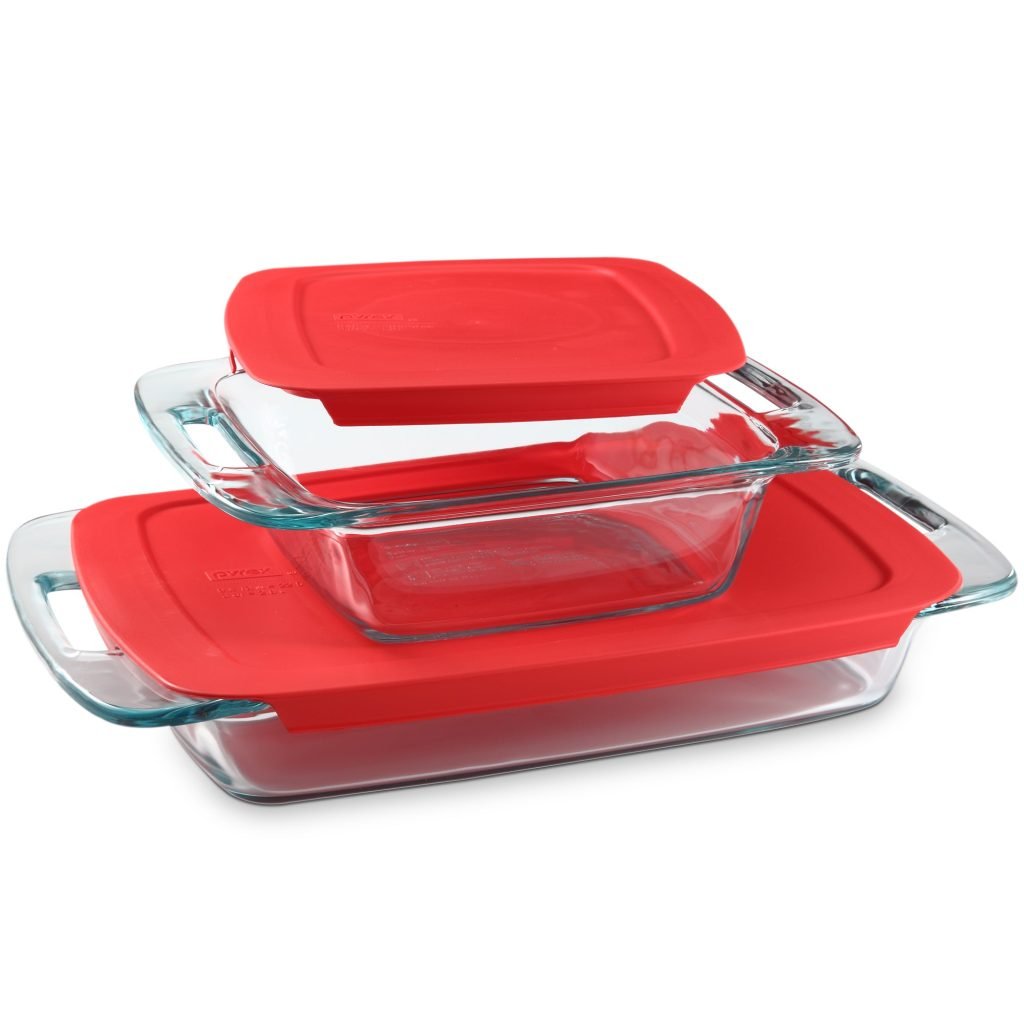
Are you wondering if you can bake in Pyrex without ruining your favorite dish or the dishware itself? You’re not alone.
Many home cooks ask this question because Pyrex is so common in kitchens, but there’s confusion about whether it’s safe to use in the oven. Knowing the answer can save you time, money, and stress. Keep reading to discover how Pyrex works with baking and what you need to know to get perfect results every time.

Image: Can I Bake in Pyrex Ultimate Guide to Safe Oven Cooking
Pyrex Material Basics
Understanding the basic material of Pyrex helps you use it safely for baking. Pyrex is a popular choice in kitchens worldwide. Its material gives it unique strength and heat resistance. Knowing what Pyrex is made of and the types of glassware available helps you make the right choice for your cooking needs.
What Is Pyrex Made Of
Pyrex is made from special glass designed to resist heat. Originally, it was made from borosilicate glass. Borosilicate glass handles sudden temperature changes well. It is less likely to crack or break from heat shock.
Today, most Pyrex products in the US use tempered soda-lime glass. This glass is strong and resistant to impact. It heats up evenly but is less resistant to thermal shock than borosilicate glass. Both types are safe for baking but behave differently under heat.

Image: Oven-safe cookware
Types Of Pyrex Glassware
Pyrex offers many types of glassware. Each is designed for specific kitchen uses. Common types include:
- Baking dishes – perfect for casseroles and roasting.
- Measuring cups – heat safe and precise.
- Mixing bowls – durable and easy to clean.
- Storage containers – safe for fridge and freezer.
Choosing the right Pyrex glassware depends on your cooking style. Some glassware works well for oven baking. Others are better for mixing or storing food. Understanding these types helps you use Pyrex safely and effectively.
Oven Safety With Pyrex
Oven safety with Pyrex is essential for safe baking. Pyrex glassware can handle heat well, but it has limits. Following simple rules helps avoid damage and accidents. Proper handling keeps your Pyrex intact and your food safe.
Temperature Limits
Pyrex can withstand temperatures up to about 425°F (220°C). Avoid using it under a broiler or on stovetops. Sudden temperature spikes can cause breakage. Always check your Pyrex product’s guidelines before baking.
Avoiding Thermal Shock
Thermal shock happens when Pyrex faces sudden temperature changes. Do not place hot Pyrex on cold surfaces or in cold water. Let it cool gradually to prevent cracks or shattering. Use oven mitts and heat-safe pads to handle hot dishes safely.
Proper Oven Placement
Place Pyrex in the middle of the oven for even heat. Keep it away from oven walls and heating elements. Avoid stacking multiple Pyrex dishes inside the oven. This ensures stable heating and reduces the risk of breakage.

Image: Oven Safety With Pyrex
Baking Tips For Pyrex
Pyrex is a popular choice for baking due to its reliability. Its glass material ensures even heat distribution. Yet, baking with Pyrex requires some special considerations. This ensures safety and maintains the dish’s quality. Here are some useful tips to enhance your Pyrex baking experience.
Preheating Guidelines
Always preheat your oven before placing Pyrex inside. Sudden temperature changes can cause the glass to shatter. This is especially true if the dish is cold. Allow your Pyrex to gradually warm up with the oven. Never put a cold dish in a hot oven. This helps in preventing accidents. Room temperature is ideal for transitioning your Pyrex from fridge to oven.

Image: Baking Tips For Pyrex
Using Lids And Covers
Not all Pyrex lids are oven-safe. Always check the product guidelines. Use only oven-safe covers when baking. This prevents melting or warping. Avoid using plastic lids in the oven. Glass or silicone lids are safer choices. Covers help in retaining moisture and flavor in your dishes. They also prevent spills and messes.
Handling Hot Pyrex
Always use oven mitts when handling hot Pyrex. Glass retains heat for a long time. Place hot dishes on a heat-resistant surface. Avoid placing directly on cold or wet surfaces. Sudden cooling can cause cracks. Allow Pyrex to cool down gradually. This preserves its longevity and reduces the risk of damage.

Image: Handling Hot Pyrex
Common Mistakes To Avoid
Baking with Pyrex is popular due to its durability and heat resistance. Still, some common mistakes can cause damage or accidents. Avoiding these errors helps keep your Pyrex safe and your food perfectly cooked.
Sudden Temperature Changes
Pyrex glass can crack if exposed to sudden temperature shifts. Do not place hot Pyrex directly on a cold surface or in cold water. Let it cool gradually before washing or moving. Avoid transferring Pyrex from the freezer straight to a hot oven.
Using On Stovetop Or Broiler
Pyrex is not designed for stovetop use. Direct heat from burners can cause it to shatter. Also, avoid placing Pyrex under the broiler. The intense heat can cause uneven heating and break the glass. Use Pyrex only in conventional ovens or microwaves.
Microwave Vs Oven Use
Pyrex works well in both microwaves and ovens, but not all Pyrex products are the same. Check the label for microwave or oven safety. Microwave heating is quicker and uneven heat may occur. Oven baking offers steady and even heat. Always follow product guidelines for best results.
Cleaning And Maintenance
Keeping your Pyrex clean and well-maintained is key to extending its life and ensuring it stays safe for baking. Proper cleaning prevents stubborn stains and residue buildup that can affect your food’s taste and appearance. Let’s look at how you can care for your Pyrex with simple, effective techniques.
Safe Cleaning Methods
Always let your Pyrex cool down before washing it to avoid thermal shock, which can cause cracks. Use warm, soapy water and a soft sponge to clean it gently. Avoid abrasive scrubbers or steel wool, as they can scratch the glass surface.
If food sticks, soak your Pyrex in warm water for 15-20 minutes before washing. You can also use a mild dish detergent or baking soda paste for extra cleaning power. Rinse thoroughly to remove any soap residue that might affect your next bake.
Removing Stains And Residue
Have you noticed stubborn stains or baked-on residue? A natural solution is to sprinkle baking soda on the stained areas and add a little water to make a paste. Let it sit for 30 minutes, then scrub gently with a non-abrasive sponge.
For tougher stains, fill the Pyrex with hot water and add a tablespoon of white vinegar. Let it soak for an hour. This combination helps break down residue without damaging the glass.
Storage Recommendations
Storing your Pyrex correctly can prevent chips and cracks. Keep it in a dry place where it won’t get knocked around. Avoid stacking heavy items on top of your Pyrex dishes.
Consider placing a soft cloth or paper towel between stacked Pyrex pieces to protect them. How often do you check your kitchen storage? A little care here can save you from replacing your favorite baking dish prematurely.

Image: Freezer-to-oven cooking
Alternatives To Pyrex
Pyrex is popular for baking, but other options exist. Some materials work better for specific recipes or ovens. Understanding alternatives helps choose the right bakeware. This section explores common oven-safe materials and when to pick metal or ceramic.

Image: Pyrex alternatives (Ceramic, Stainless Steel, Cast Iron)
Other Oven-safe Materials
Several materials handle oven heat well. Glass, like Pyrex, offers even heating and easy cleaning. Stoneware holds heat longer, making it good for slow cooking. Cast iron is tough and perfect for searing and baking. Silicone bakeware is flexible and non-stick but best for lower temperatures. Each material has unique benefits for your kitchen.
- Tempered glass: clear and easy to watch food cook.
- Stoneware: retains heat well, ideal for casseroles.
- Cast iron: durable, distributes heat evenly.
- Silicone: flexible, non-stick, easy to store.
When To Choose Metal Or Ceramic
Metal pans heat quickly and brown food well. Use metal for roasting meats or baking cookies. Ceramic pans heat evenly and stay hot longer. Choose ceramic for dishes needing gentle, steady heat. Metal pans often produce crispier edges. Ceramic is better for moist or slow-cooked meals. Your recipe type guides your choice.
Frequently Asked Questions
Can I Use Pyrex For Baking In The Oven?
Yes, Pyrex is safe for oven baking. It can withstand high temperatures without breaking. Always avoid sudden temperature changes to prevent cracking.
Is Pyrex Safe For Baking At High Temperatures?
Pyrex can handle typical baking temperatures up to 450°F (232°C). Avoid exposing it to direct heat or broiler settings to prevent damage.
Can Pyrex Go From Freezer To Oven Safely?
Pyrex glassware should not go directly from freezer to a hot oven. Sudden temperature changes may cause thermal shock and breakage.
Does Pyrex Distribute Heat Evenly During Baking?
Yes, Pyrex distributes heat evenly, ensuring consistent baking results. It’s a preferred choice for casseroles, cakes, and other baked dishes.
Conclusion
Baking in Pyrex is safe and simple when done right. Always check for cracks or chips before use. Avoid sudden temperature changes to prevent breakage. Use Pyrex for casseroles, cakes, and more. It heats evenly and cleans easily. Trust Pyrex to help make your baking easy and fun.
Try it yourself and see the difference!

I’m Abby Lu, a passionate home cook who loves simplifying everyday meals. At PlugChef.com, I share product reviews and cooking guides to help you find the best tools for your kitchen.
Related posts:
 What Type of Cooking Utensils are Safe: Expert Picks
 What Innovations Could Blenders Make: Unleashing Future Tech
 Smart Strategies to Organize a Small Kitchen: Maximize Space
 How to Organize a Kitchen Cabinet: Expert Tips & Tricks
 How to Organize Kitchen Drawers: Expert Tips and Tricks
 How to Organize a Corner Kitchen Cupboard: Expert Tips

