
There’s nothing quite like the crisp, sweet flavor of lettuce harvested straight from your garden — unless it’s wilted, slimy, and spoiled just days after picking. Many home gardeners struggle to keep their leafy green bounty fresh, losing hours of growing work to poor post-harvest handling. This 2026 guide uses evidence-based, gardener-tested methods to keep your homegrown lettuce crisp, safe, and flavorful for 7–10 days after harvest, with tips tailored to every common lettuce variety and storage setup. For more guides on maximizing your garden harvest and turning homegrown ingredients into delicious meals, browse our full growing and cooking guides.
 Freshly harvested romaine lettuce heads ready for post-harvest handling
Credit: northerngardener.org
Freshly harvested romaine lettuce heads ready for post-harvest handling
Credit: northerngardener.org
Harvesting Lettuce to Maximize Post-Harvest Crispness
How you pick your lettuce has the biggest impact on how long it stays fresh. A common mistake home gardeners make is harvesting lettuce after morning dew has dried and temperatures climb above 80°F (27°C), which causes leaves to wilt within hours even if refrigerated immediately. Proper harvest timing and gentle handling set the stage for weeks of crispness.
Best Time to Harvest for Optimal Freshness
Harvest lettuce 1–2 hours after sunrise, when temperatures are cool (below 75°F / 24°C) and leaves are fully turgid with overnight moisture. Avoid harvesting in the heat of the day, or after a heavy rain, as excess surface moisture speeds spoilage. If you can’t harvest in the morning, pick leaves in the late evening once temperatures have dropped.
Variety-Specific Harvest Guidelines
Different lettuce types have different harvest windows and methods:
- Loose-leaf varieties (red leaf, oakleaf, butterhead): Harvest individual outer leaves in a cut-and-come-again style starting 30 days after planting, leaving the inner crown intact to produce new growth for future harvests.
- Head-forming varieties (romaine, crisphead/iceberg): Harvest the whole head once it feels firm to the touch, typically 55–85 days after planting. Cut the head 1–2 inches above the soil line to avoid pulling up dirt on the leaves.
- Baby leaf varieties: Harvest when leaves are 3–5 inches long, usually 21–28 days after planting, for the sweetest, most tender flavor.
Gentle Handling to Prevent Bruising
Use a sharp, clean tool like a protected paring knife to cut leaves cleanly without bruising the delicate leaf tissue. Bruised leaves brown and wilt far faster than undamaged ones, so handle harvested lettuce by the stems, not the leaves, and place it in a shaded, cool bin immediately after picking to avoid sun exposure. Sanitize your harvesting tool with rubbing alcohol before each use to avoid introducing bacteria that speeds spoilage.
Prepping Lettuce for Long-Lasting Storage
Proper prep removes excess moisture, dirt, and damaged tissue that would otherwise cause lettuce to rot prematurely in the fridge. These steps take 10–15 minutes but can double the shelf life of your harvest.
Thorough Cleaning for Homegrown Greens
Homegrown lettuce often carries more dirt, dust, and small pests like aphids than store-bought varieties. Start by removing any damaged or yellow outer leaves, then submerge the remaining leaves in a large bowl of cold running water to dislodge loose dirt. For extra pest removal, soak leaves for 2–3 minutes in a 10% white vinegar solution (1 part distilled white vinegar to 9 parts cold water), then rinse thoroughly under cold water to remove any vinegar residue. Avoid soaking lettuce for longer than 5 minutes, as prolonged water exposure can break down cell walls and cause sogginess.
Drying Techniques to Prevent Sogginess
Excess moisture is the top cause of fridge spoilage for lettuce. A salad spinner is the most efficient tool for drying lettuce, as it removes water without bruising delicate leaves. If you don’t own a spinner, spread leaves in a single layer on a clean, dry kitchen towel and pat gently with a second towel — never rub the leaves, as friction causes tears and browning that accelerate spoilage. For small batches, you can also use a clean, dry pillowcase to tumble-dry leaves gently.
Trimming to Slow Spoilage
Trim off any remaining brown, slimy, or damaged leaves before storing, as rot spreads quickly from damaged tissue to healthy leaves. For whole head lettuce, cut off the bottom ¼ inch of the core, which is the most fibrous part of the plant and dries out faster than the rest of the head. Avoid tearing leaves unless you plan to use them immediately, as torn edges brown much faster than clean cuts.
Proven Storage Methods for Maximum Crispness
The goal of lettuce storage is to balance high humidity (to prevent wilting) with minimal excess moisture (to prevent rot) and gentle airflow (to avoid condensation buildup). These three methods work for every lettuce variety, from loose-leaf to crisphead.
Low-Cost Paper Towel Wrapping Method
This is the most accessible, budget-friendly storage option, ideal for casual gardeners. After drying leaves completely, wrap them loosely in a dry paper towel to absorb excess moisture, then place the bundle in a perforated plastic bag or produce container. Avoid wrapping too tightly, as this can crush leaves and cause bruising. Replace the paper towel every 2–3 days if it becomes damp, and your lettuce will stay crisp for 5–7 days.
Reusable Produce Containers and Bags
Reusable silicone produce bags or BPA-free plastic containers with vented lids are a more sustainable alternative to disposable bags. These options allow for minimal airflow to prevent condensation, while trapping enough humidity to keep leaves crisp. Line the container with a dry paper towel for extra moisture absorption, and store it in the crisper drawer of your fridge. For long-term use, invest in produce-specific storage containers with adjustable humidity vents, which are designed to balance airflow and moisture for leafy greens better than generic plastic bags.
Specialized Produce Storage Systems
If you store large volumes of lettuce regularly, specialized lettuce keepers or produce preservation systems can extend freshness by 2–3 days compared to basic methods. These systems use adjustable humidity controls and airtight seals to create the ideal environment for leafy greens. Note that vacuum sealing is not recommended for fresh, unprocessed lettuce, as the pressure crushes delicate leaves and causes bruising — it works only for lettuce you plan to freeze for cooked dishes later.
Ideal Temperature and Humidity Settings
Lettuce is a cool-season crop that wilts quickly in warm, dry conditions. Aligning your fridge settings to its native growing conditions is the easiest way to extend its shelf life.
Optimal Fridge Temperature Ranges
Set your fridge temperature between 32°F and 36°F (0°C to 2°C), the range recommended by USDA fresh produce storage guidelines to slow bacterial growth without freezing lettuce, which causes cell damage and sogginess. Never store lettuce in the fridge door, as temperature fluctuations every time the door opens cause condensation and accelerate wilting. Always place it in the main body of the crisper drawer, which has the most stable temperature and humidity levels. Use adjustable fridge shelf organizers to keep lettuce from being crushed by heavier produce like apples or squash, which can damage delicate leaves and speed spoilage.
Humidity Control for Leafy Greens
Lettuce requires 90–95% humidity to stay crisp, as low humidity causes leaves to lose moisture and wilt quickly. If your fridge has a humidity-controlled crisper drawer, set it to the high setting for lettuce. If not, store lettuce in a perforated plastic bag or a produce container with a vented lid to trap moisture while allowing minimal airflow. Add a damp (not soaking) paper towel to the container for extra humidity in very dry climates.
Recognizing Spoilage and Food Safety
Even with perfect storage, lettuce will eventually spoil. Knowing the difference between safe, slightly wilted lettuce and unsafe spoiled produce prevents food waste and foodborne illness:
- Discoloration and wilting: Dull, brown, or yellow spots, or drooping leaves, indicate moisture loss and breakdown. Slightly wilted lettuce is safe to eat if revived, but heavily discolored leaves should be discarded.
- Unpleasant odors: Healthy lettuce has a mild, fresh, earthy scent. A sour, rotten, or fermented smell signals bacterial or mold growth — discard immediately.
- Sliminess: Leaves that feel sticky, slippery, or wet to the touch are spoiled. Sliminess indicates active bacterial breakdown, and lettuce with this texture should never be eaten, even if it has no off odor. Per USDA guidance, slimy produce carries a high risk of foodborne illness.
Reviving Slightly Wilted Lettuce
If your lettuce starts to wilt before you can use it, you can often restore its crisp texture with a quick rehydration soak:
Cold Water Soak for Mild Wilting
Submerge wilted leaves in a large bowl of cold tap water for 15–30 minutes. The cold water helps cells reabsorb moisture, firming up limp leaves. After soaking, shake off excess water and dry thoroughly with a salad spinner or clean kitchen towel before using.
Ice Bath for Extra Crunch
For extra crisp revival, use a bowl of ice water instead of tap water. Submerge leaves for 10–15 minutes — the cold temperature tightens cell walls for a snappier texture. Remove leaves and dry completely before storing or using. Note that crisphead varieties (like iceberg) do not revive as well as loose-leaf or butterhead types, as their dense leaves lose moisture faster and are more prone to bruising. Revived lettuce should be used within 24 hours, as the rehydration process accelerates spoilage.
Common Storage Mistakes to Avoid
Small errors in storage can cut your lettuce’s shelf life in half. Avoid these frequent pitfalls to keep your harvest fresh longer:
- Overcrowding the crisper drawer: Blocking airflow around lettuce causes condensation to build up on leaves, leading to sogginess and rot. Leave 1–2 inches of space between lettuce and other produce to let cold air circulate freely.
- Exposing lettuce to ethylene gas: Apples, bananas, avocados, and tomatoes release ethylene gas as they ripen, which accelerates wilting in leafy greens. Store lettuce in a separate crisper drawer from these fruits, or in a sealed produce container to block gas exposure.
- Storing wet or undried lettuce: Even small amounts of excess moisture cause mold growth and sogginess within 24 hours. Always dry leaves completely with a salad spinner or clean towel before storing, and replace damp paper towels every 2–3 days.
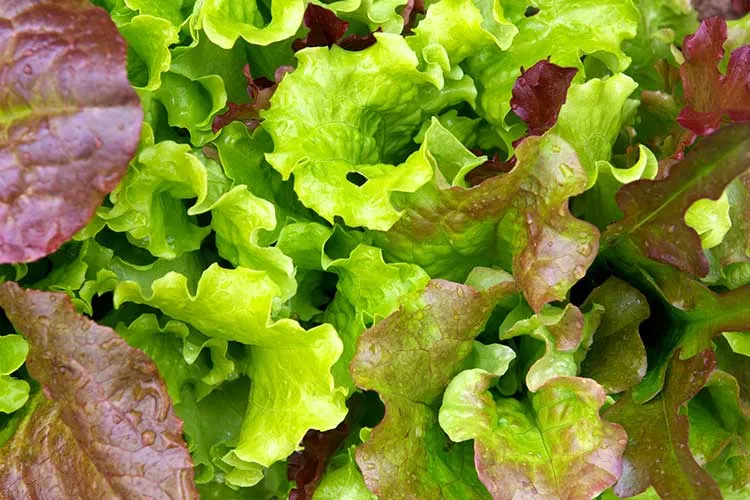 Loose-leaf lettuce stored in a perforated produce bag to maintain high humidity
Credit: www.farmfreshchoice.com
Loose-leaf lettuce stored in a perforated produce bag to maintain high humidity
Credit: www.farmfreshchoice.com
Frequently Asked Questions
How long does homegrown lettuce stay fresh in the fridge?
Properly stored homegrown lettuce stays crisp and safe to eat for 7–10 days, depending on the variety. Loose-leaf varieties tend to last longer (up to 10 days) than crisphead types (5–7 days), as their looser structure allows for better air circulation.
Can you store lettuce with the root ball attached?
Yes, if you harvest a whole head with a small portion of the root ball intact, wrap the root end in a damp paper towel and store it in a perforated bag in the crisper drawer. The small root piece will continue to supply moisture to the leaves, extending freshness by 2–3 days compared to detached heads.
What is the best temperature to store garden lettuce?
The ideal storage temperature for lettuce is 32–36°F (0–2°C), which slows wilting and bacterial growth without freezing the delicate leaves. Store lettuce in the main body of the fridge crisper drawer, not the door, to avoid temperature fluctuations.
Should you wash lettuce before storing it?
Only wash lettuce right before you plan to use it, if possible. If you need to wash it before storage, dry it completely with a salad spinner or clean kitchen towel to remove all excess moisture, as wet lettuce will rot within 24 hours.
Can you store lettuce without refrigeration?
Lettuce stays fresh for 4–6 hours at room temperature if stored in a cool, shaded, well-ventilated area away from direct sun. For longer storage, refrigeration is required, as warm temperatures cause rapid wilting and bacterial growth.
Is it safe to store lettuce in a glass container?
Absolutely. Glass containers with airtight seals are an excellent alternative to plastic bags, as they don’t absorb odors or stains from produce, are dishwasher-safe, and allow you to see the contents to check for spoilage. Just be sure to line the container with a dry paper towel to absorb excess moisture.
 Video guide showing the best methods to dry lettuce without bruising leaves
Credit: www.youtube.com
Video guide showing the best methods to dry lettuce without bruising leaves
Credit: www.youtube.com
Conclusion
Keeping garden-fresh lettuce crisp for weeks doesn’t require fancy equipment or complicated steps — it just requires matching your storage practices to the needs of delicate leafy greens. Harvest in cool morning hours, dry leaves completely before storing, keep them in a high-humidity crisper drawer away from ethylene-producing fruits, and avoid overcrowding your fridge to maintain consistent airflow. By following these simple, evidence-based tips, you can cut down on food waste and enjoy the sweet, crunchy flavor of your homegrown harvest for up to 10 days after picking. For even more tips on storing produce and creating fresh, flavorful meals with your garden bounty, check out more garden-to-table recipe ideas and try pairing your crisp lettuce with charcuterie board strawberries for fresh, colorful salads and snack platters.

Hi, I’m Daniel Brooks—a food lover and kitchen gear enthusiast. I enjoy testing cookware, utensils, and gadgets to see what really works in everyday cooking. At PlugChef.com, I share honest reviews, comparisons, and simple guides to help you choose the best tools for a safer, smarter, and more enjoyable kitchen.
Related posts:
 How to Warm Up Tortillas: Quick & Easy Methods for Perfect Softness
 Ice Cream Party Box Costco: Ultimate Treats for Every Celebration
 Hot Chocolate And Whiskey Recipe: Irresistible Cozy Drink Guide
 Cook’S Country Carrot Cake Recipe: Irresistibly Moist & Easy
 3 Ingredient Pickled Red Onions: Quick, Tangy, and Delicious Recipe
 Yukon Gold Potatoes Air Fryer: Crispy, Easy, and Delicious Recipes

