

Is your gas stove’s grate looking dull and covered in stubborn grease? Cleaning it can feel like a tough chore, but it doesn’t have to be.
Imagine making your stove look brand new again with just the right grate cleaner. You’ll discover simple, effective ways to get rid of grime and keep your stove shining. Ready to make your cooking space cleaner and more inviting? Let’s dive into the best grate cleaner tips that will save you time and effort.

Credit: www.amazon.ca
Choosing The Right Grate Cleaner
Choosing the right grate cleaner for your gas stove can make a huge difference in how easily and effectively you tackle grime and grease. Not all cleaners are built the same, and picking the wrong one might leave your stove looking worse or even damage the surface. Understanding the types of cleaners available, the differences between natural and chemical options, and the safety factors involved will help you make a smarter choice.
Types Of Cleaners
Grate cleaners come in various forms, each with its own strengths. You’ll find:
- Sprays:Easy to apply and great for quick touch-ups.
- Powders:Often more abrasive, good for scrubbing tough stains.
- Foams:Cling to vertical surfaces and penetrate grease well.
- Soaking solutions:Perfect for deep cleaning when you soak grates for a while.
Think about how much time you want to spend cleaning and how dirty your grates get. If you’re like me and hate scrubbing endlessly, soaking solutions might save you hours.
Natural Vs Chemical Options
You might wonder if natural cleaners can really compete with chemical ones. Natural options often use ingredients like baking soda, vinegar, or lemon juice. They’re gentler on your stove and the environment but may need more elbow grease.
Chemical cleaners are typically stronger and faster at cutting through grease. However, they can emit strong fumes and sometimes damage delicate finishes. If you have kids or pets, natural might be a safer bet for your household.
Safety Considerations
Safety should always be your top priority when choosing a cleaner. Chemical products often require gloves and good ventilation to avoid irritation. Never mix different cleaners, as this can cause dangerous reactions.
Natural cleaners generally pose fewer risks, but you should still avoid contact with eyes and skin. Always read labels carefully and test a small area first to prevent unexpected damage.
Have you ever tried a cleaner that worked wonders but left your hands burning? That experience alone made me switch to milder options, proving safety matters as much as effectiveness.
Preparation Before Cleaning
Proper preparation is essential before cleaning gas stove grates. It helps protect your stove and makes the cleaning easier. Take a few minutes to prepare the grates and gather the right tools. This prevents damage and ensures a thorough clean.
Removing The Grates Safely
Wait until the stove is completely cool before removing the grates. Hot grates can cause burns or damage surfaces. Lift the grates gently to avoid scratching the stove top. Place them on a flat, stable surface for cleaning. Avoid dropping or banging them to prevent cracks.
Pre-soaking Techniques
Pre-soaking loosens grease and grime on the grates. Use warm water mixed with dish soap or a gentle cleaner. Submerge the grates fully in the solution. Let them soak for at least 20 to 30 minutes. For tough stains, add a small amount of baking soda to the soak.
Gathering Essential Tools
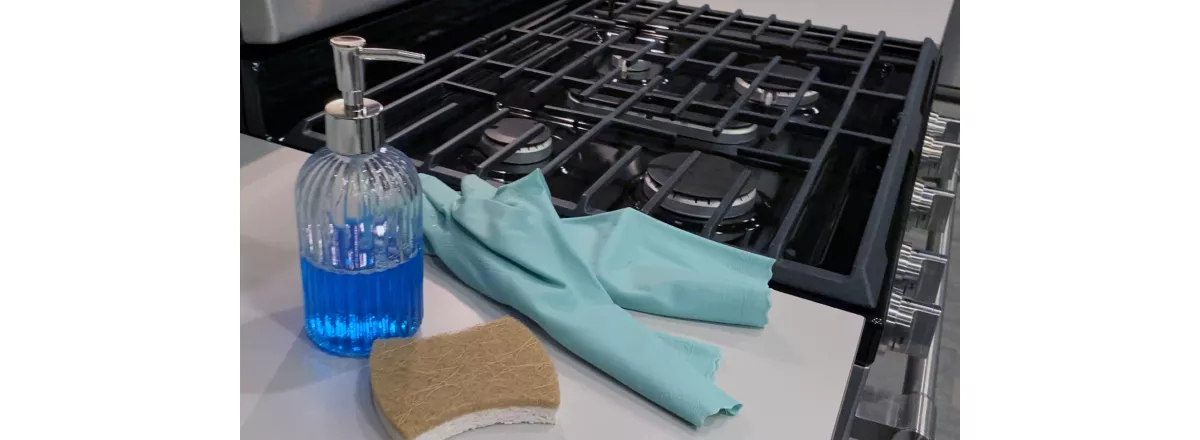
Collect all necessary tools before starting the cleaning. You will need:
- A soft scrub brush or sponge
- Dish soap or stove grate cleaner
- A container or sink large enough for soaking
- Microfiber cloths for drying
- Rubber gloves to protect your hands
Having these tools ready saves time and effort during cleaning.
Step-by-step Cleaning Methods
Cleaning your gas stove grates might seem daunting. But with the right methods, it becomes a breeze. Here, we explore step-by-step cleaning methods. They cater to different needs and preferences.
Using Dish Soap And Water
Start with a sink full of warm water. Add a generous squirt of dish soap. Submerge the grates in the soapy water. Let them soak for 15-30 minutes. Use a scrub brush to remove any debris. Rinse thoroughly with clean water. Dry them completely before placing back on the stove.
Baking Soda And Vinegar Approach
Make a paste of baking soda and water. Spread the paste on the grates. Let it sit for 20 minutes. Spray vinegar over the paste. Watch it fizz as it works on grime. Scrub the grates with a brush. Rinse well with water. Ensure the grates are dry before use.
Commercial Cleaner Application
Select a cleaner designed for stove grates. Read the instructions carefully. Apply the cleaner on the grates. Allow it to sit as directed. Scrub gently with a brush. Rinse with water to remove residue. Dry the grates completely before reinstalling.
Scrubbing Tips And Tricks
Use a non-abrasive brush to avoid scratches. Toothbrushes can reach small crevices. For tough stains, a nylon scrubber is effective. Circular motions help lift stubborn grime. Always rinse and dry thoroughly. This prevents rust and keeps grates looking new.

Credit: www.walmart.ca
Dealing With Tough Stains And Residue
Dealing with tough stains and residue on your gas stove grates can feel like a never-ending battle. Grease, burnt food, and spills often leave behind stubborn marks that simple wiping can’t fix. But with the right approach, you can restore your grates to their clean, functional state without too much effort.
Soaking Overnight
Soaking your grates overnight is a game-changer. Fill a basin or your kitchen sink with hot water and add a few drops of dish soap or a cup of vinegar for extra cleaning power. Let the grates sit submerged for 8 to 12 hours to loosen the grime and burnt-on residue.
This extended soak softens the tough stains, making scrubbing much easier the next day. Have you ever tried to scrub a dry, crusty grate? It’s frustrating. Soaking saves you time and energy.
Using A Brush Or Scraper
After soaking, use a sturdy brush or a plastic scraper to remove the loosened residue. A brush with stiff bristles works well to get into crevices and uneven surfaces. Avoid metal tools that can scratch or damage your grates.
If you find stubborn spots, apply a paste of baking soda and water, then brush gently. This combination acts like a mild abrasive without being harsh on the metal. Do you notice how a little extra elbow grease often makes all the difference?
Avoiding Damage To Grates
Your gas stove grates need careful handling to avoid cracks or rust. Never use steel wool or harsh chemical cleaners that strip the protective coating. Instead, opt for gentle cleaning agents and tools designed specifically for stove grates.
Dry the grates thoroughly after cleaning to prevent moisture-related damage. Have you checked if your grates have a specific manufacturer’s care guide? Following those instructions can extend their lifespan significantly.
Maintenance Tips For Longevity
Keeping your gas stove grates in top condition takes more than occasional scrubbing. Regular care not only maintains their appearance but also extends their lifespan. Are you ready to make your grate cleaner work harder and smarter for you?
Regular Cleaning Schedule
Set a cleaning routine that fits your cooking habits. After each use, wipe down the grates with a damp cloth to remove fresh spills before they harden. Weekly deep cleaning with a suitable grate cleaner prevents stubborn stains and keeps grease at bay.
Try marking your calendar or setting a reminder. This small habit saves you from tougher, time-consuming scrubbing later. How often do you find yourself putting off cleaning until the mess becomes overwhelming?
Preventing Buildup
Grease and food particles cause buildup that can damage your grates over time. Avoid letting spills sit too long by wiping them immediately. Use a non-abrasive scrubber with your grate cleaner to gently lift residue without scratching the surface.
Consider placing a drip pan or foil underneath to catch spills during heavy cooking. This simple step reduces direct grime on your grates. Have you noticed how small changes in your cooking routine can make cleanup easier?
Proper Drying And Storage
After cleaning, always dry your grates thoroughly to prevent rust and corrosion. Use a clean towel or let them air dry in a well-ventilated spot. Moisture trapped in crevices invites damage over time, even on stainless steel surfaces.
If you remove the grates for an extended period, store them in a dry area away from humidity. Keeping them dry ensures they stay ready for your next cooking adventure. How do you currently store your stove grates between uses?
Credit: www.maytag.ca
Common Mistakes To Avoid
Cleaning gas stove grates seems simple but many make mistakes that harm the grates or reduce cleaning power. Avoiding common errors can keep grates in good shape longer. Simple care steps protect your stove and save time.
Using Harsh Chemicals
Strong chemicals can damage the grate’s finish. Avoid bleach or ammonia-based cleaners. These can cause discoloration or corrosion. Choose mild dish soap or a cleaner made for stove grates. Gentle products clean well without causing harm.
Ignoring Manufacturer Instructions
Each stove grate may have specific care needs. Skipping the manual can lead to mistakes. Some grates are coated or made of special materials. Follow instructions to avoid damage and keep warranty valid. Read labels and guides carefully before cleaning.
Scrubbing With Abrasive Materials
Hard scrubbers or steel wool can scratch grates. Scratches trap dirt and weaken the surface. Use soft brushes or sponges instead. Non-abrasive tools clean effectively without damage. Gentle scrubbing protects the grate’s coating and extends its life.
Eco-friendly Cleaning Alternatives
Choosing eco-friendly cleaning alternatives for your gas stove grate cleaner helps protect the environment and your health. These options use natural ingredients that are safe and effective. They reduce harmful chemicals and waste while keeping your kitchen fresh and clean.
Eco-friendly cleaning is simple and budget-friendly. Many solutions use ingredients found in your home. They work well to remove grease and grime without toxic fumes or residues.
Homemade Cleaner Recipes
Create powerful cleaners with basic ingredients. Combine baking soda and water to make a paste. Apply it on stove grates and let it sit for 15 minutes. Then scrub gently with a brush or sponge. Vinegar spray helps dissolve tough stains. Mix equal parts of white vinegar and water. Spray on the grates, wait a few minutes, and wipe clean.
Reusing Household Ingredients
Reuse everyday items for cleaning tasks. Lemon juice naturally breaks down grease and adds a fresh scent. Use leftover coffee grounds as a mild scrub. They help remove stuck-on food without scratching surfaces. Old newspapers can replace paper towels for polishing and wiping glass parts.
Benefits Of Green Cleaning
- Reduces exposure to harmful chemicals
- Protects indoor air quality
- Less environmental pollution
- Cost-effective and reduces waste
- Safe for children and pets
Tips For Sparkling Gas Stove Grates
Keeping your gas stove grates sparkling clean not only improves the look of your kitchen but also ensures better cooking performance. Grimy grates can block burners and cause uneven flames, affecting your meal quality. With a few easy tips, you can maintain your grates in top shape and enjoy cooking on a spotless stove every day.
Polishing And Finishing Touches
After cleaning your gas stove grates, polishing them adds an extra shine that catches the eye. Use a soft cloth with a small amount of vegetable oil or a specialized metal polish to buff the grates gently.
This simple step helps protect the metal from rust and keeps your grates looking new for longer. Have you noticed how a little polish can instantly lift the whole kitchen’s vibe? It’s a quick trick that makes a big difference.
Regular Inspection For Damage
Check your grates regularly for cracks, chips, or warping. Damaged grates can affect burner performance and even pose safety risks.
Look closely at the corners and edges—these spots are most vulnerable. Spotting damage early means you can fix minor issues before they become costly problems.
When To Replace Grates
Knowing when to replace your gas stove grates can save you frustration. If cleaning and polishing no longer restore their appearance, or if you see significant structural damage, it’s time for new grates.
Replacement grates don’t have to be expensive, and fitting new ones can improve your stove’s efficiency. Would you rather struggle with uneven heating or enjoy smooth cooking with fresh grates?
Frequently Asked Questions
What Is The Best Grate Cleaner For Gas Stoves?
The best grate cleaner effectively removes grease and burnt residue. Look for non-toxic, eco-friendly formulas safe for cast iron and enamel. Powder or liquid cleaners with degreasing agents work well. Always check compatibility with your stove type for optimal results.
How Often Should I Clean Gas Stove Grates?
Cleaning stove grates weekly prevents buildup and improves stove efficiency. For heavy use, clean grates after each cooking session. Regular cleaning extends grate life and maintains kitchen hygiene, reducing fire hazards caused by grease accumulation.
Can I Use Homemade Cleaners For Stove Grates?
Yes, homemade cleaners like baking soda and vinegar effectively clean stove grates. Mix baking soda with water to form a paste, apply, and scrub gently. Vinegar helps dissolve grease. These methods are safe, eco-friendly, and budget-friendly for routine cleaning.
Are Chemical Grate Cleaners Safe For All Gas Stoves?
Not all chemical cleaners suit every stove grate. Some harsh chemicals can damage enamel or cast iron finishes. Always read product labels and test cleaners on small areas first. Opt for products labeled safe for your specific grate material to avoid damage.
Conclusion
A clean grate makes cooking safer and more pleasant. Dirt and grease can block heat and cause smoke. Using a good grate cleaner saves time and effort. It helps keep your gas stove looking like new. Clean grates also last longer and work better.
Regular cleaning prevents buildup and keeps your kitchen fresh. Choose a cleaner that works well and is easy to use. Your stove will thank you with better performance and safety. Clean grate, happy cooking!

Hi, I’m Daniel Brooks—a food lover and kitchen gear enthusiast. I enjoy testing cookware, utensils, and gadgets to see what really works in everyday cooking. At PlugChef.com, I share honest reviews, comparisons, and simple guides to help you choose the best tools for a safer, smarter, and more enjoyable kitchen.
Related posts:
 What Type of Cooking Utensils are Safe: Expert Picks
 What Innovations Could Blenders Make: Unleashing Future Tech
 Smart Strategies to Organize a Small Kitchen: Maximize Space
 How to Organize a Kitchen Cabinet: Expert Tips & Tricks
 How to Organize Kitchen Drawers: Expert Tips and Tricks
 How to Organize a Corner Kitchen Cupboard: Expert Tips

