
There’s nothing quite like the smell of navy beans and ham simmering on the stove to make a house feel like home. This timeless, budget-friendly dish balances creamy, tender beans with rich, smoky ham for a meal that feels indulgent but takes minimal active effort. Whether you’re looking for a quick weeknight dinner, a make-ahead meal prep option, or a crowd-pleasing potluck dish, this recipe is endlessly customizable to fit your taste and schedule. It’s just as simple to throw together as other low-effort weeknight dinner staples like oven-baked frozen salmon, but packs even more cozy, comforting flavor.
Why This Navy Beans and Ham Recipe Is a Kitchen Staple
Navy beans and ham is more than just a comfort food classic—it’s a nutritionally balanced, flexible dish that works for almost any dietary need. A single 1-cup serving packs 15g of plant-based protein and 10g of fiber from the beans, plus complete animal protein from the ham, making it incredibly filling without feeling heavy. It’s also extremely budget-friendly: dry navy beans cost pennies per serving, and the recipe works perfectly with leftover ham scraps or affordable smoked ham hocks to reduce food waste. Unlike more complicated comfort food recipes, it requires no special equipment or hard-to-find ingredients, and leftovers taste even better the next day as flavors meld.
What You’ll Need: Ingredients for Success
Getting the right ingredients is the key to a deeply flavorful, perfectly textured dish. Each component plays a specific role in building the rich, savory profile this recipe is known for.
Choosing the Right Navy Beans: Dry vs. Canned
Traditional navy beans (also called pea beans) are small, white, and have a naturally creamy, mild flavor that pairs perfectly with smoky ham. When buying dry beans, look for uniform, unblemished beans free of cracks or shriveling, and store them in a cool, dark pantry for up to 1 year. Dry beans produce the creamiest texture and absorb ham flavor most effectively, but they require soaking and longer cook times. If you’re short on time, rinsed canned navy beans work as a convenient swap: rinsing removes up to 40% of excess sodium and preserves the beans’ subtle flavor. The trade-off is a slightly firmer texture, but canned beans are ideal for quick weeknight versions of the recipe.
Selecting the Best Ham for Maximum Flavor
The ham you choose will set the tone for the entire dish. For the deepest, most authentic smoky flavor, use a smoked ham hock or shank: it’s affordable (often under $3 at most grocery stores), renders flavorful fat into the cooking liquid, and has just enough meat to add hearty texture. For a meatier, less fatty option, use a bone-in smoked ham steak, trimming excess fat before cooking if desired. If you have leftover diced smoked ham from a previous meal, that works perfectly too—just be sure to taste the broth before adding extra salt, as pre-cooked ham can be very high in sodium. Avoid extremely salty country ham unless you plan to adjust the recipe’s other seasonings heavily to balance the saltiness.
Essential Seasonings and Aromatics
The base of this recipe relies on simple, pantry-staple seasonings to amplify the natural flavors of the beans and ham, no fancy ingredients required:
- 1 medium yellow onion, diced
- 3 cloves garlic, minced
- 2 bay leaves
- 1 sprig fresh thyme (or 1/4 tsp dried thyme)
- 6 cups low-sodium chicken or vegetable broth (for deeper flavor than water)
- Freshly ground black pepper, to taste Optional add-ins for extra depth: 1 tsp apple cider vinegar (to brighten heavy flavors), 1/2 tsp smoked paprika (for extra smokiness), 1 cup diced carrots and celery (for sweetness and texture), 1/4 tsp red pepper flakes (for subtle heat).
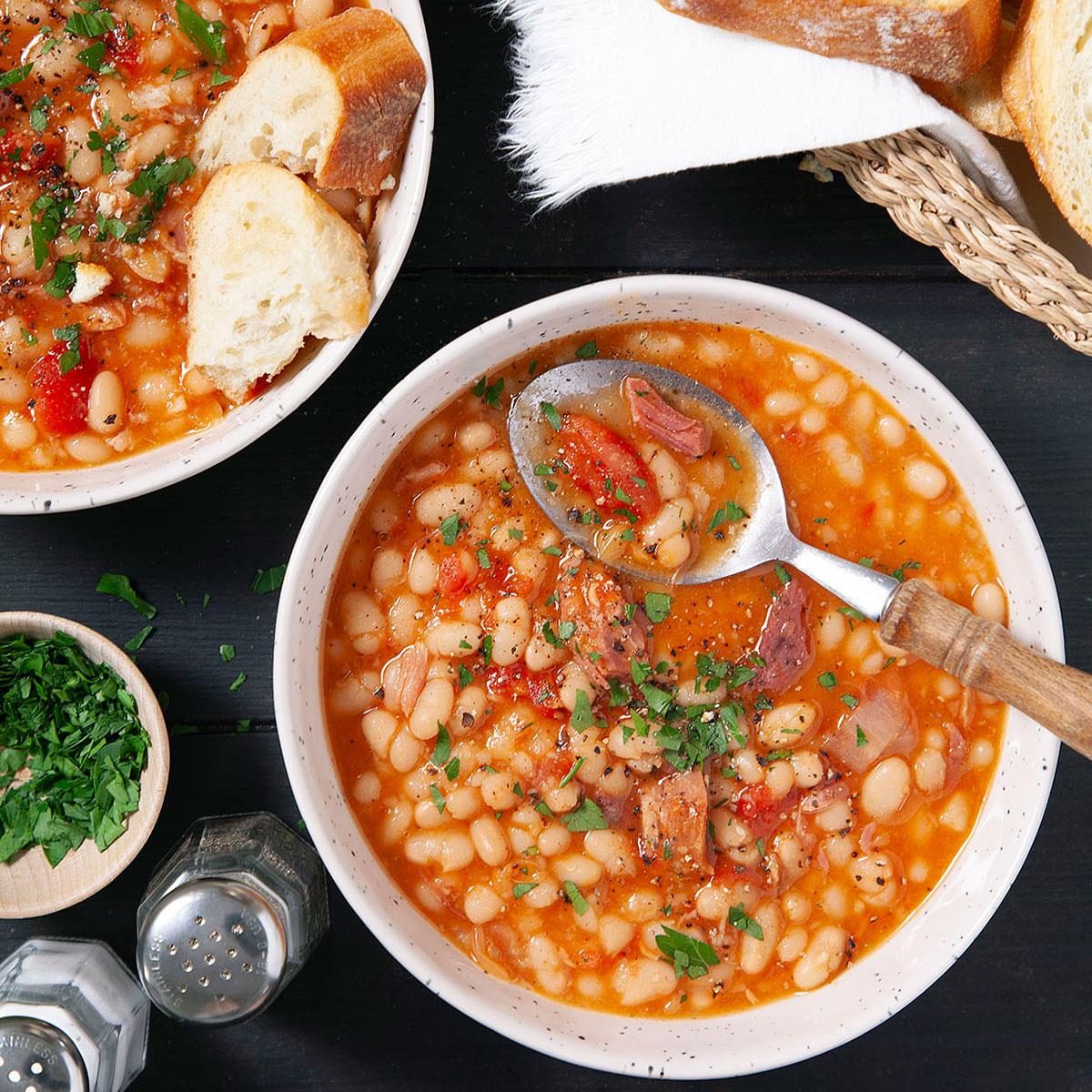 Creamy navy bean soup with smoked ham, perfect for cold winter nights
Credit: www.tasteofhome.com
Creamy navy bean soup with smoked ham, perfect for cold winter nights
Credit: www.tasteofhome.com
Step-by-Step Preparation: No Fuss, All Flavor
The key to perfect navy beans and ham is avoiding two common mistakes: boiling the beans too vigorously (which splits their skins and creates mushy texture) and underseasoning to balance salty ham. Follow these steps for consistent, delicious results every time.
Prep Work: Soaking and Prepping Ingredients
If using dry navy beans, start by rinsing 1 lb of beans under cold running water to remove any debris or dust, and pick out any shriveled or cracked beans. Soak the beans using one of two methods:
- Overnight soak (recommended for creamiest texture): Cover beans with 2 inches of cold water, refrigerate for 8–12 hours. Soaking also breaks down complex sugars that can cause digestive discomfort for some people, per USDA dry bean preparation guidelines.
- Quick soak (for last-minute cooking): Cover beans with water, bring to a rolling boil for 2 minutes, remove from heat, cover, and let sit for 1 hour. While the beans soak, prep your ham: if using a ham hock, rinse and pat dry; if using diced ham, cut into 1/2-inch cubes for even cooking. Dice the onion, mince the garlic, and chop any optional veggies.
Building the Flavor Base
Heat 1 tbsp of neutral oil (or render 2 tbsp of fat trimmed from the ham hock) in a heavy-bottomed pot or Dutch oven over medium heat. Add the diced onion and sauté for 5–7 minutes, until soft and translucent, but not browned. Add the minced garlic and sauté for 30 seconds, until fragrant—take care not to burn the garlic, as it will turn bitter and ruin the dish’s flavor.
Simmering to Perfection
Drain the soaked beans (if using dry) and add them to the pot, along with the ham, bay leaves, thyme, and 6 cups of low-sodium broth. Bring the mixture to a gentle boil, then reduce heat to low, cover, and simmer:
- Pre-soaked dry beans: 1 to 1.5 hours
- Unsoaked dry beans: 2 to 2.5 hours
- Canned rinsed beans (added in the last 15 minutes of cooking): 15 minutes total simmer time Stir occasionally, and add more broth or water if the beans are not covered by liquid. Test for doneness: beans should be tender but still hold their shape when pressed between your fingers. If using a ham hock, remove it from the pot, shred any remaining meat off the bone, discard the bone and excess fat, and return the shredded meat to the pot. Season with black pepper, and add optional add-ins like apple cider vinegar or smoked paprika. Taste before adding extra salt, as ham can be very salty on its own.
3 Easy Cooking Methods for Every Schedule
This recipe adapts to almost any cooking setup, from stovetop to multi-cookers, so you can make it work for your schedule.
Stovetop (Best for Traditional, Rich Flavor)
The stovetop method delivers the deepest, most developed flavor, as the long, gentle simmer allows the ham and bean flavors to fully meld. Follow the prep steps above, then simmer covered on low heat, stirring every 20 minutes to prevent sticking. Avoid raising the heat to speed up cooking, as vigorous boiling will split the beans’ skins and create a mushy texture. This method is ideal for weekend cooking when you have time to tend the pot.
Slow Cooker (Best for Hands-Off Weeknights)
For a truly set-it-and-forget-it meal, the slow cooker is a great option. Add pre-soaked dry beans (or 3 rinsed cans of navy beans for a faster version), diced ham, sautéed onion and garlic, bay leaves, thyme, and 4 cups of low-sodium broth to a 6-quart slow cooker. Cook on low for 7–8 hours (or high for 4–5 hours). If using unsoaked dry beans, add an extra cup of broth and cook on low for 8–9 hours. Avoid opening the lid for the first 3 hours of cooking, as this releases heat and extends cook time. For a pro tip: if using canned beans, add them in the last 30 minutes of cooking to avoid turning to mush.
Instant Pot (Best for 30-Minute Meals)
If you’re short on time, the Instant Pot eliminates the need for soaking dry beans and cuts cook time to under 30 minutes. Rinse 1 lb of dry navy beans (no soaking needed) and add them to the Instant Pot along with diced ham, sautéed onion and garlic, bay leaves, thyme, and 4 cups of low-sodium broth. Seal the lid, set to high pressure for 30 minutes, then let pressure release naturally for 15 minutes before quick-releasing any remaining pressure. Stir, season to taste, and add optional add-ins. If using canned beans, set to high pressure for 5 minutes, with a 5-minute natural release.
 Simmering navy beans and ham in a heavy-bottomed pot for deep, even flavor
Credit: cooking.nytimes.com
Simmering navy beans and ham in a heavy-bottomed pot for deep, even flavor
Credit: cooking.nytimes.com
Delicious Meal Ideas Beyond Basic Soup
While classic navy bean soup is a staple, these ingredients work beautifully in a range of dishes for every occasion.
Classic Creamy Navy Bean Soup with Ham
The traditional preparation is a cold-weather favorite: after simmering, remove 1 cup of cooked beans and mash them with a fork, then stir the mashed beans back into the pot to thicken the broth into a rich, creamy soup. Serve with a sprinkle of freshly chopped parsley and crusty sourdough bread for dipping. For a heartier, nutrient-packed version, add 2 cups of chopped kale or spinach in the last 5 minutes of cooking, and a pinch of red pepper flakes for a subtle kick.
Hearty Navy Bean and Ham Casserole
Turn leftover soup or a fresh batch into a baked casserole perfect for potlucks or family dinners: mix 4 cups of cooked navy beans and ham with 1 cup of shredded cheddar cheese, 1/2 cup of heavy cream, and 1 cup of frozen diced mixed veggies. Transfer to a greased 9×13 inch baking dish, top with 1 cup of panko breadcrumbs mixed with 2 tbsp melted butter, and bake at 375°F for 25 minutes until golden and bubbly. For a gluten-free version, use gluten-free breadcrumbs or skip the topping entirely. The casserole can be assembled up to 24 hours in advance and refrigerated before baking—add 5 minutes to the bake time if starting from cold.
Savory Navy Bean and Ham Dip
For a party appetizer or game day snack, mash 2 cups of cooked navy beans and ham with 1/2 cup of softened cream cheese, 1/4 cup of sour cream, 1 tsp garlic powder, 1 tsp smoked paprika, and a pinch of cayenne pepper. Transfer to a small baking dish and bake at 350°F for 15 minutes until warm and bubbly. Serve with tortilla chips, crusty bread, or vegetable crudités for a high-protein, flavorful dip that disappears fast at gatherings.
Cold Navy Bean and Ham Salad
For a light, refreshing lunch or side dish, mix 2 cups of cooled cooked navy beans and 1 cup of diced ham with 1/2 cup of diced red bell pepper, 1/4 cup of chopped fresh parsley, 1/4 cup of diced red onion, and a simple vinaigrette made from 3 tbsp olive oil, 1 tbsp apple cider vinegar, 1 tsp Dijon mustard, 1 tsp honey, salt, and pepper. Chill for 30 minutes before serving to let flavors meld. This salad is packed with protein and fiber, making it a filling standalone meal or a side for grilled meats.
Pro Tips for Perfect Flavor Every Time
Even small tweaks can take this dish from good to great. These practical, tested tips address common pitfalls and help you customize the recipe to your taste.
Adjusting for Ham Saltiness
The most common mistake when making this recipe is underseasoning to balance very salty cured ham. Pro tip: taste the broth 30 minutes into simmering before adding any extra salt. If the ham is very salty, skip adding extra salt entirely, and use low-sodium broth instead of regular. If you accidentally over-salt the dish, add a peeled, diced potato to the pot while simmering for 15 minutes—it will absorb excess salt, then discard the potato before serving.
Boosting Umami Without Extra Salt
For deeper, richer flavor without adding more sodium, stir 1 tsp of Worcestershire sauce or tamari (for gluten-free diets) into the pot during simmering. Both add deep umami that complements the smoky ham and creamy beans. Another easy swap: stir 1 tbsp of tomato paste into the onion and garlic while sautéing, which adds a subtle sweetness and depth that balances salty ham without extra salt.
Garnishing for a Restaurant-Quality Finish
A simple garnish can elevate the dish from homey to polished: top bowls with a sprinkle of freshly chopped parsley, a drizzle of extra virgin olive oil, or a dash of red pepper flakes. If you have fresh herbs on hand, a sprig of thyme or a few leaves of fresh rosemary add a bright, aromatic finish. To keep fresh herbs lasting longer for garnishing and other recipes, follow keeping fresh herbs from wilting prematurely to avoid waste.
Dietary Restriction Adaptations
This recipe is easy to modify for almost any dietary need:
- Gluten-free: Use gluten-free broth and skip any wheat-based thickeners in casserole or dip versions.
- Dairy-free: Skip cream, cheese, or sour cream additions in casserole or dip recipes.
- Lower sodium: Use low-sodium ham, rinse canned beans thoroughly, use low-sodium broth, and skip adding extra salt.
- Vegetarian: Swap ham for smoked paprika, a splash of liquid smoke, or diced portobello mushrooms, and use vegetable broth for a rich, smoky, hearty plant-based version.
Storing, Reheating, and Freezing Leftovers
This recipe makes excellent leftovers, and proper storage ensures it stays tasty and safe to eat for days.
Refrigerator Storage
Let the cooked navy beans and ham cool completely (no more than 2 hours at room temperature, per food safety guidelines) before transferring to an airtight container. Store in the refrigerator for up to 4 days. Always reheat leftovers to an internal temperature of 165°F (74°C) to eliminate foodborne bacteria, as recommended by USDA food safety standards.
Freezing for Long-Term Storage
This dish freezes beautifully for up to 3 months. Portion into airtight freezer-safe containers or heavy-duty freezer bags, removing as much air as possible to prevent freezer burn. Label each portion with the date and contents. Thaw overnight in the refrigerator before reheating on the stovetop over low heat, adding a splash of broth if the mixture has thickened too much. Avoid freezing versions with added dairy (cream, cheese), as it will separate when thawed—add dairy fresh when reheating instead.
Reheating Best Practices
Reheat gently over low heat on the stovetop, stirring occasionally, to avoid splitting the beans or scorching the bottom of the pot. If using a microwave, heat in 1-minute intervals, stirring between each, to heat evenly. Add a splash of broth or water if the mixture looks dry, as beans absorb liquid as they sit. Never reheat the dish more than once, as repeated heating increases the risk of foodborne illness.
Frequently Asked Questions
Can I cook navy beans with ham without soaking them first?
Yes, but unsoaked dry beans will take 30–45 minutes longer to cook, and may have a slightly firmer texture. Soaking also reduces the compounds that cause digestive discomfort for some people, so it’s recommended if you have time. If you’re short on time, use rinsed canned navy beans, which require no soaking or long cook times.
Is navy beans with ham a healthy meal?
Absolutely, when prepared with lean ham and minimal added salt. Navy beans are high in plant-based protein, fiber, iron, and B vitamins, while ham adds complete animal protein and iron. A standard 1-cup serving has around 15g of protein and 10g of fiber, making it very filling. To keep it healthy, use lean smoked ham, load up on added vegetables like carrots, celery, and kale, and limit added salt.
Can I make this recipe in a Dutch oven?
Yes, a Dutch oven is actually the ideal vessel for this recipe, as its heavy bottom distributes heat evenly and prevents scorching during long simmers. For more tested Dutch oven favorites that are just as hearty and easy, check out our curated collection.
What can I serve with navy beans and ham?
This dish is a complete meal on its own, but it pairs beautifully with crusty sourdough bread for dipping, a simple green salad with a light vinaigrette, or roasted root vegetables. For a full comfort food spread, pair it with crowd-pleasing family casseroles like chicken bacon ranch rice casserole for a potluck or family dinner.
Can I use other types of beans for this recipe?
Yes, while navy beans are traditional for their creamy texture and mild flavor, you can substitute Great Northern beans, cannellini beans, or even pinto beans if you prefer. Each will have a slightly different texture and flavor, but the cooking method and ham pairing work exactly the same.
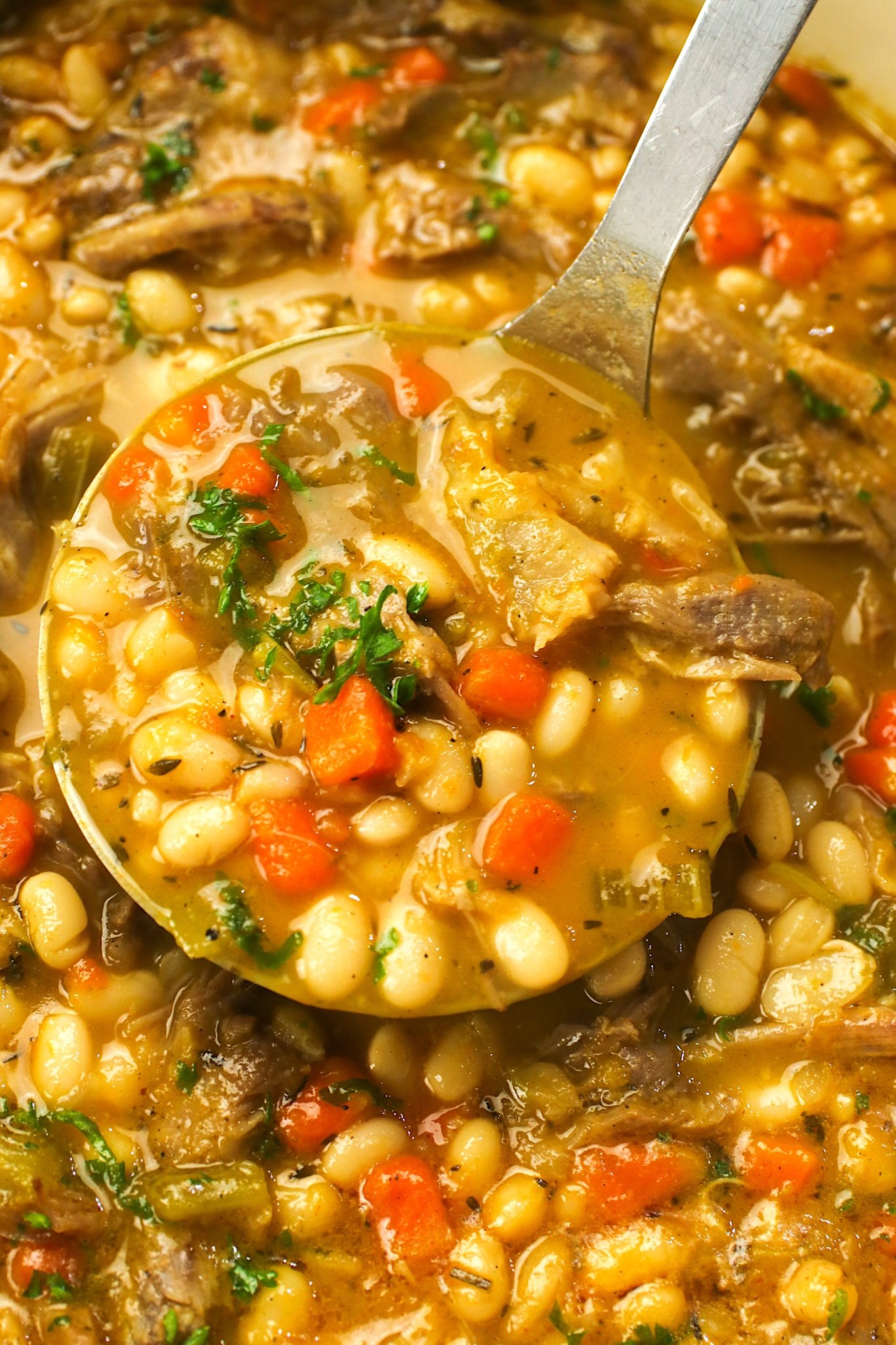 Finished navy bean soup topped with fresh herbs for a bright, fresh finish
Credit: www.africanbites.com
Finished navy bean soup topped with fresh herbs for a bright, fresh finish
Credit: www.africanbites.com
Conclusion
Navy beans with ham is a timeless, versatile dish that earns its spot as a year-round kitchen staple. It’s budget-friendly, packed with protein and fiber, endlessly customizable, and delivers that cozy, comforting flavor people crave without hours of active cooking time. Whether you serve it as a classic soup, a baked casserole, a party dip, or a cold salad, it’s sure to become a go-to meal for busy weeknights, meal prep, and casual gatherings with friends and family. If you’re looking for more easy, hearty weeknight meals to add to your rotation, explore our collection of freezer-friendly slow cooker meals for hands-off cooking any night of the week.

Hi, I’m Daniel Brooks—a food lover and kitchen gear enthusiast. I enjoy testing cookware, utensils, and gadgets to see what really works in everyday cooking. At PlugChef.com, I share honest reviews, comparisons, and simple guides to help you choose the best tools for a safer, smarter, and more enjoyable kitchen.
Related posts:
 Rev a Shelf Drawer Organizers: Transform Your Space Effortlessly
 2 Tier Drying Dish Rack: Ultimate Space-Saving Solution
 Wall Mounted Dish Drying Rack Ikea: Space-Saving Solutions
 Why Pineapple Belongs on Pizza: Deliciously Bold Flavor Fusion
 How to Reheat a Brisket: Easy Tips for Juicy, Tender Meat
 What Goes Good With Pizza: Delicious Pairings You Must Try

