
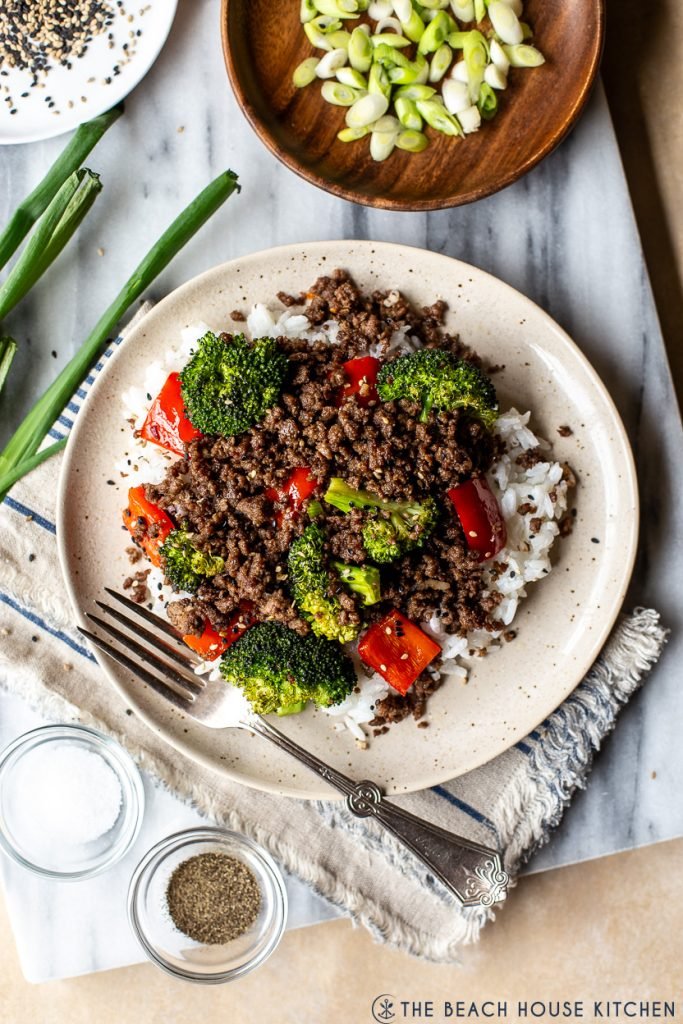
Are you craving a delicious meal that’s quick to make and packed with flavor? This Korean Beef and Broccoli recipe is exactly what you need.
Imagine tender beef cooked to perfection, combined with fresh, crunchy broccoli, all coated in a rich, savory sauce that will make your taste buds dance. Whether you’re cooking for yourself or your family, this dish is simple, satisfying, and sure to become a favorite.
Keep reading, and you’ll discover easy steps to create this mouthwatering meal right in your own kitchen.
Ingredients For Korean Beef And Broccoli
Getting the ingredients right is key to making a delicious Korean Beef and Broccoli dish. Each component plays a specific role in creating the perfect balance of flavors and textures. Knowing what to look for can save you time and elevate your cooking experience.
Beef Selection Tips
Choosing the right cut of beef makes a big difference in taste and tenderness. Opt for thinly sliced flank steak or sirloin for the best results—they cook quickly and stay tender.
Look for beef with a bright red color and fine marbling. Avoid cuts that look dull or have too much fat, as they won’t sear well and can become chewy.
Choosing Fresh Broccoli
Fresh broccoli should have firm stalks and vibrant green florets. Avoid broccoli with yellowing or soft spots since these indicate it’s past its prime.
When you pick your broccoli, check the stems too—they should snap easily when bent, which means the vegetable is fresh and crisp.
Sauce Ingredients
The sauce is where the magic happens, so use quality ingredients. You’ll need soy sauce, brown sugar, garlic, and ginger for that classic savory-sweet flavor.
Adding a touch of sesame oil or chili flakes can boost the dish’s aroma and give it a subtle kick. Have you tried using fresh ginger instead of powdered? It makes a noticeable difference in flavor.
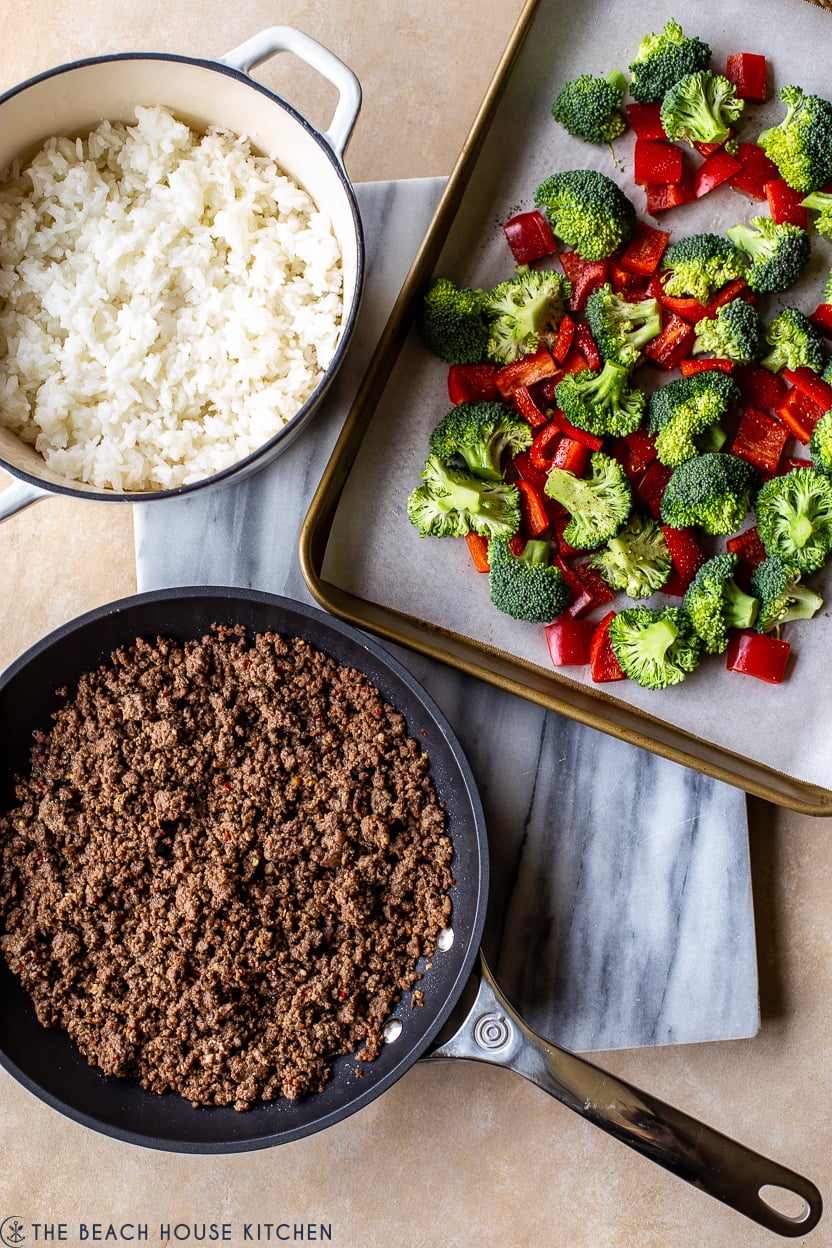
Credit: thebeachhousekitchen.com
Preparing The Beef
Preparing the beef is a key step in making Korean Beef and Broccoli. The right cut and preparation affect taste and texture. It needs to be tender and flavorful. Proper slicing and marinating make a big difference. Let’s explore how to prepare the beef perfectly.
Slicing Techniques
Choose a tender cut like sirloin or ribeye. Slice the beef thinly for quick cooking. Cut against the grain. This makes the meat softer and easier to chew. Keep slices uniform in size. Aim for about 1/8 inch thickness. Use a sharp knife to get clean cuts. Slightly freezing the beef helps slice it thinly. Thin slices absorb the marinade better and cook evenly.
Marinating Tips
Marinate the beef for at least 20 minutes. Use soy sauce, garlic, ginger, and a little sugar. Add sesame oil for a nutty flavor. The marinade tenderizes and adds taste. Do not soak the beef too long. Over-marinating can make it mushy. Mix the marinade well before adding the beef. Toss the beef gently to coat every piece. Keep the beef chilled while marinating. This keeps it fresh and safe to eat.
Cooking The Broccoli
Broccoli cooks quickly, keeping its crunch and bright green color. Steaming or stir-frying works best for Korean beef and broccoli dishes. Avoid overcooking to preserve flavor and nutrients.
Cooking broccoli to perfection is a key part of making a delicious Korean Beef and Broccoli dish. The broccoli should be vibrant and crisp, providing a delightful contrast to the savory beef. Achieving this texture can be a bit tricky, but with the right techniques, you can master it.
Blanching For Crispness
Blanching is a simple yet effective technique that ensures your broccoli retains its bright green color and crisp texture. Start by bringing a pot of salted water to a boil. Add the broccoli florets and let them cook for just one to two minutes. After boiling, immediately transfer the broccoli to a bowl of ice water. This stops the cooking process and locks in the color and crunch. You might be surprised at how this simple step elevates the overall dish.
Stir-frying Methods
If you’re aiming for a more intense flavor, stir-frying is the way to go. Heat a bit of oil in a pan until it’s hot, then add the broccoli. Keep stirring continuously to ensure even cooking. To enhance the flavor, consider adding a splash of soy sauce or a sprinkle of sesame seeds while stir-frying. This method not only cooks the broccoli but infuses it with the rich flavors of your sauce. Have you ever tried tweaking these techniques to suit your taste? Cooking is all about experimenting and discovering what works best for you.
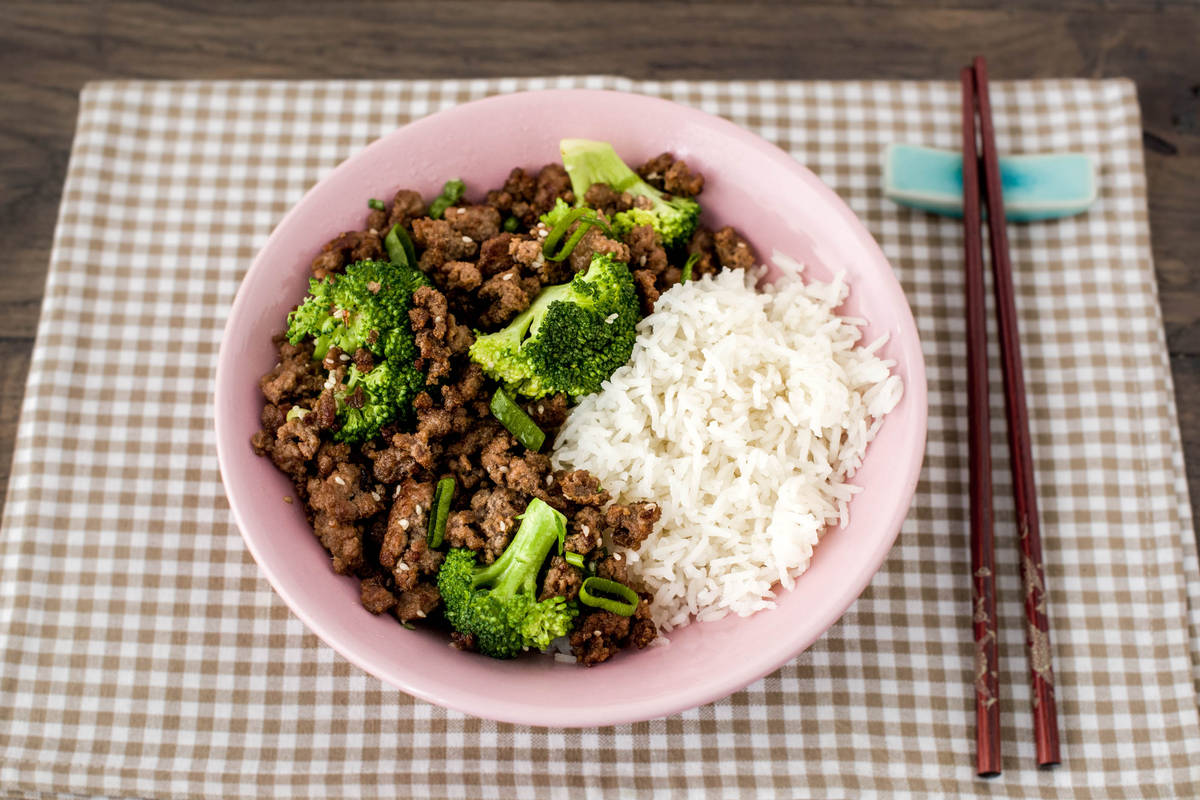
Credit: www.hellofresh.com.au
Making The Sauce
The sauce is the heart of Korean Beef and Broccoli. It brings all flavors together and creates a delicious coating for the beef and vegetables. Making the sauce right ensures a perfect balance of taste and aroma. Use fresh ingredients and mix them carefully to get a rich and tasty sauce.
Balancing Sweet And Savory
A great Korean sauce blends sweet and savory perfectly. Soy sauce gives the salty, savory base. Brown sugar or honey adds just enough sweetness. This mix creates a smooth taste that is not too salty or too sweet.
Rice vinegar or a splash of water can lighten the sauce. It stops the sauce from being too thick or heavy. Taste the sauce as you mix. Adjust the sweet or salty parts to suit your preference.
Incorporating Garlic And Ginger
Garlic and ginger add warmth and spice. Fresh garlic minced finely gives a strong, fresh flavor. Ginger adds a little heat and brightness.
Grate or mince the ginger and garlic before adding. Cooking them briefly in the sauce releases their full flavor. This step makes the sauce fragrant and more complex.
Combining Ingredients
Combining the ingredients in a Korean Beef and Broccoli recipe is where the magic truly happens. It’s not just about mixing; it’s about timing and technique to ensure every bite bursts with flavor and texture. Balancing the tender beef with crisp broccoli while wrapping them in a rich, savory sauce will elevate your dish from simple to spectacular.
Stir-frying Beef And Broccoli Together
Stir-frying is a fast and high-heat cooking method that keeps the broccoli crisp and the beef juicy. Start by cooking the beef in batches to avoid overcrowding the pan, which can cause steaming instead of searing. Once the beef has a nice brown crust, remove it and quickly toss in the broccoli to maintain its crunch.
After the broccoli softens slightly but still snaps when bitten, add the beef back to the pan. This quick return allows the flavors to mingle without overcooking either ingredient. Have you noticed how timing the addition of each ingredient impacts the texture and taste? That’s the key to a perfect stir-fry.
Achieving Perfect Sauce Coating
The sauce is what ties everything together. Pour it over the beef and broccoli in the hot pan, then stir vigorously to coat every piece evenly. The heat helps the sauce thicken and cling to the ingredients, creating a glossy finish that looks as good as it tastes.
Don’t just dump the sauce and walk away—keep stirring and tossing for at least a minute. This action ensures the sauce penetrates the beef and broccoli, soaking into every nook and cranny. Have you ever had a stir-fry where the sauce pools at the bottom? That usually means it wasn’t stirred enough. Your goal is to achieve a silky, sticky coating that enhances every bite.
Serving Suggestions
Serving Korean beef and broccoli is a joy with the right sides and toppings. These choices bring out the flavors and create a balanced meal. Simple additions make every bite more exciting and fresh.
Best Rice Pairings
Rice is a classic base for this dish. It soaks up the sauce and complements the tender beef and broccoli perfectly.
- Steamed white rice offers a clean, soft texture.
- Brown rice adds a nutty flavor and extra fiber.
- Jasmine rice brings a light floral aroma and softness.
- Cauliflower rice is a low-carb option with a mild taste.
Choose the rice that fits your taste and diet. All enhance the rich, savory sauce beautifully.
Garnishes And Extras
Simple garnishes add crunch, color, and freshness. They lift the dish visually and in flavor.
- Toasted sesame seeds add a nutty crunch.
- Chopped green onions provide a sharp, fresh bite.
- Fresh cilantro adds a bright, herbal note.
- Thin red chili slices give a mild heat and vibrant color.
Serve with a side of pickled vegetables or kimchi for a tangy contrast. These extras complete your Korean beef and broccoli meal with flair.
Tips For A Healthier Meal
Making your Korean Beef and Broccoli meal healthier doesn’t mean sacrificing flavor. Small adjustments can make a big difference in nutrition without compromising taste. Let’s dive into practical tips that help you enjoy this dish guilt-free and nourishing.
Reducing Sodium And Sugar
Soy sauce and sugar are key to the classic Korean Beef and Broccoli flavor, but they can add a lot of sodium and sugar to your meal. Try using low-sodium soy sauce or tamari to cut down on salt without losing the umami taste.
Swap regular sugar for natural sweeteners like honey or maple syrup, but use them sparingly. You can also add a splash of fresh orange juice for sweetness and a citrusy twist that brightens the dish.
Have you ever tried adding a bit of garlic and ginger to boost flavor instead of relying heavily on sugar? These spices add depth and health benefits, making your meal both tasty and nutritious.
Using Lean Beef Cuts
Choosing lean cuts of beef, such as sirloin or round steak, lowers the fat content and keeps the dish light. When I switched to sirloin, I noticed my meals felt less heavy but still satisfying.
Trim off any visible fat before cooking. This simple step reduces unnecessary calories without impacting the juicy texture of the beef.
Consider thinly slicing the beef to help it cook quickly and absorb the flavors better. This way, you get tender bites with less oil needed for cooking.
Variations To Try
Exploring different versions of Korean Beef and Broccoli can make this dish exciting. Small changes in ingredients or spices can create fresh flavors. These variations fit various tastes and diets.
Spicy Korean Beef And Broccoli
Add a spicy kick to the classic recipe by mixing in gochujang, a Korean chili paste. It gives the dish a bold, rich heat. Use about one to two tablespoons for moderate spice. Include crushed red pepper flakes for an extra fiery touch. Balance the heat with a bit of honey or sugar. This spicy version pairs well with steamed rice or noodles.
Vegetarian Alternatives
Replace beef with firm tofu or tempeh for a vegetarian-friendly meal. Press tofu to remove water and cut into cubes. Marinate tofu or tempeh in the same sauce used for beef. Stir-fry with broccoli and your favorite vegetables. Mushrooms, such as shiitake or portobello, add a meaty texture. This option keeps the dish rich in protein and flavor without meat.

Credit: homecookedliving.com
Frequently Asked Questions
What Ingredients Are Needed For Korean Beef And Broccoli?
You need beef, broccoli, soy sauce, garlic, ginger, brown sugar, and sesame oil. These create the signature Korean flavor. Rice or noodles can be served alongside for a complete meal.
How Long Does It Take To Cook This Recipe?
The recipe takes about 20-25 minutes. Marinating the beef for 10 minutes enhances flavor. Cooking time is short, perfect for quick weeknight dinners.
Can I Use Other Cuts Of Beef For This Dish?
Yes, flank steak or sirloin work well. Choose thinly sliced beef for quick cooking. These cuts absorb marinade flavors and stay tender.
Is Korean Beef And Broccoli Healthy?
Yes, it’s balanced with protein and vegetables. Broccoli provides fiber and vitamins. Using lean beef and moderate sauce keeps calories controlled.
Conclusion
This Korean beef and broccoli recipe is simple and tasty. You can make it quickly on busy days. The flavors blend well and satisfy your hunger. Fresh ingredients make the dish healthy and bright. Serve it with rice for a complete meal.
Try it once, and you may make it again. Cooking at home brings joy and good food. Enjoy this easy recipe with your family tonight.

Hi, I’m Daniel Brooks—a food lover and kitchen gear enthusiast. I enjoy testing cookware, utensils, and gadgets to see what really works in everyday cooking. At PlugChef.com, I share honest reviews, comparisons, and simple guides to help you choose the best tools for a safer, smarter, and more enjoyable kitchen.
Related posts:
 What Type of Cooking Utensils are Safe: Expert Picks
 What Innovations Could Blenders Make: Unleashing Future Tech
 Smart Strategies to Organize a Small Kitchen: Maximize Space
 How to Organize a Kitchen Cabinet: Expert Tips & Tricks
 How to Organize Kitchen Drawers: Expert Tips and Tricks
 How to Organize a Corner Kitchen Cupboard: Expert Tips

