
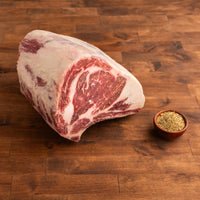
Are you planning a special meal and wondering about the cost of a rib roast? Knowing the average price can help you budget better and avoid surprises at the checkout.
Whether you’re cooking for a holiday, a family dinner, or just treating yourself, understanding the cost of rib roast means you get the best quality without overspending. Keep reading to discover what affects the price and how you can find the perfect rib roast that fits your budget.

Credit: redbarnmeatsinc.com
Rib Roast Price Factors
The price of a rib roast varies due to several important factors. Understanding these can help buyers make better choices. Each factor affects the cost in a unique way. Knowing them helps in budgeting and selecting the best rib roast.
Quality Grades
Beef quality grades impact rib roast prices significantly. Prime grade is the highest and most expensive. It has more marbling, making the meat tender and flavorful. Choice grade is slightly cheaper and still very good. Select grade costs less but has less marbling and flavor. The better the grade, the higher the price.
Cut Types
Different rib roast cuts affect the price too. A whole rib roast costs more than a smaller portion. Bone-in roasts usually cost more than boneless. The presence of bones adds flavor during cooking. Smaller cuts like ribeye steaks are priced per pound and can be pricier.
Seasonal Variations
Season changes influence rib roast prices. Prices often rise during holidays like Christmas and Thanksgiving. Demand increases as many families prepare special meals. Summer months may see lower prices due to less demand. Seasonal sales and promotions also affect cost.
Geographic Differences
Location plays a key role in rib roast pricing. Urban areas tend to have higher prices than rural ones. Transportation costs add to the price in remote regions. Local supply and demand also cause price changes. Some regions have better access to quality beef, affecting cost.
Current Market Prices
The cost of rib roast varies widely across different buying channels. Understanding current market prices helps plan your budget better. Prices depend on factors like quality, location, and seller type.
Checking prices from multiple sources ensures you find the best deal. Below is a breakdown of typical pricing in various markets.
Retail Store Rates
Local grocery stores often sell rib roast by the pound. Prices usually range from $12 to $25 per pound. Premium cuts or organic options cost more. Sales and promotions can lower prices temporarily. Convenience and immediate availability attract many buyers here.
Online Meat Sellers
Online shops offer rib roast with detailed descriptions and customer reviews. Prices tend to be slightly higher due to shipping and packaging. Expect to pay around $20 to $30 per pound. Some sellers provide bundled deals or discounts on large orders. Delivery adds value for those without local access to quality meat.
Wholesale Options
Buying wholesale suits customers needing large quantities. Prices drop significantly, often between $8 and $15 per pound. Wholesale clubs and meat distributors supply restaurants and bulk buyers. Membership or minimum order requirements may apply. This option is cost-effective for parties, events, or meal prepping.
Buying Tips To Save Money
Shopping for a rib roast can be costly, but smart buying can help. With a few tips, you can enjoy delicious rib roasts without breaking the bank. Learn how to choose wisely and save money on your purchase.
Choosing The Right Cut
Different cuts of rib roast vary in price. Look for cuts like the “chuck end” which is usually cheaper. The “rib end” tends to be more expensive. Compare prices and quality to find the best deal.
Timing Your Purchase
Timing can greatly affect the price of a rib roast. Buy during off-peak seasons for lower prices. Holidays often see price increases. Shopping a few weeks before can lead to savings.
Bulk Buying Benefits
Buying in bulk can reduce costs per pound. If you have freezer space, consider purchasing a larger roast. This way, you can store leftovers for future meals. Share the cost with friends or family for even more savings.
Using Coupons And Discounts
Coupons and discounts can significantly lower your expenses. Check local stores for promotions or online for printable coupons. Signing up for store newsletters can alert you to special deals.
Alternative Options To Consider
Rib roast can be expensive, but several alternatives offer great taste and value. Considering different options helps you enjoy quality beef without overspending. These choices vary in cut, freshness, and source.
Other Beef Cuts
Beef cuts like chuck roast, brisket, or sirloin often cost less than rib roast. These cuts still deliver rich flavor and tenderness when cooked properly. Slow cooking or marinating improves their texture and taste. Choosing these cuts can stretch your budget while keeping meals delicious.
Frozen Vs Fresh
Frozen beef usually costs less than fresh cuts. Freezing helps preserve meat longer, reducing waste. Buying frozen rib roast or other cuts can save money. Just thaw carefully before cooking for best results. Fresh meat offers texture and flavor but comes at a higher price.
Local Butcher Deals
Local butchers often have special deals or discounts on beef cuts. Visiting them can uncover unique offers not found in supermarkets. Building a relationship with a butcher may lead to personalized recommendations and price breaks. Supporting local shops benefits your community and wallet.
Storage And Preparation Advice
Storing and preparing rib roast correctly keeps it fresh and tasty. Proper care helps keep the flavor and texture intact. Follow simple tips to enjoy your rib roast at its best.
Proper Freezing Techniques
Wrap the rib roast tightly in plastic wrap or foil. Use a heavy-duty freezer bag to prevent freezer burn. Label the package with the date before freezing. Store it at 0°F (-18°C) or lower for best quality. Thaw the roast slowly in the fridge before cooking.
Marinating For Flavor
Marinate the rib roast to add taste and tenderness. Use simple ingredients like garlic, herbs, oil, and vinegar. Let the roast soak in the marinade for 4 to 24 hours. Keep it covered and refrigerated during marination. This process helps make the meat juicier and more flavorful.
Cooking Methods To Maximize Value
Choose cooking methods that keep the meat juicy and tender. Slow roasting at a low temperature brings out deep flavors. Searing the roast first locks in juices and creates a nice crust. Use a meat thermometer to avoid overcooking. Rest the meat for 15 minutes after cooking to keep it moist.

Credit: stevesmeat.com
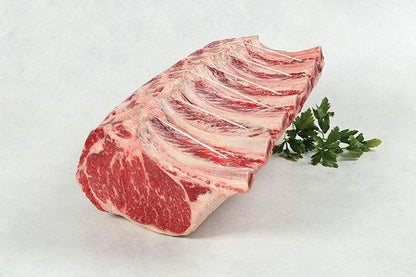
Credit: meatnbone.com
Frequently Asked Questions
What Is The Average Price Of A Rib Roast Per Pound?
The average cost of rib roast ranges between $12 and $25 per pound. Prices vary based on quality, cut, and location. Prime cuts generally cost more than choice or select grades.
How Does Rib Roast Cost Vary By Quality Grade?
Prime rib roast is the most expensive due to higher marbling. Choice grade is moderately priced, while select is the most affordable but less tender.
Where Can I Buy Rib Roast At The Best Price?
You can find rib roast at grocery stores, butcher shops, and online retailers. Buying in bulk or during sales often reduces the cost.
Does Organic Or Grass-fed Rib Roast Cost More?
Yes, organic and grass-fed rib roasts typically cost 20-40% more. They offer better flavor and are preferred by health-conscious consumers.
Conclusion
Rib roast prices vary depending on quality and location. Knowing the average cost helps plan your budget better. You can find good deals by comparing stores. Cooking a rib roast at home saves money too. Enjoying this cut does not have to be expensive.
Choose what fits your needs and wallet. Now, you are ready to shop smart and enjoy a delicious meal. Simple steps lead to tasty results.

I’m Abby Lu, a passionate home cook who loves simplifying everyday meals. At PlugChef.com, I share product reviews and cooking guides to help you find the best tools for your kitchen.
Related posts:
 What Type of Cooking Utensils are Safe: Expert Picks
 What Innovations Could Blenders Make: Unleashing Future Tech
 Smart Strategies to Organize a Small Kitchen: Maximize Space
 How to Organize a Kitchen Cabinet: Expert Tips & Tricks
 How to Organize Kitchen Drawers: Expert Tips and Tricks
 How to Organize a Corner Kitchen Cupboard: Expert Tips

