
If you’ve ever held a chef knife, you know it feels like more than just a kitchen tool. But do you really know what makes up this essential piece of your cooking arsenal?
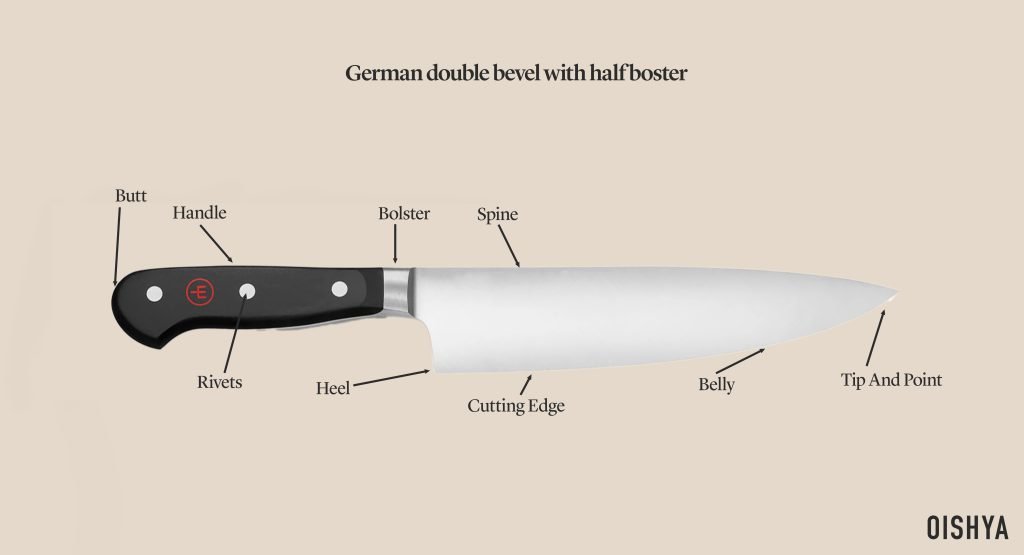
Understanding the parts of a chef knife can change the way you use it—and even improve your cooking skills. You’ll discover the key components that make a chef knife work perfectly for slicing, dicing, and chopping. By the end, you’ll feel more confident and connected to your knife every time you step into the kitchen.
Ready to unlock the secrets behind your chef knife? Let’s dive in.
Blade Components
The blade of a chef knife is more than just a sharp edge; it’s a carefully designed tool made up of several key parts that each play a specific role. Understanding these blade components helps you choose the right knife and use it more effectively. Let’s take a closer look at what makes the blade work so well in your kitchen.
Tip
The tip is the frontmost point of the blade. It’s designed for precision tasks like scoring, mincing, or piercing ingredients. If you’ve ever carefully diced garlic or scored meat, you’ve relied on a sharp and sturdy tip to get the job done without damaging the rest of the blade.
Edge
The edge is the cutting surface of the knife and the part you use most often. It’s usually thin and sharp, allowing you to slice through vegetables, fruits, and meats cleanly. Keeping your edge sharp is crucial—dull edges force you to use more pressure and increase the risk of slipping.
Spine
The spine is the top, thicker part of the blade opposite the edge. It adds strength and balance, so the blade doesn’t bend or break under pressure. When you press down for tougher cuts, a sturdy spine gives you control and confidence.
Heel
The heel is the rear part of the edge, near the handle. It’s the strongest part of the blade and perfect for chopping hard or dense foods like squash or bones. If you want power in your cut, the heel is where you apply it.
Bolster
The bolster is the thick metal section between the blade and handle. It provides balance and safety by preventing your hand from slipping onto the blade. A good bolster also adds weight, making your knife feel stable and comfortable during long prep sessions.
Handle Elements
The handle of a chef knife is more than just a grip; it defines your control and comfort during every slice and chop. Understanding the handle elements helps you choose a knife that fits your cooking style and reduces fatigue. Let’s look closely at what makes a handle great and how each part plays a role in your kitchen experience.
Material Types
Handles come in various materials, each offering a unique feel and durability. Wood handles provide a warm, natural grip but require more care to avoid cracking or warping. Plastic and composite materials are low-maintenance and water-resistant, making them ideal for busy kitchens.
Metal handles, often stainless steel, look sleek and are easy to clean but can feel cold or slippery. Consider how each material reacts to moisture and temperature—will your handle stay secure and comfortable when your hands are wet?
Shape And Ergonomics
The handle’s shape affects how your hand rests and moves during cutting. Some handles are round, others oval or square, each designed to fit different grip styles. An ergonomic handle supports your hand’s natural curve, reducing strain during long prep sessions.
Try holding various shapes to see which feels most natural and steady. Could a well-shaped handle improve your precision and reduce wrist fatigue?
Tang Styles
The tang is the part of the blade that extends into the handle, impacting balance and strength. A full tang runs the entire length of the handle, offering superior stability and control. Partial or hidden tangs may reduce weight but often sacrifice durability.
If you’ve ever felt your knife wobble or loosen, the tang design might be the reason. How important is balance and sturdiness in your daily cooking tasks?
Rivets And Fasteners
Rivets and fasteners hold the handle components together, influencing the knife’s overall durability. Solid, well-placed rivets provide a secure grip and prevent the handle from loosening over time. Some knives use screws or adhesive instead, which can allow for easier repairs.
Check your current knives—do the rivets look sturdy or worn? A loose handle can be dangerous, so paying attention to these small details can keep your kitchen safe and your knife reliable.
Knife Balance And Weight
When selecting a chef’s knife, understanding its balance and weight can significantly impact your cooking experience. A well-balanced knife feels like an extension of your hand, enhancing precision and reducing fatigue. But how do you determine if a knife’s balance and weight are right for you?
Importance Of Balance
Knife balance is crucial for maintaining control and efficiency. A balanced knife allows for smoother, more accurate cuts, reducing the risk of accidents. Imagine slicing through a tomato effortlessly, without squishing it—balance plays a key role here.
Test a knife’s balance by gripping it at the bolster where the blade and handle meet. If it feels even and stable, the balance is likely suitable. A poorly balanced knife can tip forward or backward, making it harder to control.
Weight Distribution
Weight distribution affects how a knife handles different tasks. Heavier knives excel at chopping dense ingredients like squash, while lighter ones offer finesse for delicate herbs. Your cooking style should guide your choice.
Consider how the weight is distributed between the blade and handle. A blade-heavy knife can tire your wrist, whereas a handle-heavy knife might lack cutting power. Next time you’re at a store, try several knives to find your ideal weight balance.
What type of knife balance enhances your cooking style? Personal preference plays a big role, but experimenting can lead to delightful discoveries. Don’t just settle for any knife; make sure it’s the perfect fit for your culinary adventures.

Credit: wires.onlinelibrary.wiley.com
Blade Materials
The blade material plays a big role in a chef knife’s performance. It affects sharpness, durability, and maintenance. Different steels offer unique benefits and drawbacks. Choosing the right blade material depends on your cooking style and care habits.
Stainless Steel
Stainless steel resists rust and stains well. It is easy to clean and maintain. Many home cooks prefer it for daily use. The steel contains chromium, which protects against corrosion. It usually stays sharp longer but may need more frequent sharpening.
Carbon Steel
Carbon steel is known for its sharpness and edge retention. It sharpens easily to a very fine edge. This steel requires more care to prevent rust and stains. It develops a natural patina over time, adding character. Many professional chefs choose carbon steel for precision cutting.
Damascus Steel
Damascus steel features layers of different metals forged together. It offers a strong, flexible blade with a unique pattern. This steel combines sharpness and durability. It often requires careful cleaning to avoid rust. Damascus knives are prized for their beauty and performance.
Blade Edge Types
The blade edge of a chef knife directly affects how it performs in your kitchen. Choosing the right edge type can make chopping vegetables, slicing meats, or cutting bread much easier and more precise. Understanding the differences helps you pick a knife that fits your cooking style and needs.
Straight Edge
The straight edge is the most common and versatile blade type you’ll find on chef knives. It offers a smooth, clean cut, making it perfect for slicing fruits, vegetables, and boneless meats.
If you enjoy precise cuts and want a knife that feels balanced, the straight edge is a solid choice. It requires regular sharpening to keep the blade razor-sharp, but the effort pays off in clean, controlled slicing.
Serrated Edge
Serrated edges have small, saw-like teeth that help grip tougher surfaces. This makes them ideal for cutting through crusty bread, tomatoes, and other foods with a hard exterior and soft interior.
Have you ever struggled to slice a ripe tomato without squishing it? A serrated blade can solve that problem effortlessly. Keep in mind, serrated knives are harder to sharpen but hold their edge longer between sharpening sessions.
Granton Edge
The Granton edge features small oval-shaped indentations along the blade. These dimples create air pockets to reduce friction and prevent food from sticking to the blade during cutting.
This edge is fantastic if you work with sticky or moist ingredients like cheese, cucumbers, or fish. It allows you to slice smoothly without constantly wiping the blade, making your prep work faster and less messy.

Credit: www.wekivaculinary.org
Care And Maintenance Tips
Taking care of your chef knife goes beyond just using it well. Proper care and maintenance keep the blade sharp, safe, and long-lasting. Let’s look at simple ways you can treat your knife right, ensuring it stays your trusted kitchen companion.
Sharpening Techniques
Keeping your knife sharp makes cutting easier and safer. Use a whetstone or a ceramic sharpening rod to maintain the edge. Remember, sharpening at a consistent angle, usually around 15-20 degrees, gives the best results.
If you haven’t sharpened a knife before, start slow and check the blade frequently. You’ll notice a big difference in how smoothly your knife slices through ingredients. How often do you check your knife’s sharpness?
Cleaning Practices
Clean your knife right after each use to prevent damage and rust. Avoid putting it in the dishwasher; instead, wash it by hand with warm soapy water and dry it immediately. Leaving moisture on the blade can cause corrosion, even on stainless steel knives.
Be gentle while cleaning near the blade to protect the edge and your fingers. Have you ever noticed how a dull knife often results from improper cleaning?
Storage Solutions
Where you store your knife affects its longevity and safety. Use a knife block, magnetic strip, or a dedicated knife sheath to keep the blade protected. Storing knives loosely in a drawer dulls the edge and risks accidents.
Think about your kitchen setup—do you have a safe and accessible spot for your knives? A good storage habit can save you from unexpected cuts and keep your blade in top shape.

Credit: www.youtube.com
Frequently Asked Questions
What Are The Main Parts Of A Chef Knife?
A chef knife typically has four main parts: the blade, spine, edge, and handle. Each part plays a specific role in cutting and control. Understanding these parts helps in choosing and using the knife effectively.
How Does The Blade Affect A Chef Knife’s Performance?
The blade’s shape, length, and material impact cutting precision and durability. High-carbon stainless steel blades offer sharpness and rust resistance. A well-designed blade enhances comfort and efficiency during food preparation.
Why Is The Handle Important In A Chef Knife?
The handle provides grip, comfort, and balance. It affects control and safety while cutting. Handles are made from wood, plastic, or composite materials, each offering different durability and feel.
What Is The Role Of The Spine On A Chef Knife?
The spine is the top, unsharpened edge of the blade. It adds strength and weight balance to the knife. A thicker spine offers more durability and control for heavy-duty tasks.
Conclusion
Understanding the parts of a chef knife helps you use it better. Each part has a special role in cutting and handling. Knowing these parts keeps you safe and improves your cooking. A good knife feels balanced and sharp in your hand.
Practice will make you more confident with your knife skills. A simple knife can make cooking easier and more fun. Keep your knife clean and sharp for the best results. Remember, a little knowledge goes a long way in the kitchen.

I’m Abby Lu, a passionate home cook who loves simplifying everyday meals. At PlugChef.com, I share product reviews and cooking guides to help you find the best tools for your kitchen.
Related posts:
 What Type of Cooking Utensils are Safe: Expert Picks
 What Innovations Could Blenders Make: Unleashing Future Tech
 Smart Strategies to Organize a Small Kitchen: Maximize Space
 How to Organize a Kitchen Cabinet: Expert Tips & Tricks
 How to Organize Kitchen Drawers: Expert Tips and Tricks
 How to Organize a Corner Kitchen Cupboard: Expert Tips

