
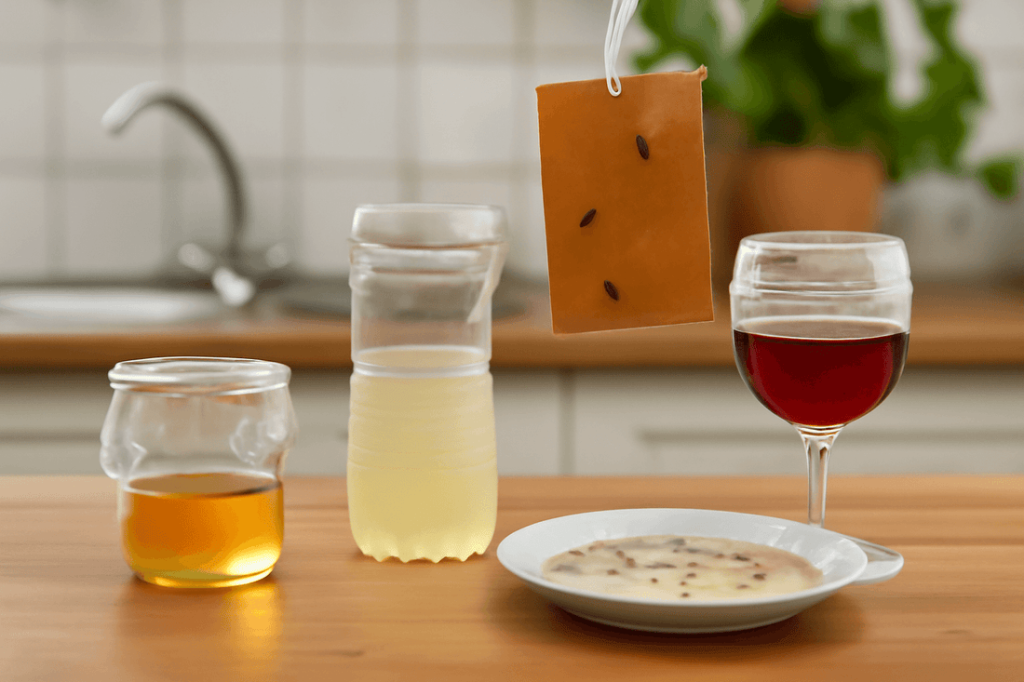
Are you tired of tiny fruit flies buzzing around your kitchen, landing on your fresh fruit and ruining your peace? Those pesky bugs can be a real nuisance, but what if you could trap them using something you already have at home?
A fruit fly trap with wine is a simple, effective way to get rid of these unwanted guests quickly. You’ll discover how to make your own trap with just a few easy steps. Say goodbye to fruit flies and enjoy a cleaner, fresher space—you’ll wonder why you didn’t try this sooner! Keep reading to find out how to take control and protect your home.
Why Fruit Flies Invade
Fruit flies are tiny pests that invade homes quickly. They cause annoyance and contaminate food. Understanding why fruit flies invade helps control them better. These flies are drawn to certain smells and places. They look for food and spots to lay eggs. Knowing their habits helps in trapping and preventing them.
Common Fruit Fly Attractants
Fruit flies are attracted to ripe and decaying fruits. They also like sugary liquids like wine and soda. Garbage bins with food scraps attract them too. Damp areas with organic matter are a favorite spot. Even drains can hold smells that pull fruit flies in. These smells signal food and breeding grounds.
Breeding Habits
Fruit flies lay eggs on moist, fermenting material. Eggs hatch in less than a day. Larvae feed on rotting fruit and organic matter. They grow fast and become adults in about a week. A single female can lay hundreds of eggs. This rapid cycle causes quick infestations in homes.
Why Wine Works As Bait
Using wine as bait in a fruit fly trap is surprisingly effective, but why does it work so well? Understanding the reasons can help you create a trap that really catches those pesky flies. Wine’s unique properties make it an irresistible lure for fruit flies, drawing them in and keeping them trapped.
Appealing Scent To Fruit Flies
Fruit flies are attracted to strong, sweet smells, and wine gives off just that. The fruity aroma mimics the scent of overripe or fermenting fruit, which is exactly what fruit flies are searching for.
Have you ever noticed how fruit flies swarm around a spilled glass of wine? That’s because the scent signals a perfect place to feed and lay eggs. Using wine in your trap taps into this natural attraction, making it an easy way to lure flies.
Fermentation And Attraction
Fermentation plays a key role in why wine attracts fruit flies. As wine ferments, it produces alcohol and carbon dioxide, both of which fruit flies find irresistible.
This fermentation process creates chemical signals that fruit flies can detect from a distance. When you use wine in a trap, you’re essentially creating a hotspot for flies that mimics their natural breeding and feeding environment.
Think about how flies behave around compost or rotting fruit; the same fermentation cues guide them to your wine trap. This makes wine not just a bait but a powerful attractant that exploits the fruit flies’ instincts.
Materials Needed For Diy Trap
Gather a small bottle or jar, red wine, a piece of plastic wrap, and a rubber band. These simple items create an effective fruit fly trap at home.
Creating a DIY fruit fly trap can be simple and effective. Using wine as a bait enhances its attractiveness. Here’s what you need to gather for this project.Choosing The Right Wine
Select a wine with a sweet aroma. Fruit flies are drawn to sweet scents. Red or white wines work well. Older wine or leftover wine is perfect. Avoid using expensive wines. Their subtleties are lost on flies.Additional Supplies
You’ll need a few more items. Collect a small jar or cup. Ensure it has a wide opening. This helps trap more flies. Get plastic wrap to cover the jar. Secure the wrap with a rubber band. Poke small holes in the plastic. This allows flies to enter but not escape. Gather apple cider vinegar for extra allure. The strong scent attracts more flies. Add a drop of dish soap to break the surface tension. Flies will sink into the liquid. With these materials, you’re set to create an effective trap.Step-by-step Trap Assembly
Creating a fruit fly trap with wine is simple and effective. Follow clear steps to assemble your trap. This guide helps you catch fruit flies fast.
Preparing The Container
Choose a small, clear container like a jar or cup. Make sure it is clean and dry. A transparent container helps you see trapped flies easily.
Use a container with a wide opening to let flies enter. Avoid containers with tight lids to keep the flies inside.
Adding The Wine Bait
Pour a small amount of wine into the container. Red wine works best because of its strong smell. Fill the container about one-third full.
The sweet scent of wine attracts fruit flies quickly. You can mix wine with a little dish soap to trap flies better.
Setting The Trap
Place the container where fruit flies gather. Common spots include kitchens, near fruit bowls, or trash bins.
Cover the container’s top with plastic wrap. Poke small holes in the wrap for flies to enter.
Check the trap daily and empty it when full. Replace the wine bait every few days for best results.
Placement Tips For Effectiveness
Correct placement of a fruit fly trap with wine can increase its success. The trap works best when positioned in spots where fruit flies gather most. Small changes in location make a big difference in catching these pests quickly. Careful placement helps reduce fruit fly numbers without much effort.
Best Locations In Your Home
- Near fruit bowls or trash cans where fruit flies appear often
- Close to kitchen sinks or drains, common breeding spots
- In pantry areas with ripe or rotting fruit stored
- On countertops or tables where food is prepared or eaten
- Away from strong air drafts or fans that can blow the scent away
Placing the trap in these areas ensures fruit flies are attracted quickly. Choose spots hidden from pets and children to avoid disturbance. Refresh the wine bait regularly for better results.
Avoiding Common Mistakes
- Do not place traps too far from fruit fly activity zones
- Avoid putting traps near open windows or vents where wind disperses scent
- Do not ignore cleaning up food scraps, as this attracts more flies
- Avoid placing traps in direct sunlight, which can spoil the bait fast
- Do not leave old traps without changing bait; stale wine loses effectiveness
Following these tips helps maintain trap efficiency. A well-placed trap plus clean surroundings cut fruit fly problems faster.

Credit: food52.com
Maintaining And Reusing The Trap
Maintaining and reusing your fruit fly trap with wine keeps it effective over time. Proper care ensures the trap continues to lure and capture fruit flies. Simple steps help avoid bad smells and improve trap lifespan. A clean trap works better and lasts longer in your kitchen or home.
Cleaning Procedures
Empty the trap carefully to avoid spilling liquid. Rinse the container with warm water to remove residue. Use mild soap and a soft brush to clean inside. Avoid harsh chemicals that could harm the environment or affect bait. Let the trap dry completely before adding new bait. Clean traps help prevent mold and unwanted smells.
When To Replace The Bait
Replace the bait every few days to keep it fresh and attractive. Old bait loses its scent and stops catching flies. If you see fewer flies trapped, it is time to refresh the bait. Use fresh wine or a mix of wine and a little sugar for best results. Keep bait changes regular for continuous fly control.
Alternative Fruit Fly Traps
Fruit fly traps made with wine are effective, but you might want to try other options that fit your lifestyle and preferences. Alternative fruit fly traps can be just as simple to make or even ready-to-use products you can buy. Understanding these alternatives helps you pick the best way to keep those pesky flies away from your kitchen or dining area.
Other Diy Solutions
You can create fruit fly traps using common household items beyond wine. Apple cider vinegar is a popular choice because its smell attracts fruit flies easily. Pour some into a small bowl and cover it with plastic wrap, poking tiny holes to let flies in but not out.
Another trick is using a piece of ripe fruit inside a jar with a funnel at the top. The flies fly in chasing the scent but can’t find their way out. Adding a drop of dish soap to the liquid trap breaks the surface tension, causing flies to drown.
Have you ever tried a sticky trap made with paper and honey? It’s a simple, mess-free option that can catch flies without liquid. These DIY methods are budget-friendly and allow you to experiment with what works best in your home.
Commercial Options
If DIY isn’t your thing, there are many commercial fruit fly traps available. These often use attractants similar to homemade traps but in a more durable and convenient design. You can find traps with replaceable bait packs that make maintenance easy.
Some commercial traps use UV light to lure flies and trap them without chemicals. Others combine sticky surfaces with attractive scents to catch fruit flies efficiently. Buying a commercial trap might save you time and effort, especially if you deal with frequent infestations.
What features do you value most in a fruit fly trap—ease of use, effectiveness, or safety? Considering this can help you choose between DIY and commercial options that suit your needs perfectly.

Credit: www.amazon.co.uk
Preventing Future Infestations
Stopping fruit flies from coming back after you’ve trapped them with wine takes more than just setting traps. You need to tackle the root causes that attract these pests in the first place. Small habits around your kitchen can make a big difference in keeping your space fly-free.
Proper Food Storage
Fruit flies are drawn to the smell of ripe and rotting fruit. Keep your fruits and vegetables in the fridge or sealed containers to cut off their food source. Even leftovers and opened packages should be tightly closed to avoid inviting flies.
Think about how often you leave food out on the counter. Could moving those snacks into airtight containers reduce fly visits? Simple changes like these stop the problem before it starts.
Regular Cleaning Habits
Fruit flies breed quickly in sticky, damp areas. Wiping down counters daily and taking out the trash regularly removes their breeding grounds. Don’t forget to clean under appliances and inside trash bins, where spills can go unnoticed.
Have you checked your drains lately? Fruit flies often lay eggs there. Running hot water and using drain cleaners can help keep these hidden spots fly-free. Keeping your kitchen spotless is your best defense against future infestations.

Credit: www.youtube.com
Frequently Asked Questions
How Does A Fruit Fly Trap With Wine Work?
A fruit fly trap with wine uses the wine’s scent to attract flies. The flies enter but cannot escape, trapping them effectively.
What Type Of Wine Is Best For Fruit Fly Traps?
Red wine is best for fruit fly traps due to its strong aroma. It attracts fruit flies quickly and works well as bait.
Can I Use Homemade Wine For Fruit Fly Traps?
Yes, homemade wine works well for fruit fly traps. Its natural fermentation scent attracts fruit flies just like store-bought wine.
How Long Should A Wine Fruit Fly Trap Be Left Out?
Leave the wine fruit fly trap out for 2-3 days. Replace the bait if the trap stops catching flies.
Conclusion
Using wine to trap fruit flies works well and is simple. The sweet smell draws flies quickly. This method saves money and avoids chemicals. Place the trap near fruit or trash bins. Change the wine every few days for best results.
You can keep your kitchen clean and fly-free. Try this natural trick to enjoy a fresh home. Small steps make a big difference in pest control. Give it a go and see how it helps.

I’m Abby Lu, a passionate home cook who loves simplifying everyday meals. At PlugChef.com, I share product reviews and cooking guides to help you find the best tools for your kitchen.
Related posts:
 What Type of Cooking Utensils are Safe: Expert Picks
 What Innovations Could Blenders Make: Unleashing Future Tech
 Smart Strategies to Organize a Small Kitchen: Maximize Space
 How to Organize a Kitchen Cabinet: Expert Tips & Tricks
 How to Organize Kitchen Drawers: Expert Tips and Tricks
 How to Organize a Corner Kitchen Cupboard: Expert Tips

