
Are you craving a delicious, healthy meal but don’t have time to thaw your salmon? Cooking salmon from frozen in the oven is easier than you think.
Imagine saving time without sacrificing flavor or texture. In this guide, you’ll discover simple steps to get perfectly cooked salmon straight from the freezer to your plate. Ready to make your dinner routine faster and tastier? Keep reading to unlock the secrets of cooking salmon from frozen in your oven.
Benefits Of Cooking Salmon From Frozen
Cooking salmon from frozen offers several advantages that make meal preparation easier and more efficient. It simplifies the cooking process without sacrificing taste or texture. Many home cooks find it a practical choice for busy days or last-minute meals.
Saves Time And Effort
Cooking salmon directly from frozen cuts down on thawing time. There is no need to plan ahead or wait hours before cooking. This method reduces prep work and speeds up dinner time. Less handling means fewer steps and less mess in the kitchen.
Maintains Freshness
Freezing salmon locks in its natural flavors and nutrients. Cooking from frozen prevents the fish from spoiling quickly. It keeps the salmon tasting fresh, even days after purchase. This method also protects the texture from becoming mushy or dry.
Reduces Food Waste
Frozen salmon lasts longer than fresh fish in the fridge. It allows you to cook only what you need without throwing leftovers away. Storing salmon in the freezer helps avoid spoilage and waste. This approach saves money and supports sustainable eating habits.

Credit: www.mediterraneandietmealplans.com
Choosing The Right Salmon
Choosing the right salmon is key for cooking it from frozen in the oven. The quality and type of salmon affect taste and texture. Picking salmon suited for freezing ensures a delicious meal after cooking.
Knowing the types of salmon helps select the best one for freezing. Quality indicators guide you to fresh, safe fish. Smart buying tips make the process easier and more effective.
Types Of Salmon For Freezing
- Atlantic Salmon: Most common, mild flavor, good for freezing.
- Sockeye Salmon: Deep red color, rich taste, freezes well.
- Coho Salmon: Medium flavor, tender texture, suitable for freezing.
- King Salmon: Large, fatty, holds moisture during freezing.
- Keta Salmon: Lean, firm flesh, freezes with minimal quality loss.
Quality Indicators
- Firm flesh that springs back when pressed.
- Bright, clear eyes for whole fish.
- Moist surface without slime or dryness.
- Fresh, mild smell, no strong fishy odor.
- Vibrant color without discoloration or brown spots.
Buying Tips
- Buy from trusted stores with good fish handling.
- Choose vacuum-sealed packs to avoid freezer burn.
- Check the packaging date and use-by date.
- Buy portions sized for your meals to avoid waste.
- Store frozen salmon immediately to keep freshness.
Preparing Frozen Salmon For The Oven
Cooking salmon from frozen in the oven is simple and convenient. Just preheat the oven to 425°F. Place the frozen salmon on a baking sheet and season with your favorite spices. Bake for 25-30 minutes until cooked through. Enjoy a healthy meal in no time.
Preparing frozen salmon for the oven can be simple and rewarding. With the right approach, you can enjoy a delicious meal without thawing. Begin by understanding the best practices for handling, seasoning, and cooking. This ensures the salmon retains its flavor and texture.Safe Handling Practices
Handling frozen salmon properly ensures safety and quality. Always keep the salmon at a safe temperature. Store it in the freezer until you’re ready to cook. Use clean utensils and surfaces to avoid contamination. Wash your hands before and after handling the fish.Seasoning And Marinating
Seasoning adds flavor to your frozen salmon. Simple ingredients can make a big difference. Use salt, pepper, garlic, and lemon for a classic taste. Marinate for a short time if desired. Ensure the seasoning sticks by patting the fish dry first.Using Foil Or Baking Dish
Choose the right method for baking your salmon. Foil helps retain moisture and flavors. Wrap the salmon tightly to seal in the juices. Alternatively, use a baking dish for a different texture. Place the salmon skin-side down for even cooking. Both methods provide delicious results.
Credit: downshiftology.com
Oven Cooking Methods
Cooking salmon from frozen in the oven is a reliable way to enjoy a healthy meal without the hassle of thawing. Understanding different oven cooking methods can help you achieve the texture and flavor you want. Each technique offers unique results, so choose the one that fits your taste and schedule best.
Baking At Standard Temperature
Baking salmon at a standard temperature of around 375°F (190°C) is simple and effective. Place the frozen salmon on a baking sheet, season it, and cover loosely with foil to retain moisture. This method gently cooks the fish, keeping it tender and juicy throughout.
One tip is to check the salmon after 20 minutes, then continue baking until it flakes easily with a fork. Have you noticed how even slow baking helps the flavors develop more deeply than quick cooking?
Broiling For Crispiness
Broiling salmon from frozen can give you a crispy, golden top while keeping the inside moist. Set the oven to broil and position the salmon about 6 inches from the heat source. Keep an eye on it—broiling works fast and can burn if left too long.
Try adding a brush of olive oil and a sprinkle of paprika before broiling for an extra burst of flavor and color. Does your salmon crust turn out better when you add a little oil first?
Using Convection Oven
A convection oven circulates hot air, cooking salmon more evenly and quickly. Set it to 350°F (175°C) and place the frozen fillets on a baking tray. The circulating air crisps the edges while maintaining a moist center.
If you’re short on time but want a well-cooked piece of salmon, convection baking might be your best bet. Have you tried convection cooking to reduce your meal prep time without sacrificing taste?
Timing And Temperature Guidelines
Cooking salmon from frozen in the oven can save you time and still deliver a delicious, flaky result. The key lies in mastering the right timing and temperature. Getting these details right ensures your salmon cooks evenly without drying out or staying underdone.
Recommended Cooking Times
Generally, cooking salmon from frozen takes about 20 to 25 minutes, depending on the thickness. Thicker fillets need closer to 25 minutes, while thinner ones may be done around 18 to 20 minutes.
If you’ve ever rushed dinner only to find your salmon still icy inside, you know how important timing is. Give your salmon enough time to cook through but avoid overcooking, which turns it dry and crumbly.
Ideal Oven Temperatures
Set your oven between 375°F and 425°F (190°C to 220°C) for best results. Lower temperatures, like 375°F, cook gently and keep the salmon moist. Higher temperatures, around 425°F, create a nice crust but require closer attention to avoid burning.
I prefer 400°F for frozen salmon because it balances speed and texture well. What temperature works best in your kitchen? Experimenting can reveal your perfect balance of crisp and tender.
Checking For Doneness
Look for salmon that flakes easily with a fork but still looks moist inside. The flesh should change from translucent to opaque pink. Press gently on the thickest part; it should spring back slightly.
Using a food thermometer can take the guesswork out. Aim for an internal temperature of 125°F to 130°F (52°C to 54°C) for medium doneness. Remember, salmon continues to cook a bit after you remove it from the oven.
Flavor Enhancements
Cooking salmon from frozen in the oven is quick and easy. Enhancing its flavor makes the meal even better. Simple additions can bring out the natural taste of salmon. Spices, herbs, sauces, and vegetables create a tasty dish. These flavor boosts turn a basic salmon fillet into a delicious meal.
Herbs And Spices
Fresh or dried herbs add a bright, fresh taste. Dill, parsley, and thyme pair well with salmon. Garlic powder, paprika, and black pepper give warmth and depth. A light sprinkle of salt enhances natural flavors. Combine herbs and spices before cooking for even seasoning.
Sauces And Glazes
Sauces add moisture and rich flavors to salmon. Lemon butter sauce brings a tangy, creamy touch. Honey mustard glaze adds sweetness and a slight bite. Soy sauce and ginger create an Asian-inspired flavor. Brush sauces or glazes on salmon before baking for best results.
Pairing With Vegetables
Vegetables add color, texture, and nutrition to your plate. Asparagus, cherry tomatoes, and bell peppers work well. Roast vegetables alongside salmon for a one-pan meal. Drizzle olive oil and season vegetables with salt and pepper. This simple pairing balances flavors and makes the dish complete.
Serving Suggestions
Serving salmon cooked from frozen in the oven offers many tasty ways to enjoy the meal. Simple touches can turn this easy dish into something special. Thoughtful presentation, tasty sides, and the right wine make the experience complete.
Plating Ideas
- Place the salmon on a white or neutral plate to highlight its color.
- Use fresh herbs like dill or parsley for a pop of green.
- Arrange lemon slices beside the fish for a bright look and fresh taste.
- Drizzle a light sauce or glaze over the salmon for added shine.
- Serve with a small pile of microgreens or a colorful salad on the side.
Side Dishes
- Steamed asparagus or green beans add crisp texture.
- Roasted potatoes or sweet potatoes offer a hearty balance.
- A light quinoa or couscous salad works well for a healthy touch.
- Garlic butter rice or herbed couscous brings warmth to the plate.
- Simple mixed greens with vinaigrette keep flavors fresh and light.
Wine Pairings
- Chardonnay with light oak complements the salmon’s richness.
- Sauvignon Blanc offers crisp acidity to balance the fish.
- Pinot Noir works well with grilled or roasted salmon dishes.
- Riesling’s slight sweetness pairs nicely with spicy or glazed salmon.
- Rosé provides a fresh, fruity match for oven-cooked salmon.
Common Mistakes To Avoid
Cooking salmon from frozen can be a real time-saver, but it also comes with its own set of challenges. Avoiding common mistakes can make the difference between a tasty meal and a disappointing one. Let’s look at some pitfalls that often trip people up and how you can steer clear of them to get perfect salmon every time.
Overcooking Salmon
One of the biggest mistakes is overcooking. Frozen salmon takes longer to cook than fresh, but if you leave it too long in the oven, it turns dry and loses flavor. Use a reliable meat thermometer to check for an internal temperature of 145°F (63°C) to ensure it’s done but still juicy.
Think about the last time you overcooked fish—was it tough or flavorless? Don’t let that happen again. Set timers and check your salmon regularly to keep it tender and moist.
Skipping Seasoning
Many skip seasoning frozen salmon, assuming the cold locks in flavors. This is a mistake. Seasoning before cooking allows the flavors to penetrate the fish, even from frozen.
Try sprinkling salt, pepper, lemon zest, or your favorite herbs right on the frozen fillet. It wakes up the salmon and adds depth. Have you ever tasted bland salmon? Avoid that by seasoning well.
Ignoring Safety Tips
Safety is crucial when cooking frozen fish. Some people place frozen salmon directly on a hot pan or grill, which can cause uneven cooking and bacteria risks. Always preheat your oven and use a baking sheet or foil to cook salmon evenly.
Also, never refreeze salmon once thawed. Do you know how to store your fish properly? Keeping salmon at safe temperatures before cooking protects you from foodborne illnesses.
Storing And Reheating Leftovers
After cooking salmon from frozen in the oven, you might end up with some delicious leftovers. Storing and reheating these properly can keep your salmon just as tasty and moist the next day. It’s easy to lose the perfect texture if you don’t handle it right, so a few simple steps can make all the difference.
Proper Storage Techniques
Start by letting your salmon cool down to room temperature before storing it. Placing hot fish directly in the fridge can make it soggy and affect its flavor.
Use an airtight container or wrap the salmon tightly in plastic wrap or aluminum foil. This helps prevent exposure to air, which dries out the fish and causes it to absorb other fridge odors.
Label the container with the date so you know how long it’s been stored. Salmon stays fresh for up to 3 days in the refrigerator. If you want to keep it longer, freezing is a better option—wrap it well to avoid freezer burn.
Reheating Tips To Retain Moisture
Reheating salmon can be tricky because it dries out quickly. To keep it moist, avoid using the microwave alone, which often cooks unevenly and toughens the fish.
Instead, try reheating in the oven at a low temperature, around 275°F (135°C), for about 10-15 minutes. Cover the salmon with foil to trap moisture and prevent it from drying out.
If you’re in a hurry, gently warming salmon on the stovetop with a little bit of olive oil or butter can work well. Keep the heat low and cover the pan to maintain moisture.
Have you noticed your reheated salmon turning rubbery? Experiment with these methods and see which one keeps your leftovers tasting fresh and flaky. Your next meal can be just as enjoyable as the first bite!
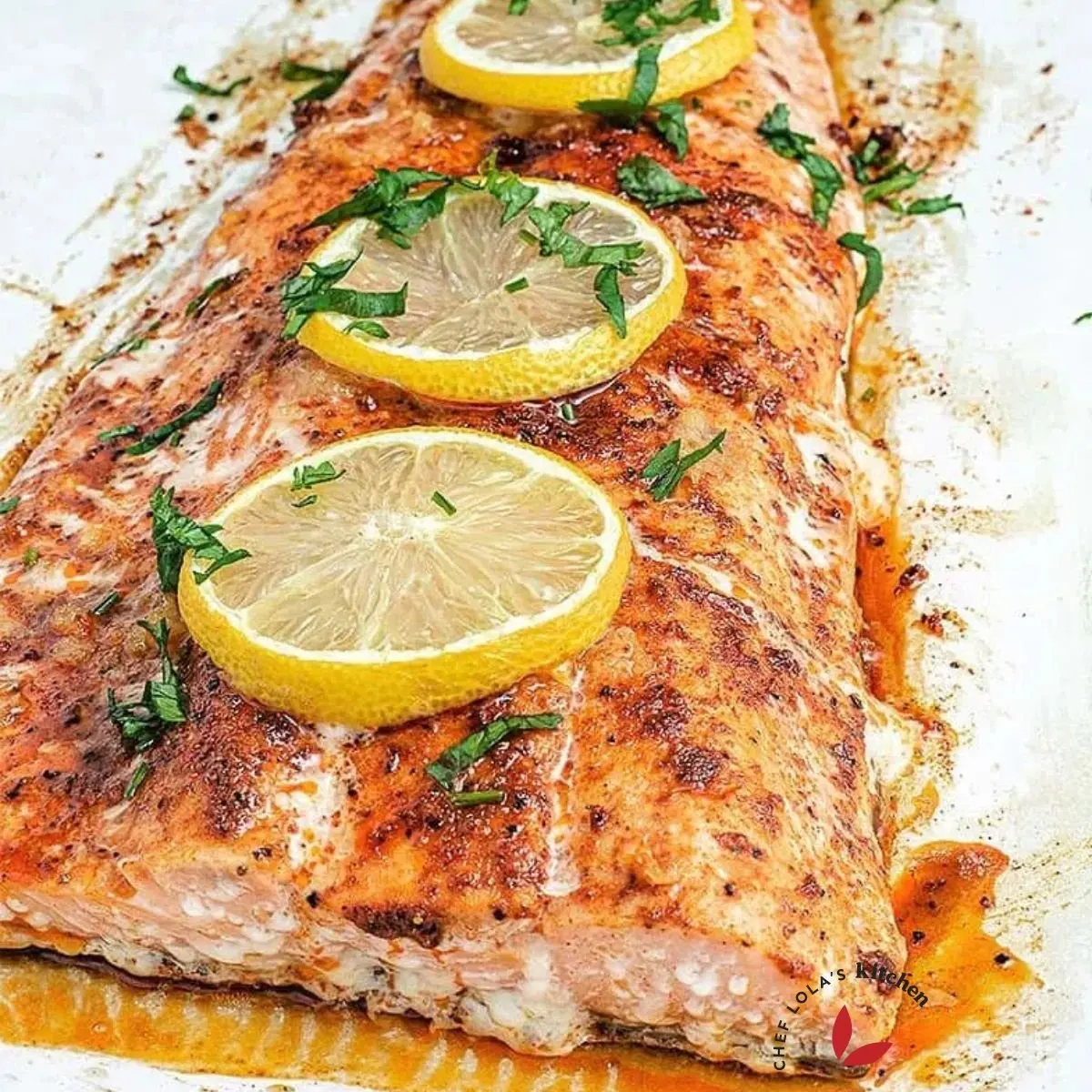
Credit: cheflolaskitchen.com
Frequently Asked Questions
Can You Cook Salmon Directly From Frozen In The Oven?
Yes, you can cook salmon from frozen in the oven. It saves time and locks in moisture. Just increase cooking time by 50%.
How Long Does Frozen Salmon Take To Bake?
Frozen salmon typically takes 20-25 minutes at 400°F (204°C). Cooking time depends on thickness and oven type. Check for flaky texture.
Is It Safe To Cook Salmon Without Thawing?
Cooking salmon without thawing is safe if cooked thoroughly. Ensure internal temperature reaches 145°F (63°C) to kill bacteria and ensure safety.
Should You Season Salmon Before Cooking Frozen?
Seasoning frozen salmon is fine but less effective. For best flavor, add seasoning after partial thawing or immediately after cooking.
Conclusion
Cooking salmon from frozen in the oven saves time and effort. It keeps the fish tender and juicy. You do not need to thaw it first. Just follow simple steps and watch it cook evenly. This method fits well with busy schedules and quick meals.
Try it soon and enjoy a healthy, tasty dish with less hassle. Perfect for any day of the week.

I’m Abby Lu, a passionate home cook who loves simplifying everyday meals. At PlugChef.com, I share product reviews and cooking guides to help you find the best tools for your kitchen.
Related posts:
 What Type of Cooking Utensils are Safe: Expert Picks
 What Innovations Could Blenders Make: Unleashing Future Tech
 Smart Strategies to Organize a Small Kitchen: Maximize Space
 How to Organize a Kitchen Cabinet: Expert Tips & Tricks
 How to Organize Kitchen Drawers: Expert Tips and Tricks
 How to Organize a Corner Kitchen Cupboard: Expert Tips

