
Are you wondering if butternut squash freezes well? If you’ve ever bought too much or want to save time on meal prep, freezing can be a great option.
But not all vegetables keep their taste and texture after freezing. You might be asking yourself, “Will my butternut squash stay fresh and delicious? ” you’ll discover simple tips and tricks to freeze butternut squash the right way. Keep reading to learn how to make the most of this tasty vegetable and avoid common mistakes that could ruin your meals.

Credit: fullyhealthy.com
Benefits Of Freezing Butternut Squash
Freezing butternut squash offers many advantages for home cooks. It helps save time, reduce waste, and keep the squash fresh. Frozen butternut squash stays nutritious and tasty for months. This makes it a smart choice for meal planning and quick cooking.
Preserves Nutrients And Flavor
Freezing locks in vitamins and minerals. The squash keeps its natural sweetness and texture. You enjoy fresh-like taste, even after months in the freezer.
Saves Time In The Kitchen
Pre-cut and frozen squash is ready to use. No peeling or chopping needed. This speeds up meal prep and cooking.
Reduces Food Waste
Freezing stops butternut squash from spoiling. You can save leftovers or surplus squash. It lasts much longer than fresh squash on the counter.
Offers Convenience For Meal Planning
Frozen squash fits many recipes like soups and stews. It helps plan meals ahead. You always have healthy ingredients on hand.
Choosing The Right Squash
Choosing the right butternut squash is the first step to ensuring your frozen squash tastes fresh and delicious. Not all squashes are created equal, and picking the right one can make a noticeable difference in texture and flavor after freezing. Let’s look at how you can spot the best squash to freeze.
Selecting Fresh Butternut Squash
Look for squash with a firm, matte skin that feels heavy for its size. A fresh butternut squash should have a pale, tan color without any green spots. When you press your fingernail gently into the skin, it shouldn’t leave a mark.
Fresh squash has a sweet, nutty aroma near the stem end—if you catch that smell, it’s a good sign. Avoid squash that feels light or hollow; it often means it has lost moisture and won’t freeze well. Choosing fresh squash will help your frozen batches maintain their natural taste and texture.
Avoiding Overripe Or Damaged Squash
Overripe squash can become mushy and watery after freezing. Check for soft spots, wrinkles, or dark blemishes on the skin, which indicate overripeness or damage. These imperfections can cause the squash to spoil faster and affect the quality of your frozen food.
Also, avoid squash with cracks or cuts, as these can introduce bacteria before freezing. Have you ever frozen a squash only to find it mushy and flavorless later? That usually happens because the squash was past its prime before freezing. Picking a firm, undamaged squash will prevent this disappointment.
Preparing Squash For Freezing
Butternut squash freezes well when peeled, cut, and blanched first. Freezing helps keep its taste and texture fresh for months. Proper preparation prevents freezer burn and maintains quality.
Preparing butternut squash for freezing might seem daunting at first, but it’s a straightforward process that ensures you can enjoy this versatile vegetable all year round. Taking the time to prepare the squash properly will make a significant difference in taste and texture when you finally thaw it for use. You’ll be glad you put in the extra effort when you’re savoring delicious squash in the depths of winter.Peeling And Cutting Techniques
Start by selecting a ripe butternut squash. It should feel heavy for its size and have a hard, even skin. Use a sharp vegetable peeler to remove the skin. A dull peeler can be frustrating and inefficient. Cut off both ends of the squash for stability. Slice it in half lengthwise, then scoop out the seeds with a spoon. Cut the squash into uniform cubes. This ensures even cooking and freezing, making it easier to use later on.Blanching Methods
Blanching is crucial to preserve the vibrant color and nutritional value of your squash. Bring a large pot of water to a rolling boil. Add the squash cubes and let them cook for about 3 minutes. Immediately transfer the squash to a bowl of ice water. This stops the cooking process and locks in freshness. Drain the squash thoroughly. Excess moisture can lead to freezer burn, affecting the texture and flavor. By following these simple steps, you’re ensuring that your butternut squash is perfectly prepped for freezing. Have you ever tried freezing squash before? What techniques worked best for you? Share your experiences in the comments!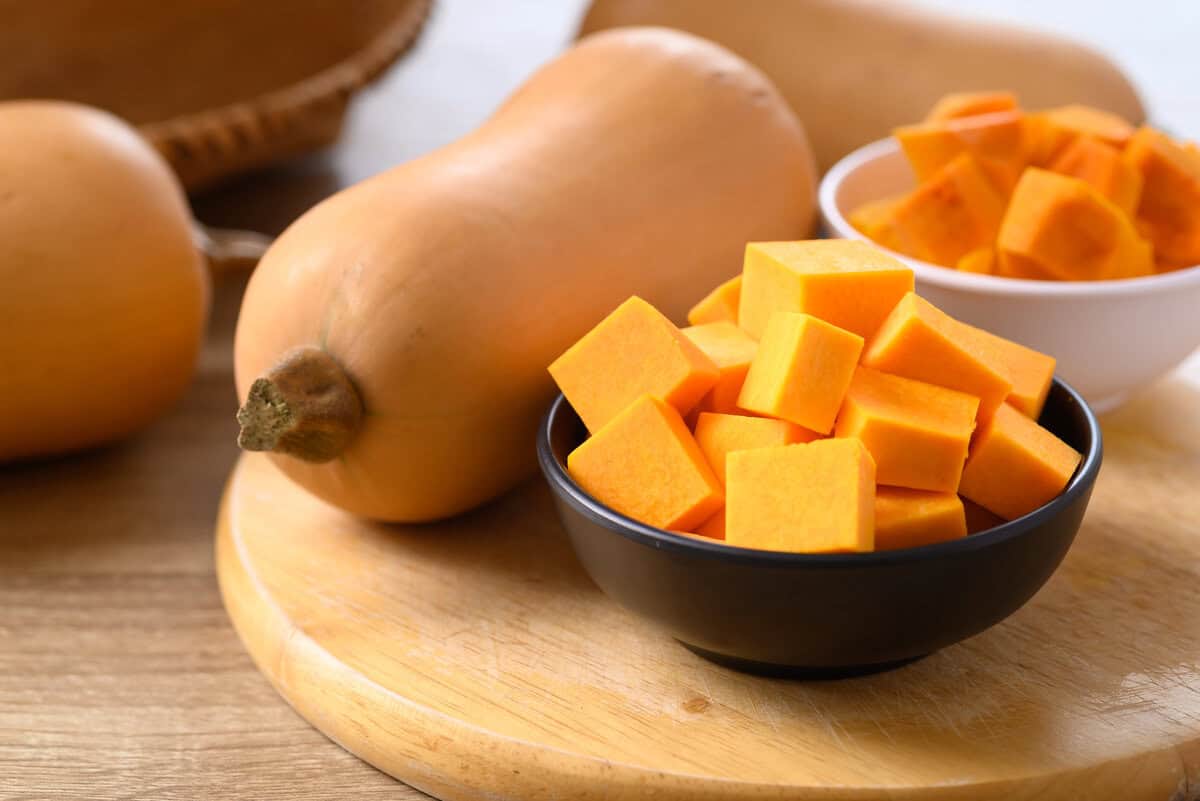
Credit: www.seasonalcravings.com
Freezing Methods
Freezing butternut squash is a smart way to keep it fresh for longer. Choosing the right freezing method helps keep its taste and texture. Preparing the squash properly before freezing is important. Here are two effective methods to freeze butternut squash.
Flash Freezing
Flash freezing stops the squash pieces from sticking together. First, peel and cut the squash into cubes. Blanch the cubes in boiling water for 3 minutes. Then, cool them quickly in ice water. Spread the cubes on a baking sheet in one layer. Place the sheet in the freezer until cubes are solid. After freezing, transfer the cubes to a freezer bag or container. This method keeps pieces separate and easy to use later.
Using Freezer Bags And Containers
Freezer bags and containers store butternut squash safely. Use airtight bags or containers to avoid freezer burn. Blanch and cool the squash cubes before packing. Remove as much air as possible from freezer bags. Label the bags or containers with the date. Store them flat in the freezer for easy stacking. This method saves space and keeps the squash fresh for months.
Storage Tips For Longevity
To keep your butternut squash tasting fresh and delicious after freezing, understanding how to store it properly is key. Proper storage not only preserves flavor but also extends the squash’s usability. Let’s look at the essential tips that will help you get the most out of your frozen butternut squash.
Ideal Freezer Temperatures
Maintaining the right freezer temperature is crucial for preserving the texture and taste of butternut squash. Keep your freezer at or below 0°F (-18°C). Temperatures above this can cause the squash to lose moisture, resulting in a mushy texture when thawed.
Have you checked your freezer’s temperature lately? Even a small fluctuation can affect your frozen veggies. Using a freezer thermometer can help you stay on track and avoid unpleasant surprises.
Labeling And Dating
Labeling your frozen butternut squash with the date and contents saves you time and confusion later. Write the date clearly on the bag or container using a permanent marker. This way, you can track how long it’s been stored and use the oldest first.
Have you ever found a mystery bag in the freezer and hesitated to use it? Proper labeling prevents food waste and keeps your kitchen organized. Plus, it helps you plan meals better by knowing exactly what you have on hand.
Thawing And Using Frozen Squash
Handling frozen butternut squash properly after thawing can make a big difference in your cooking results. Understanding the best way to thaw and use frozen squash ensures you keep its texture and flavor intact. This way, your dishes stay delicious and satisfying every time you cook with frozen squash.
Best Thawing Practices
Thaw frozen butternut squash slowly for the best texture. Place the frozen pieces in the refrigerator overnight. This gentle thawing prevents the squash from becoming mushy.
If you’re short on time, you can thaw squash quickly by putting it in a sealed bag and submerging it in cold water. Change the water every 30 minutes to keep it cold. Avoid using warm or hot water as it can negatively affect the texture.
Never thaw squash at room temperature for long periods. This can cause uneven thawing and increase the risk of bacteria growth. If you’re in a hurry, you can also cook the squash directly from frozen in some recipes.
Cooking With Frozen Squash
Frozen butternut squash works well in soups, stews, and casseroles since these dishes don’t rely on crisp texture. Add the frozen squash directly to your pot and adjust cooking time slightly to ensure it’s heated through.
For roasting, it’s best to thaw the squash first and pat it dry. Excess moisture from frozen squash can cause steaming instead of browning. A quick toss in olive oil and seasoning before roasting enhances flavor and texture.
Have you ever tried using frozen squash in smoothies or purees? It’s a convenient way to add nutrition and natural sweetness without extra prep. Just blend the frozen squash with your favorite ingredients for a creamy, nutritious boost.
Common Mistakes To Avoid
Freezing butternut squash seems simple, but there are common mistakes that can ruin the texture and flavor. Avoiding these errors ensures your squash stays fresh and tasty after thawing. Let’s look at what to watch out for so you get the best results every time.
Not Preparing The Squash Properly
Many skip peeling and cutting the squash into uniform pieces before freezing. Uneven sizes freeze inconsistently, leading to some parts being mushy while others remain hard. Always peel, seed, and chop the squash into similar-sized cubes for even freezing.
Skipping The Blanching Step
Blanching stops enzyme activity that can degrade flavor and texture over time. If you freeze raw butternut squash without blanching, it often turns mushy or loses its vibrant color. Quickly boiling the pieces for a couple of minutes and then cooling them in ice water preserves quality.
Freezing Large Amounts At Once
Putting a big batch of squash in one bag causes slow freezing and clumping. This can create freezer burn and uneven thawing. Freeze squash in small, flat portions so it freezes quickly and you can take out only what you need.
Using Inappropriate Storage Containers
Not all containers protect frozen foods equally. Thin plastic bags can tear easily and let moisture in. Use airtight, freezer-safe containers or heavy-duty freezer bags, and remove as much air as possible before sealing.
Forgetting To Label And Date
It’s easy to forget how long squash has been in the freezer without a label. Over time, even well-frozen squash loses quality. Label bags with the freezing date so you can use older batches first and avoid waste.

Credit: www.outdoorapothecary.com
Frequently Asked Questions
Does Butternut Squash Freeze Well For Long-term Storage?
Yes, butternut squash freezes well when properly prepared. Peel, cube, blanch, and cool before freezing. This method preserves flavor and texture for up to 12 months.
How Do I Prepare Butternut Squash For Freezing?
Peel and cut the squash into cubes. Blanch cubes in boiling water for 3 minutes. Cool in ice water, drain, and pack in airtight containers before freezing.
Can Frozen Butternut Squash Be Used In Cooking?
Absolutely. Frozen butternut squash works well in soups, stews, casseroles, and purees. Thaw before cooking or add directly to hot dishes for convenience.
Does Freezing Change Butternut Squash’s Texture Or Taste?
Freezing may slightly soften butternut squash texture. The taste remains mostly unchanged. Proper blanching before freezing helps maintain flavor and quality.
Conclusion
Freezing butternut squash keeps it fresh and tasty for months. Cut it into cubes or slices before freezing. Blanching helps keep the flavor and texture better. Frozen squash works well in soups, stews, and casseroles. It saves time and reduces food waste.
Store it properly in airtight bags or containers. Thaw it in the fridge or cook directly from frozen. Enjoy the convenience of having healthy squash ready anytime. Freezing is a smart way to keep your butternut squash longer.

I’m Abby Lu, a passionate home cook who loves simplifying everyday meals. At PlugChef.com, I share product reviews and cooking guides to help you find the best tools for your kitchen.
Related posts:
 What Type of Cooking Utensils are Safe: Expert Picks
 What Innovations Could Blenders Make: Unleashing Future Tech
 Smart Strategies to Organize a Small Kitchen: Maximize Space
 How to Organize a Kitchen Cabinet: Expert Tips & Tricks
 How to Organize Kitchen Drawers: Expert Tips and Tricks
 How to Organize a Corner Kitchen Cupboard: Expert Tips

