
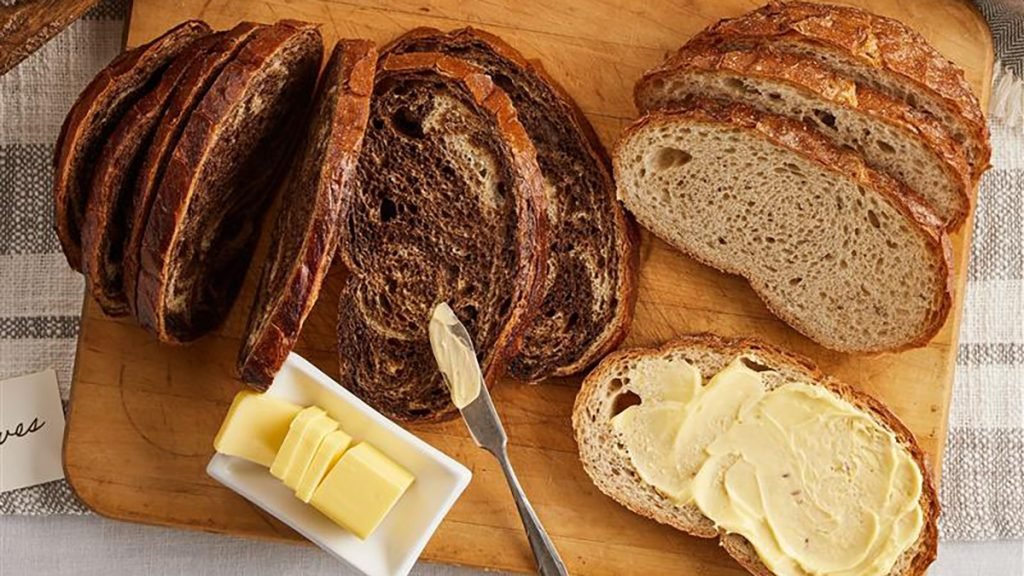
Marble rye bread is the eye-catching, flavor-packed staple that turns ordinary sandwiches into deli-worthy meals. Defined by its striking swirl of light and dark rye dough, this bread balances tangy, earthy, and subtly sweet notes with a chewy crumb and crisp crust. While it’s a classic pairing for pastrami and Reubens, its versatility extends to charcuterie boards, breakfast toast, and even standalone snacks slathered in butter.
If you’ve ever wondered what gives marble rye its signature marbled look, how it differs from standard rye bread, or how to make it at home, this guide breaks down every detail. We’ll cover its cultural origins, core ingredients, baking process, serving ideas, and even dietary considerations to help you make the most of this iconic loaf.
The Origins and Cultural History of Marble Rye
Ashkenazi Roots and Early Development
Marble rye bread traces its lineage to the Ashkenazi Jewish communities of Eastern Europe, where rye was a daily staple for centuries. Unlike wheat, rye thrives in cold, nutrient-poor soil, making it a reliable crop in regions where wheat farming was unviable. Early versions of the bread emerged as bakers combined light rye (made from finely ground rye flour) and dark rye (made from coarsely ground, often sprouted rye) to create a single loaf with varied texture and flavor.
The iconic swirl was likely born out of practicality as much as aesthetics: bakers would combine leftover light and dark rye dough to avoid waste, creating a visually distinct product that signaled a bakery’s skill. For many Jewish immigrants arriving in the U.S. in the late 19th and early 20th centuries, marble rye was a comforting taste of home, adapted to the ingredients available in American cities.
American Adoption and Deli Staple Status
By the mid-20th century, marble rye had become a cornerstone of New York City’s Jewish deli scene, with iconic spots popularizing it as the default bread for pastrami sandwiches. The bread’s sturdy crumb holds up to heavy, juicy deli fillings without falling apart, a key feature that made it a favorite for eat-in and takeout orders.
Today, marble rye remains a cultural icon, with regional variations popping up across the Midwest, Canada, and even the West Coast, where local bakers tweak recipes to suit regional tastes. A common mistake commercial bakers make is using artificial food coloring to deepen the dark rye swirl, rather than relying on natural ingredients like molasses, cocoa powder, or coffee — a shortcut that sacrifices the bread’s signature earthy flavor.
What Makes Marble Rye Unique: Core Ingredients
Light Rye Dough: The Base Layer
The light half of marble rye is made from finely ground medium or light rye flour, sometimes blended with a small amount of bread flour to boost gluten development. Unlike wheat flour, rye flour has lower gluten-forming proteins, which gives the bread its signature dense, chewy crumb rather than the airy texture of white sandwich bread. Light rye dough has a mild, tangy flavor, often enhanced with a touch of sourdough starter for extra complexity and a longer shelf life.
Dark Rye and Pumpernickel: The Swirl Component
The dark swirl comes from pumpernickel dough, made from coarsely ground whole rye flour, often mixed with molasses, unsweetened cocoa powder, or strong brewed coffee to deepen its color and add rich, almost smoky notes. True pumpernickel is slow-baked at low temperatures for hours, which caramelizes the natural sugars in the rye and gives the dark dough its dense, moist texture.
Many commercial loaves cut corners by using regular dark rye flour mixed with food coloring instead of traditional pumpernickel, which leads to a less flavorful, drier dark swirl. For authentic marble rye, look for loaves that list pumpernickel flour as a primary ingredient, not just "dark rye."
Classic Add-Ins: Caraway, Molasses, and Sourdough
Most traditional marble rye recipes include caraway seeds, which add a subtle anise-like aroma and a mild, nutty spice that cuts through the bread’s earthy tang. A small amount of molasses or honey is often added to both doughs to feed the yeast, deepen the crust color, and add a faint sweetness that balances the rye’s natural sourness. Some artisanal bakers use a sourdough starter instead of commercial yeast, which adds a tangy depth of flavor and improves the bread’s keeping quality.
Step-by-Step: How Marble Rye Bread Is Made
Preparing the Two Doughs
Start by mixing your light and dark rye doughs separately, using warm water (105–110°F / 40–43°C) to activate the yeast, and letting the dough rest for 10 minutes after mixing to allow the rye flour to fully absorb the liquid. Knead each dough for 8–10 minutes by hand (or 5 minutes on medium speed in a stand mixer) until smooth and elastic — rye dough will feel stickier than wheat dough, which is normal. Let both doughs rise in a greased, covered bowl in a warm, draft-free spot for 60–90 minutes, or until doubled in size.
A common mistake here is letting one dough rise longer than the other, which leads to uneven swirls and a lopsided loaf. To avoid this, mix and rise both doughs at the same time, and check their size rather than following a strict timer.
Creating the Signature Swirl
Once risen, punch down both doughs and roll each into a 10×6 inch (25×15 cm) rectangle of equal thickness. Brush the top of the light dough with a thin layer of water or egg wash to help the dark dough stick, then place the dark dough rectangle directly on top. Roll the stacked doughs tightly into a log starting from the short end, then pinch the seam closed and tuck the ends under. For a tighter, more defined swirl, gently twist the log 2–3 times before placing it seam-side down in a greased 9×5 inch (23×13 cm) loaf pan.
Baking and Finishing for Perfect Texture
Preheat your oven to 350°F (175°C) and let the rolled loaf rise for an additional 20–30 minutes, until it rises about 1 inch (2.5 cm) above the top of the pan. Bake for 35–40 minutes, until the crust is deep golden brown and the internal temperature reads 190°F (88°C) when tested with a thermometer (tapping the loaf for a hollow sound is a less reliable test for dense rye bread). Let the loaf cool in the pan for 10 minutes before transferring it to a wire rack to cool completely — this prevents the bottom from getting soggy. Slice only after the loaf is fully cooled to avoid a gummy crumb.
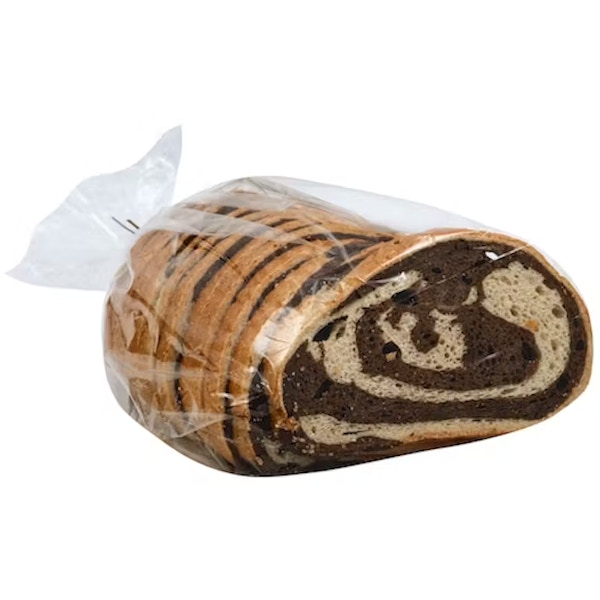 A classic marble rye loaf, ready for slicing and serving
Credit: www.gianteagle.com
A classic marble rye loaf, ready for slicing and serving
Credit: www.gianteagle.com
Flavor and Texture Profile: What to Expect
Layered Flavor Notes
Authentic marble rye has a complex, layered flavor that sets it apart from plain rye or pumpernickel. The light rye contributes a bright, tangy, slightly earthy base, while the dark pumpernickel swirl adds deep, malty, almost smoky notes with a faint sweetness from molasses or cocoa. If caraway seeds are included, you’ll get a subtle anise-like spice that lingers on the palate. Commercial loaves often have a muted, one-note flavor due to preservatives and artificial coloring, while fresh-baked marble rye has a bright, vibrant taste that pairs well with both savory and mildly sweet toppings.
Crumb and Crust Characteristics
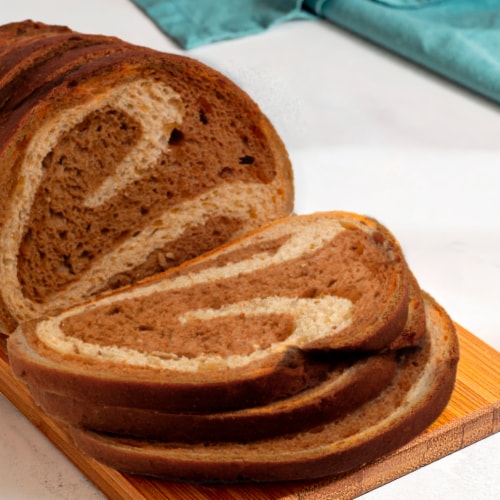
The crumb of marble rye is dense, chewy, and moist, with a tight, fine grain that holds up to hearty sandwich fillings without crumbling. The swirl pattern is visible throughout the slice, with the light rye crumb slightly softer than the denser dark pumpernickel crumb. The crust is thin, crisp, and slightly chewy, with a deep golden-brown color from the molasses in the dough. Stale marble rye can be revived by wrapping it in foil and heating it at 350°F (175°C) for 10 minutes, which restores its crisp crust and chewy interior.
Serving and Pairing Ideas for Marble Rye
Classic Deli Sandwich Pairings
Marble rye’s sturdy crumb and tangy flavor make it the gold standard for hearty deli sandwiches. It’s the traditional base for Reubens, where its flavor balances the richness of corned beef, sauerkraut, Swiss cheese, and Thousand Island dressing. It also pairs perfectly with pastrami, roast beef, smoked turkey, or even fried chicken for an elevated sandwich. If you’re prepping lunch for children, keep baking supplies out of reach with child-safe kitchen drawer latches to avoid accidental ingestion of raw ingredients.
Charcuterie and Appetizer Uses
Sliced marble rye makes a unique addition to charcuterie boards, offering a hearty, flavorful alternative to standard cracker options. For the best presentation, follow our guide on how to cut round cheese for a charcuterie board to pair with your marble rye slices, and serve with grainy mustard, pickles, or cured meats. You can also cut marble rye into small cubes, toast them with olive oil, and serve as a base for bruschetta-style toppings like whipped feta and roasted red peppers.
Creative Breakfast and Snack Ideas
Don’t limit marble rye to lunch: it makes excellent toast for breakfast, paired with avocado, smoked salmon, cream cheese, or even peanut butter and banana. Its dense crumb holds up to thick spreads without falling apart, making it a better option than standard sandwich bread for loaded toast. For a quick snack, top a slice with cottage cheese and fresh berries, or toast it with cinnamon sugar for a sweet, crunchy treat.
Nutritional Benefits and Dietary Considerations
Whole Grain Goodness from Rye
Marble rye is made primarily from whole grain rye flour, which is far more nutrient-dense than refined white wheat flour used in standard sandwich bread. As noted by the U.S. Department of Agriculture's whole grains guidance, rye is a nutrient-dense whole grain that provides significant dietary fiber, B vitamins, and minerals like iron and magnesium, all of which support long-term digestive and heart health. The high fiber content in rye also slows glucose absorption, which can help stabilize blood sugar levels compared to white bread.
That said, commercial marble rye loaves often contain added sugars, preservatives, and even artificial coloring to enhance their appearance and shelf life, so always check the ingredient label if you’re buying pre-made. Authentic, freshly baked marble rye will have a short ingredient list focused on rye flour, water, yeast, and natural flavorings like molasses.
Gluten and Allergy Notes
Rye contains gluten, though in lower concentrations than wheat, which gives marble rye its dense, chewy texture rather than the airy crumb of wheat bread. People with celiac disease or severe gluten intolerance must avoid marble rye entirely, as even small amounts of rye gluten can trigger symptoms. Those with mild gluten sensitivity may tolerate small portions of authentic marble rye, but it’s best to consult a healthcare provider before adding it to your diet.
For gluten-free alternatives, look for loaves made from gluten-free whole grains like sorghum, buckwheat, or oat flour, though these will not have the same classic rye flavor and chewy texture.
Where to Buy or Make Marble Rye Bread
Authentic Sources: Delis and Artisan Bakeries
The highest-quality marble rye comes from local artisan bakeries, especially those specializing in Jewish or Eastern European baked goods. These bakers use traditional recipes, natural ingredients, and slow fermentation methods to create loaves with deep, complex flavor and a perfect chewy crumb. In cities with strong Jewish deli traditions like New York, Montreal, and Chicago, you’ll find some of the best marble rye in the country, often sold fresh daily.
If you want to elevate your homemade loaf presentation, try engraving a custom wooden cutting board to serve your freshly baked bread on for a personal touch.
Grocery Store Options
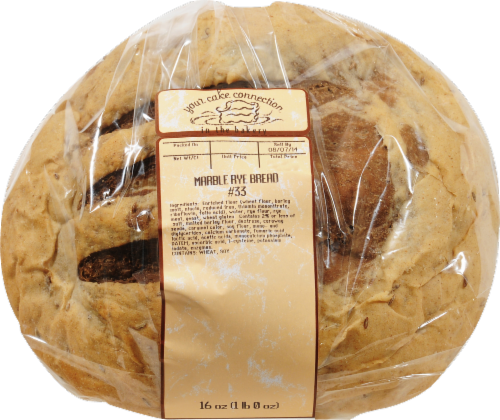
Most large supermarket chains carry pre-sliced marble rye in their bakery or bread aisles, making it a convenient option for quick sandwiches. While these loaves are more affordable and have a longer shelf life than artisanal versions, they often contain preservatives and added sugars that mute the bread’s natural flavor. Look for loaves with a short ingredient list and no artificial colors for the best store-bought option. Pre-sliced loaves are also a good choice if you don’t plan to use the entire loaf right away, as you can freeze the unused slices for up to 3 months.
For more tested baking tips and recipes, browse our collection of home baking guides on the PlugChef blog.
Homemade Marble Rye: Is It Worth the Effort?
Baking marble rye at home is a rewarding project for beginner and experienced bakers alike, and it gives you full control over the ingredients and swirl pattern. While it requires a bit more time than standard sandwich bread (mostly for rising and proofing), the result is a far more flavorful loaf than most store-bought versions.
The biggest challenge for home bakers is getting a consistent swirl: a common mistake is over-rolling the dough, which can mix the light and dark layers and blur the marbled effect. To avoid this, roll each dough to an even thickness, brush the top of the light dough with water to help the dark dough adhere, and roll tightly but gently. After baking, cleaning up flour and dough residue is easy with a heavy-duty kitchen cleaning brush set designed for stubborn kitchen messes. After serving, wipe crumbs from your cutting board with a sturdy kitchen cleaning brush to keep your surfaces clean.
Storing Marble Rye for Maximum Freshness
Freshly baked marble rye stays fresh for 3–4 days at room temperature, stored in a paper bag or bread box to keep the crust crisp. For longer storage, wrap the loaf tightly in plastic wrap and freeze for up to 3 months. To reheat frozen slices, toast them directly from frozen, or wrap the whole loaf in foil and heat at 350°F (175°C) for 10 minutes to restore its chewy crumb and crisp crust.
Frequently Asked Questions
What is the difference between marble rye and regular rye bread?
Regular rye bread is made from a single type of rye dough, either light or dark, with no swirl. Marble rye combines equal parts light and dark rye (or pumpernickel) dough to create its signature marbled appearance and layered flavor. Marble rye also tends to have a slightly denser, chewier crumb than standard light rye, due to the added weight of the dark dough layer.
Is marble rye bread healthy?
Authentic marble rye made with whole grain rye flour is a nutrient-dense whole grain option, high in fiber, B vitamins, and minerals that support digestive and heart health. However, commercial loaves often contain added sugars, preservatives, and refined flours that reduce their nutritional value, so always check the ingredient label if you’re buying pre-made.
Can I make marble rye without a stand mixer?
Yes! Marble rye dough can be mixed and kneaded entirely by hand, though it will take 10–12 minutes of kneading to develop enough gluten for a good rise. Rye dough is naturally stickier than wheat dough, so avoid adding too much extra flour during kneading — a wet, tacky dough is normal.
Why is my marble rye swirl fading after baking?
A fading swirl is almost always caused by over-kneading the dough, which mixes the light and dark layers, or letting the dough rise for too long before baking, which causes the layers to spread and blur. To keep your swirl sharp, roll each dough to an even thickness, roll the stacked doughs tightly, and limit the second rise to 30 minutes maximum.
Final Thoughts
Marble rye bread is far more than just a pretty swirl: it’s a centuries-old staple with deep cultural roots, a complex layered flavor, and unmatched versatility in the kitchen. Whether you’re picking up a fresh loaf from your local deli for a classic Reuben, adding slices to a charcuterie board, or baking a batch at home to share with friends, this bread offers a unique twist on classic rye that’s hard to beat.
If you’ve never tried marble rye before, pick up a fresh loaf from a local artisan bakery this week to taste the difference between authentic, small-batch bread and mass-produced versions. If you’re feeling adventurous, try your hand at homemade marble rye using the steps above, and customize the swirl with your favorite add-ins like extra caraway or a hint of espresso for deeper dark rye flavor.
Ready to upgrade your sandwich game? Grab a loaf of marble rye and your favorite fillings today for a meal that’s as delicious as it is beautiful.

I’m Abby Lu, a passionate home cook who loves simplifying everyday meals. At PlugChef.com, I share product reviews and cooking guides to help you find the best tools for your kitchen.
Related posts:
 French Toast With Condensed Milk: Irresistibly Sweet Breakfast Delight
 Lemon Sorbet Ice Cream Machine: Ultimate Guide for Perfect Frozen Treats
 How to Store Wild Mushrooms: Essential Tips for Freshness
 Recipes to Use Bone Broth: Delicious Ideas to Boost Your Meals
Elderflower Liqueur And Champagne Cocktail: Refreshing Elegance Unveiled
Side Dishes With Beef Tenderloin: Irresistible Pairing Ideas
Recipes to Use Bone Broth: Delicious Ideas to Boost Your Meals
Elderflower Liqueur And Champagne Cocktail: Refreshing Elegance Unveiled
Side Dishes With Beef Tenderloin: Irresistible Pairing Ideas

