
Standing in the cooking oil aisle, the choice between corn oil and canola oil can feel deceptively simple. Both are widely available, affordable, and marketed as heart-healthy options for everyday cooking, but their nutritional profiles, health impacts, and best use cases differ more than most people realize. Choosing the right oil for your diet and cooking style can support your long-term health goals, improve the flavor of your meals, and even reduce your environmental footprint. This guide breaks down the key differences between corn oil and canola oil, with evidence-based insights to help you make an informed choice for your kitchen.
Core Nutritional Profiles: Corn Oil vs Canola Oil
While both oils are 100% fat and contain roughly 120 calories per tablespoon, their fat composition, vitamin content, and antioxidant levels vary significantly, leading to different health outcomes.
Fat Composition
Per data from the USDA Agricultural Research Service, standard refined corn oil is composed of roughly 13% saturated fat, 24% monounsaturated fat, and 58% polyunsaturated fat per tablespoon. The vast majority of its polyunsaturated fat is linoleic acid, an omega-6 fatty acid that is essential for bodily function but consumed in excess by most people following a standard Western diet. Refined canola oil, by contrast, contains approximately 7% saturated fat, 63% monounsaturated fat (mostly oleic acid), and 28% polyunsaturated fat per tablespoon. Roughly 10% of its polyunsaturated fat is alpha-linolenic acid (ALA), an omega-3 fatty acid linked to reduced inflammation and improved heart health. A common mistake home cooks make is assuming all polyunsaturated fats are equally beneficial, but the balance of omega-6 to omega-3 matters far more for long-term health than total polyunsaturated fat intake alone.
Vitamins and Antioxidants
Corn oil is a particularly rich source of vitamin E, a fat-soluble antioxidant that protects cell membranes from oxidative damage. A single tablespoon of corn oil provides roughly 15mg of vitamin E, or 100% of the daily recommended intake for most adults. It also contains small amounts of phytosterols, plant compounds that block cholesterol absorption in the gut and can reduce LDL ("bad") cholesterol levels by 5-10% when consumed regularly. Canola oil also contains vitamin E, though at roughly half the amount of corn oil (9mg per tablespoon). It also has small amounts of vitamin K and antioxidant compounds that support cardiovascular health, but lacks the high phytosterol content of corn oil. For cooks prioritizing antioxidant intake, corn oil has a slight edge, but both options provide meaningful amounts of these protective nutrients.
Caloric Density
Both corn and canola oil are calorie-dense, with 120 calories per tablespoon, regardless of fat composition. There is no meaningful difference in their caloric content, so portion control is critical for weight management regardless of which oil you choose. A common pitfall is assuming "healthier" oils like canola can be used in unlimited quantities, but excess calories from any fat source will contribute to weight gain over time.
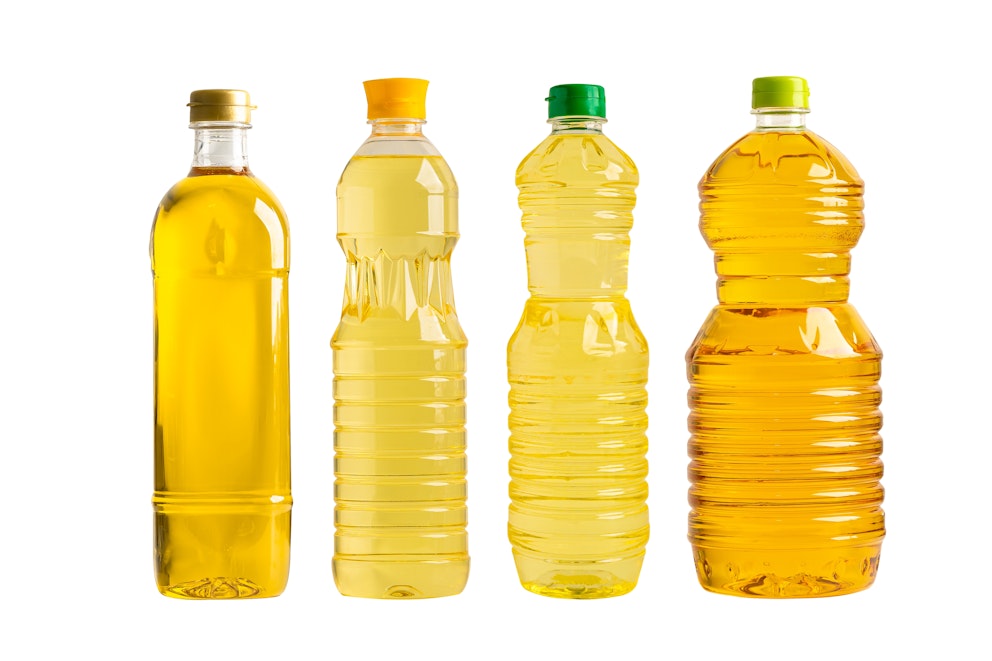 Side-by-side comparison of the two most common cooking oil options for home use.
Credit: www.drberg.com
Side-by-side comparison of the two most common cooking oil options for home use.
Credit: www.drberg.com
Production and Processing Differences
The way corn and canola oil are extracted and refined has a major impact on their nutrient content, safety, and suitability for different cooking uses, a factor often overlooked in basic comparisons. Nearly all commercial corn and canola oil is produced via solvent extraction, where hexane (a petroleum-derived solvent) is used to pull oil from the seed or corn germ, followed by refining, bleaching, and deodorizing (RBD) to remove impurities, neutralize flavor, and extend shelf life. This process strips away most of the natural antioxidants and phytosterols in the raw oil, but also raises the smoke point and makes the oil stable for high-heat cooking. Minimally processed versions, including expeller-pressed and cold-pressed corn and canola oil, are produced without chemical solvents and retain more of their natural nutrients and flavor. These oils have lower smoke points (around 400°F for expeller-pressed canola, 410°F for expeller-pressed corn oil) and are better suited for low-heat cooking, dressings, and finishing. The FDA regulates hexane residues in refined oils to be below 5 parts per million, a level considered safe for human consumption, but cooks avoiding processed ingredients may prefer minimally processed options. Most commercial corn and canola oil undergoes solvent extraction and refining, a process that strips some natural nutrients but extends shelf life. For cooks who prefer minimally processed options, expeller-pressed versions are widely available, though they come at a higher price point. If you’re building out a kitchen with high-quality, long-lasting tools and ingredients, organizing under-sink storage for your oil collection and cleaning supplies will help keep your space functional and clutter-free.
Heart Health Impacts Explained
The fat profiles of corn and canola oil lead to meaningful differences in their effects on cardiovascular health, the most common reason people choose one oil over the other. The American Heart Association recommends prioritizing oils high in monounsaturated and polyunsaturated fats while limiting saturated fat intake to support long-term cardiovascular health, a guideline that aligns with canola oil’s fat profile. Clinical research has consistently shown that replacing saturated fats with monounsaturated fats like those in canola oil can reduce LDL cholesterol levels by up to 15% without lowering HDL ("good") cholesterol, lowering the risk of heart attack and stroke over time. Corn oil’s high polyunsaturated fat content can also lower LDL cholesterol, but its extreme omega-6 to omega-3 ratio (46:1, compared to canola’s 2:1 ratio) can promote systemic inflammation when consumed in excess, especially if your diet is low in omega-3 rich foods like fatty fish, flaxseed, or walnuts. The standard Western diet already has an omega-6 to omega-3 ratio of 15:1 to 20:1, so adding corn oil to your diet can worsen this imbalance, increasing long-term inflammation and cardiovascular risk. For context, a single tablespoon of corn oil provides 7.1g of omega-6 fat and just 0.1g of omega-3 fat, while the same serving of canola oil provides 2.8g of omega-6 and 1.3g of omega-3 ALA.
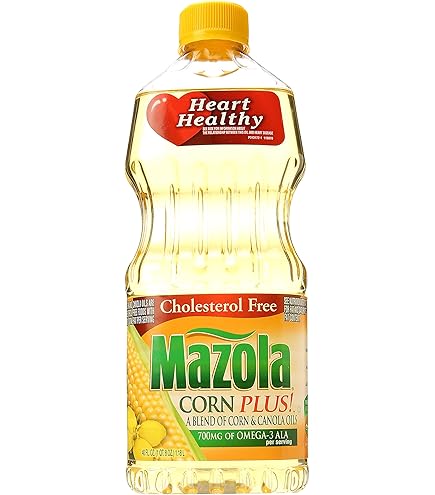 Common retail packaging for corn and canola oil found in most grocery stores.
Credit: www.amazon.ca
Common retail packaging for corn and canola oil found in most grocery stores.
Credit: www.amazon.ca
Cooking Performance and Stability
Beyond nutrition, the two oils perform differently in the kitchen, making one a better fit for specific cooking methods than the other.
Smoke Points and Heat Stability
Smoke point refers to the temperature at which an oil begins to break down, smoke, and release harmful compounds like aldehydes. Refined corn oil has a smoke point of approximately 450°F (232°C), making it ideal for very high-heat cooking like deep-frying, grilling, and searing. High-oleic canola oil, a specialty variety bred for higher heat stability, has a smoke point of 475°F (241°C), while standard refined canola oil has a smoke point of 400-425°F (204-218°C). Corn oil’s high polyunsaturated fat content makes it less stable when reheated, so it is not ideal for reusing frying oil, as it will oxidize quickly and develop off-flavors. High-oleic canola oil is more stable for multiple uses, making it a better choice for frequent home frying.
Flavor Profiles
Corn oil has a very mild, slightly sweet, neutral flavor that blends seamlessly into baked goods, fried foods, and salad dressings without overpowering other ingredients. It is a popular choice for cornbread, fried chicken, and homemade mayonnaise, where a neutral oil is preferred but a subtle sweetness is acceptable. Canola oil has an even more neutral, nearly flavorless profile, making it ideal for delicate recipes where any oil taste would be noticeable, such as angel food cake, light salad dressings, or sautéed vegetables. A common mistake is using strongly flavored oil in recipes where subtlety is key, which can throw off the final taste of your dish.
Best Cooking Methods
- Corn oil: Deep-frying, grilling, baking (especially savory baked goods), and high-heat stir-frying where a neutral, slightly sweet flavor is acceptable.
- Canola oil: Medium-heat stir-frying, roasting, baking (especially delicate sweet baked goods), salad dressings, and low-heat sautéing. When prepping ingredients for high-heat cooking, always start with clean, sanitized surfaces to avoid cross-contamination. Follow proper cutting board sanitation protocols between uses, especially when switching between raw proteins and vegetables.
Potential Risks and Drawbacks
Neither oil is without risks, and understanding these drawbacks can help you make a safer choice for your household.
Allergies and Sensitivities
Corn allergies affect roughly 0.5% of the U.S. population, per FDA data, and can range from mild oral allergy syndrome to life-threatening anaphylaxis. People with corn allergies must avoid corn oil entirely, as even highly refined corn oil contains trace corn proteins that can trigger reactions. Canola allergies are extremely rare, but people with sensitivities to the Brassicaceae family of plants (which includes mustard, kale, broccoli, and cabbage) may experience mild reactions to canola oil, as it is derived from the rapeseed plant, a member of this family. If you notice digestive discomfort, hives, or respiratory symptoms after consuming either oil, discontinue use and speak to a healthcare provider.
Oxidation and Rancidity
Both oils are high in polyunsaturated fats, which are prone to oxidation when exposed to heat, light, or air. Oxidized oils contain harmful free radicals and aldehydes that can contribute to inflammation and cellular damage over time. Always store both oils in a cool, dark place, tightly sealed, and discard any oil that smells bitter, sour, or rancid. Never reuse oil after it has been heated past its smoke point. Oil splatters from high-heat cooking can cause rust to form on metal utensils and small appliances over time. If you notice rust building up on your kitchen tools, follow our guide to removing rust from cookware with common household ingredients to restore them safely.
Environmental and Agricultural Considerations
If sustainability is a priority for your household, the agricultural practices behind corn and canola production are worth considering. Corn farming for oil production is resource-intensive: it requires roughly 140 gallons of water per pound of oil produced, and most conventional corn is grown in large monocultures that deplete soil nutrients and require heavy applications of nitrogen fertilizer. Fertilizer runoff from corn farms is a leading contributor to algal blooms and dead zones in U.S. waterways. Canola farming is less water-intensive, requiring roughly 60 gallons of water per pound of oil, and canola is often grown as a rotation crop to improve soil health and reduce pest pressure. However, over 90% of the canola and corn grown in the U.S. is genetically modified to be herbicide-resistant, leading to increased herbicide use and the development of herbicide-resistant weeds. Organic, non-GMO versions of both oils have a significantly lower environmental footprint, though they come at a higher price point. For cooks who prioritize sustainable kitchen practices, reducing waste and properly maintaining kitchen tools can lower your environmental footprint as much as your oil choice. If you have rusted gardening or workshop tools, you can use the same gentle methods for cleaning rust from tools to extend their lifespan instead of replacing them.
How to Choose the Right Oil for Your Needs
There is no one-size-fits-all "healthiest" cooking oil, and the best choice depends on your dietary needs, cooking habits, budget, and values. Use these guidelines to pick the right option for your kitchen:
- Allergies and sensitivities: If you have a diagnosed corn allergy, avoid corn oil entirely. If you have Brassicaceae sensitivities, opt for corn oil or a different cooking oil entirely.
- Cooking method: For deep-frying or grilling at temperatures above 450°F, refined corn oil or high-oleic canola oil are both excellent choices. For medium-heat cooking, baking, and dressings, standard canola oil is more versatile.
- Heart health goals: If you are prioritizing cardiovascular health, choose minimally processed, non-GMO canola oil, and pair it with omega-3 rich foods to balance your fatty acid intake. Limit corn oil to occasional use if you struggle to get enough omega-3s in your diet.
- Budget: Both oils are widely available and affordable, with corn oil typically costing 10-20% less per ounce than conventional canola oil. Organic versions of both cost roughly double the price of conventional options.
- Flavor preference: If you dislike any hint of oil flavor in your baked goods, choose canola oil. If you prefer a subtle sweetness for savory baked goods or fried foods, corn oil may be a better fit. If you’re still unsure which oil fits your needs, our full kitchen guide has additional tips for building a balanced, versatile cooking oil collection that works for every recipe in your rotation.
 Using the right cooking oil for your recipe improves both flavor and nutritional value.
Credit: www.rd.com
Using the right cooking oil for your recipe improves both flavor and nutritional value.
Credit: www.rd.com
Frequently Asked Questions
What is the biggest difference between corn oil and canola oil?
The largest difference is their fat profile: corn oil is very high in omega-6 polyunsaturated fats and low in omega-3s, with a 46:1 omega-6 to omega-3 ratio, while canola oil is high in heart-healthy monounsaturated fats and has a balanced 2:1 ratio. Canola oil also has a more neutral flavor, while corn oil has a subtle sweetness.
Is canola oil really healthier than corn oil?
For most people, yes. Canola oil’s lower saturated fat content, higher monounsaturated fat levels, and favorable omega-6 to omega-3 ratio make it a better choice for long-term heart health and inflammation reduction. That said, both oils are fine in moderation as part of a balanced diet, and corn oil’s higher vitamin E content offers unique antioxidant benefits.
Which oil is better for high-heat cooking?
Refined corn oil has a slightly higher standard smoke point (450°F vs 400°F for standard canola), but high-oleic canola oil has a smoke point of 475°F, making it comparable for very high-heat cooking like deep-frying. High-oleic canola is also more stable when reheated, making it a better choice if you reuse frying oil.
Can I use corn oil and canola oil interchangeably?
Yes, in most recipes, the two oils can be swapped 1:1 without affecting the outcome of the dish. The only noticeable difference will be a subtle sweet flavor in baked goods made with corn oil, compared to the completely neutral taste of canola oil.
Do these oils contain trans fats?
Neither corn nor canola oil contains naturally occurring trans fats. Commercial refined versions may contain trace amounts of trans fats formed during the refining process, but these levels are required to be listed on nutrition labels and are typically negligible (less than 0.5g per serving) in modern commercial products.
Are organic versions of these oils worth the extra cost?
If you are avoiding GMOs, pesticides, or solvent extraction, organic, expeller-pressed versions are worth the premium. For most everyday cooking uses, conventional refined versions offer nearly identical nutritional value and performance at a much lower cost.
How should I store corn and canola oil to keep them fresh?
Store both oils in a cool, dark place away from direct heat or sunlight, tightly sealed to prevent oxidation. They will stay fresh for 6-12 months after opening. Avoid storing them near the stove or oven, as consistent heat will speed up rancidity.
Final Verdict
Both corn oil and canola oil have a place in the modern kitchen, but they are not interchangeable for all use cases or health goals. Canola oil is the better choice for most people, thanks to its heart-healthy fat profile, neutral flavor, and versatility across cooking methods. Corn oil is a solid option for high-heat frying and savory baked goods, and its higher vitamin E content offers unique antioxidant benefits, but its extreme omega-6 to omega-3 ratio means it should be used in moderation, especially if your diet is low in omega-3 rich foods. For optimal health, pair either oil with a varied diet rich in whole grains, lean proteins, vegetables, and omega-3 sources, and prioritize extra virgin olive oil or avocado oil for low-heat cooking and dressings to maximize your intake of protective antioxidants. If you’re looking for more practical, research-backed tips to simplify your cooking and kitchen routines, explore our library of evidence-based kitchen resources for step-by-step guides on everything from food prep to sustainable kitchen maintenance.

I’m Abby Lu, a passionate home cook who loves simplifying everyday meals. At PlugChef.com, I share product reviews and cooking guides to help you find the best tools for your kitchen.
Related posts:
 How to Make a Fruit Basket for a Gift: Easy DIY Guide
 Do You Need a Basket? Essential Guide for Air Fryers
 Small Kitchens With Black Appliances: Maximizing Style
 Allied Blenders And Distillers IPO: Investment Insights
 Whirlpool 4 Piece Kitchen Appliance Package: Ultimate Upgrade
 Kitchen Sink Cleaning: Ultimate Tips for a Sparkling Shine

