
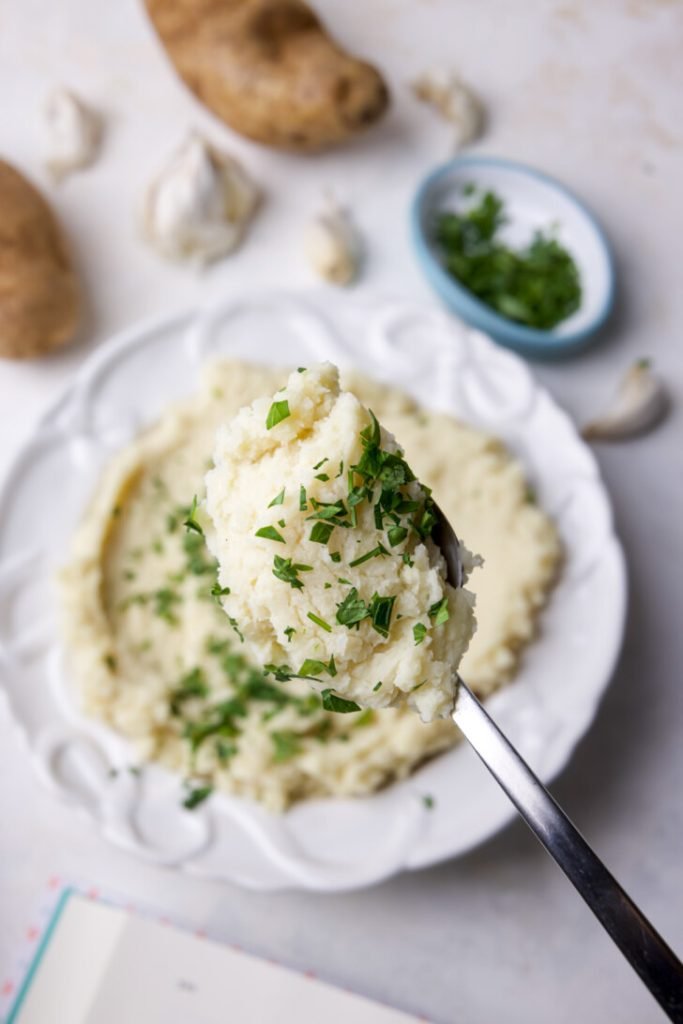
There’s a reason Julia Child’s mashed potato recipe has remained a gold standard for home cooks for decades: it delivers rich, velvety, lump-free mash with zero fancy equipment or hard-to-find ingredients, using simple, tested techniques that eliminate the most common mashed potato pitfalls. Whether you’re prepping a weeknight side dish or a centerpiece for a holiday feast, this recipe guarantees creamy, flavorful results every time, no culinary degree required. Below, we’ll walk through exact measurements, Julia’s signature pro tips, and fixes for common mistakes to help you master this iconic dish in your own kitchen. Her approachable, tested techniques have made her a go-to resource for beginner-friendly French recipes for decades.
Why This Julia Child Mashed Potato Recipe Is a Timeless Staple
Unlike many modern mash recipes that rely on cream cheese, sour cream, or other add-ins for richness, Julia Child’s version relies on perfect technique and high-quality core ingredients to shine. First popularized in her 1961 landmark cookbook Mastering the Art of French Cooking, the recipe prioritizes the natural flavor of potatoes while amplifying their richness with warm butter and cream. It’s versatile enough to pair with everything from roast chicken to steak frites, and easy enough for even beginner cooks to pull off successfully. Julia’s core philosophy of demystifying fancy French techniques for home kitchens makes this recipe feel accessible, not intimidating, even for first-time mashed potato makers.
Exact Ingredients (Serves 4)
The original recipe calls for just 6 core ingredients, with no unnecessary additives. Exact measurements ensure consistent results every time:
- 2 lbs starchy potatoes (Russets are Julia’s top pick; Yukon Golds work for a slightly buttery, lower-starch option)
- 6 tbsp unsalted butter, cut into small cubes
- ½ cup heavy cream, warmed to 100°F (warm to the touch, not boiling)
- 1 tsp kosher salt (plus more to taste)
- ½ tsp freshly ground black pepper (plus more to taste)
- Optional: 1 pinch freshly grated nutmeg, 2 tbsp finely chopped fresh chives
Potatoes: The Foundation of Perfect Mash
Starchy potatoes are non-negotiable for Julia’s recipe: their high starch content breaks down easily when boiled, creating a fluffy, light base that absorbs butter and cream without turning gummy. Russet potatoes (also called Idaho potatoes) have the highest starch content of common varieties, making them the best choice for ultra-smooth mash. Yukon Golds are a close second, with a natural buttery flavor that reduces the amount of butter you need to add, but they have slightly lower starch, so they may produce a denser mash if overmixed. Per University of Idaho Extension guidelines, Russets have a starch content of 15-18%, compared to 12-14% for waxy varieties like red potatoes, which is why they are the gold standard for mashed potatoes.
Dairy: The Secret to Velvety Texture
Julia specifically calls for unsalted butter so you can control the salt level of the final dish, and European-style butter (with 82% fat content, vs 80% for standard American butter) for a deeper, richer flavor. Heavy cream is the only dairy option Julia recommends for this recipe: half-and-half or whole milk will produce a thinner, less rich mash, as they have lower fat content. Warming the cream before adding it is critical: cold dairy cools the hot potatoes, causing lumps and uneven mixing, and can make the final dish feel heavy instead of light.
Seasoning: Balancing Richness and Flavor
Salt is the most underrated ingredient in mashed potatoes: it amplifies the natural earthy flavor of the potatoes and cuts through the richness of the butter and cream. Kosher salt is preferred over table salt, as its larger crystals dissolve more evenly and have a cleaner, less harsh flavor. Freshly ground black pepper adds a subtle, warm heat that complements the buttery base, while a tiny pinch of nutmeg (Julia’s secret add-in) enhances the creamy texture without tasting distinctively of nutmeg. Add fresh herbs like chives or parsley at the very end to keep their bright, fresh flavor intact.
Selecting and Prepping Potatoes for Lump-Free Results
Even the best ingredients won’t save lumpy, unevenly cooked mashed potatoes. Proper prep ensures your potatoes cook evenly and mash smoothly with minimal effort.
Potato Varieties Compared
Use this quick reference to pick the right potatoes for your desired texture:
| Potato Variety | Starch Content | Texture When Mashed | Best Use Case |
|---|---|---|---|
| Russet (Idaho) | 15-18% | Fluffy, light, ultra-smooth | Julia Child’s classic recipe, ultra-creamy mash |
| Yukon Gold | 12-14% | Smooth, slightly dense, naturally buttery | Lower-fat mash, recipes with added herbs |
| Red/New Potatoes | 10-12% | Dense, gluey when overmashed | Salads, roasted potatoes, not recommended for mash |
| White All-Purpose | 13-15% | Smooth, moderately creamy | Substitute for Russets if unavailable |
Step-by-Step Prep to Eliminate Lumps
- Peel thoroughly: Use a sharp Y-peeler to remove all skin, taking care not to dig into the potato flesh, which can leave bitter, earthy bits in your mash. For an even smoother result, scrub the peeled potatoes with a sturdy produce brush to remove any remaining dirt or blemishes.
- Cut into uniform cubes: Slice potatoes into 1.5-inch even cubes. Uniform size ensures all pieces cook at the same rate, eliminating raw, lumpy centers and mushy, overcooked edges.
- Rinse and soak (optional): Rinse cut potatoes under cold water to remove excess surface starch. For extra fluffiness, soak them in cold water for 10 minutes before boiling; this reduces excess starch by washing away the amylose that causes gumminess. Drain thoroughly before boiling to avoid adding extra water to your mash.
Boiling Techniques for Tender, Evenly Cooked Potatoes
Proper boiling is the make-or-break step for perfect mashed potatoes: undercooked potatoes stay lumpy, while overcooked potatoes turn waterlogged and gummy. Julia Child’s cold water start method eliminates both issues.
The Cold Water Start Method
Place peeled, cubed potatoes in a large pot and cover with 2 inches of cold water. Adding potatoes to cold water (rather than boiling water) heats them evenly from the outside in, preventing the exterior from turning to mush before the center is fully tender. Add 1 tsp of kosher salt per quart of water to season the potatoes from the inside out and slightly raise the boiling point for faster, more even cooking.
Testing for Perfect Doneness
Bring the water to a rolling boil, then reduce heat to a gentle simmer. Cook for 12-15 minutes, testing doneness by poking a cube with a fork: it should slide in with zero resistance, no hard core visible. Do not overcook: potatoes that are falling apart when lifted from the water will produce gummy mash.
Removing Excess Moisture (Julia's Secret Step)
The second you test the potatoes for doneness, drain them thoroughly in a colander, then return them to the hot, empty pot over low heat for 1 minute, stirring occasionally. This step evaporates excess surface moisture that would otherwise make your mash runny and thin—a small trick that makes a huge difference in final texture.
Mashing Methods for Your Preferred Texture
The tool you use to mash your potatoes will determine their final texture: choose the method that matches your preference, and avoid overworking the potatoes no matter which tool you pick.
Potato Masher: Rustic, Chunky Mash
A heavy-duty potato masher is the best choice for cooks who prefer a slightly chunky, rustic texture. Use a masher with a wide, perforated head, and press down in a steady circular motion, only mashing until most large lumps are broken up. Overmashing with a masher will release excess starch and make the mash gluey.
Potato Ricer: Ultra-Smooth, Lump-Free Mash
The potato ricer is Julia Child’s preferred tool for ultra-smooth, lump-free mash. Cooked potatoes are pushed through the ricer’s small holes in one motion, breaking them apart gently without overworking the starch. The result is a light, airy mash with zero lumps, perfect for diners who prefer silky, restaurant-quality results. After use, clean the ricer’s small holes quickly with a small cleaning brush to prevent dried potato from clogging the disc.
Food Mill: Skin-Free, Silky Texture
A food mill works similarly to a ricer, but with the added benefit of removing any tiny remaining skin bits and producing an even smoother texture. It’s ideal for making mash for young kids or diners who dislike any texture at all, and it’s gentler on the potatoes than a ricer, reducing the risk of overworking.
Hand Mixer: Quick, Creamy Results (Used Correctly)
A hand mixer cuts down on mashing time dramatically, but it’s easy to overmix and create gummy potatoes if you’re not careful. Use the lowest speed setting, and add your warm butter and cream before mixing to avoid dry spots. Mix only until all ingredients are fully incorporated, then stop—overmixing with a mixer breaks down the potato starch and creates a sticky, heavy texture.
Tools to Avoid
Never use a blender, food processor, or immersion blender on whole cooked potatoes: the high speed breaks down the starch cells completely, releasing excess amylose and creating a gluey, unappealing texture that can’t be fixed.
Incorporating Butter and Cream for Restaurant-Quality Richness
Julia Child’s signature velvety texture comes from properly incorporating warm dairy into the potatoes, rather than dumping it all in at once.
The Right Butter and Cream for Julia's Recipe
Stick to unsalted European-style butter, cut into small cubes and left at room temperature for 15 minutes before adding, so it melts evenly into the warm potatoes without leaving greasy spots. For cream, use only heavy cream (36% fat): warming it to 100°F ensures it blends seamlessly into the potatoes without cooling them down and causing lumps. If you prefer a lighter mash, you can substitute ¼ cup of the heavy cream with whole milk, but avoid half-and-half, which will make the mash thin and runny.
Step-by-Step Dairy Incorporation
- Add 2 tbsp of the room-temperature butter to the hot, drained potatoes, and fold gently with a rubber spatula until fully melted and incorporated.
- Add 2 more tbsp of butter, folding again to coat the potatoes evenly. Taste and adjust salt if needed.
- Pour in ¼ cup of the warmed heavy cream, folding gently until fully absorbed.
- Repeat with the remaining butter and cream, adding more cream 1 tbsp at a time if the mash is too thick for your preference. The final texture should be creamy enough to hold its shape on a spoon, but thick enough not to run off the edge.
Custom Variations
Julia’s base recipe is infinitely customizable to match your taste preferences:
- Garlic mashed potatoes: Roast 3-4 whole garlic cloves alongside the potatoes (or sauté them in a pan with a little butter until soft and golden), then squeeze the soft pulp into the potatoes before adding butter and cream.
- Herb mashed potatoes: Stir 2 tbsp of finely chopped fresh chives, parsley, or tarragon into the finished mash right before serving to keep their bright flavor intact.
- Cheesy mashed potatoes: Fold in ¼ cup of freshly grated Gruyère or Parmesan cheese with the last addition of butter for a rich, savory twist.
Seasoning for Balanced, Elevated Flavor
Proper seasoning is what separates good mashed potatoes from great ones. Potatoes are naturally mild, so don’t be shy with salt and pepper: for 2 lbs of potatoes, start with 1 tsp kosher salt and ½ tsp freshly ground black pepper, then taste and adjust as you add dairy. A tiny pinch of freshly grated nutmeg (no more than ⅛ tsp) adds a subtle, warm depth that enhances the creaminess without tasting like nutmeg, a trick Julia used in many of her dairy-based recipes. Avoid pre-made garlic powder, dried herbs, or pre-ground pepper: these have a harsh, metallic aftertaste that overpowers the delicate flavor of the potatoes. Always taste your mash before serving, and adjust seasoning as needed—if it tastes flat, it needs more salt; if it tastes too rich, a tiny squeeze of fresh lemon juice will cut through the butter and brighten the flavor.
Common Mashed Potato Mistakes (And How to Fix Them)
Even experienced cooks run into issues with mashed potatoes sometimes. Here are the most common mistakes, and how to avoid them:
- Overcooking the potatoes: Waterlogged, mushy potatoes produce gummy mash. Fix: test for doneness early, drain immediately, and return to the hot pot for 1 minute to evaporate excess moisture.
- Using waxy potatoes: Red or new potatoes have high moisture and low starch, turning gluey when mashed. Fix: stick to Russets or Yukon Golds for the best texture.
- Adding cold dairy: Cold butter or cream cools the hot potatoes, causing lumps and uneven mixing. Fix: warm cream to 100°F, and cut butter into small cubes to melt faster.
- Overmixing: Whether by hand, masher, or mixer, overworking the potatoes releases excess starch and creates a sticky, heavy texture. Fix: mix only until all ingredients are fully incorporated, then stop.
- Underseasoning: Potatoes are bland on their own, so don’t be shy with salt. Fix: taste after each addition of salt and dairy, and adjust before serving.
- Skipping the post-boil moisture step: Excess water in boiled potatoes makes runny, thin mash. Fix: drain thoroughly and return to the hot pot for 1 minute to let steam escape.
Serving Suggestions and Pairings
Julia Child’s mashed potatoes are incredibly versatile, pairing well with everything from casual weeknight meals to formal dinner parties. For a classic French-inspired meal, serve alongside coq au vin, boeuf bourguignon, or roasted duck confit. For comfort food pairings, they pair perfectly with roast chicken, meatloaf, fried chicken, or grilled steak. Vegetarian options include mushroom stroganoff, roasted root vegetables, lentil loaf, or grilled portobello mushrooms. For a holiday feast, top the mash with a drizzle of brown gravy, mushroom sauce, or garlic butter sauce for extra richness. If you’re hosting a family gathering with young kids, use child-safe cabinet locks to keep cleaning supplies and sharp utensils out of reach in the kitchen.
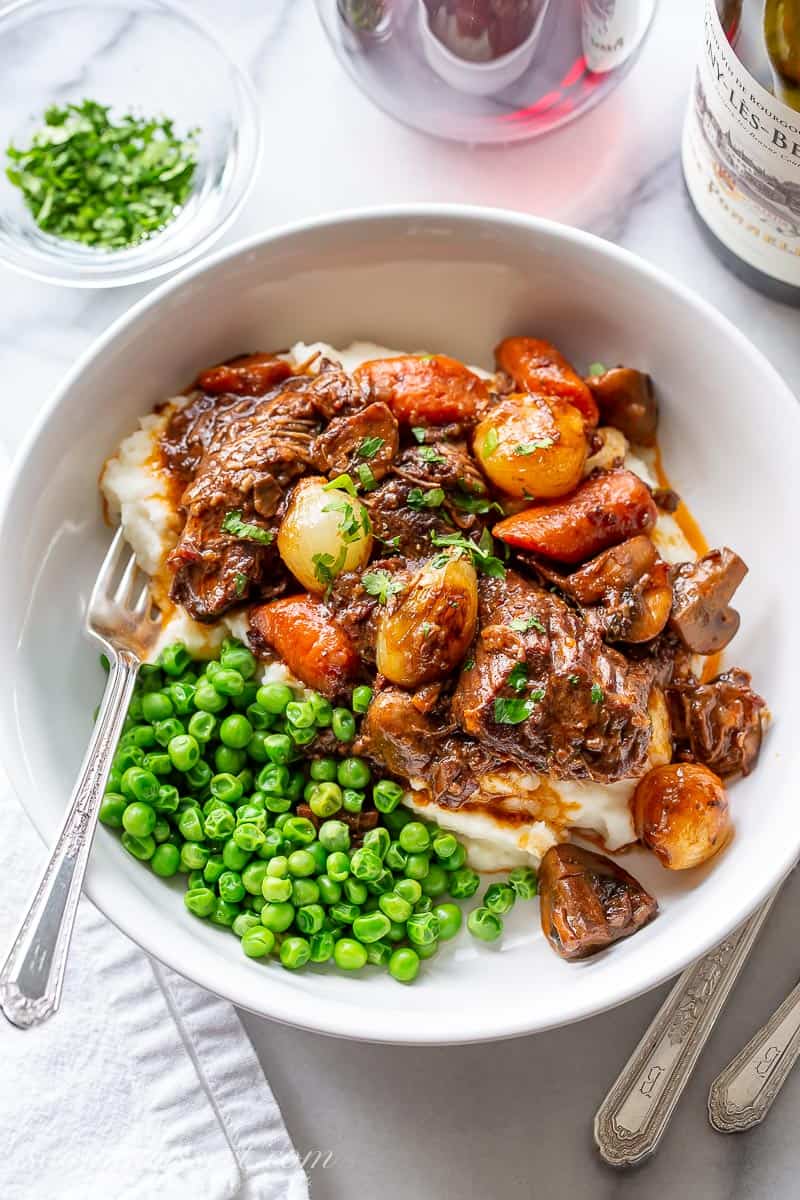 Julia Child's iconic beef bourguignon, a classic French pairing for her signature mashed potatoes
Storage and Reheating to Preserve Creamy Texture
Leftover mashed potatoes are just as delicious as freshly made, if stored and reheated properly. Per USDA food safety guidelines, leftover cooked potatoes should be cooled to room temperature within 2 hours before refrigerating to prevent bacterial growth.
Fridge Storage
Let the mashed potatoes cool completely (no more than 2 hours at room temperature), then transfer to an airtight container. They will stay fresh in the refrigerator for up to 3 days. For meal prep, you can make the mash up to 2 days ahead of time and reheat it gently before serving.
Stovetop Reheating (Best Method)
Place the mashed potatoes in a saucepan over low-medium heat. Add 1-2 tbsp of warm heavy cream or milk per cup of mash, and stir continuously until heated through. Do not let the mash boil, as this will cause it to separate and become dry. This method preserves the creamy, smooth texture almost as well as freshly made mash.
Oven Reheating for Large Batches
Preheat your oven to 350°F. Spread the mashed potatoes in an even layer in an oven-safe baking dish, then top with 1 tbsp of butter per cup of mash to prevent drying. Cover tightly with aluminum foil and bake for 20-25 minutes, stirring halfway through, until heated all the way through. This method is ideal for reheating large batches for holiday dinners or gatherings.
Microwave Reheating for Quick Servings
Transfer the mashed potatoes to a microwave-safe bowl, and add 1 tsp of warm cream or milk per cup of mash. Cover loosely with a microwave-safe lid or paper towel to trap steam, and heat in 30-second intervals, stirring between each, until heated through. Avoid overheating, as this will dry out the potatoes.
Freezing for Future Use
For long-term storage, portion the mashed potatoes into freezer-safe bags or airtight containers, pressing out as much excess air as possible to avoid freezer burn. Label with the date, and freeze for up to 2 months. Thaw in the refrigerator overnight before reheating, and add an extra splash of warm cream when reheating to restore their original creamy texture. Note that frozen mashed potatoes may have a slightly softer texture than freshly made, but they will still taste delicious. Once you’ve finished storing and reheating your mash, a dish washing brush makes quick work of cleaning pots, utensils, and ricers without scrubbing.

Frequently Asked Questions
Can I use Yukon Gold potatoes instead of Russets for Julia Child's mashed potatoes?
Yes, Yukon Golds work well as a substitute, and they have a natural buttery flavor that reduces the amount of butter you need to add. Keep in mind they have slightly lower starch content, so avoid overmixing to prevent a dense, gluey texture.
Why are my mashed potatoes gummy, and how do I fix them?
Gummy mash is almost always caused by overmashing, using waxy potatoes, or adding cold dairy. To fix it, stir in 1-2 tbsp of warm heavy cream at a time, and fold gently with a spatula to lighten the texture. If it’s still gummy, you can pass it through a potato ricer or food mill to break up the excess starch.
Can I prepare Julia Child's mashed potatoes ahead of time for a holiday dinner?
Absolutely. You can make the mash up to 2 days ahead of time, store it in an airtight container in the fridge, and reheat it gently on the stovetop with a splash of extra cream to restore its creamy texture.
Can I substitute half-and-half for heavy cream in this recipe?
We don’t recommend it: half-and-half has only 10-12% fat, compared to 36% for heavy cream, so it will produce a thin, runny mash that lacks the signature velvety richness of Julia’s recipe. If you want a lower-fat option, substitute ¼ cup of the heavy cream with whole milk, but keep the remaining ¼ cup as heavy cream for best results.
How do I make vegan Julia Child's mashed potatoes?
To make a vegan version, substitute the butter with 6 tbsp of vegan European-style butter, and the heavy cream with ½ cup of full-fat canned coconut milk or unsweetened oat cream, warmed to 100°F before adding. Add extra salt and nutritional yeast to taste for a savory, cheesy flavor without dairy.
Conclusion
Julia Child’s mashed potato recipe is proof that perfect, creamy mash doesn’t require fancy equipment, rare ingredients, or years of cooking experience—just a few simple, tested techniques that eliminate common pitfalls. Whether you’re serving it alongside a casual weeknight roast or a formal holiday feast, this recipe delivers rich, flavorful results that will have even the pickiest eaters coming back for seconds. For more tested, foolproof recipes and kitchen tips to simplify your cooking routine, browse our full blog library for fresh inspiration every week.

I’m Abby Lu, a passionate home cook who loves simplifying everyday meals. At PlugChef.com, I share product reviews and cooking guides to help you find the best tools for your kitchen.
Related posts:
 Green Eggs And Ham Breakfast: Delicious Recipes to Energize Mornings
 Keep Apples Fresh After Cutting: Easy Tips to Stay Crisp Longer
 Oven Frozen Salmon And Tomatoes: Easy, Healthy Dinner Recipe
 French Onion Dip Chicken Bites: Irresistible Party Snack Recipe
 Old Fashioned Chocolate Bread Pudding: Decadent Comfort Dessert Delight
 Neiman Marcus Bars Original Recipe: Irresistible Classic Delight

