
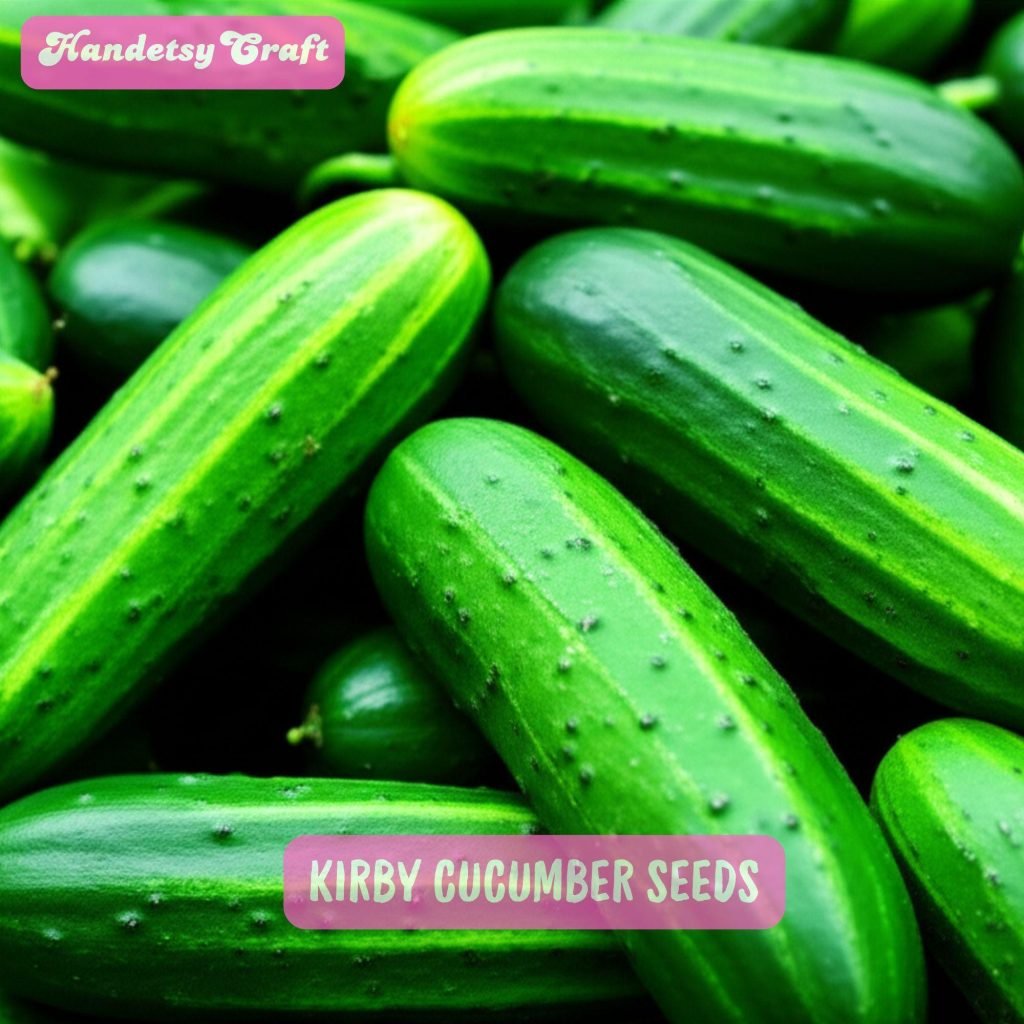
If you’ve ever spotted small, bumpy green cucumbers at the grocery store or farmer’s market and wondered how they differ from standard long slicing varieties, you’ve likely seen Kirby cucumbers. This compact cultivar is prized by home cooks, pickle enthusiasts, and gardeners for its signature crunch, mild sweet flavor, and exceptional performance in both fresh and preserved dishes. Below, we break down everything you need to know about this underrated vegetable, from its history to growing tips and creative culinary uses.
What Makes a Kirby Cucumber Unique?
Kirby cucumbers are a distinct cultivar of Cucumis sativus developed specifically for small-scale pickling and fresh eating, with traits that set them apart from larger slicing varieties. Their compact size, firm flesh, and low bitterness make them a favorite for home food preservation and summer salads alike. For more on this, see our guide on pumpkin delight recipe no bake.
Origin and History
Kirby cucumbers were bred in the early 20th century by New Jersey farmer Henry Kirby, who developed the variety to be smaller, crunchier, and higher-yielding than traditional pickling cucumbers. Unlike older pickling varieties that grew long and spindly, Kirbys matured quickly and produced abundant fruit on compact vines, making them ideal for small home gardens and small farms. Their popularity surged during World War II, when home food preservation was a practical necessity, and they remain a top pick for home picklers today, alongside commercial pickle producers who value their consistent texture.
Physical Characteristics
Kirby cucumbers typically measure 3 to 5 inches long, with a diameter of 1 to 2 inches, making them perfectly sized for standard mason jars. Their skin is covered in small, raised bumps (called tubercules) and ranges from pale lime green to deep forest green depending on ripeness. The skin is thin and tender, so it requires no peeling, and the small seed cavity means far fewer tough, seedy cores than larger slicing cucumbers. Their firm, crisp flesh is held together by high cell turgor pressure, which is what gives them their signature crunch that stays intact even after weeks in brine.

Taste, Texture, and How It Compares to Other Cucumbers
The defining traits of Kirby cucumbers are their crisp, snappy texture and mild, slightly sweet flavor, which make them far more versatile than many other cucumber varieties.
Flavor and Crispness Profile
Kirby cucumbers have very low levels of cucurbitacin, the bitter compound that causes harsh aftertastes in some cucumber varieties, so they taste consistently mild and fresh. Their crispness comes from rigid cell walls that hold up to handling, brining, and cooking without turning mushy. Even after 2 weeks in the refrigerator or 6 months in a pickling brine, Kirbys retain a satisfying snap that softer varieties like English cucumbers lose quickly.
Variety Comparison
While many cucumbers work for fresh eating, Kirbys stand out for pickling and applications that require long-lasting crunch. The table below breaks down how they compare to common alternatives:
| Cucumber Variety | Texture | Flavor Profile | Best Use Case |
|---|---|---|---|
| Kirby | Extremely firm, holds crunch after pickling | Mild, slightly sweet, virtually bitter-free | Pickling, fresh snacking, salads, sushi |
| English (hothouse) | Crunchy but soft, high water content | Sweet, low bitterness | Fresh eating, sandwiches, garnishes |
| Persian | Thin-skinned, crisp, small seed cavity | Sweet, delicate | Salads, fresh snacking, infused water |
| American slicing | Crunchy, watery, larger seed cavity | Mild, occasional bitterness | Fresh eating, slicing for sandwiches |
Kirbys’ small size also makes them easier to pack into jars for pickling, and their bumpy skin helps brine penetrate evenly for consistent flavor throughout the fruit.
Culinary Uses for Kirby Cucumbers
Kirby cucumbers are far more versatile than their pickling reputation suggests, working well in fresh dishes, drinks, and preserved recipes.
Fresh Eating Applications
Unpeeled Kirby cucumbers are perfect for quick snacks: just wash them and slice or bite into them for a crisp, hydrating bite. Their mild flavor pairs well with salt, hummus, or yogurt dip, and they add crunch to salads, sandwiches, and sushi rolls without watering down other ingredients. Sliced Kirbys also work well in tzatziki, chilled cucumber soup, and summer infused water, as their small seed cavity produces less watery waste than larger varieties. For best crispness, use sliced fresh Kirbys within 3 days of cutting.
Pickling Methods
Kirbys are the gold standard for home pickling, as their firm flesh never turns mushy in brine. They work for both quick pickling and fermented pickling:
- Quick pickles: Submerge whole or sliced Kirbys in a vinegar, salt, and sugar brine, refrigerate for 24 hours, and enjoy for up to 2 months. These are perfect for adding to burgers, salads, or charcuterie boards.
- Fermented pickles: Submerge Kirbys in a saltwater brine with dill, garlic, and chili, leave at room temperature for 1-2 weeks to ferment, and store for 6+ months. The bumpy skin helps brine penetrate evenly for consistent flavor.
Popular Recipes
Kirby cucumbers star in a wide range of dishes beyond basic dill pickles: try them in cucumber kimchi, chilled gazpacho, cucumber martinis, or as a crisp topping for avocado toast. Their small size also makes them easy to stuff with cream cheese or hummus for a quick appetizer.
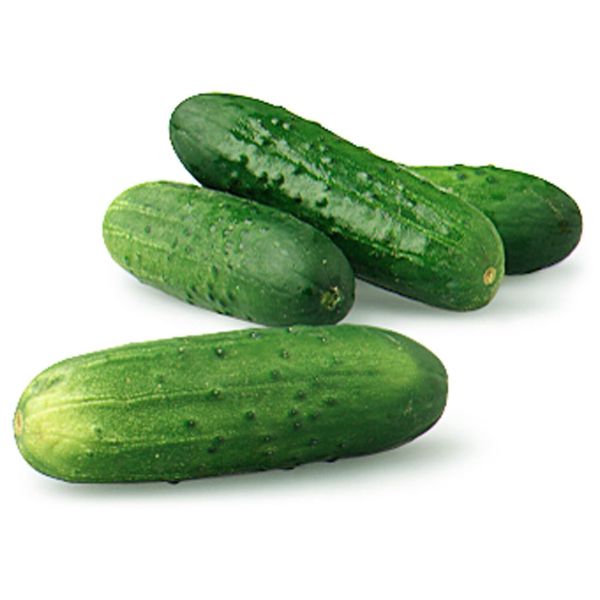 The characteristic bumpy, thin skin of a ripe Kirby cucumber, which holds brine well for pickling
Credit: cotodistributors.com
The characteristic bumpy, thin skin of a ripe Kirby cucumber, which holds brine well for pickling
Credit: cotodistributors.com
Growing Kirby Cucumbers at Home
Kirby cucumbers are a low-maintenance crop for home gardeners, producing abundant fruit in small spaces with proper care.
Ideal Growing Conditions
Kirbys thrive in warm weather, with optimal growth at soil temperatures above 60°F. They need full sun (6+ hours of direct light daily) and well-drained soil with a pH between 6.0 and 7.0, amended with compost or organic matter to support fruit production. For region-specific planting timelines and care tips, the University of Minnesota Extension recommends full sun exposure and well-drained, organic-rich soil for optimal cucumber yields University of Minnesota Extension cucumber growing guide.
Planting and Care Tips
Start seeds indoors 3-4 weeks before your area’s last frost date, then transplant seedlings to the garden after all danger of frost has passed. Space plants 12-18 inches apart to allow for air circulation, and install a small trellis for vines to climb, which saves space and reduces soil-borne disease by keeping fruit off the ground. Water deeply 1-2 times per week to keep soil consistently moist but not soggy: a common mistake when growing Kirbys is overwatering, which leads to bland, watery fruit and increases the risk of powdery mildew. Mulch around plants to retain moisture and suppress weeds, and feed with a balanced fertilizer every 3-4 weeks to support fruit production.
Pest and Disease Management
The biggest threat to Kirby cucumber plants is cucumber beetles, which spread bacterial wilt, a fatal disease that causes vines to wilt suddenly. Use row covers early in the season to block beetles, or plant companion crops like radishes and marigolds to deter pests naturally. If you’re gardening with young children, install kitchen cabinet safety latches to keep sharp pruning tools and pesticides out of reach. Remove damaged or yellowing leaves promptly to reduce disease spread, and plant pollinator-friendly flowers like marigolds nearby to encourage bees, which are required for fruit set.
Harvesting Guidelines
Pick Kirby cucumbers when they reach 3-5 inches long, before seeds grow large and tough, and the skin is still bright green. Harvest every 1-2 days during peak season to encourage the plant to produce more fruit. Use sharp scissors to cut stems 1/2 inch above the fruit to avoid damaging the vine. Overripe Kirbys turn yellow and develop bitter flavor, so harvest promptly even if you have more fruit than you can use.
 Homegrown Kirby cucumbers harvested at 3–5 inches long, the ideal size for pickling
Credit: www.reddit.com
Homegrown Kirby cucumbers harvested at 3–5 inches long, the ideal size for pickling
Credit: www.reddit.com
Buying, Storing, and Preserving Kirby Cucumbers
Proper selection and storage will keep Kirby cucumbers crisp and flavorful for weeks, or even months if you preserve them.
How to Select Fresh Kirbys
Look for firm, heavy fruit with bright, deep green skin and small, uniform bumps. Avoid soft, shriveled, or yellow-spotted cucumbers, which are overripe or beginning to spoil. A fresh Kirby will have a light, grassy scent, and feel dense for its size, indicating high moisture content. If buying from a farmer’s market, ask when the cucumbers were harvested for peak freshness.
Short-Term Storage
Wrap unwashed Kirby cucumbers in a paper towel to absorb excess moisture, then place them in a perforated plastic bag in your refrigerator’s crisper drawer. Keep them away from ethylene-producing fruits like apples, bananas, and tomatoes, which speed up spoilage. Properly stored, they stay fresh for 1-2 weeks. Always wash cucumbers just before use, as excess moisture speeds up decay.
Long-Term Preservation
For storage beyond 2 weeks, pickling is the best option, as it preserves crunch and flavor for 6+ months. When pickling at home for shelf-stable storage, follow FDA produce safety guidelines to avoid spoilage and ensure your homemade pickles are safe for long-term room temperature storage FDA produce safety best practices. You can also freeze sliced Kirbys for use in smoothies, soups, or cooked dishes, though they will lose their crisp texture when thawed, so they are not suitable for fresh eating after freezing. If you’re making large batches of pickles for gifting, use a food-safe engraver to add custom engraved markings to your jars to track brine ingredients and pickling dates. After prepping and pickling, clean brine residue and cucumber seeds from countertops and cutting boards with a heavy-duty kitchen cleaning brush set to avoid sticky messes and cross-contamination.
Nutritional and Health Benefits
Kirby cucumbers are a low-calorie, nutrient-dense snack that supports overall wellness with minimal effort.
Key Nutrients Per Serving
A 1/2 cup serving of sliced Kirby cucumber has roughly 8 calories, 1g of dietary fiber, 16% of the daily recommended intake of vitamin K (critical for blood clotting and bone health), and 5% of daily vitamin C (for immune support). They also contain small amounts of potassium, which helps regulate blood pressure, and antioxidants like lutein and zeaxanthin, which support eye health.
Hydration and Wellness Benefits
At 95% water content, Kirbys are an excellent low-calorie hydration option, especially in hot weather. The combination of water and electrolytes makes them a good post-workout snack, and their high fiber content supports gut health and digestion. Regular consumption of cucumbers like Kirbys is also linked to reduced cellular damage from free radicals, which may lower the risk of chronic disease over time. For a refreshing, nutrient-packed side, pair sliced Kirbys with charcuterie board with round cheese for a crisp, balanced appetizer spread.
Frequently Asked Questions
Are Kirby cucumber skins edible?
Yes, the thin, tender skin is fully edible and packed with fiber and nutrients. Just wash thoroughly under running water to remove dirt or wax residue from store-bought batches. If you prefer a smoother texture, you can peel them with a vegetable peeler, though you will lose some of the fiber content.
What’s the difference between Kirby and Boston pickling cucumbers?
Boston pickling cucumbers are slightly larger (4-7 inches long), have smoother skin, and are bred specifically for large-scale commercial pickling. Kirbys are smaller, bumpier, and have a firmer texture, making them better suited for home jar pickling and fresh eating.
Can you grow Kirby cucumbers in containers?
Yes, as long as the container is at least 5 gallons in size, has drainage holes, and is placed in a full-sun location. Use a high-quality potting mix, and provide a small trellis for the vines to climb. Container-grown Kirbys may produce slightly less fruit than in-ground plants, but they work well for small spaces like balconies or patios.
Do Kirby cucumbers get bitter?
While all cucumbers can develop bitterness if stressed by drought, extreme heat, or poor soil, Kirbys have naturally low cucurbitacin levels, so they rarely develop bitter flavor if grown and stored properly. If you do notice mild bitterness, peel the cucumber and remove the stem end, where bitter compounds are most concentrated.
Final Thoughts
Kirby cucumbers are a versatile, low-fuss variety that earns its place in every kitchen, whether you’re pickling a summer harvest, tossing them into a fresh salad, or growing a small patch in your backyard. Their signature crunch, mild flavor, and pickling suitability make them far more useful than their small size suggests. For the best results, select firm, unblemished fruit, store them properly to preserve crispness, and experiment with both fresh and pickled recipes to find your favorite use. Ready to try your hand at pickling? Stock up on fresh Kirby cucumbers at your local farmer’s market this summer, or start seeds indoors in early spring for a homegrown harvest.

I’m Abby Lu, a passionate home cook who loves simplifying everyday meals. At PlugChef.com, I share product reviews and cooking guides to help you find the best tools for your kitchen.
Related posts:
 Store Bought Cinnamon Roll Hacks: Irresistible Easy Upgrades
 Glutinous Rice And Coconut Milk: Irresistible Creamy Dessert Recipes
 How to Clean a Knife: Expert Tips for Sparkling Blades Fast
 Pasta Dishes Without Red Sauce: Delicious Alternatives to Try Today
 Cook Salmon Fillet from Frozen: Quick, Easy, and Delicious Guide
 How to Cook Tough Steak: Expert Tips for Tender Perfection

