
When organizing your kitchen, one detail often overlooked is the depth of your pantry shelves. Getting the right shelf depth can make a huge difference in how easily you find and store your items.
If your shelves are too deep, things get lost in the back; too shallow, and you waste valuable space. You might wonder, what is the standard depth of pantry shelves that works best for most kitchens? You’ll discover the ideal measurements to maximize your pantry’s efficiency and keep everything within easy reach.
Keep reading, and transform your kitchen storage for good.
Ideal Pantry Shelf Depths
Choosing the right depth for your pantry shelves can make a big difference in how organized and accessible your kitchen supplies are. Ideal pantry shelf depths help you maximize space without overcrowding or wasting room. Think about how you use your pantry daily and what items you reach for most often—this will guide you to the perfect depth.
Common Shelf Depths
Standard pantry shelves usually range between 12 and 16 inches deep. Shelves around 12 inches work well for smaller items like spice jars, cans, and boxed goods. They keep items visible and easy to grab without getting lost in the back.
On the other hand, 16-inch shelves give you more space for larger containers, cereal boxes, or small kitchen appliances. However, deeper shelves can make it harder to find things at the back unless you use organizers or pull-out baskets.
- 12 inches:Ideal for small to medium-sized items
- 14 inches:A versatile middle ground for mixed items
- 16 inches or more:Best for bulky or oversized goods
Adjusting Depth For Different Items
Not all pantry items fit neatly into one shelf depth. You might want to customize shelf depths based on what you store. For instance, shallow shelves are perfect for spices and jars, while deeper shelves better suit tall cereal boxes or bulk bags.
Consider adding adjustable or pull-out shelves to make access easier, especially for deep shelves. You can also use stackable bins and tiered organizers to make the most of every inch.
Ask yourself: what frustrates you most when grabbing items from your pantry? Adjusting shelf depth to those specific needs can save time and reduce clutter.
Maximizing Storage Efficiency
Maximizing storage efficiency in pantry shelves is key for a neat kitchen. Proper shelf depth helps use every inch wisely. It prevents clutter and makes items easy to find. Smart storage solutions keep your pantry organized and functional.
Using Adjustable Shelves
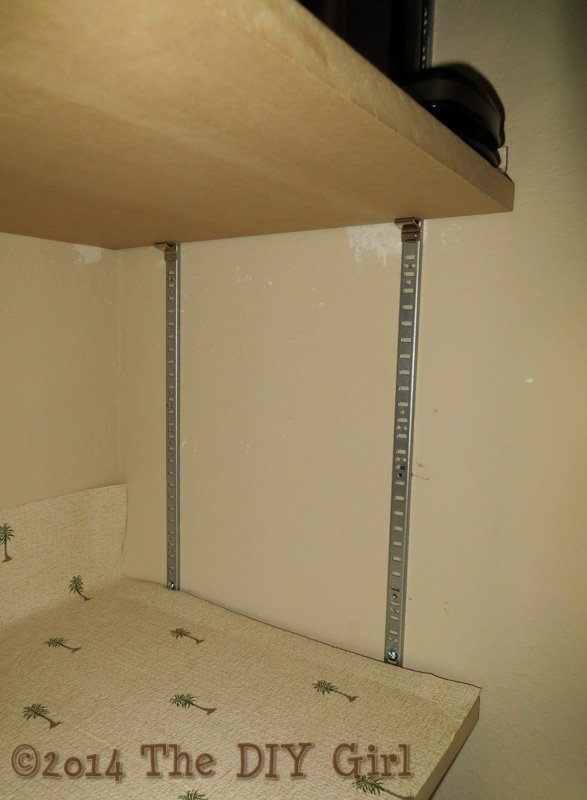
Adjustable shelves let you change space between levels. This flexibility fits different items perfectly. Taller bottles and boxes find the right spot easily. Adjusting shelves reduces wasted space and improves accessibility.
Choose shelves with sturdy brackets and smooth adjustment options. Mark shelf positions clearly for quick changes. This system adapts as your storage needs evolve.
Incorporating Pull-out Drawers
Pull-out drawers add convenience and visibility. They bring items to you without reaching deep inside. Drawers work well for small cans, spices, and snacks.
Use shallow drawers for lighter items and deep ones for bulk storage. Soft-close mechanisms protect your pantry from noise and damage. This design keeps everything organized and easy to reach.
Balancing Accessibility And Capacity
Choosing the right pantry shelf depth helps store more items without making them hard to reach. A standard depth keeps everything visible and easy to access. This balance saves space and reduces clutter in your kitchen.
Balancing the accessibility and capacity of pantry shelves is vital. Proper organization makes finding items quick and easy. At the same time, maximizing storage helps keep everything in its place. The right depth for pantry shelves can make a big difference. It ensures that your pantry is both user-friendly and spacious.Shallow Vs. Deep Shelves
Shallow shelves offer easy access. Items are visible and reachable without much effort. They prevent items from getting lost in the back. Deep shelves provide more storage capacity. They can hold larger items, but reaching the back can be hard. Finding a balance between the two is key.Ergonomic Considerations
Ergonomics play a role in pantry design. Shelves at eye level are easiest to access. Avoid placing heavy items on high shelves. This prevents strain and injury. Consider adjustable shelves for flexibility. They allow customization based on needs. Proper shelf depth improves accessibility and comfort.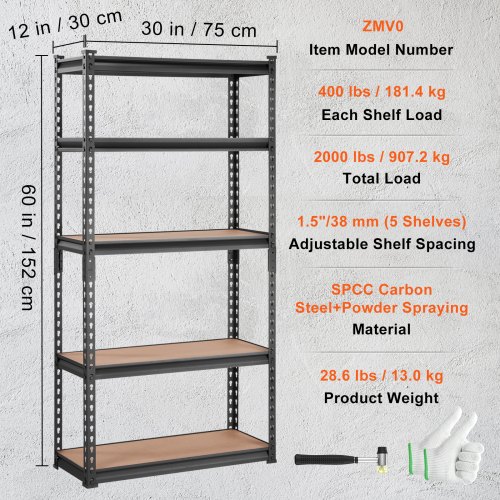
Credit: www.vevor.ca
Material Choices For Pantry Shelves
Choosing the right material for your pantry shelves affects both function and style. The shelf material needs to handle the weight of food items while matching your kitchen’s look. Let’s look closely at how different materials perform in terms of durability and aesthetics.
Durability And Weight Support
Pantry shelves must hold a lot without bending or breaking. Solid wood, like oak or maple, offers excellent strength and can support heavy canned goods and appliances. Plywood is another strong option, often more affordable but still reliable for everyday use.
Metal shelves, especially those made from steel, provide outstanding weight capacity and resist warping over time. However, thin particleboard or MDF shelves might sag under heavy loads unless properly reinforced. If you’ve ever noticed a shelf bending under the weight of your kitchen staples, it’s a sign to upgrade your material choice.
Aesthetic Options
Materials also define the visual appeal of your pantry. Natural wood shelves bring warmth and a classic feel that many homeowners love. They can be stained or painted to match your kitchen décor perfectly.
Metal shelves give a modern, industrial look and are great for sleek, minimalist kitchens. Glass shelves add an airy, open feel but may require more careful handling and frequent cleaning. Think about your kitchen’s style and how much maintenance you’re willing to do before picking your shelf material.
Customizing Shelves For Your Space
Customizing pantry shelves lets you make the most of your space. Standard shelf depths don’t always fit every pantry perfectly. Adjusting shelf size can improve accessibility and storage efficiency, so your pantry works for your unique needs.
Measuring Your Pantry
Start by measuring the width, height, and depth of your pantry space accurately. Use a tape measure and write down each dimension clearly. Don’t forget to check for obstacles like door swings or light switches that could affect shelf placement.
Consider what items you store most often. Are your shelves deep enough to hold large cereal boxes or tall jars without wasting space? You might want to measure your most common containers to decide on the perfect shelf depth.
Diy Vs. Professional Installation
Think about your comfort level with tools and building projects before deciding who installs your shelves. DIY installation can save money and allow you to customize on the spot. However, if your pantry has odd angles or you want heavy-duty shelving, a professional might be a better choice.
Installing shelves yourself gives you control over every detail, but it requires time and patience. Professionals bring experience and can ensure your shelves are sturdy and perfectly aligned. Which matters more to you: saving money or saving time?
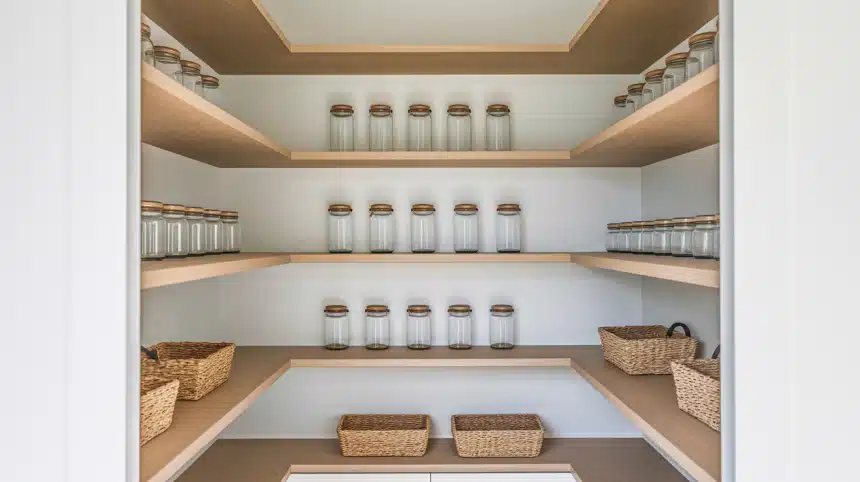
Credit: www.helpwithdiy.com
Organizing Tips For Pantry Shelves
Organizing pantry shelves makes cooking easier and saves time. Keeping shelves tidy helps spot what you need quickly. Well-arranged shelves reduce waste by preventing expired items. Simple organizing ideas make your pantry functional and neat.
Grouping Similar Items
Place similar foods together to find them fast. Keep baking ingredients like flour and sugar in one spot. Store canned goods such as beans and soups on the same shelf. Group snacks like chips and nuts nearby. This system helps you see what you have at a glance.
Labeling And Visibility
Use clear labels to identify each group or container. Labels save time and reduce confusion. Choose easy-to-read fonts and simple words. Store items in clear containers to see contents without opening. Arrange items so labels face forward for quick spotting.

Credit: www.woodworkingtalk.com
Frequently Asked Questions
What Is The Standard Depth Of Pantry Shelves?
The standard depth of pantry shelves is typically 12 to 16 inches. This size fits most food containers and allows easy access and visibility. It balances storage capacity with practical reachability for daily use.
Why Choose 12-inch Depth For Pantry Shelves?
A 12-inch depth is ideal for small to medium pantries. It prevents items from getting lost in the back and keeps everything within easy reach. This size suits most kitchen layouts and maximizes storage without wasting space.
How Does Shelf Depth Affect Pantry Organization?
Shelf depth influences how you arrange and access pantry items. Deeper shelves hold more but can hide smaller items behind larger ones. Shallower shelves improve visibility and organization, making it easier to find and use your groceries.
Can Pantry Shelves Be Customized In Depth?
Yes, pantry shelves can be customized to fit your space and needs. Depths can range from 10 to 24 inches or more, depending on the pantry size and the types of items stored. Customization improves storage efficiency.
Conclusion
Choosing the right pantry shelf depth helps keep your kitchen organized. Standard depths fit most items like cans, jars, and boxes. Shelves too deep can hide things at the back. Shelves too shallow may not hold larger items well. Think about what you store most often.
Measure your space before buying or building shelves. This small step saves time and frustration later. A well-planned pantry makes cooking and cleaning easier every day. Keep your shelves practical and simple for the best results.

I’m Abby Lu, a passionate home cook who loves simplifying everyday meals. At PlugChef.com, I share product reviews and cooking guides to help you find the best tools for your kitchen.
Related posts:
 What Type of Cooking Utensils are Safe: Expert Picks
 What Innovations Could Blenders Make: Unleashing Future Tech
 Smart Strategies to Organize a Small Kitchen: Maximize Space
 How to Organize a Kitchen Cabinet: Expert Tips & Tricks
 How to Organize Kitchen Drawers: Expert Tips and Tricks
 How to Organize a Corner Kitchen Cupboard: Expert Tips

