
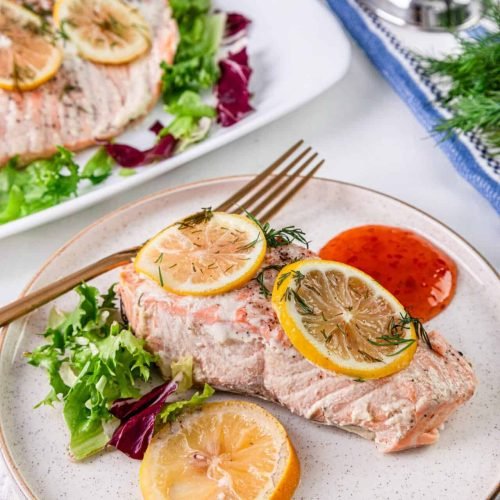
Are you looking for a simple way to enjoy tender, flavorful salmon without spending hours in the kitchen? Cooking salmon in a crockpot might just be the game-changer you need.
Imagine coming home to perfectly cooked fish that’s juicy, flaky, and full of taste—all thanks to a slow cooker doing the work for you. You’ll discover easy steps and tips to make crockpot salmon that will impress your family and friends.
Ready to transform your dinner routine? Keep reading to unlock the secret to effortless, delicious salmon every time.

Credit: diethood.com
Benefits Of Crockpot Salmon
Cooking salmon in a crockpot offers several benefits that can transform your meal prep and eating experience. It’s not only about convenience but also about making a healthy and flavorful dish with minimal effort. If you’re looking for a way to enjoy salmon without standing over the stove, crockpot salmon might be your new favorite.
Healthy Cooking Method
Crockpot salmon cooks slowly at low temperatures, which helps retain its natural nutrients. Unlike frying or grilling, it requires little to no added oil, reducing the overall fat content. This gentle cooking method keeps the omega-3 fatty acids intact, which are essential for heart and brain health.
Have you noticed how salmon can sometimes dry out when cooked fast? The crockpot prevents this by keeping the fish moist and tender. It’s a simple way to prepare a meal that supports your well-being without sacrificing taste.
Time-saving Convenience
Using a crockpot means you can set it and forget it. You don’t need to monitor the salmon constantly, freeing up your time for other tasks. This is especially helpful on busy days when you want a nutritious meal without the hassle.
Imagine coming home to perfectly cooked salmon without lifting a finger during the day. You can prepare your ingredients in the morning, and the crockpot will handle the rest. This ease of use makes it easier to stick to healthy eating habits even with a tight schedule.
Enhanced Flavor
Slow cooking allows the flavors to develop deeply. The salmon absorbs the seasonings and any added herbs or vegetables, resulting in a rich and well-rounded taste. This method can bring out flavors that quick cooking often misses.
Have you ever tried salmon that tastes bland or dry? Cooking it in a crockpot can change that by locking in juices and combining flavors beautifully. It’s a great way to experiment with spices and sauces, turning a simple fish into a gourmet dish.

Credit: fitslowcookerqueen.com
Choosing The Right Salmon
Choosing the right salmon is crucial for a delicious crockpot meal. The type and cut of salmon you select can affect the flavor, texture, and cooking time. Knowing what to look for helps you get the best results without guesswork.
Fresh Vs. Frozen
Fresh salmon often tastes better, but frozen can be just as good if handled properly. Frozen salmon is usually flash-frozen right after being caught, locking in freshness. If you use frozen, thaw it slowly in the fridge to keep the texture firm and avoid overcooking in the crockpot.
Ask yourself: Is the slight convenience of frozen worth the potential change in texture? Many home cooks find frozen salmon a reliable choice when fresh isn’t available.
Wild-caught Vs. Farmed
Wild-caught salmon has a richer flavor and firmer texture due to its natural diet and environment. Farmed salmon tends to be fattier and more affordable, which can make it tender but sometimes less flavorful. Your choice depends on your taste preference and budget.
If you want a heartier bite with a subtle ocean taste, wild-caught is the way to go. On the other hand, farmed salmon’s higher fat content can make it more forgiving in slow cooking.
Best Cuts For Crockpot
Not all salmon cuts work equally well in a crockpot. Salmon fillets and center-cut portions are ideal because they cook evenly and absorb flavors better. Avoid very thin pieces that might turn mushy or thick steaks that need longer cooking.
- Fillets:Perfect for most crockpot recipes; they break down nicely but hold shape.
- Center-cut portions:Offer consistent thickness and cook uniformly.
- Whole sides:Can be used but require careful timing to avoid overcooking.
Think about how much hands-on time you want. Fillets are usually the easiest and fastest to prepare for slow cooking.
Essential Crockpot Tips
Cooking salmon in a crockpot keeps it tender and moist with minimal effort. Use low heat and add lemon or herbs for extra flavor. Avoid overcooking to preserve its delicate texture.
Cooking salmon in a crockpot can be a game-changer for your meal prep routine. The slow and even cooking process ensures that your salmon is perfectly tender and flavorful. To achieve the best results, there are some essential crockpot tips you should follow. These tips will help you avoid common pitfalls and enhance your crockpot salmon experience.Setting The Temperature
Choosing the right temperature is crucial for perfectly cooked salmon. Most crockpots have low and high settings. For salmon, the low setting is ideal because it cooks the fish gently, preserving its moisture and delicate texture. If you’re in a rush, you might be tempted to crank up the heat. But resist that urge! High temperatures can make the salmon dry and tough.Avoiding Overcooking
Overcooking is a common mistake that can ruin your salmon. Keep an eye on the cooking time, usually around 2 to 2.5 hours on low. Set a timer as a reminder. Opening the lid frequently to check can release heat, prolonging cooking time. If your crockpot has a keep-warm setting, use it once the salmon is done. This prevents overcooking and keeps your meal ready without drying it out.Using Foil Or Parchment
Lining your crockpot with foil or parchment paper can make cleanup easier. It also creates a barrier that can help in even cooking. If you’re adding a marinade or sauce, wrap the salmon in parchment to lock in flavors. This also prevents the fish from sticking to the crockpot. Wondering about the environmental impact? Parchment is often compostable, making it a greener choice. By following these tips, you can make crockpot salmon a reliable and delicious part of your meal planning. Have you tried any of these tips before, or do you have your own to share?
Credit: thealmondeater.com
Simple Crockpot Salmon Recipes
Simple crockpot salmon recipes offer a quick and easy way to enjoy delicious fish. Cooking salmon in a crockpot keeps it moist and tender without much effort. These recipes use fresh ingredients and gentle cooking to bring out the best flavors.
Try these simple recipes for a healthy and tasty meal. Each one uses different spices and sauces to keep your meals exciting. Perfect for busy days or when you want a no-fuss dinner.
Lemon Garlic Salmon
This recipe combines bright lemon and savory garlic flavors. Place salmon fillets in the crockpot. Add lemon slices, minced garlic, salt, and pepper. Pour a little olive oil or butter over the top. Cook on low for 1 to 2 hours until the salmon flakes easily.
Teriyaki Glazed Salmon
Sweet and tangy teriyaki sauce makes salmon irresistible. Mix soy sauce, honey, garlic, and ginger for the glaze. Place salmon in the crockpot and pour the sauce over it. Cook on low for 1.5 to 2 hours. Garnish with green onions or sesame seeds before serving.
Herb And Dill Salmon
Herbs add a fresh and earthy taste to salmon. Use dill, parsley, and a little thyme. Season the salmon with salt and pepper. Add fresh herbs and lemon slices on top. Cook on low for 1 to 2 hours until tender. Serve with steamed vegetables or rice for a complete meal.
Side Dishes To Pair
Choosing the right side dishes enhances the flavors of crockpot salmon. Pairing salmon with fresh and wholesome sides creates a balanced meal. Side dishes can complement the delicate taste and texture of slow-cooked salmon perfectly.
Vegetable Medleys
Vegetables add color and nutrition to your plate. Roasted carrots, zucchini, and bell peppers work well. Steamed broccoli or green beans keep the meal light and healthy. Sautéed spinach with garlic brings a tasty, simple touch.
Rice And Grain Options
Rice and grains soak up the salmon’s juices beautifully. White or brown rice offers a neutral base. Quinoa adds a nutty flavor and extra protein. Couscous cooks fast and pairs nicely with herbs and lemon.
Fresh Salads
Fresh salads add crunch and freshness to the meal. A simple green salad with vinaigrette brightens the dish. Cucumber and tomato salad provides cool, juicy bites. Mixed greens with avocado add creaminess and nutrition.
Storing And Reheating Tips
Knowing how to store and reheat your crockpot salmon properly makes all the difference in maintaining its flavor and texture. Salmon is delicate, so handling leftovers with care ensures your next meal tastes just as good as the first. Let’s dive into some simple yet effective tips that will help you enjoy your salmon even days after cooking.
Proper Refrigeration
After cooking, let your salmon cool down to room temperature before placing it in the fridge. Store it in an airtight container to prevent it from drying out and absorbing other odors.
Try to consume refrigerated salmon within 2 to 3 days for the best taste and safety. Have you noticed how salmon can quickly lose its moisture if left uncovered? That’s why sealing it properly is key.
Best Reheating Methods
Reheating salmon gently keeps it tender and flavorful. Avoid the microwave if you can, as it often makes fish dry and rubbery.
- Use a low oven temperature (around 275°F or 135°C) and cover the salmon with foil to retain moisture.
- Alternatively, reheat in a pan over low heat with a splash of water or broth and cover it to steam gently.
Have you tried reheating salmon this way? It keeps the texture closer to freshly cooked fish, making leftovers much more enjoyable.
Freezing Leftovers
If you want to keep your salmon longer, freezing is an option, but it needs careful wrapping. Use freezer-safe bags or wrap the fish tightly in plastic wrap followed by aluminum foil.
Label your packages with the date and try to use frozen salmon within 1 to 2 months for optimal flavor. Thaw frozen salmon slowly in the fridge overnight rather than at room temperature to keep its quality intact.
Frequently Asked Questions
How Long Does Salmon Take To Cook In A Crockpot?
Salmon usually takes 1 to 2 hours on low heat in a crockpot. Cooking time depends on the thickness of the fillets and crockpot model. Avoid overcooking to keep salmon moist and tender.
Can I Cook Frozen Salmon In A Crockpot?
It is not recommended to cook frozen salmon directly in a crockpot. Thaw the salmon first for even cooking and food safety. Thaw in the refrigerator overnight before placing it in the crockpot.
What Temperature Is Best For Crockpot Salmon?
Low heat setting, around 190°F to 200°F, works best for cooking salmon in a crockpot. This temperature ensures gentle cooking, retaining moisture and flavor. High heat can cause the salmon to become dry or overcooked.
Should I Add Liquid When Cooking Salmon In A Crockpot?
Yes, adding a small amount of liquid like broth or lemon juice helps keep salmon moist. It also infuses flavor and prevents the fish from sticking to the crockpot. Use about 1/4 cup of liquid for best results.
Conclusion
Cooking salmon in a crockpot saves time and effort. The fish stays tender and full of flavor. You can add simple spices or fresh herbs for taste. This method is perfect for busy days or easy meals. Just set the crockpot and let it do the work.
Enjoy healthy, delicious salmon without much hassle. Try this way to cook salmon for a tasty, stress-free dinner.

Hi, I’m Daniel Brooks—a food lover and kitchen gear enthusiast. I enjoy testing cookware, utensils, and gadgets to see what really works in everyday cooking. At PlugChef.com, I share honest reviews, comparisons, and simple guides to help you choose the best tools for a safer, smarter, and more enjoyable kitchen.
Related posts:
 What Type of Cooking Utensils are Safe: Expert Picks
 What Innovations Could Blenders Make: Unleashing Future Tech
 Smart Strategies to Organize a Small Kitchen: Maximize Space
 How to Organize a Kitchen Cabinet: Expert Tips & Tricks
 How to Organize Kitchen Drawers: Expert Tips and Tricks
 How to Organize a Corner Kitchen Cupboard: Expert Tips

